Engineered for thermal efficiency, extreme structural loads, hurricane resistance, and architectural elegance.
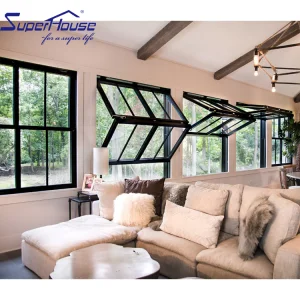
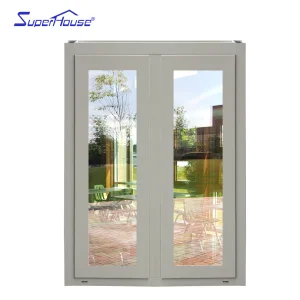
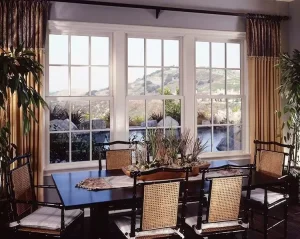
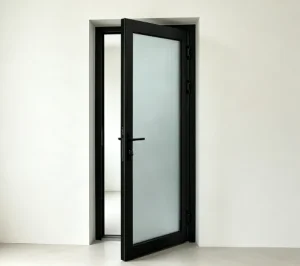
Deciphering structural compliance, thermal bridge mitigation, and OEM manufacturing workflows for commercial developers and distributors.
Global real estate developers, facade contractors, and door/window importers require scalable manufacturing operations capable of delivering high-volume orders with zero structural tolerance deviation. When searching for specialized aluminum windows factories, enterprise buyers evaluate key operational benchmarks: extrusion alloy purity, structural thermal break integration, certified U-factors, air/water tightness test reports, and factory-direct quality control audits.
Modern architectural codes demand severe climate adaptability. Modern factory production lines must cater to geographical variance—from hurricane-prone coastal regions requiring Florida Miami-Dade NOA (Notice of Acceptance) structural impact ratings, to alpine cold zones demanding ultra-low U-factor triple-pane argon-filled assemblies with continuous polyamide (PA66GF25) thermal breaks.
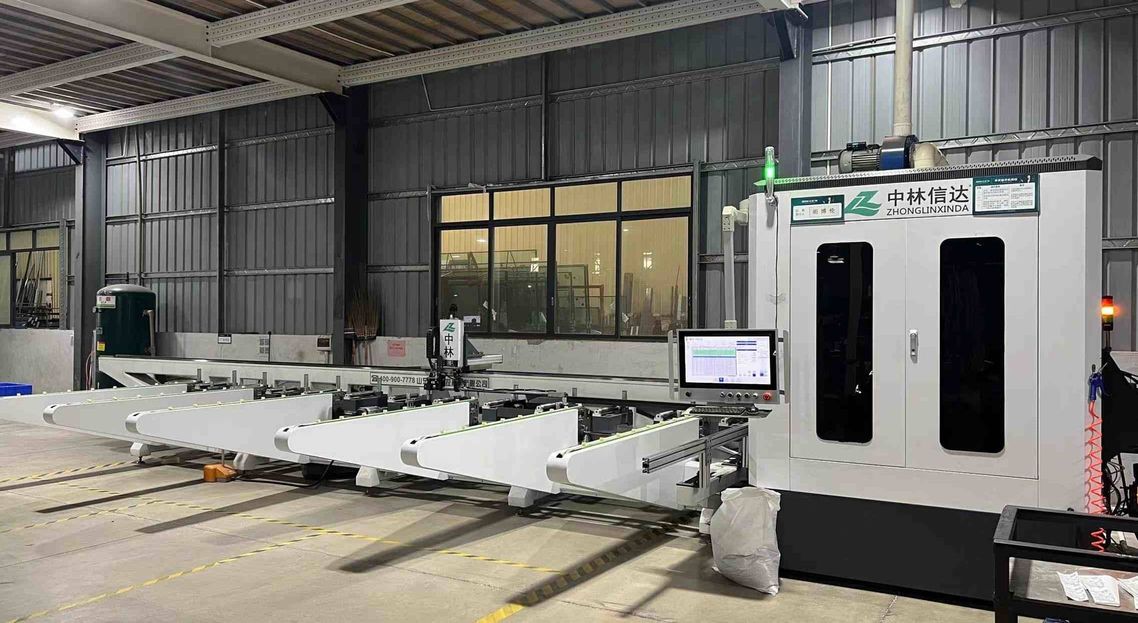
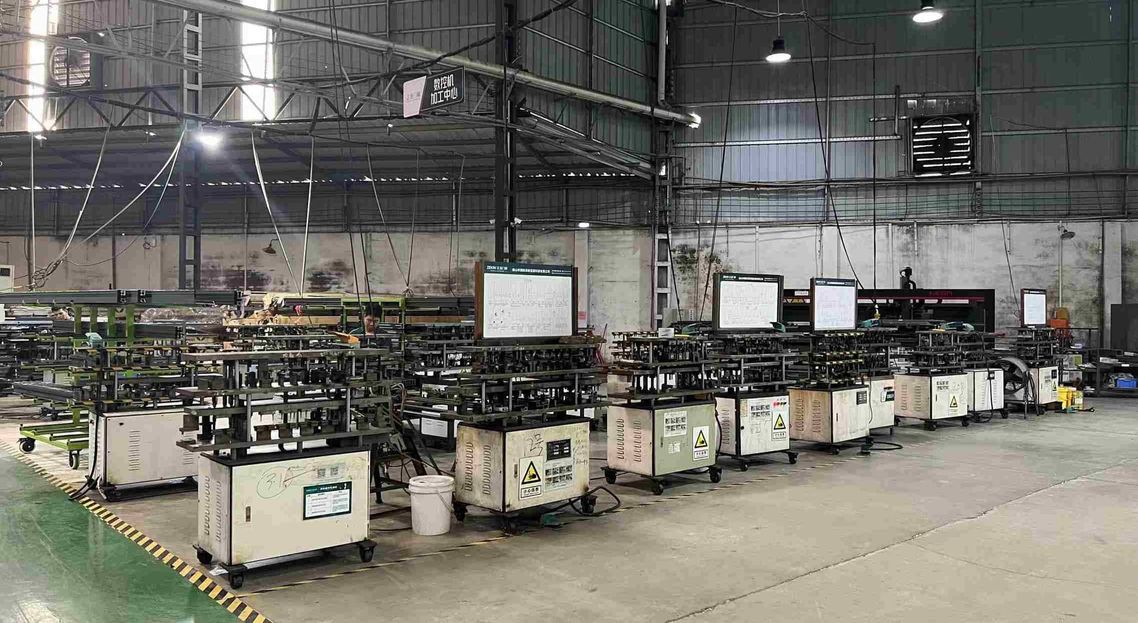
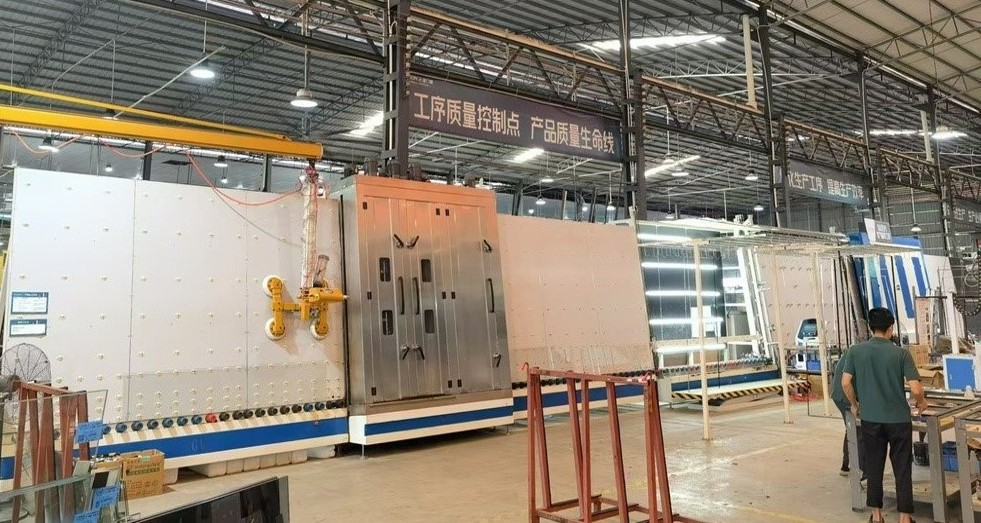
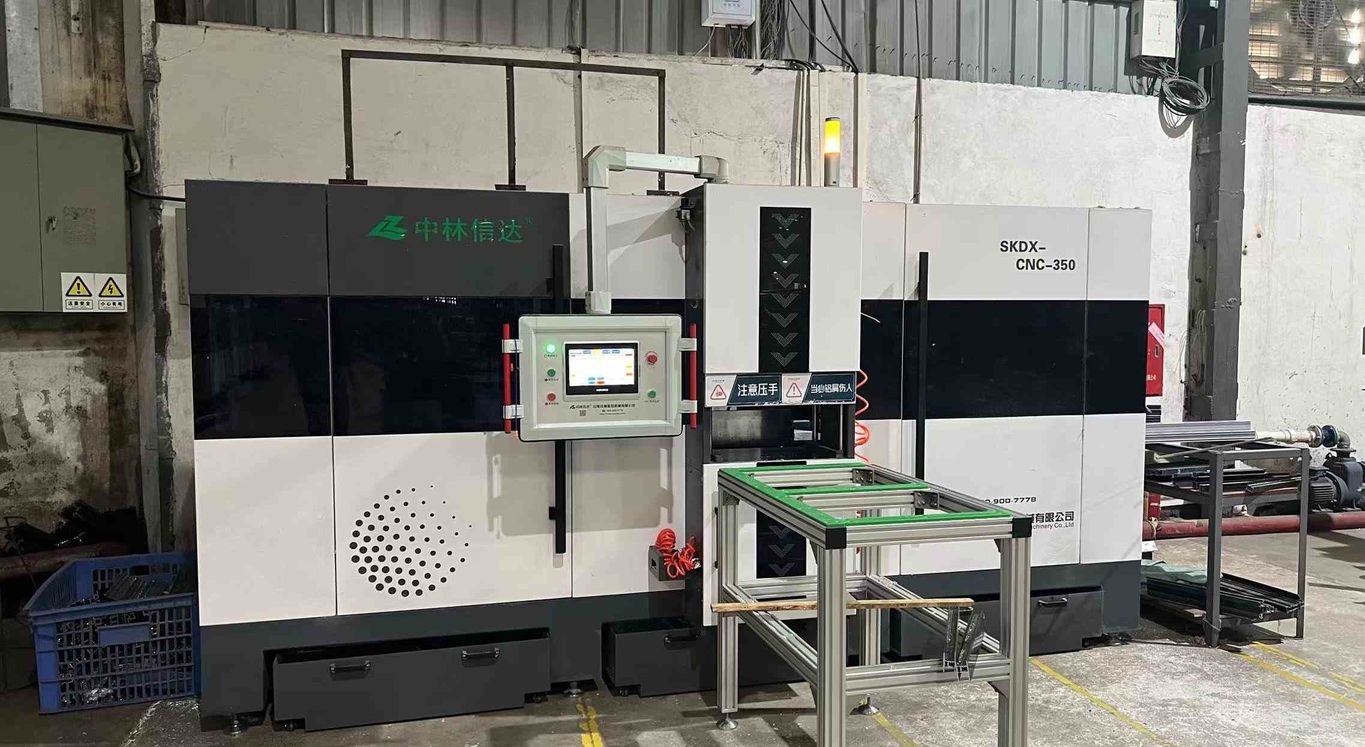
B2B procurement managers mitigate field failure risks by prioritizing facilities running automated double-glazing lines, CNC end-milling machining center matrices, and rigorous batch testing. Partnering directly with an established aluminum window factory eliminates multi-tier distributor markups while securing lifetime hardware traceabilities and certified coating endurance guarantees.
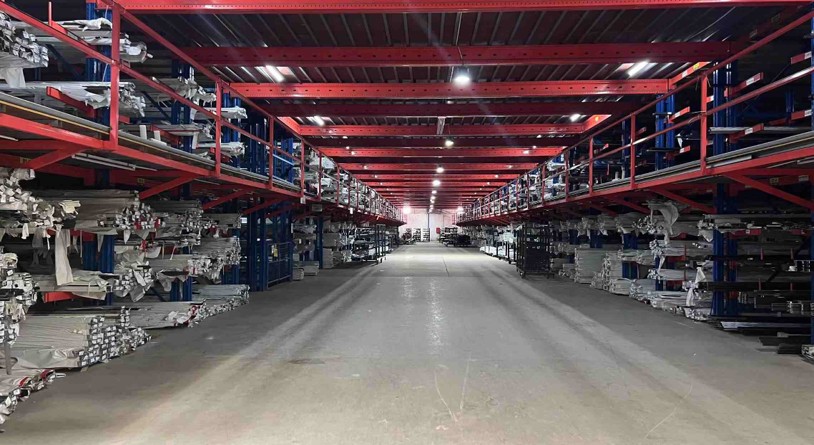
Integrating precision machinery, robust R&D engineering, and standard-setting IP65 weather-seal compliance across 19,000 square meters of production space.
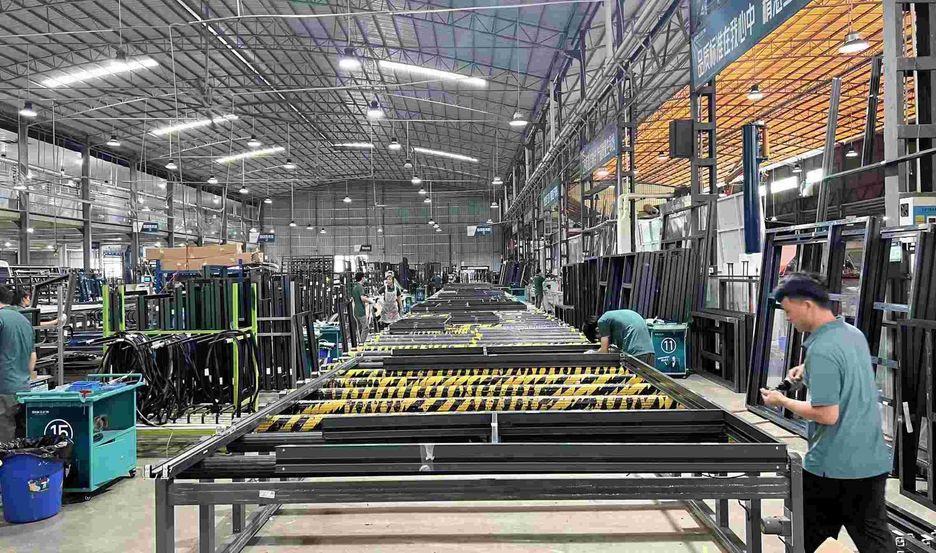
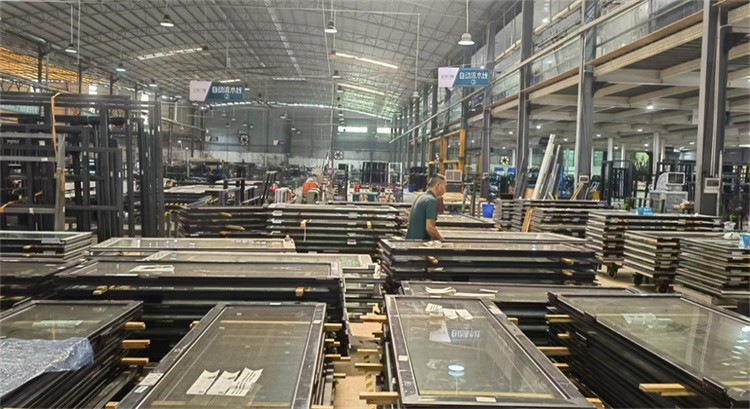
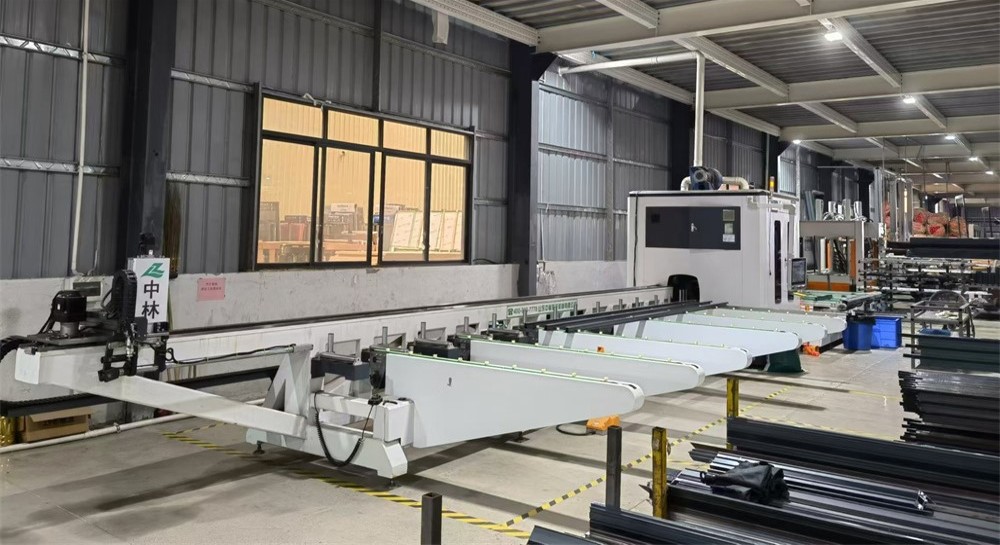
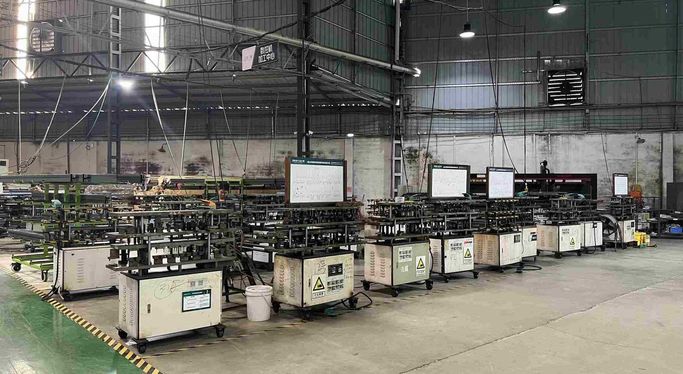
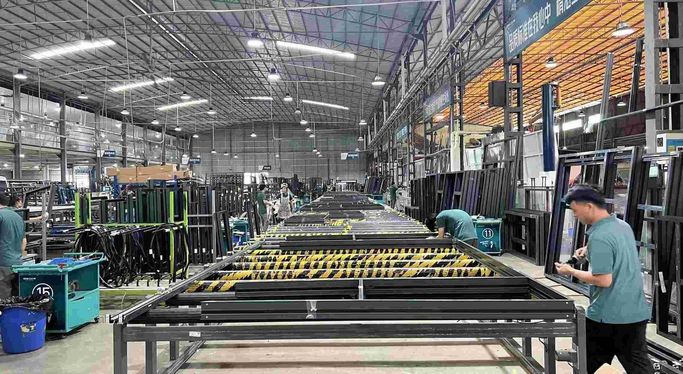
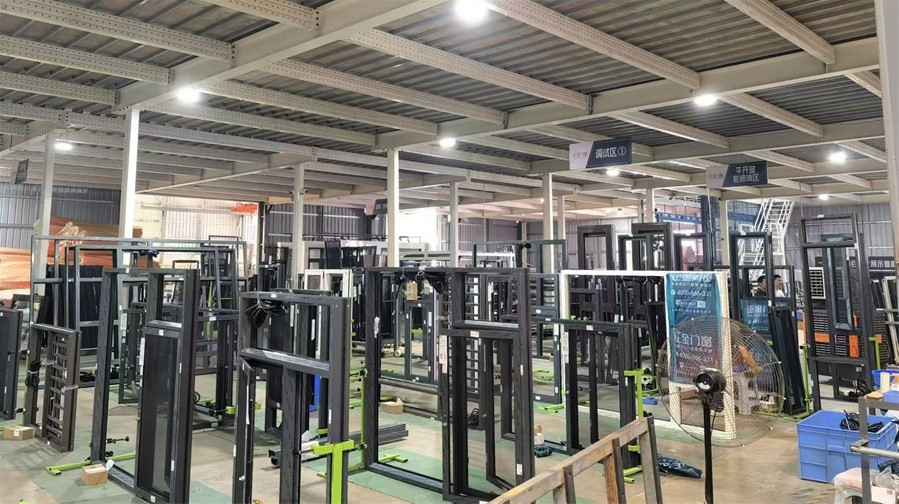
Established in 2013, Veridor Door Technologies Co., Ltd. operates a streamlined 19,000 m² production hub dedicated to contemporary residential entry doors and advanced architectural window systems. With 11 years of industry experience and 5 years of active foreign trade experience, the firm generates $11 million in annual export revenue. Veridor targets fast-growing markets in Oceania, Southeast Asia, and North America, directly supplying door importers, housing project contractors, and online distributors.
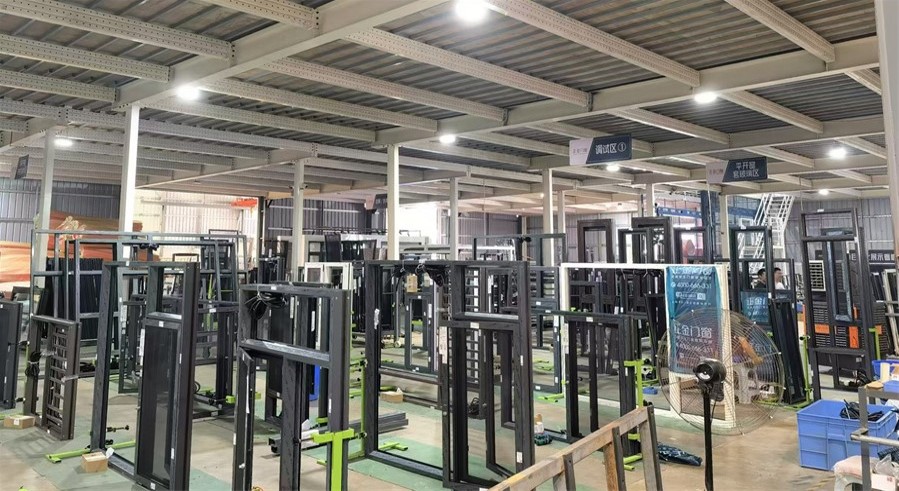
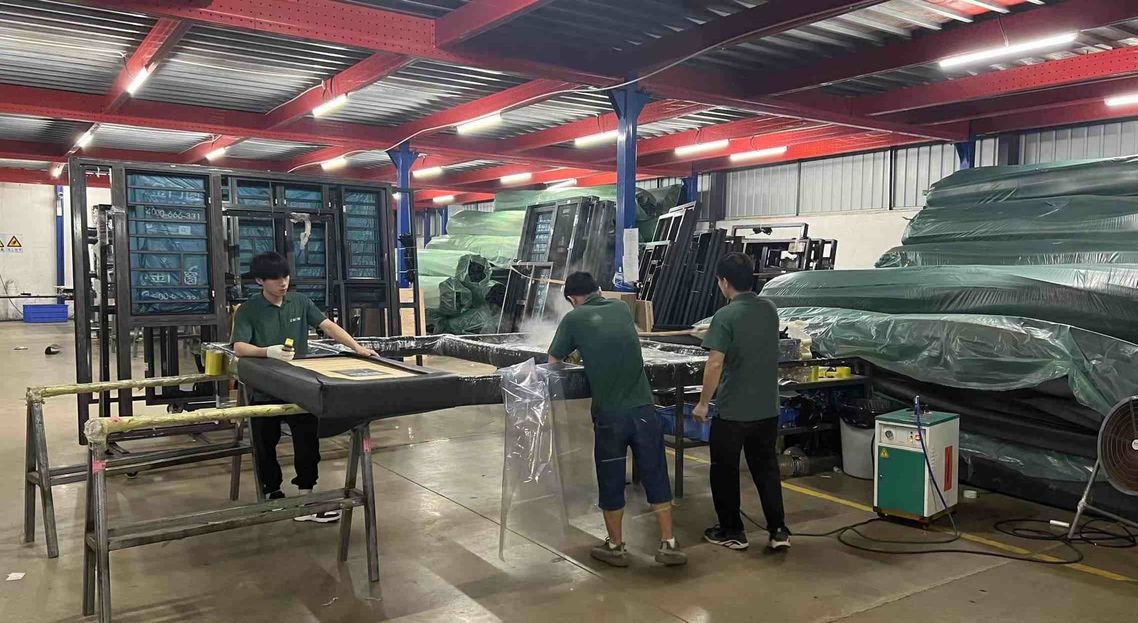
Veridor collaborates with over 480 vetted hardware and material suppliers to ensure product precision. A team of 22 quality inspectors executes IP65 weather-seal checks, surface coating adhesion testing, and manual assembly inspections. Guided by modern design trends, 28 R&D engineers developed 65 new entry door models last year. Customization capabilities include custom panel relief patterns, smart digital lock pre-installations, custom frame widths, and anti-scratch marine-grade surface treatments.
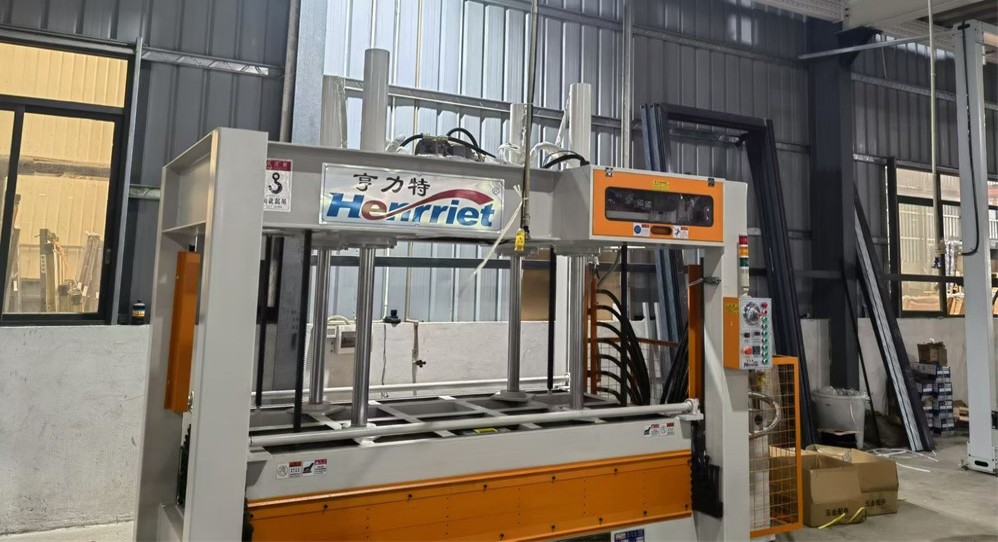
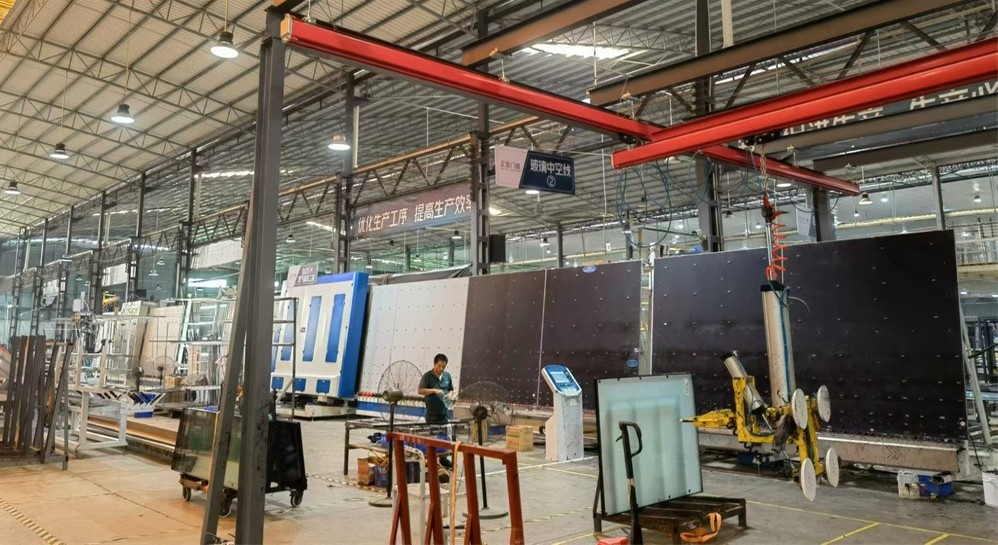
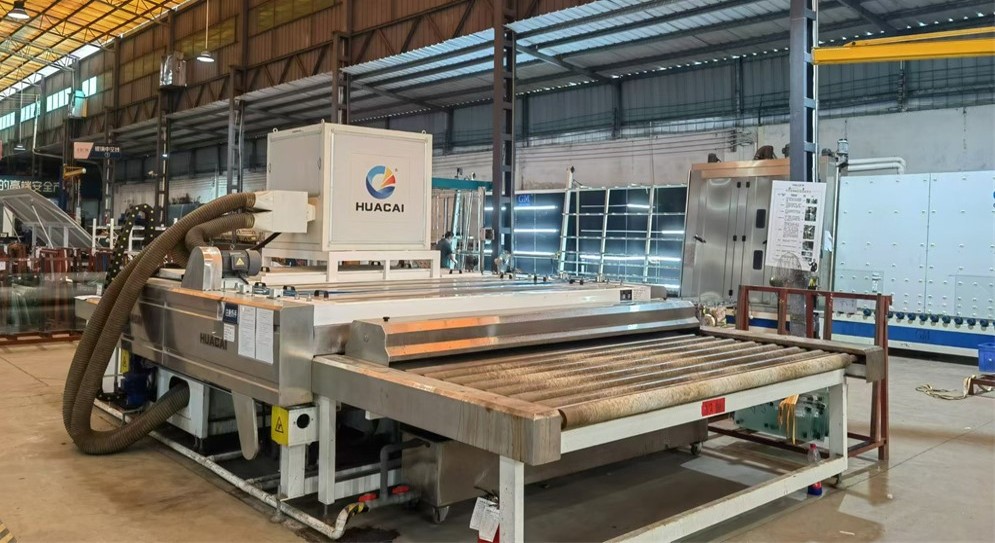
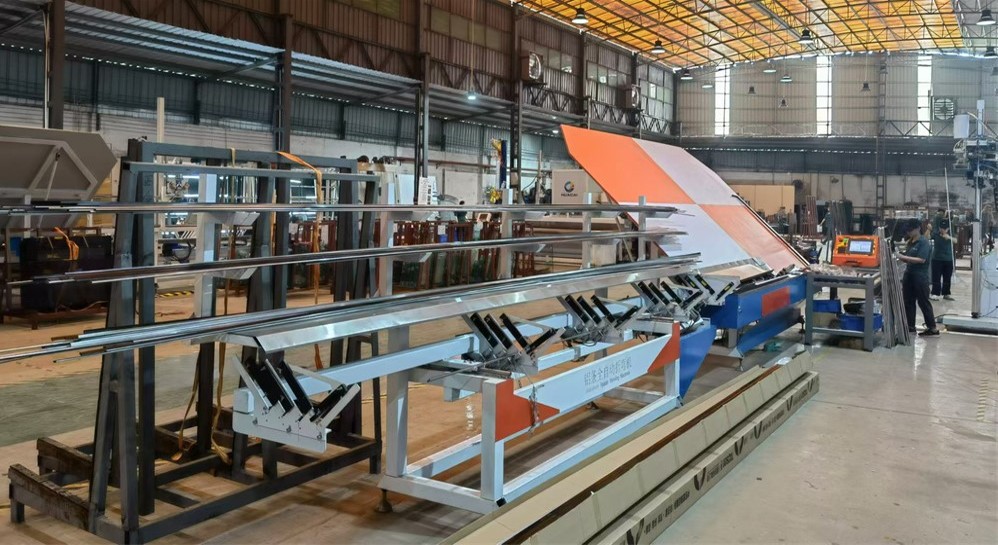
An authoritative breakdown of material science, structural glazing integrity, and thermal performance parameters used in modern fenestration factories.
| Performance Standard / Specification | Commercial Grade Standard | High-Gain Technical Engineering Metric | B2B Procurement Advantage |
|---|---|---|---|
| Aluminum Alloy Profile | 6063-T5 / 6060-T66 Extrusions | Tensile strength ≥ 205 MPa; Yield strength ≥ 180 MPa; Wall thickness 1.4mm - 3.0mm | Prevents frame deformation under severe wind-load conditions; guarantees 30+ year lifespan. |
| Thermal Barrier Integration | PA66-GF25 Polyamide Strip | 25% glass fiber reinforced structural break; thermal conductivity K ≤ 0.3 W/m·K | Eliminates internal condensation, drastically reduces U-factors (U ≤ 0.24 Btu/h·ft²·°F). |
| Surface Treatment Technology | Fluorocarbon (PVDF) / AkzoNobel Powder | AAMA 2605 / Qualicoat Class 2 standard; test-proven 3000-hour salt spray resistance | Essential for coastal anti-corrosion; maintains zero color fading in high-UV environments. |
| Glass Configuration (IGU) | Double/Triple Tempered Low-E | Warm-edge spacer + 90% Argon gas fill; toughened glass per ANSI Z97.1 / EN 12150 | Superior solar heat gain control (SHGC ≤ 0.22) and acoustic insulation (STC rating up to 42 dB). |
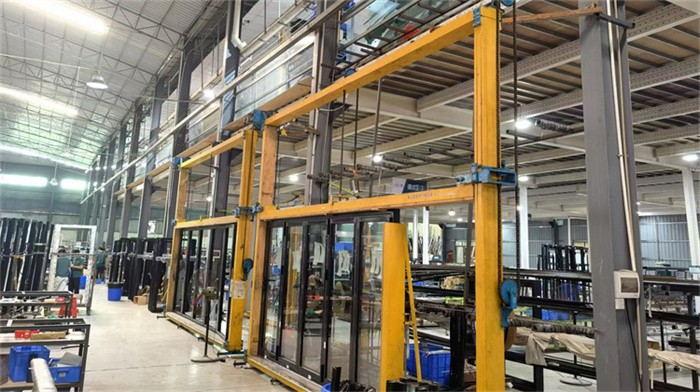
| Structural Weather-Sealing | EPDM Gaskets & Silicone SSG | Continuous multi-cavity EPDM seals with structural silicone corner joints (IP65 weather barrier) | Exceeds NAFS / AS2047 water penetration resistance threshold (tested up to 700 Pa). |
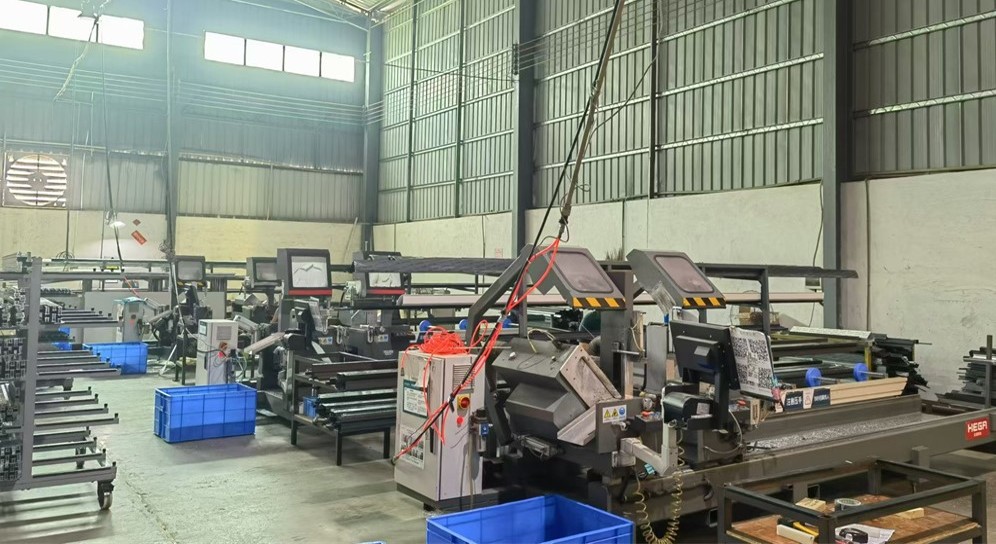
Aluminum profile cutting and corner crimping demand pinpoint precision. Modern factories employ double-head digital sawing machines linked directly to CAD/CAM software. Corner joining uses injected multi-component epoxy resins combined with stainless steel corner keys, eliminating structural twisting and ensuring zero frame separation after installation.
To resist burglary and negative wind loads, high-grade windows feature integrated multi-point gear locksets (manufactured from 316-grade stainless steel or engineered zinc alloy). Pre-installed hardware channels allow rapid jobsite mounting, drastically reducing installation labor expenses for commercial developers.
Ensuring seamless building permit approvals across key market destinations via certified performance testing.
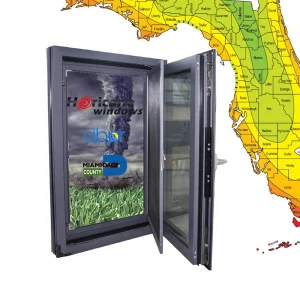
Windows exported to North America undergo stringent thermal simulation testing via NFRC (National Fenestration Rating Council) to benchmark U-Factor and SHGC. Projects in Florida and coastal hurricane zones mandate Miami-Dade NOA hurricane impact compliance, involving large missile impact tests (TAS 201/203) and cyclic wind pressure loading up to 100 PSF.
The Australian market demands mandatory certification against AS2047 (Windows and external glazed doors in buildings) and AS1288 (Glass in buildings selection and installation). Key testing parameters evaluate deflection under wind pressure, air infiltration resistance, water penetration testing, and ultimate strength checks.
For European residential and commercial construction, products comply with EN 14351-1, verifying thermal performance, water tightness, air permeability, and load-bearing capacity of safety devices. Sub-assemblies comply with REACH environmental mandates and Qualicoat surface finish rules.
Direct technical responses addressing factory capabilities, custom engineering, logistics, and quality assurance.
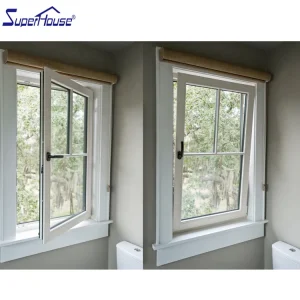
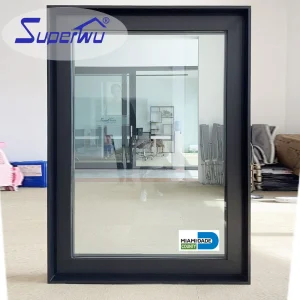
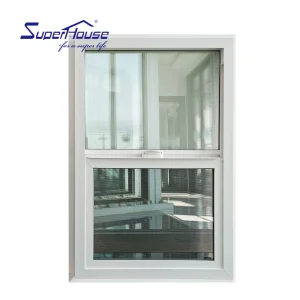
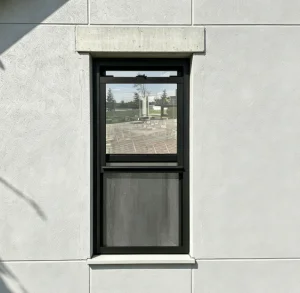
Explore our complete range of engineered casement, tilt-and-turn, single-hung, and folding door solutions.
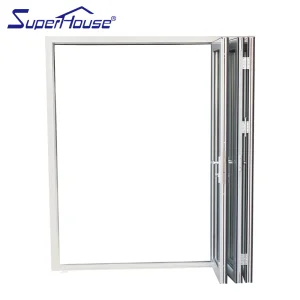
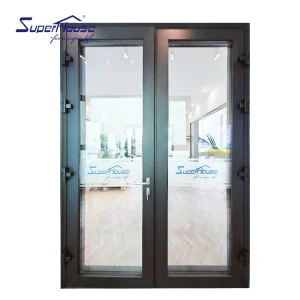
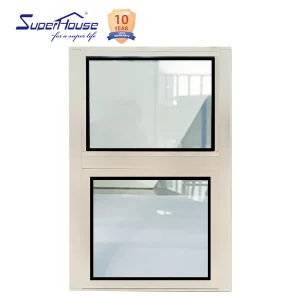
Pioneering smart solar glass integration, ultra-slim sightlines, and circular economy aluminum recycling.
The next decade of aluminum window manufacturing blends structural framing with Building-Integrated Photovoltaics (BIPV). Vacuum Glazing (VIG) technology combined with transparent solar cells enables curtain walls and large sliding windows to serve as active power generators without sacrificing optical clarity.
Architectural demand is rapidly shifting toward minimal frame sightlines (down to 18mm visible interlock width) while maintaining extreme wind-load resistance. Factory engineering achieves this through hidden structural steel cores wrapped in high-tensile 6060-T66 aluminum profiles.
In line with global decarbonization initiatives, premier factories are transitioning to hydroelectric-smelted low-carbon primary aluminum billets and post-consumer recycled aluminum alloys. This reduces embodied carbon emissions by up to 75% per frame unit, supporting LEED and BREEAM green building certifications.
 Veridor