Explore our NFRC-certified, thermal break, and hurricane-impact resistant casement series engineered for stringent architectural specifications across North America, Oceania, and Europe.
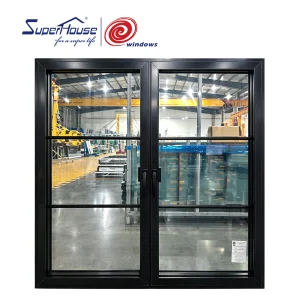
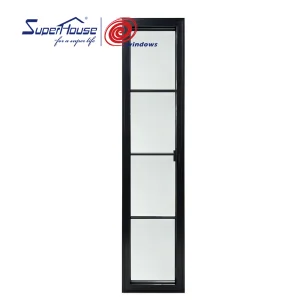
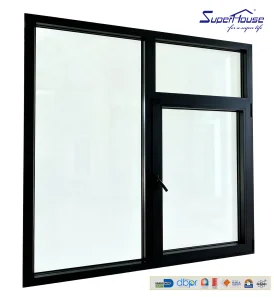
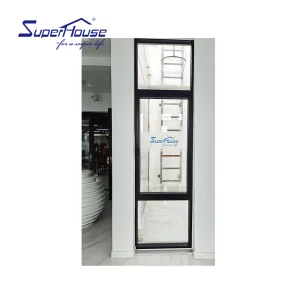
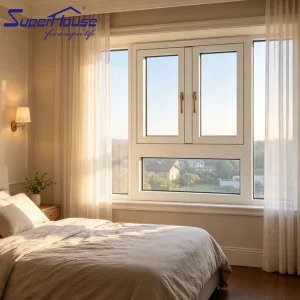
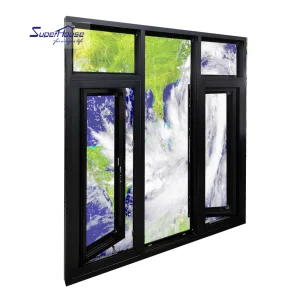
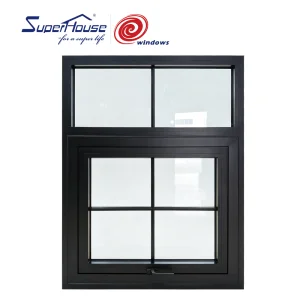
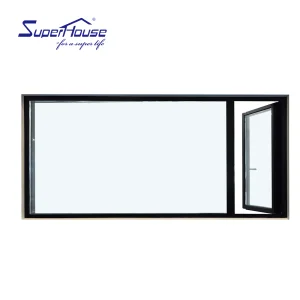
An analysis of structural thermal performance standards, minimalist frame geometries, and extreme weather resilience in modern commercial and high-end residential architecture.
Modern energy codes (such as California Title 24 and ASHRAE 90.1) mandate strict U-factor performance. Contemporary casement systems utilize Technoform PA66 GF25 reinforced polyamide thermal breaks, effectively separating the interior and exterior aluminum profiles to mitigate heat transfer, reduce thermal bridging, and optimize building HVAC efficiency.
Coastal developments in Florida, the Caribbean, and coastal Australia require windows capable of withstanding cyclic wind pressures exceeding 5000 Pa and high-velocity missile impacts. Miami-Dade NOA and AS2047 compliance require structural aluminum alloy 6063-T6 coupled with SentryGlas (SGP) laminated glazing interlayers.
Architectural trends prioritize expansive glass surfaces and concealed sash frames. Advanced aluminum extrusion design achieves ultra-thin sightlines without sacrificing structural moment of inertia, enabling floor-to-ceiling casement assemblies with integrated multi-point locking hardware.
Comprehensive physical and thermal parameters of Veridor structural aluminum casement systems.
| Performance Metric | Test Standard / Regulatory Benchmark | Engineering Specification Value | Architectural Application Benefit |
|---|---|---|---|
| Thermal Transmittance (U-Factor) | NFRC 100 / ISO 10077-2 | 0.21 - 0.28 BTU/hr·ft²·°F (1.2 - 1.6 W/m²K) | Substantial energy savings; compliant with US Title 24 & Passive House targets. |
| Structural Wind Load Resistance | ASTM E330 / AS2047 / TAS 202 | Design Pressure (DP) UP to ±100 PSF (5000 Pa) | Ensures integrity in high-rise structures and High-Velocity Hurricane Zones (HVHZ). |
| Air Infiltration Rate | ASTM E283 / EN 12207 | < 0.06 cfm/ft² at 1.57 psf (Class 4 / A4) | Eliminates draft leakage; enhances indoor thermal stabilization. |
| Water Penetration Resistance | ASTM E547 / ASTM E331 / EN 12208 | 15 PSF (720 Pa) Static & Dynamic Water Test | Prevents moisture ingress under severe driven-rain conditions. |
| Acoustic Insulation (STC / OITC) | ASTM E90 / ISO 717-1 | STC 38 - 45 dB / OITC 32 - 38 dB | Dramatically dampens urban environmental noise pollution. |
| Aluminum Alloy Profile Grade | GB/T 5237 / ASTM B221 | 6063-T6 Architectural Extrusion (1.8mm - 3.0mm wall) | Superior tensile strength, structural rigidity, and corrosion resistance. |
| Surface Finish Durability | AAMA 2605 / Qualicoat Class 3 | 70% PVDF Fluoropolymer Coating / Anodized 25μm | Fading and salt-spray resistance guarantee for 20+ years in marine zones. |
Established in 2013, Veridor Door Technologies Co., Ltd. operates a streamlined 19,000 m² production hub dedicated to contemporary residential entry doors and advanced architectural aluminum casement windows. With 11 years of industry experience and 5 years of active foreign trade experience, the firm generates $11 million in annual export revenue. Veridor targets fast-growing markets in Oceania, Southeast Asia, and North America, directly supplying window & door importers, housing project contractors, and online distributors.
Veridor collaborates with over 480 vetted hardware and material suppliers to ensure product precision. A dedicated team of 22 quality inspectors executes IP65 weather-seal checks, surface coating adhesion testing, and manual assembly inspections. Guided by modern architectural design trends, 28 R&D engineers developed 65 new product models last year. Customization capabilities include custom panel relief patterns, smart digital lock pre-installations, custom frame widths, and anti-scratch marine-grade surface treatments.
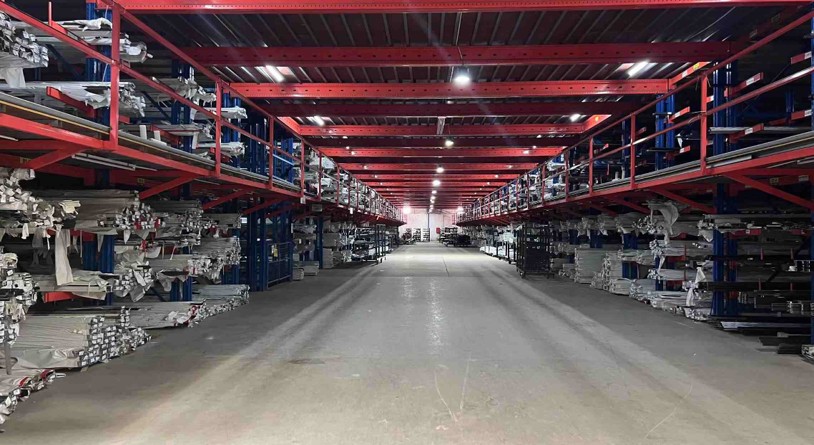 Raw Materials Inspection
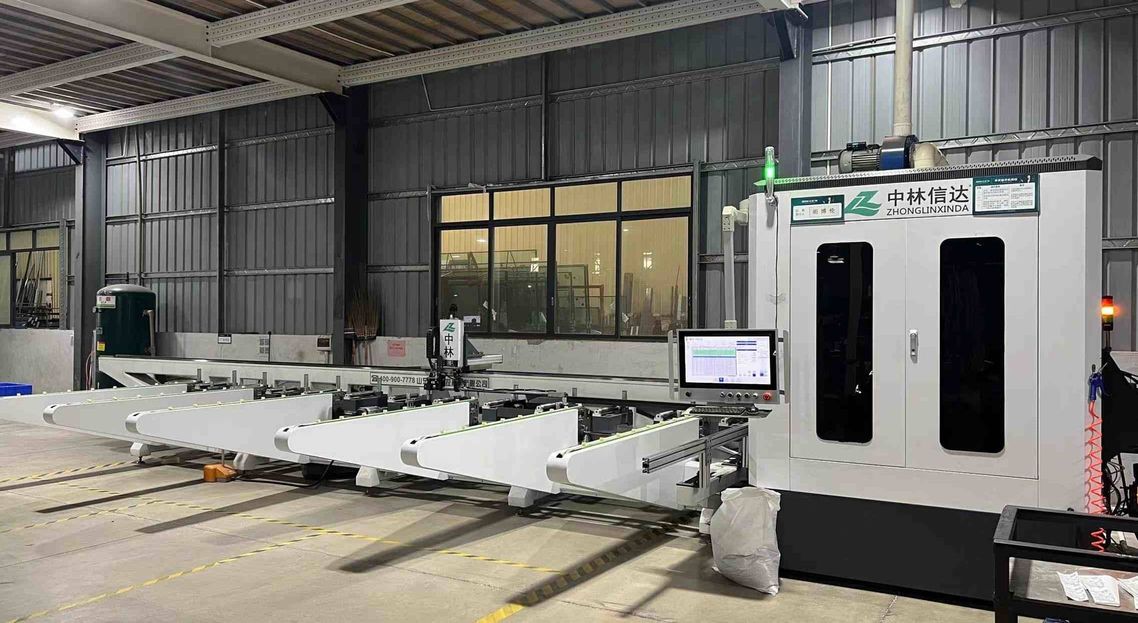 Precision CNC Cutting
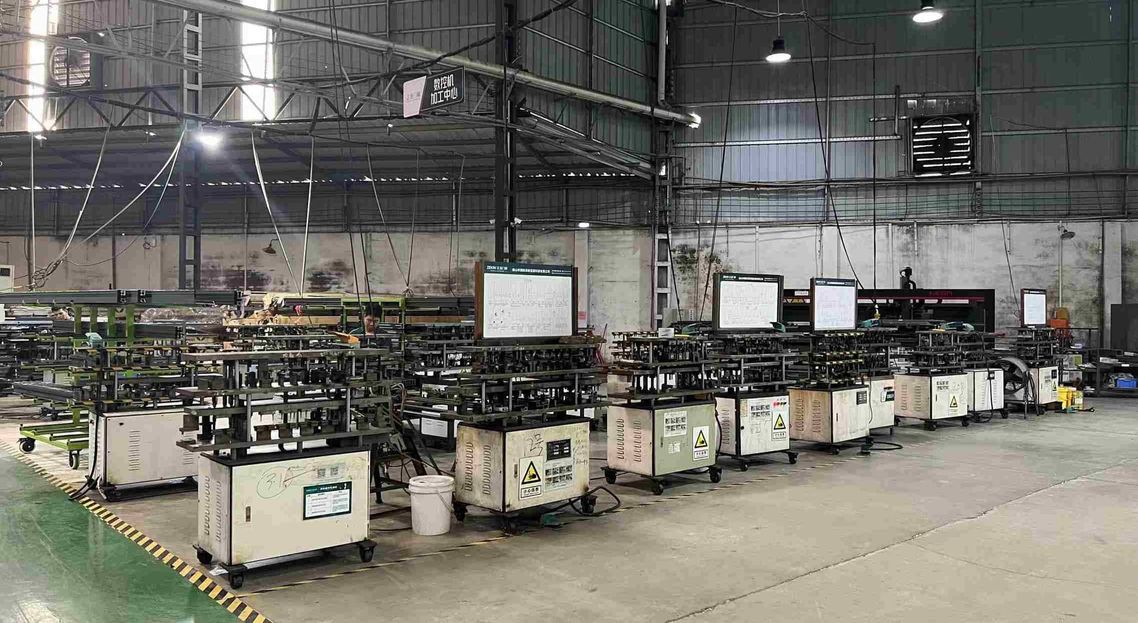 Structural Punching
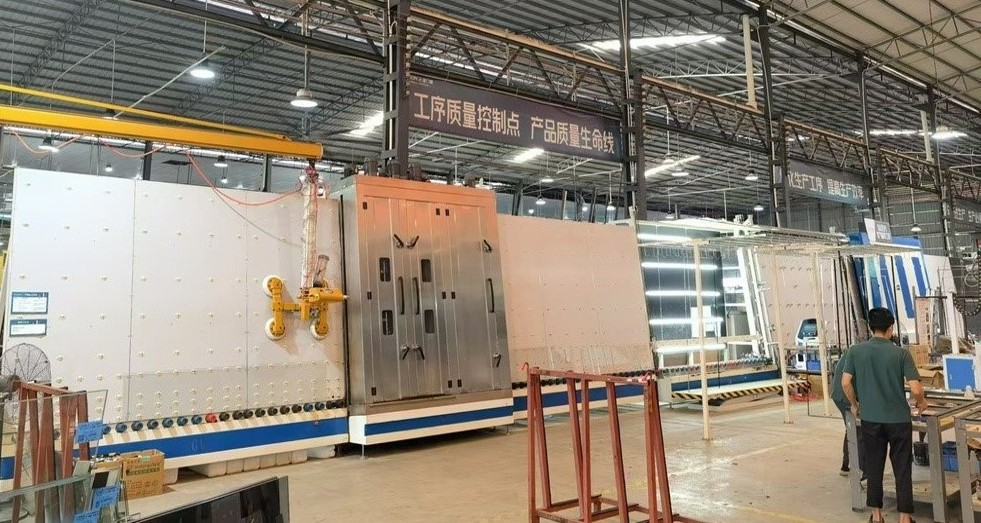 Hollow Processing
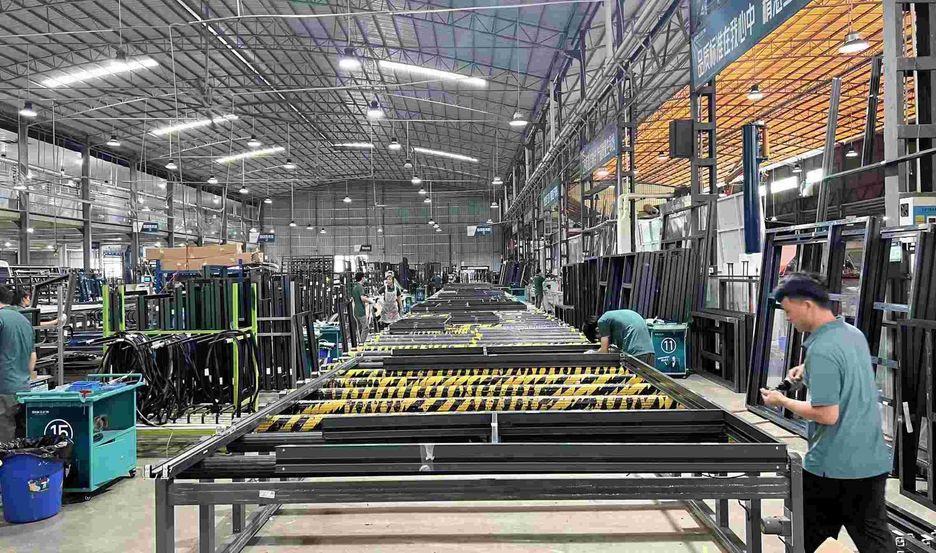 Automated Structural Gluing
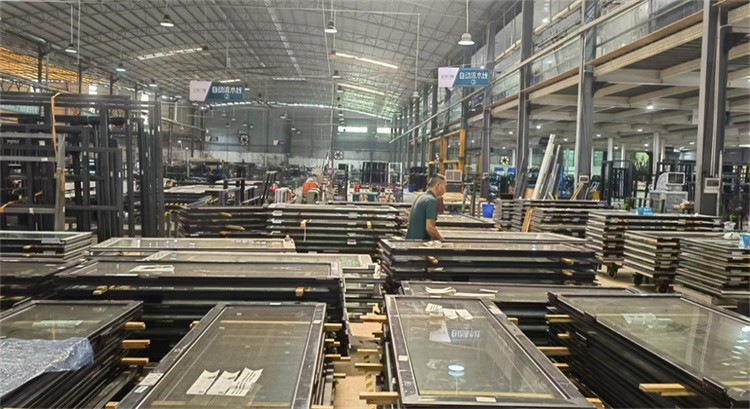 Precision Assembly
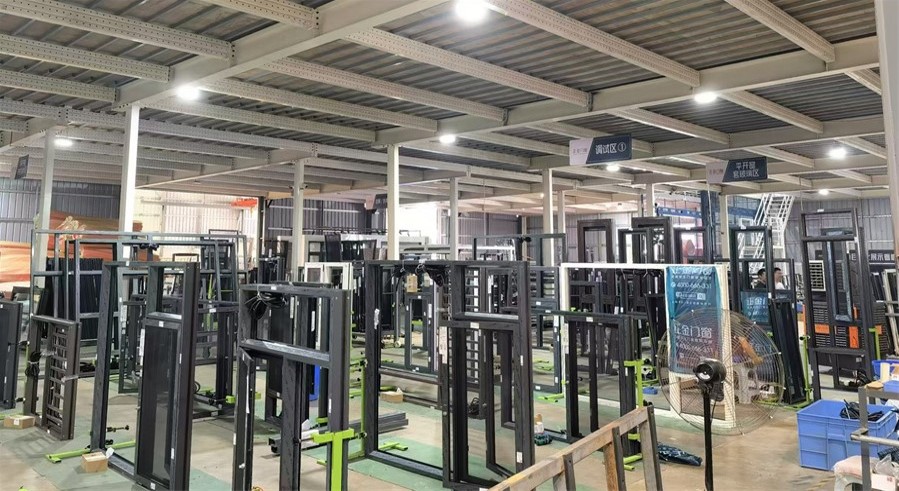 Hardware Debugging
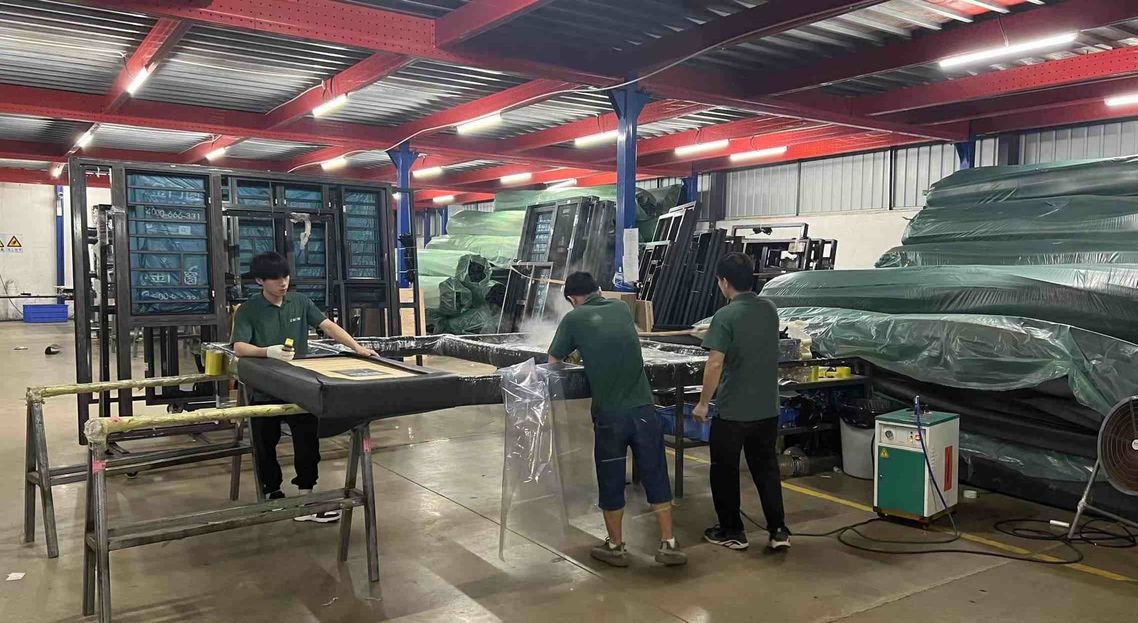 Export Packaging
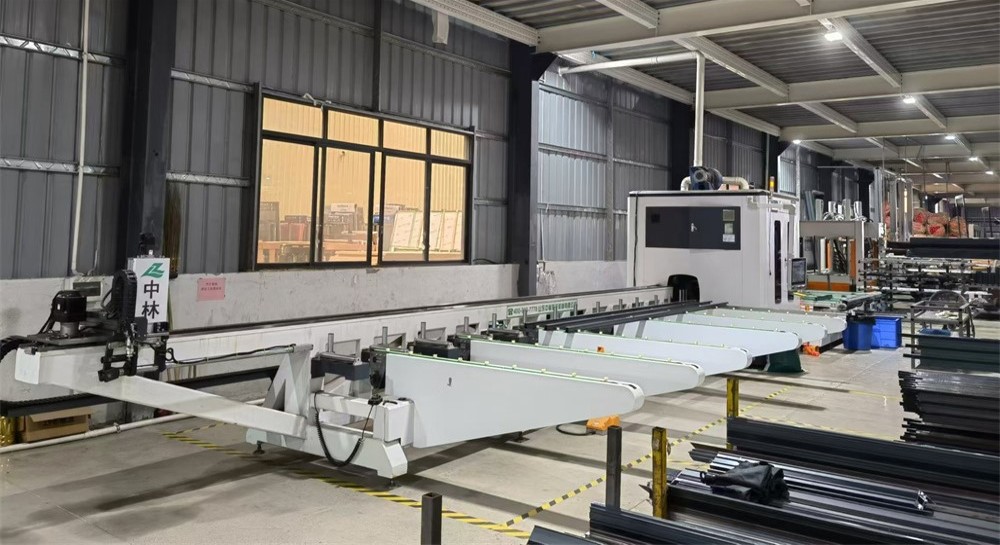 Laser Cutting Machine
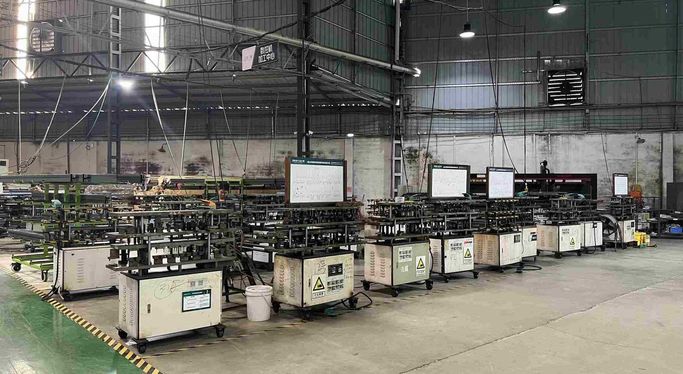 Punching Machine
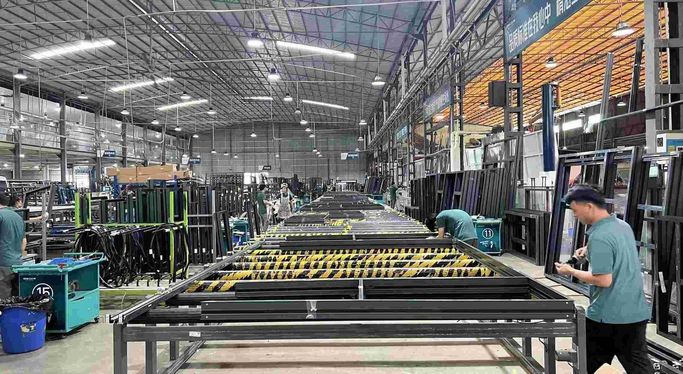 Automated Assembly Line
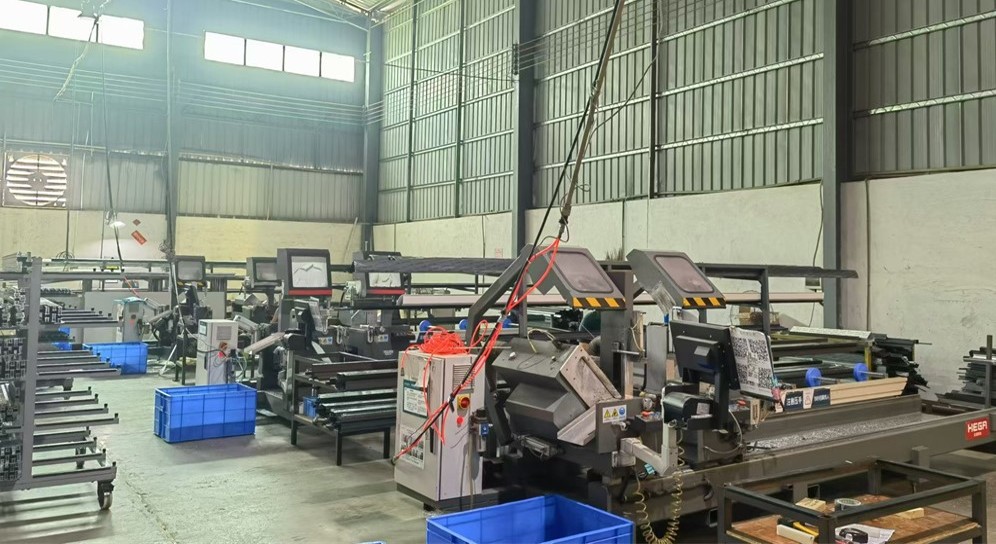 Double Head Sawing Machine
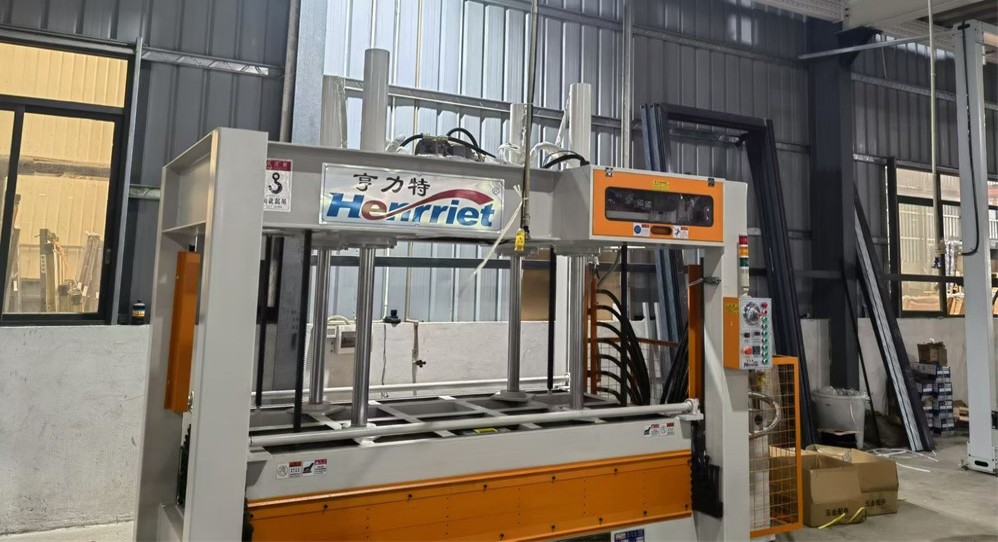 Pressing Machine
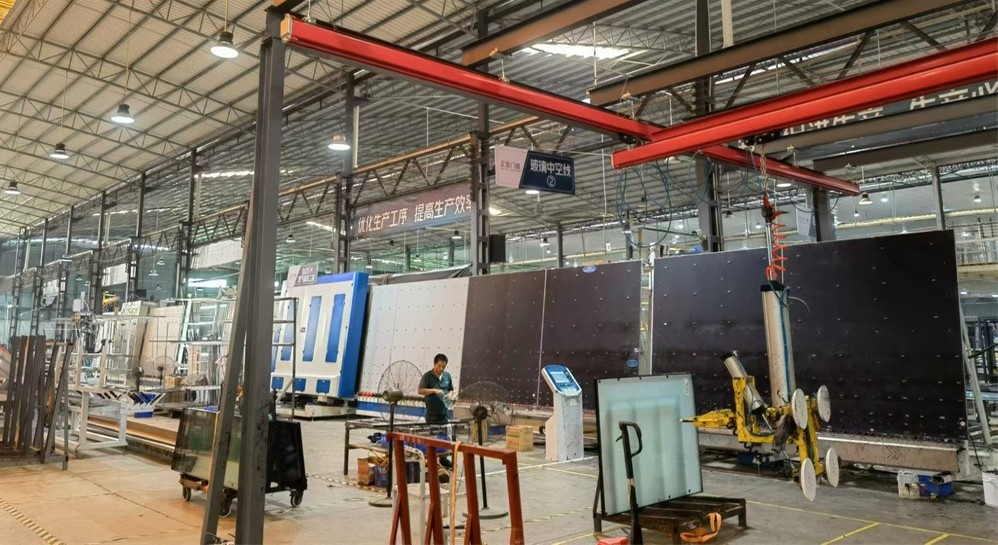 Insulated Glass Hollow Line
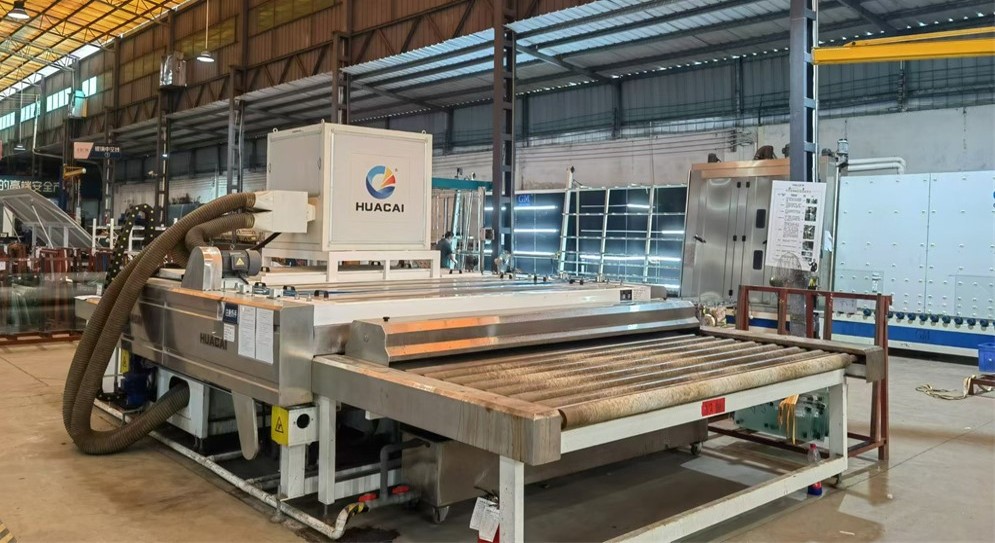 Glass Cleaning Machine
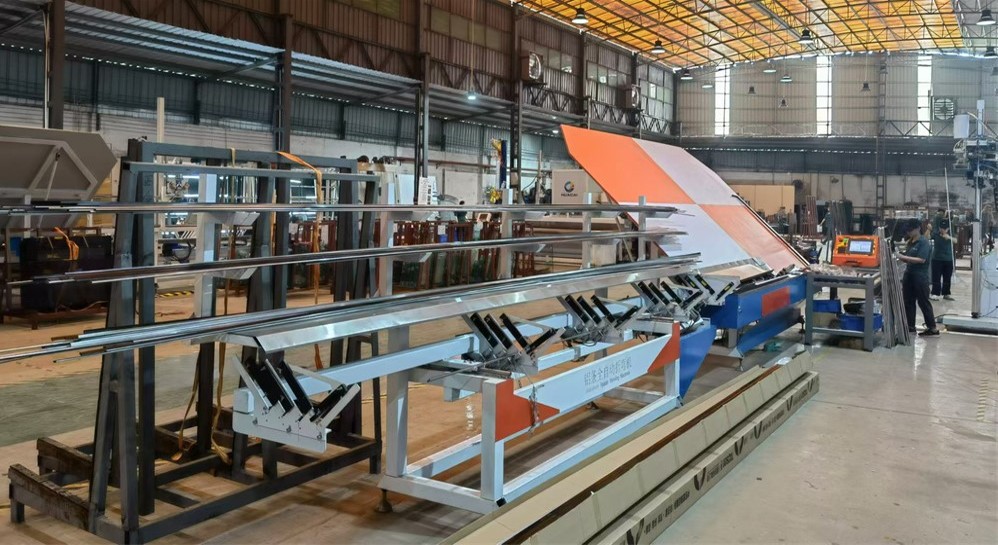 CNC Profile Bending Machine
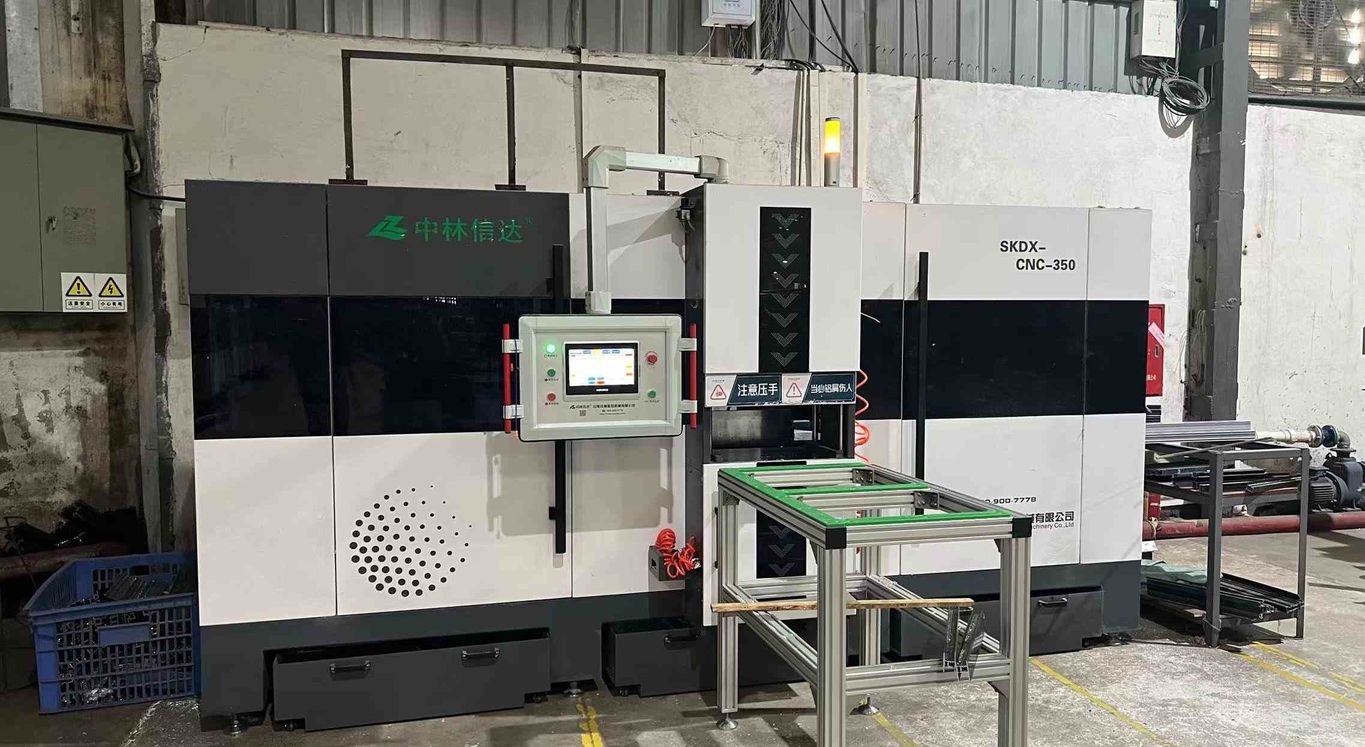 Automatic End Milling Machine
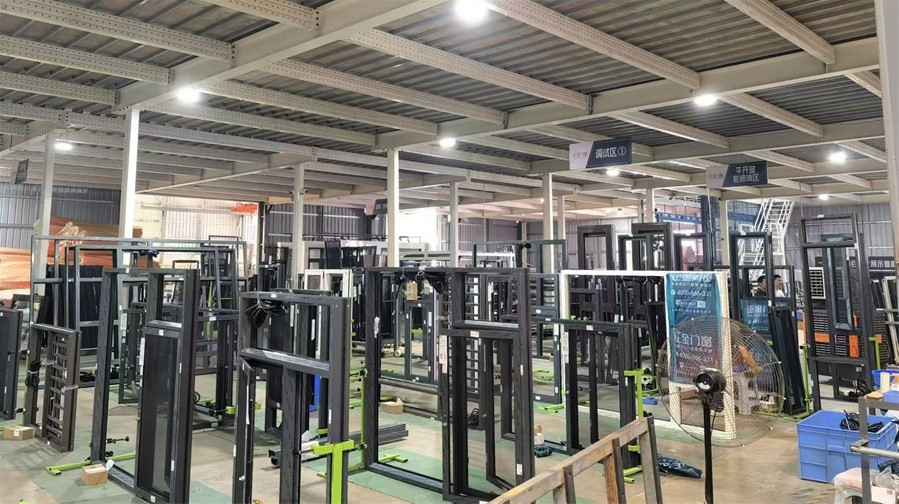 Final Quality Debugging
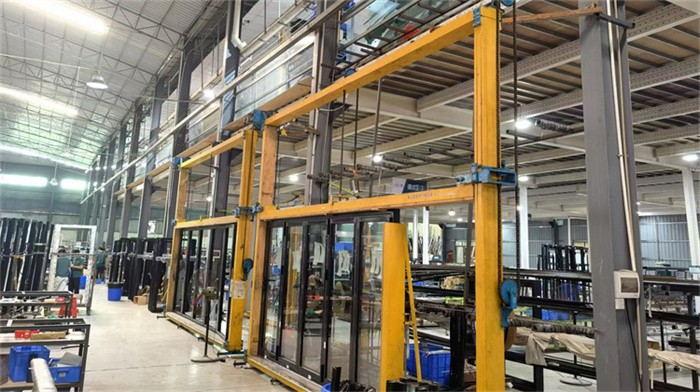 Frame Verification Debugging
Overcoming procurement friction for housing project contractors, commercial developers, and regional importers through engineered compliance and turnkey OEM services.
Navigating cross-border building codes is a major risk in international project procurement. Veridor products hold complete certification packages including NFRC thermal ratings, Florida Miami-Dade NOA hurricane impact approvals, California Title 24 energy compliance, and Australian AS2047 standard validation. Detailed engineering calculations and shop drawings are provided prior to fabrication.
Window failure is almost always hardware failure. We partner with world-renowned hardware manufacturers including Siegenia, HOPPE, and Truth Hardware, as well as premium domestic multi-point lock systems. Rigorous cyclic endurance tests (exceeding 25,000 opening/closing cycles) guarantee long-term operation without sash sag or latch misalignment.
Transoceanic transport risks transit damage and glass seal degradation. Veridor utilizes fully enclosed wooden crates with integrated shock-absorbing foam corner caps, desiccant packs inside sealed plastic wrapping, and steel-strapped container loading protocols to ensure zero damage upon site arrival.
Pioneering future-proof technologies to meet zero-carbon building initiatives and smart home automation trends.
Veridor’s R&D team is engineering next-generation ultra-slim casement sashes designed to accommodate 8.3mm Vacuum Insulating Glass. Delivering thermal performance equivalent to solid brick walls (U-factor < 0.10 BTU/hr·ft²·°F), VIG technology will drastically cut building operational carbon footprints.
Integrating concealed chain actuators with IoT indoor air quality (IAQ) sensors allows casement sashes to automatically adjust for optimal natural ventilation based on ambient CO2, humidity, and temperature levels, interfacing directly with KNX and BACnet building management systems.
Building-Integrated Photovoltaics (BIPV) are being incorporated into top-fixed transoms and spandrel glass zones within casement frame setups, converting architectural building facades into active power-generating assets without compromising daylight transmission.
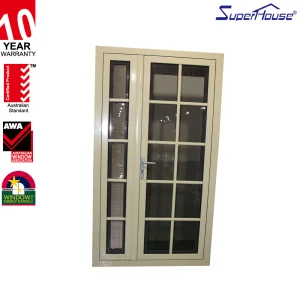
Commercial architectural swing doors, sliding windows, and project-customized certified aluminum casement systems.
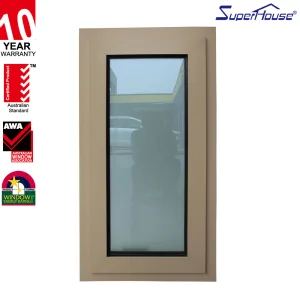
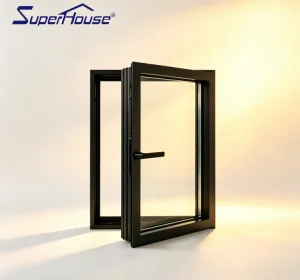
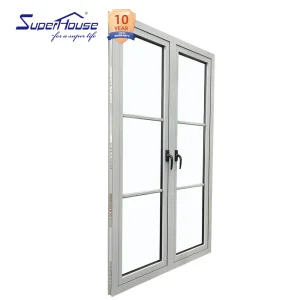
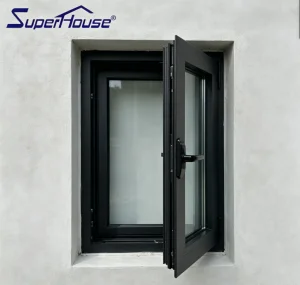
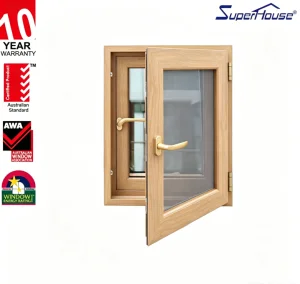
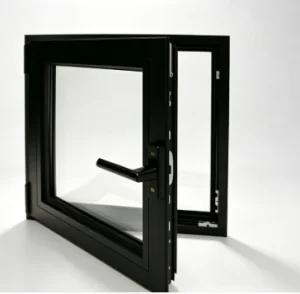
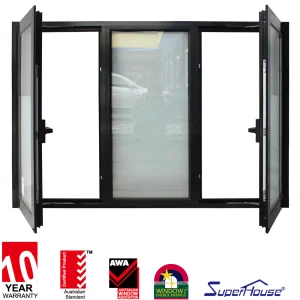
In-depth answers addressing architectural specifications, performance certifications, engineering options, and international shipping protocols.
Standard aluminum is highly conductive, allowing thermal energy to pass easily between interior and exterior spaces. Thermal break casement windows incorporate a structural polyacrylamide barrier (PA66 GF25) between the outer and inner aluminum profile sections. This non-conductive barrier reduces heat conductivity by up to 600 times compared to solid aluminum, lowering overall window U-factors down to 0.21 BTU/hr·ft²·°F and preventing condensation formation in cold climates.
Our fenestration lines undergo rigorous third-party laboratory testing. For North America, we provide NFRC (National Fenestration Rating Council) energy certification for U-Factor and Solar Heat Gain Coefficient (SHGC), AAMA (American Architectural Manufacturers Association) structural standards, California Title 24 compliance verification, and Florida Miami-Dade County NOA (Notice of Acceptance) for High-Velocity Hurricane Zones (HVHZ).
Yes. We apply AAMA 2605-compliant 70% PVDF (Fluoropolymer) coatings or anodized treatments up to 25 microns thick. These coatings pass 4,000-hour salt-spray tests without chalking or color degradation, making them suitable for coastal villas and oceanfront commercial developments.
For sound attenuation reaching STC 40+ dB, we recommend asymmetric double-glazed insulating units with PVB laminated glass. A typical high-performance specification includes 6mm exterior tempered glass + 12mm Argon gas space + 6.38mm (3mm + 0.38mm PVB + 3mm) interior laminated glass. The varying glass thicknesses disrupt sound waves across different frequency bands.
Veridor employs 22 full-time QC inspectors operating under ISO 9001 protocols. Quality checks occur at 5 key stages: raw aluminum alloy spectral composition testing, extrusion dimension tolerance verification, surface finish adhesion cross-hatch testing, insulating glass seal integrity checks, and 100% pre-shipment frame squareness and hardware debugging.
We offer top-tier European hardware configurations including German Siegenia, HOPPE handles, and GU system components, alongside heavy-duty American Truth Hardware operator systems. All multi-point locking hardware is fabricated from 304 stainless steel and heavy-duty zinc alloys to resist corrosion and forced entry.
Standard custom production lead times are 25 to 35 days upon shop drawing approval and deposit receipt. For standard extrusion profiles, our minimum order quantity is flexible (as low as 20 sets for residential projects), while custom extrusion die setups require an initial volume threshold that can be discussed with our engineering sales staff.
Products are sealed in protective plastic films with corner guards, packed inside fully enclosed fumigated plywood crates (ISPM 15 certified), and secured using interior tensioning straps. Crates are loaded into ocean containers using specialized forklift ramps and locked with steel bracing to prevent movement during transit.
Yes. Profiles can be pre-milled and wired for concealed 24V DC chain actuators, electric latch locks, and magnetic position sensors. These integrate directly into smart home hubs, fire alarm smoke exhaust systems, or automated HVAC controls.
Veridor provides a comprehensive 10-year structural frame and glass seal warranty, alongside a 5-year replacement warranty on all moving hardware components. Replacement parts and hardware accessories are dispatched globally via express freight when required under warranty terms.
 Veridor