High-performance architectural entrance and glazing solutions certified for structural load, hurricane impact resistance, and energy efficiency.
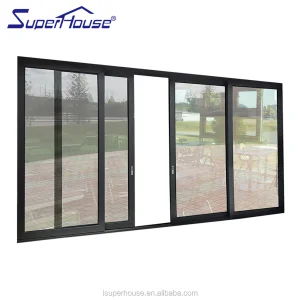
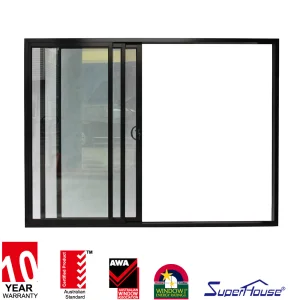
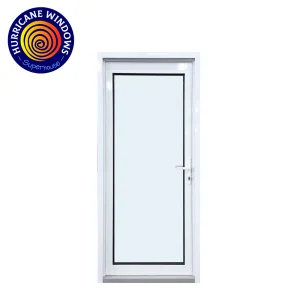
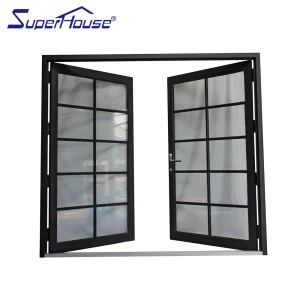
Macroeconomic structural shifts, decarbonization mandates, and high-performance architectural fenestration demands.
The global construction sector faces imperative transitions toward net-zero greenhouse gas emissions. Architectural aluminum door assemblies have evolved from passive structural barriers into engineered thermal envelopes. Modern commercial developments demand U-factors below 0.25 BTU/h·ft²·°F and Solar Heat Gain Coefficients (SHGC) tailored to hyper-specific microclimates. Thermally broken extruded 6063-T6 aluminum profiles, augmented with high-density polyamide (PA66) structural insulation strips, now dictate institutional procurement standards across North America, Europe, and Asia-Pacific.
As global coastal regions experience intensified storm activity, demand for coastal-grade, structural impact doors has escalated exponentially. Municipal building codes—such as Florida’s High Velocity Hurricane Zone (HVHZ) requirements and Miami-Dade County Protocols (TAS 201/202/203)—are increasingly adopted globally. Suppliers must provide door systems engineered with heavy-gauge aluminum walls, multi-point lock hardware, and structural silicone glazing (SSG) to withstand wind loads exceeding 90 PST (Pounds per Square Foot) and large-missile impact forces.
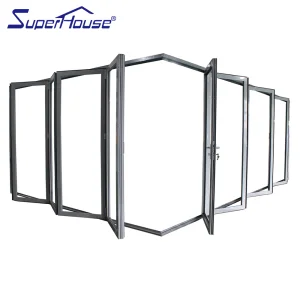
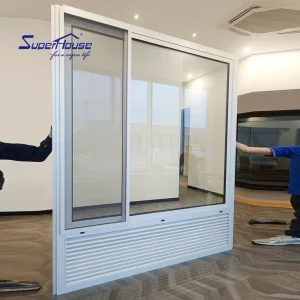
Contemporary architectural trends favor ultra-slim sightlines, expansive glazing panes, and floor-to-ceiling panoramic sliding systems. To achieve structural stability under massive glass dead loads (up to 400 kg per panel), door manufacturers must utilize high-tensile aluminum alloys (such as 6061-T6 and 6063-T5) paired with precision stainless steel multi-wheel roller carriages. Modern slim-frame systems seamlessly blend aesthetic minimalism with uncompromised acoustic damping (STC up to 45 dB) and air-tightness ratings.
Deep dive into material specifications, structural thermal breaks, fluorocarbon coatings, and glazing science.
Aluminum door manufacturing relies heavily on architectural-grade extrusions. Alloy 6063-T6 provides superior surface finish options and high tensile yield strength (approx. 214 MPa), ideal for complex profile shapes and precise interlocking weather seals. For structural storefronts and extreme structural spans, Alloy 6061-T6 offers ultimate yield strengths up to 276 MPa, resisting excessive wind deflection in high-rise applications.
To eliminate aluminum's natural thermal conductivity (approx. 200 W/m·K), modern export-grade profile systems utilize low-conductivity polyamide (PA66 GF25) thermal breaks (conductivity ~0.3 W/m·K). Reinforced with 25% fiberglass, these multi-chambered thermal barriers prevent thermal bridging, mitigate internal condensation, and improve system U-values to energy-efficiency benchmarks (U ≤ 1.4 W/m²K).
Surface durability in harsh coastal or industrial environments requires stringent coating standards. Compliance with AAMA 2605 mandates 70% Fluoropolymer (PVDF) resin systems capable of enduring over 4,000 hours of salt spray exposure (ASTM B117) and 10 years of South Florida weathering without chalking, color fading, or film adhesion degradation.
Enterprise capacity, operational metrics, and strict quality control standards for global commercial export.
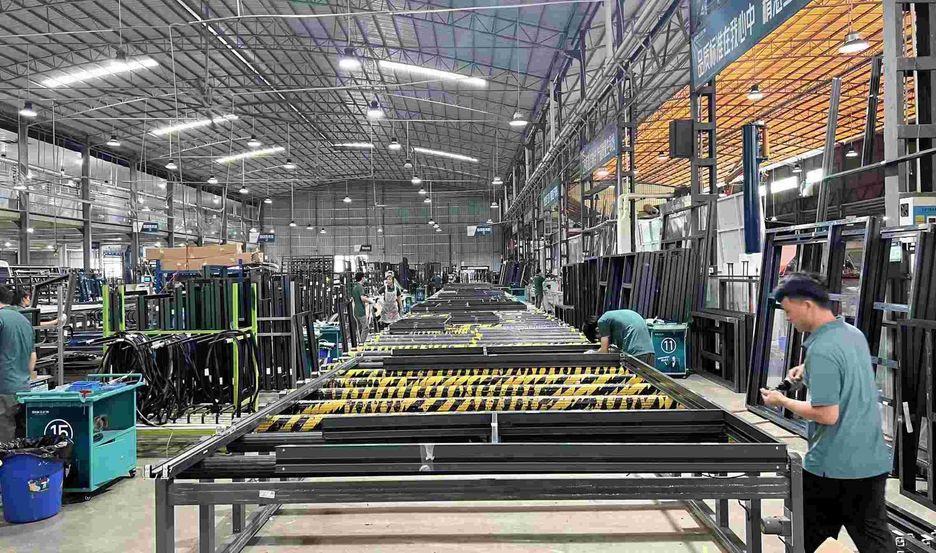
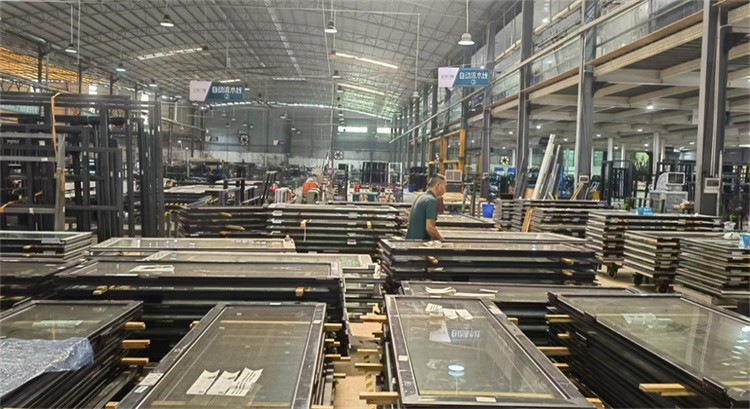
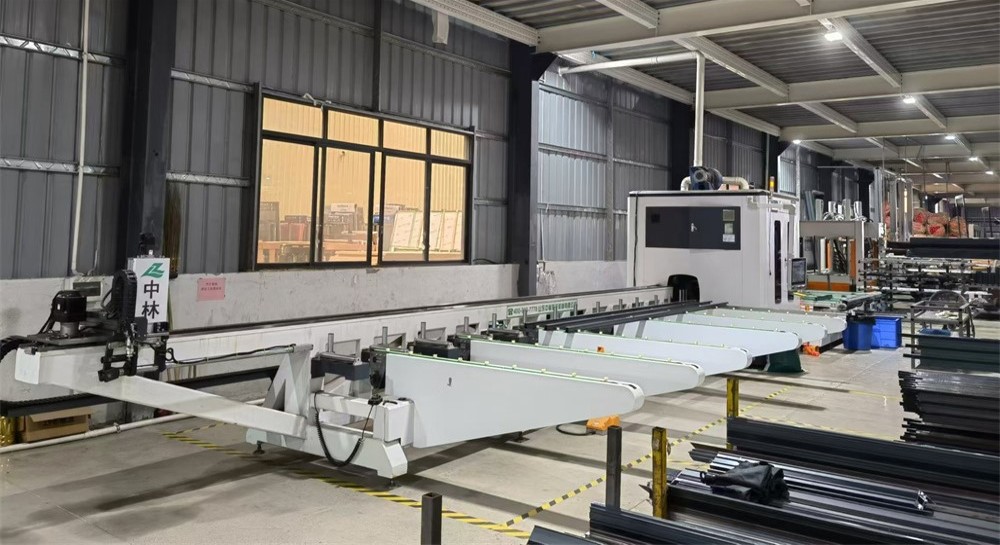
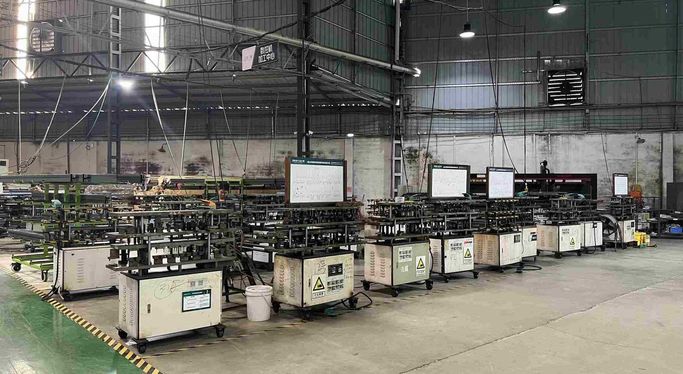
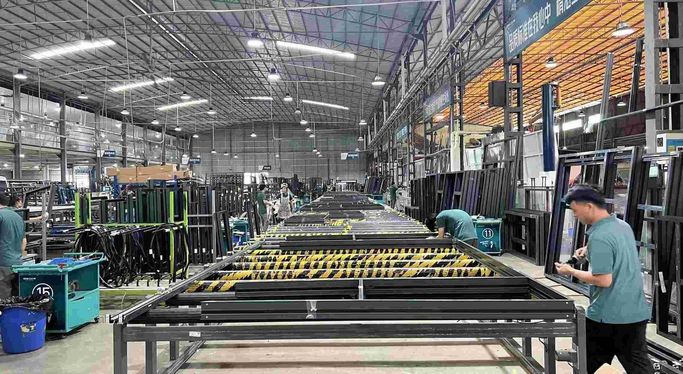
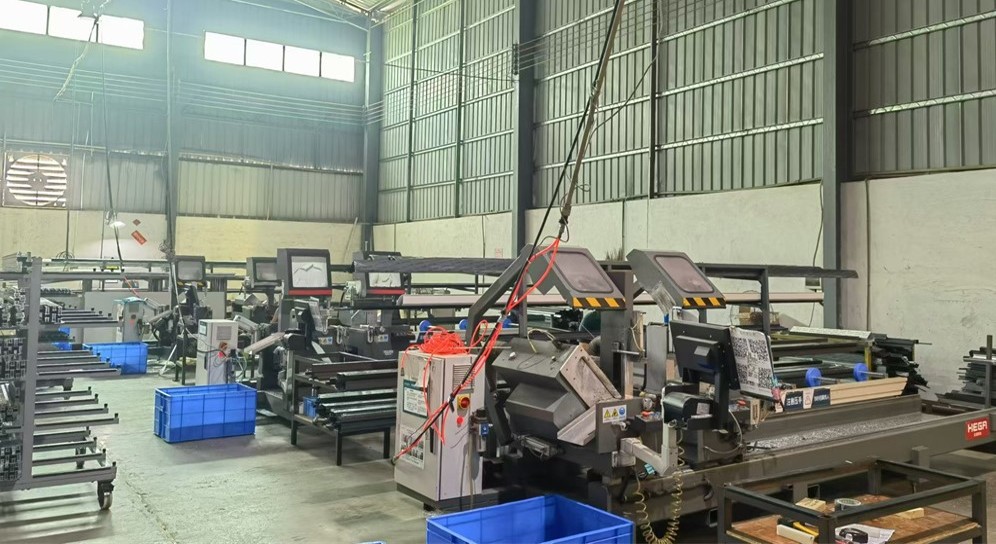
Established in 2013, Veridor Door Technologies Co., Ltd. operates a streamlined 19,000 m² smart manufacturing production hub dedicated to contemporary architectural residential entry doors, commercial storefront systems, and extreme-performance window assemblies. With 11 years of dedicated industry experience and 5 years of active global trade integration, the firm generates over $11 million in annual export revenue, catering directly to door importers, commercial housing contractors, structural engineers, and wholesale building material distributors across Oceania, Southeast Asia, North America, and the Caribbean.
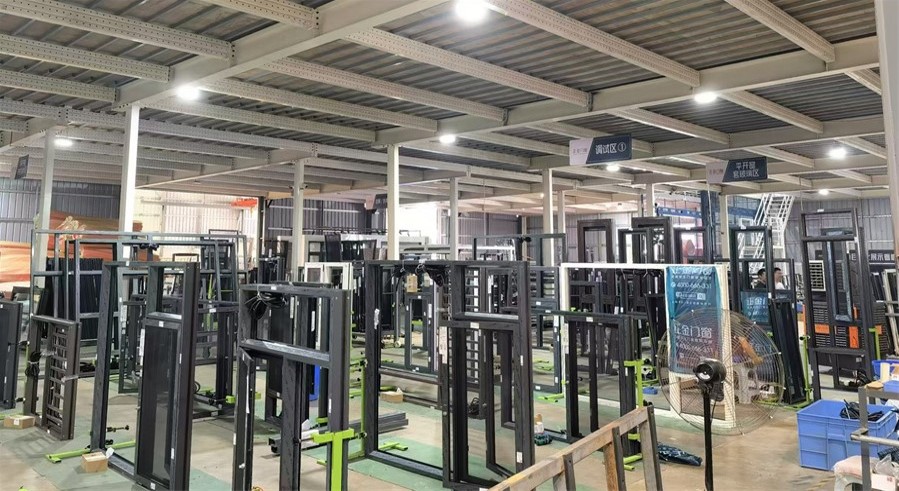
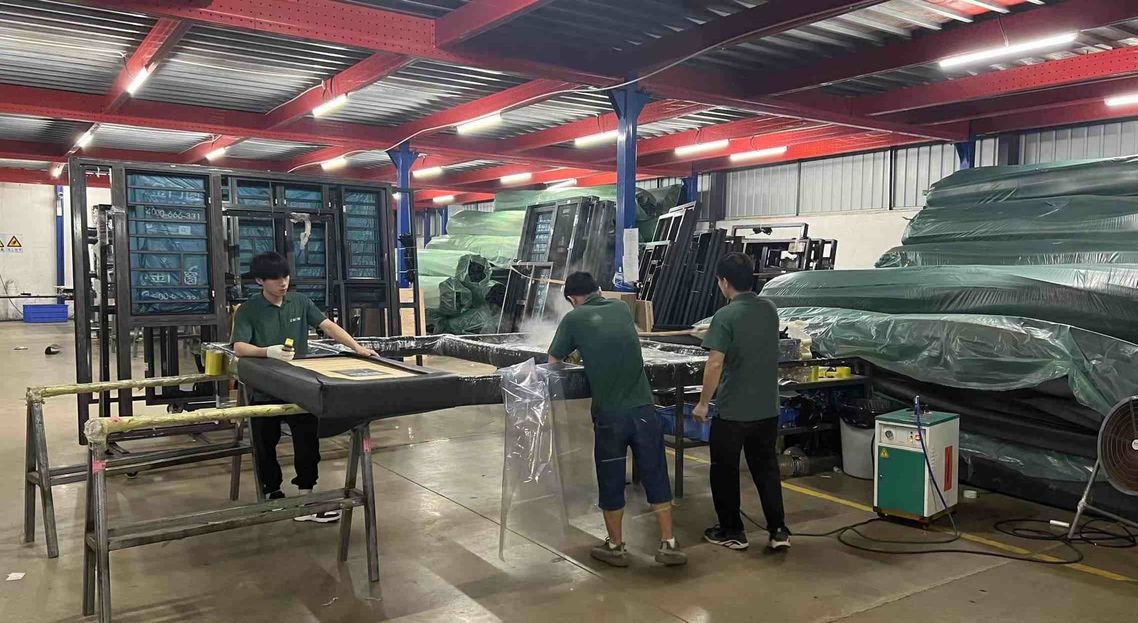
Veridor maintains strategic partnerships with over 480 vetted hardware, extrusion, and glass processing suppliers to guarantee uncompromised structural precision. A specialized quality control team consisting of 22 senior inspectors executes rigid IP65 weather-seal checks, cross-hatch coating adhesion testing (ASTM D3359), air/water pressure chamber diagnostics, and hands-on assembly alignment audits. Guided by international architectural movements, Veridor's 28 R&D engineers successfully released 65 new high-performance entry door systems last year alone. Core OEM/ODM capabilities encompass custom relief paneling, smart biometrical lock integrations, thermally isolated frame profiles, and specialized marine-grade anti-scratch surface coatings.
End-to-end quality oversight from raw aluminum billit inspection to automated CNC processing and robotic assembly.
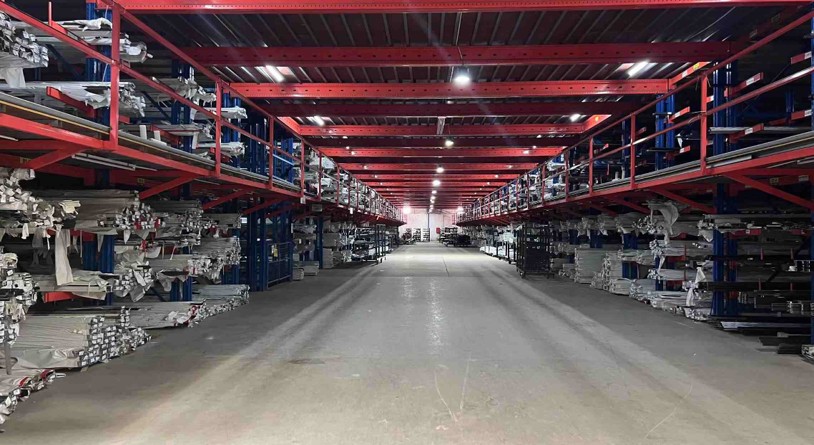
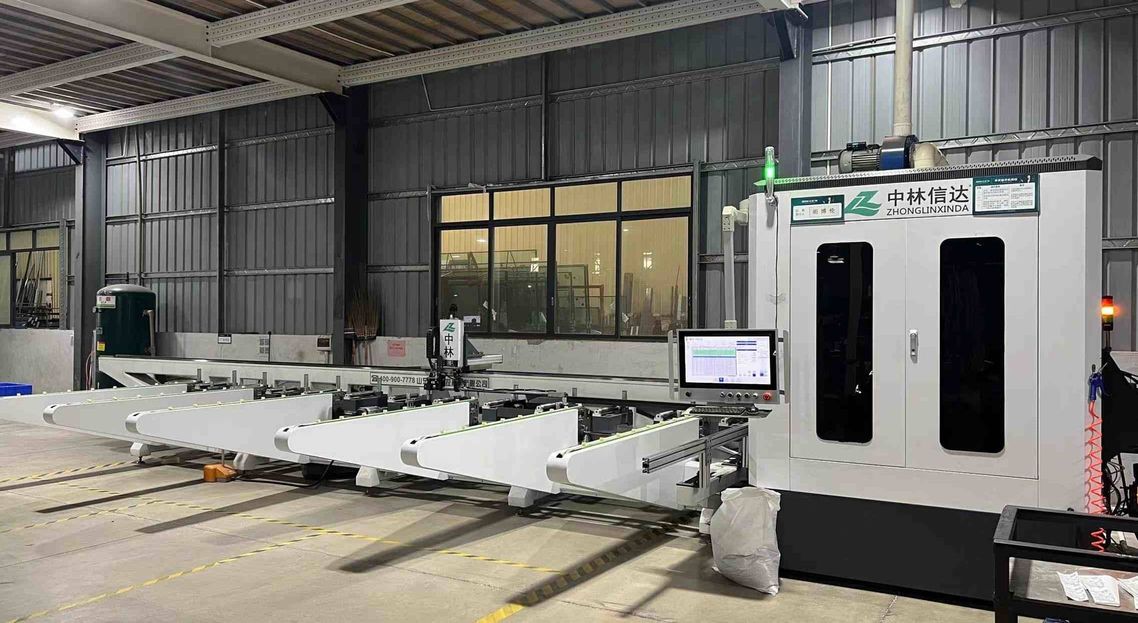
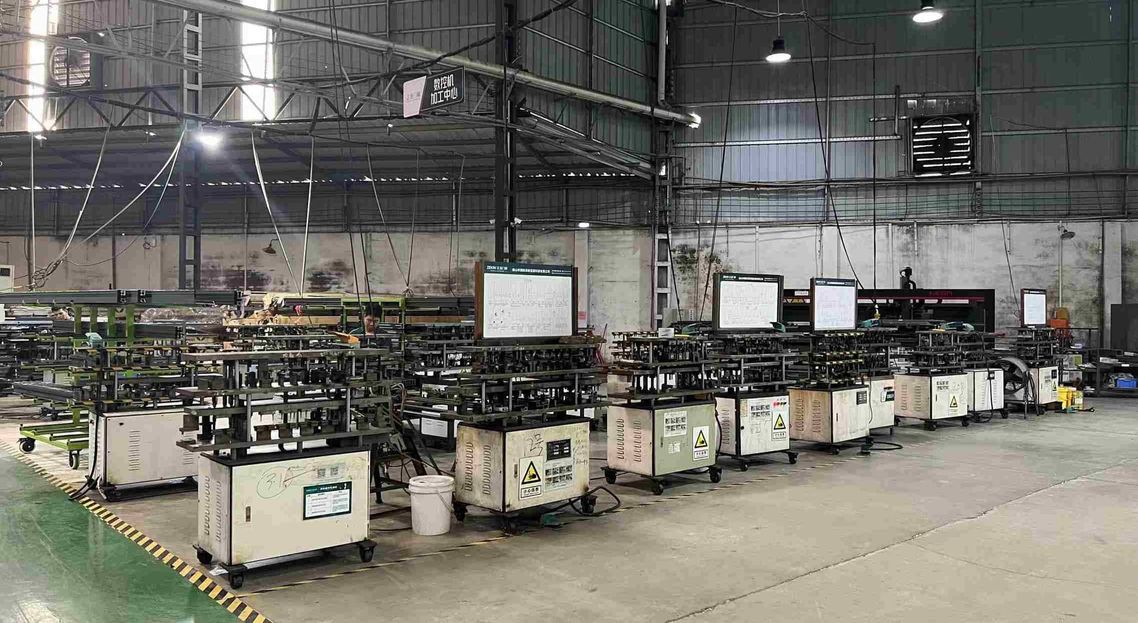
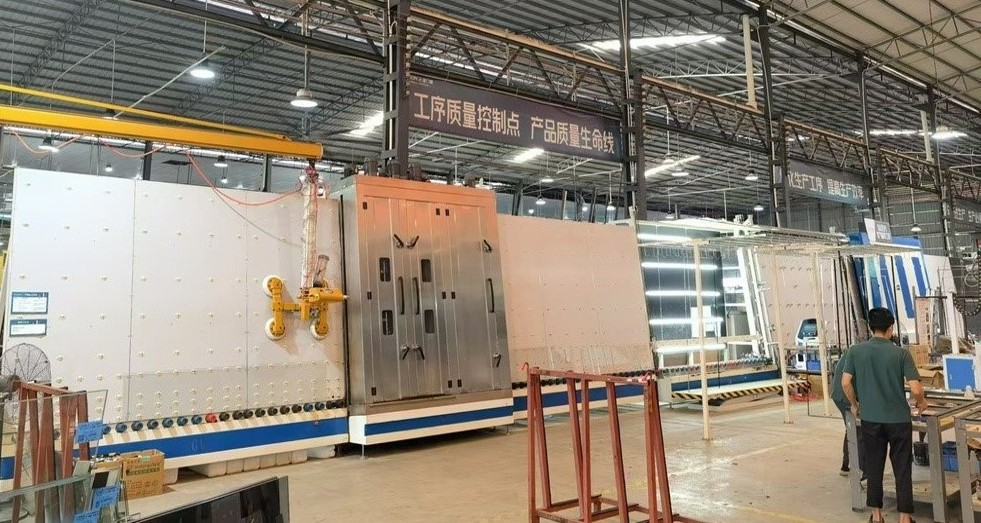
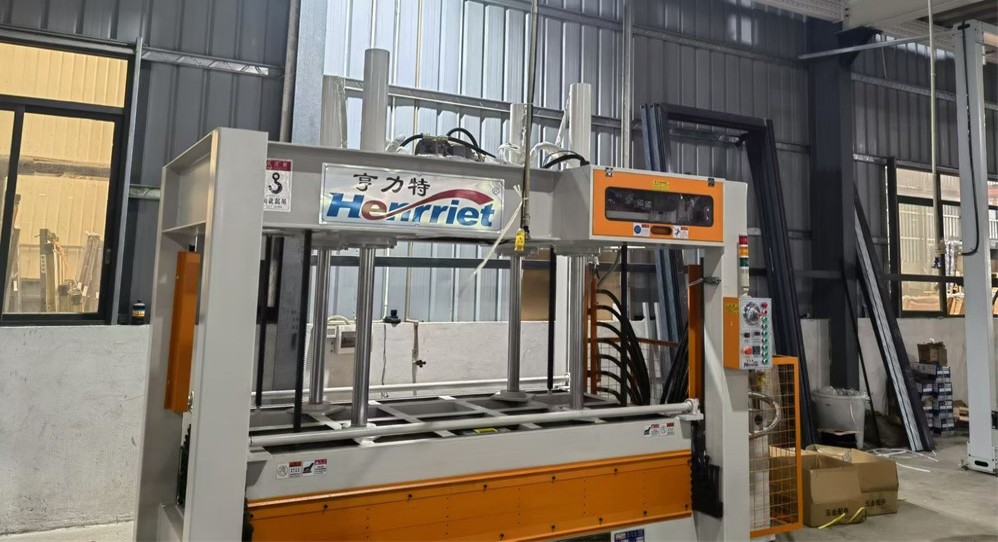
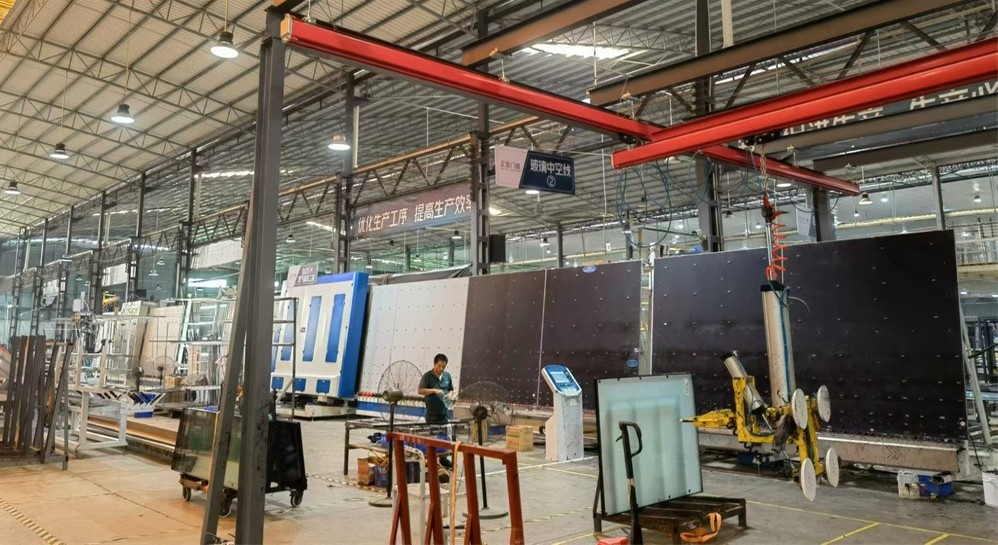
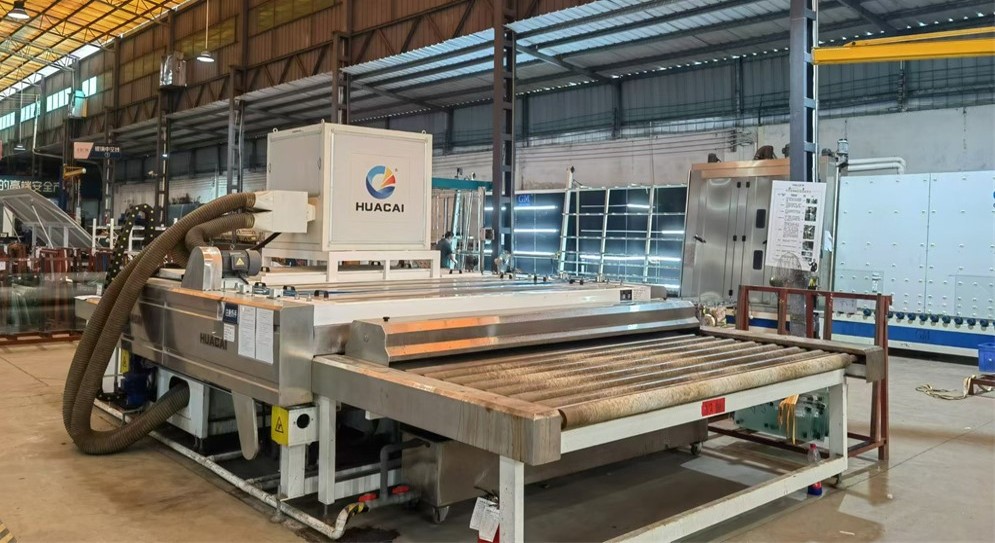
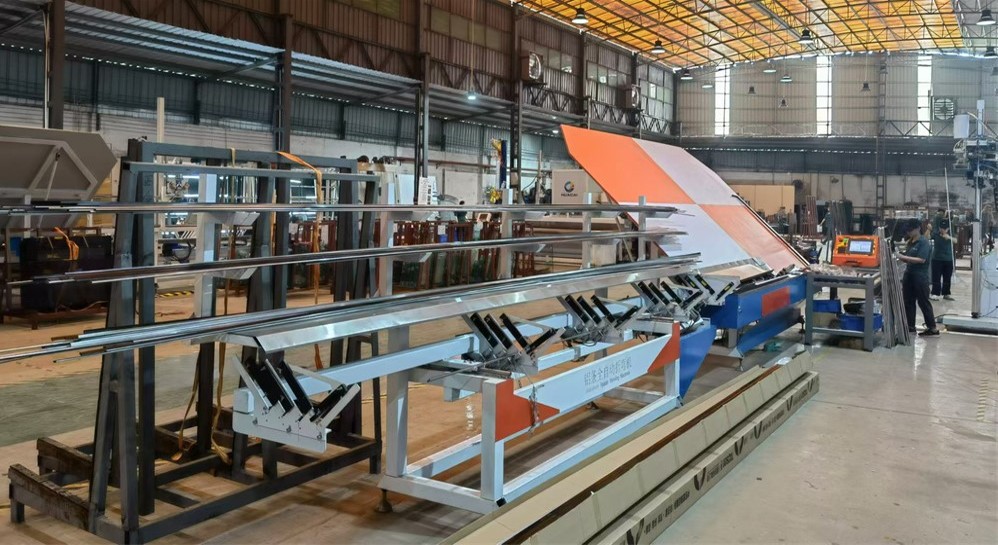
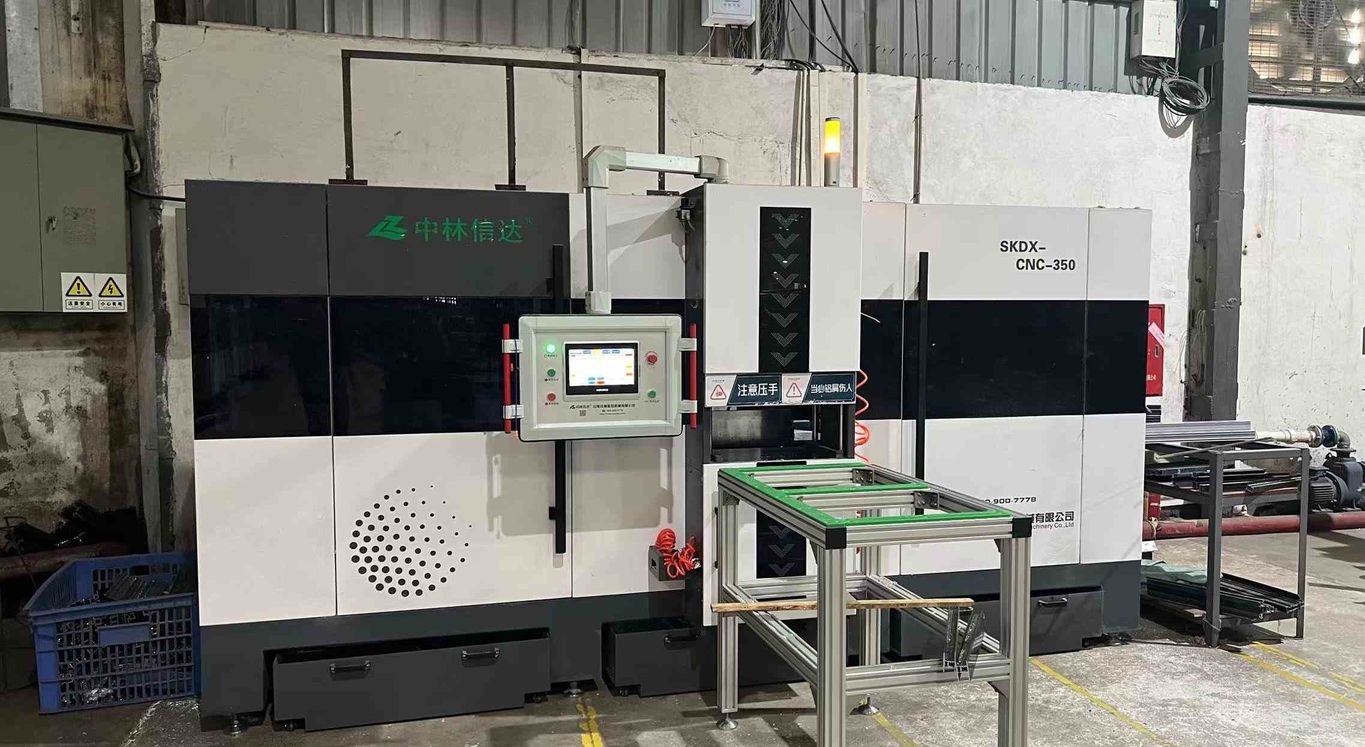
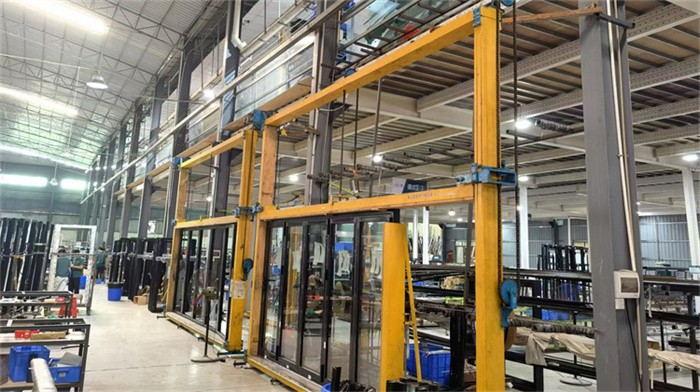
Custom engineering solutions tailored to regional environmental stress factors and commercial usage profiles.
Projects located in coastal hurricane belts require door systems with certified Notice of Acceptance (NOA) compliance. Veridor installs SGP (SentryGlas® Interlayer) laminated safety glass combined with heavy-gauge 6063-T6 aluminum reinforced extrusions. Integrated structural silicone glazing prevents glass detachment during severe pressure cycles (+/- 90 PSF), while marine-grade anodized or AAMA 2605 powder coatings resist aggressive salt-air corrosion.
For cold climates, thermal insulation is critical to minimize heating loads and eliminate interior frost accumulation. Veridor's ultra-thermal doors feature 34mm wide polyamide insulating strips, triple-pane Low-E glass units filled with 90% Argon gas, and warm-edge TGI spacers. This structural configuration achieves U-values down to 0.18 BTU/h·ft²·°F, satisfying strict NFRC and ENERGY STAR® northern requirements.
Commercial entrance points require high mechanical durability, smooth operation, and fire safety ratings. Veridor manufactures heavy-duty commercial stacker, lift-and-slide, and automatic casement doors equipped with European multi-point lock hardware, concealed floor springs, and heavy-load stainless steel rollers tested up to 200,000 open/close cycles without mechanical failure.
Direct engineering answers regarding structural testing, international compliance, and manufacturing lead times.
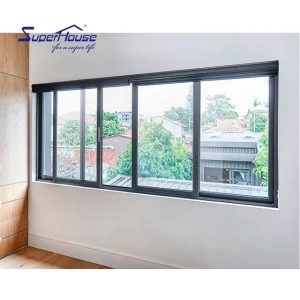
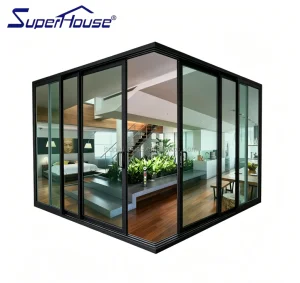
Explore specialized architectural profiles including thermal break stackers, security entry doors, and heavy-duty garage assemblies.
 Veridor