Engineered for extreme hurricane zones, energy-efficient residential complexes, and luxury commercial projects worldwide.
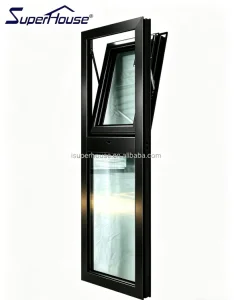
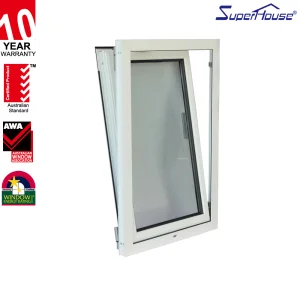
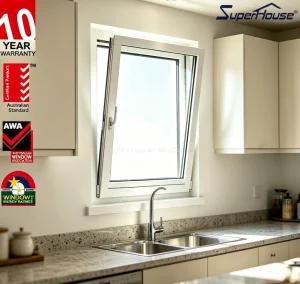
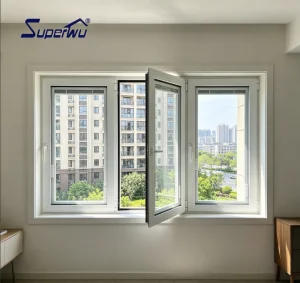
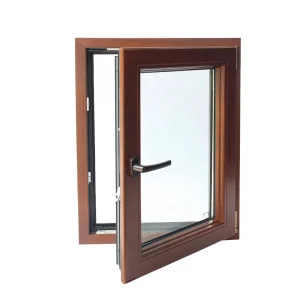
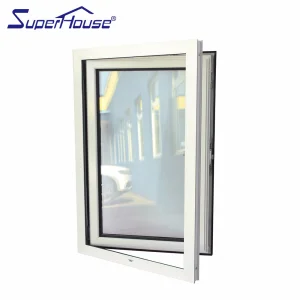
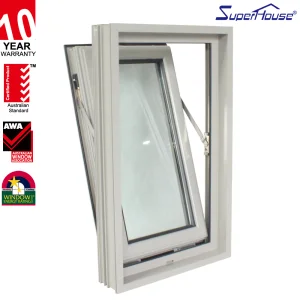
Analyzing structural thermal breaks, multi-point hardware mechanics, and acoustic isolation benchmarks for modern high-performance fenestration systems.
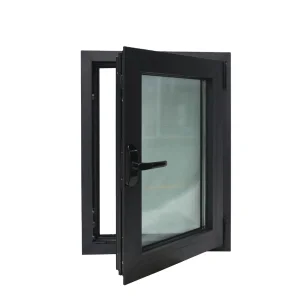
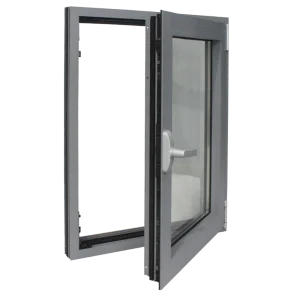
Tilt & Turn windows utilize a dual-function mechanism originating from European architectural engineering. By turning the handle 90 degrees, the sash swings inward like a standard casement window for maximum ventilation and easy interior cleaning. A 180-degree turn tilts the top of the sash inward, creating a top-ventilation aperture that permits continuous air exchange while maintaining burglar protection and rain resistance.
Modern fenestration relies heavily on high-density Polyamide (PA66 GF25) thermal barrier strips inserted between inner and outer aluminum profiles. This multi-chamber extrusion design eliminates thermal bridging, significantly reducing overall frame U-factors down to 0.18 BTU/hr·ft²·°F, matching Passive House requirements for extreme climates across North America and Europe.
Unlike standard sliding or awning windows, tilt & turn fenestration features circumferential gear drives that lock the sash into the frame at multiple perimeter points simultaneously. This structural design provides superior resistance against forced entry, seismic movement, and high wind-load pressure spikes during hurricane events.
Combining advanced metallurgical processing, automated robotic assembly, and uncompromised cost efficiency for global enterprise procurement.
Chinese manufacturing hubs utilize top-grade primary aluminum billets to process precision 6063-T5 and T6 structural alloys. These extrusions exhibit superior tensile strength, wall-thickness uniformity, and corrosion resistance, serving as a structural foundation for high-load architectural curtain walls and heavy-duty tilt & turn units.
Factory export operations feature automated vertical powder coating lines and PPG/AkzoNobel certified fluorocarbon (PVDF) coating facilities. These surface treatments achieve AAMA 2605 and Akzo Nobel D2015 standards, ensuring 20+ years of color retention and salt-spray resistance in harsh coastal marine environments.
By integrating hardware production, glass processing (Low-E tempering, double/triple insulating glass unit fabrication), and profile extrusion within centralized manufacturing clusters, Chinese OEMs deliver customized fenestration solutions with up to 40% cost efficiency compared to North American and Western European domestic fabricators.
Comprehensive engineering parameters aligned with North American (AAMA/NFRC/Florida NOA) and European (CE/EN) standard specifications.
| Performance Characteristic | Test Standard / Certification | Achieved Engineering Value | Architectural Application Field |
|---|---|---|---|
| Thermal Transmittance (U-Factor) | NFRC 100 / EN ISO 10077-2 | 0.18 - 0.26 BTU/h·ft²·°F (1.0 - 1.5 W/m²K) | Passive Houses, Cold Climate Residential |
| Wind Pressure Resistance | ASTM E330 / AAMA 101 / Florida NOA | Design Pressure (DP) +70 to +100 PSF | Coastal Hurricane Zones, High-Rise Towers |
| Water Penetration Resistance | ASTM E547 / ASTM E331 | 750 Pa (15.6 PSF) Zero Leakage | Monsoon Coastal Regions & Extreme Storms |
| Acoustic Isolation (STC / OITC) | ASTM E90 / ISO 140-3 | STC 38 - STC 45 (Acoustic Laminated IGU) | Urban Commercial, Airport & Railway Vicinity |
| Air Infiltration Rate | ASTM E283 | < 0.04 cfm/ft² @ 1.57 psf | Net-Zero Carbon Footprint Buildings |
| Airborne Anti-Corrosion Coating | AAMA 2605 / Qualicoat Class 3 | 3000-Hour Salt Spray Testing Passed | Marine & Oceanfront Residential Properties |
Tailoring system design, thermal breaks, and structural glass to regional climate codes and building styles.
Compliant with NFRC, Title 24, and AAMA specifications. Features multi-chamber thermal breaks and double Low-E argon glass to minimize HVAC energy demand during severe winter cycles and high summer solar heat gain.
Specifically engineered with Florida HVHZ (High Velocity Hurricane Zone) NOA certification. Integrates heavy-wall extruded aluminum profiles with SGP laminated impact glass to withstand debris impacts during Category 5 hurricanes.
Tailored to NZS4211 and AS2047 codes. Employs thermal break technology designed to eliminate interior frame condensation while offering integrated stainless steel flyscreens tailored to coastal winds.
Implements ultra-narrow sightline framing with concealed heavy-duty hinges capable of supporting sash weights up to 180kg, achieving seamless architectural aesthetics combined with micro-tilt draft-free ventilation.
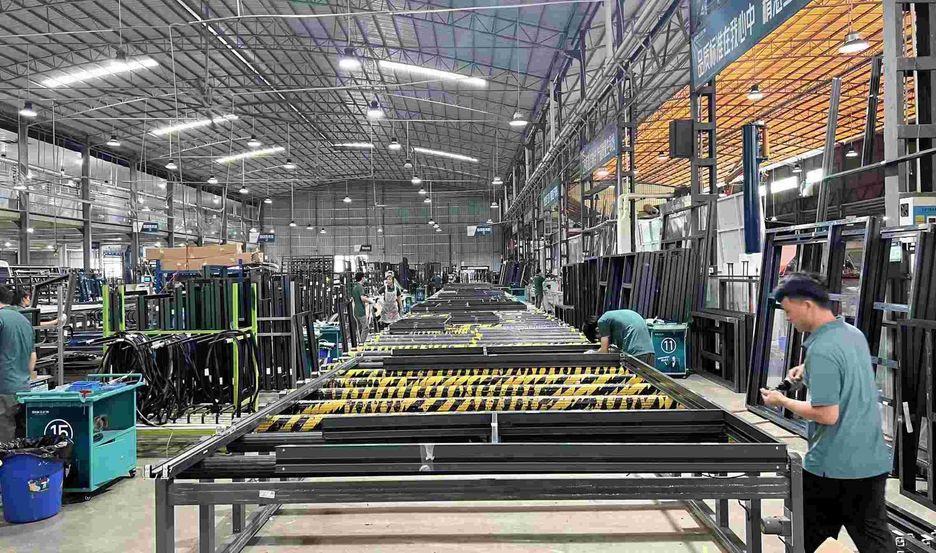
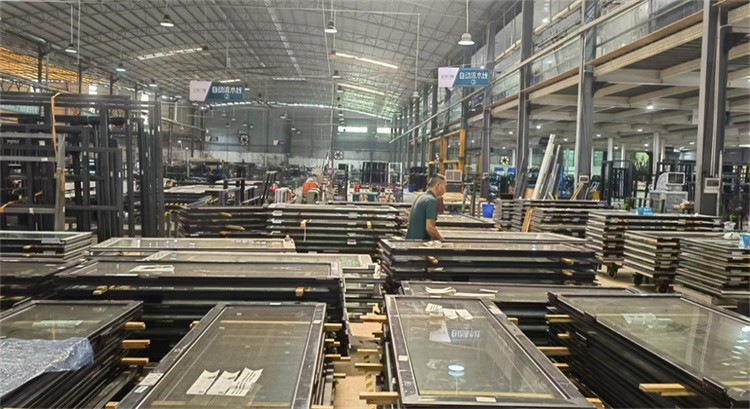
Established in 2013, Veridor Door Technologies Co., Ltd. operates a streamlined 19,000 m² modern manufacturing plant. With over 11 years of structural engineering expertise and 5 years of active global trade, Veridor exports over $11 million annually across Oceania, Southeast Asia, and North America.
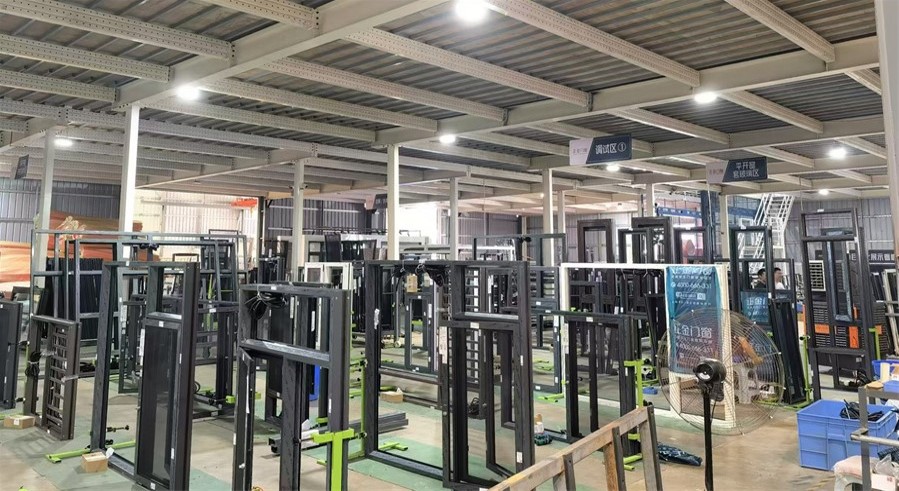
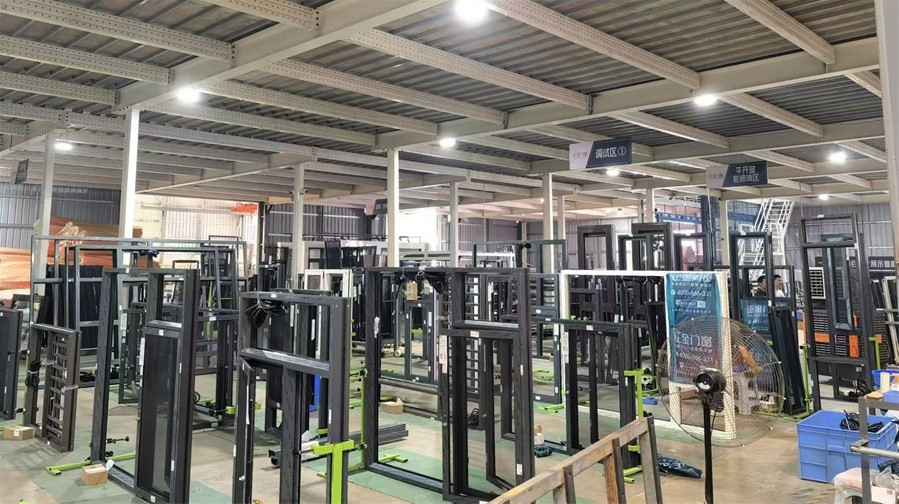
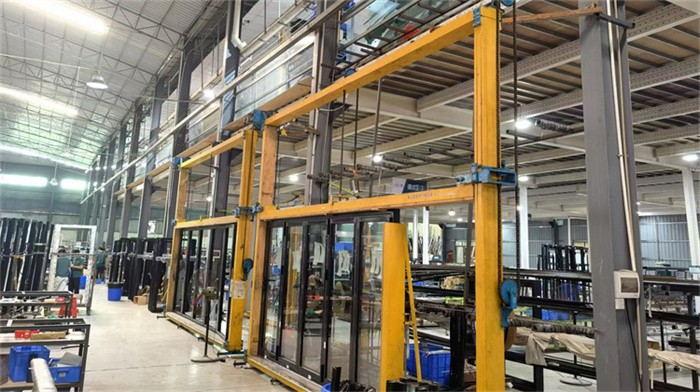
Veridor collaborates with over 480 vetted hardware and material suppliers worldwide to maintain exact tolerances. A dedicated quality control team of 22 inspectors executes rigorous IP65 weather-seal audits, surface coating adhesion testing, and manual multi-point assembly debugs on every production batch.
Our 28 senior R&D engineers developed 65 new energy-efficient fenestration models last year, specializing in custom panel profiles, integrated micro-ventilation channels, and marine-grade anti-scratch surface coatings.
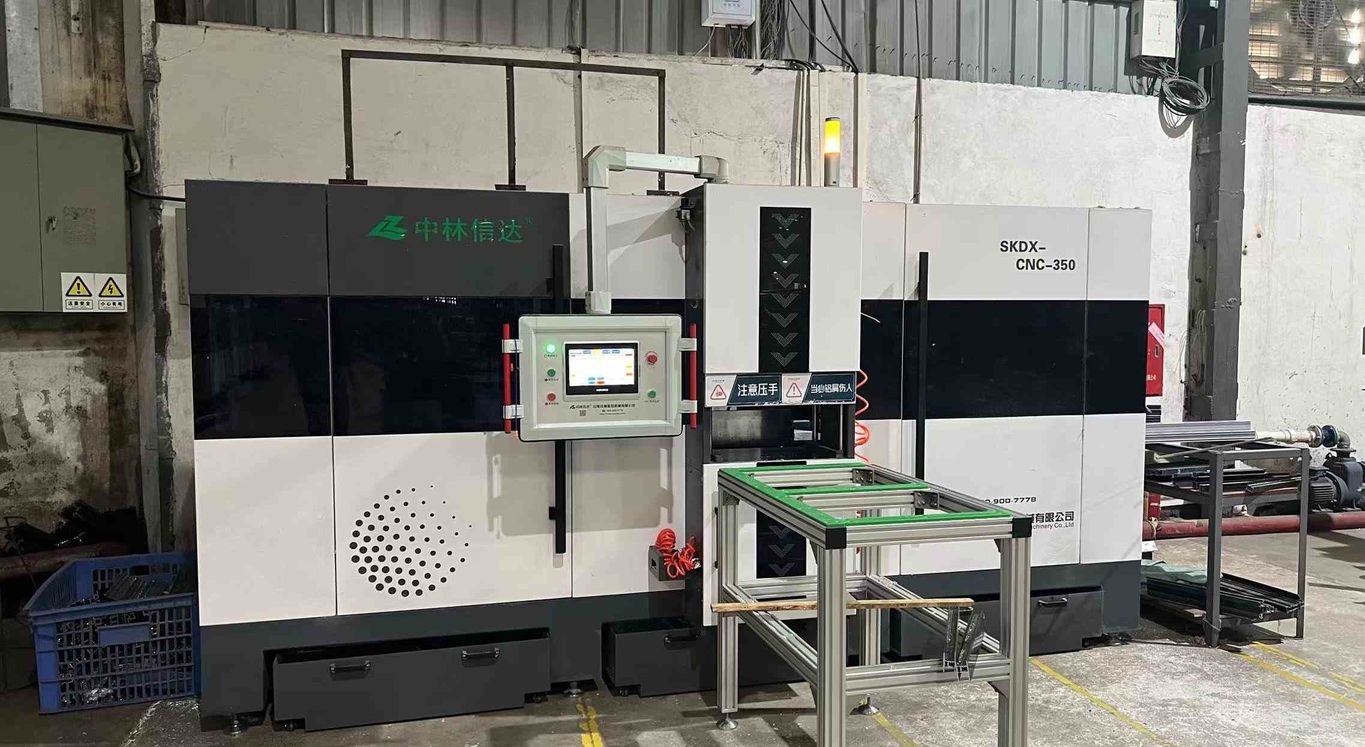
From primary alloy profile milling to insulated glass unit gas-filling, our production line integrates heavy CNC machinery, double-head saw processing, automated corner crimping, and computerized seal testing to ensure high precision across large-scale commercial contracts.
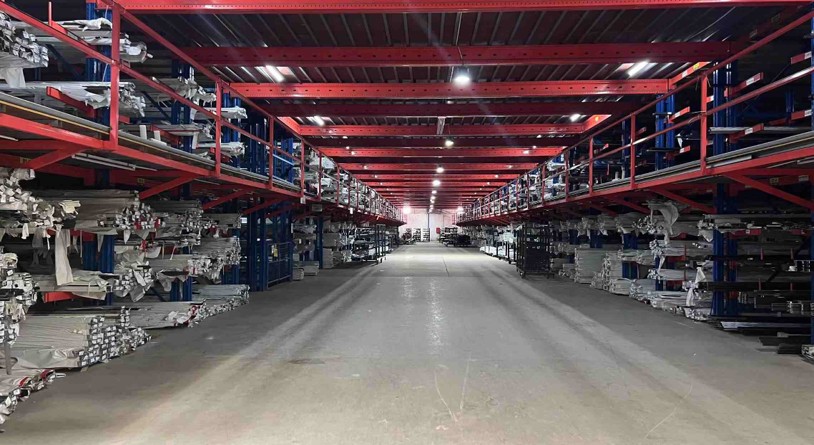
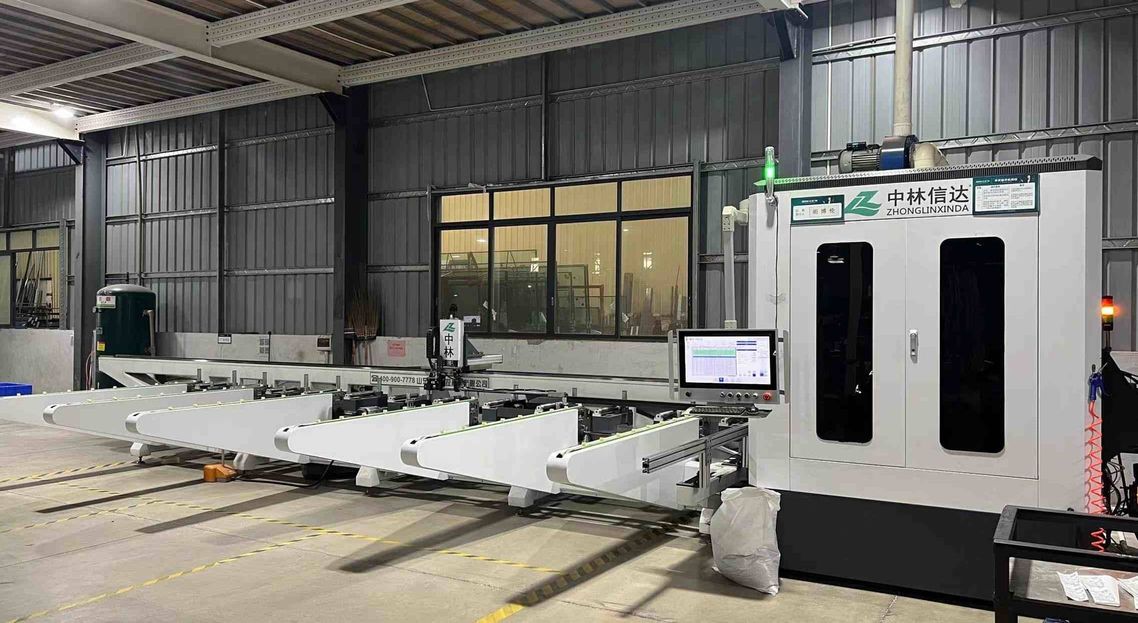
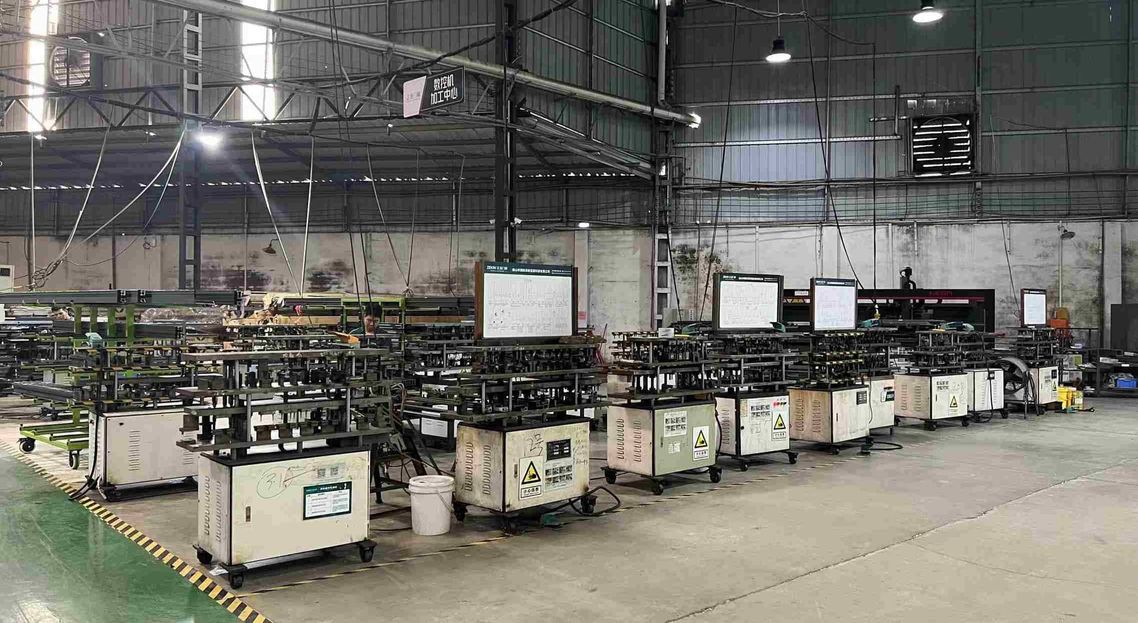
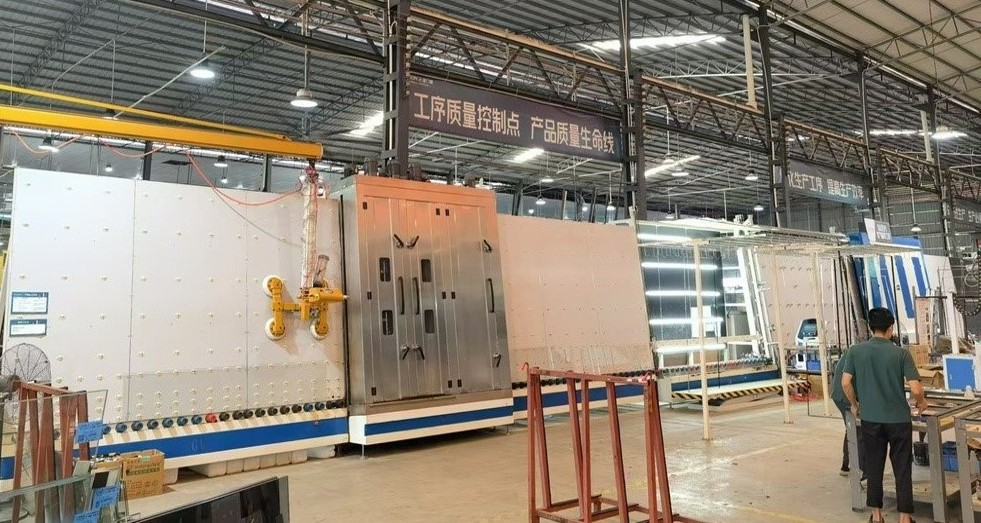
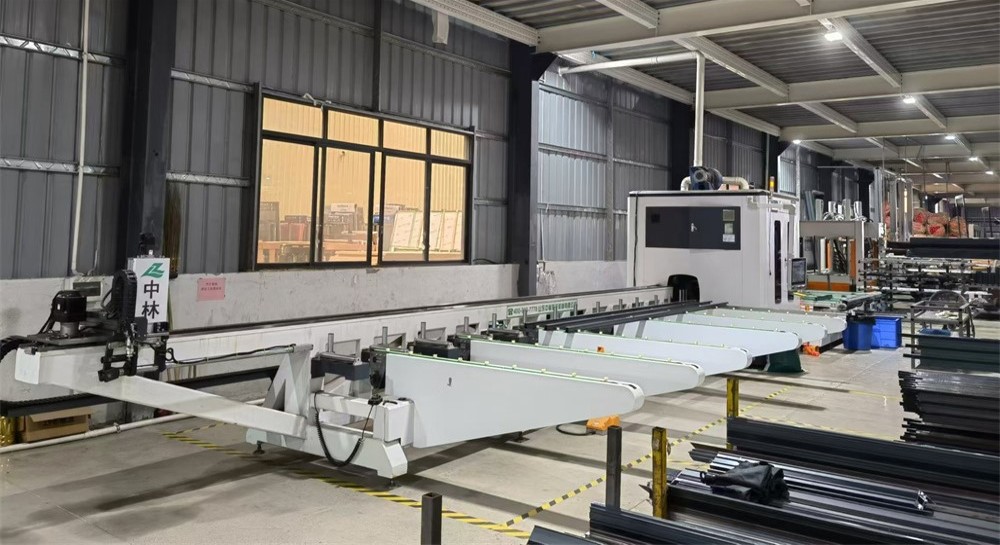
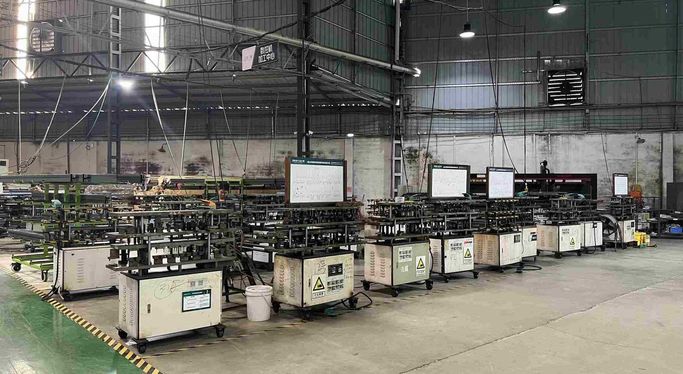
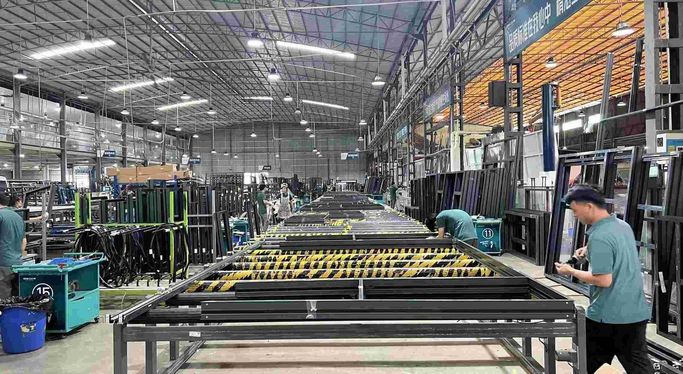
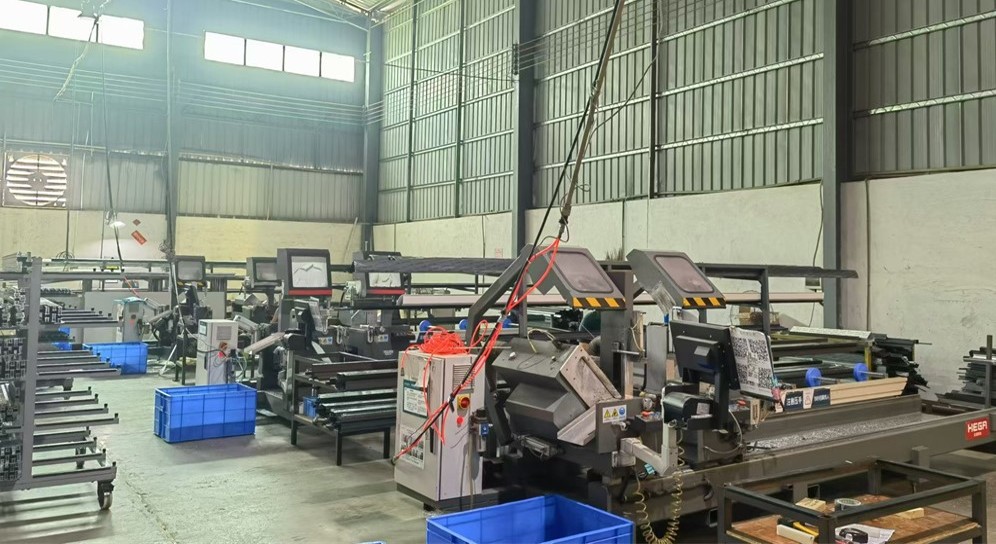
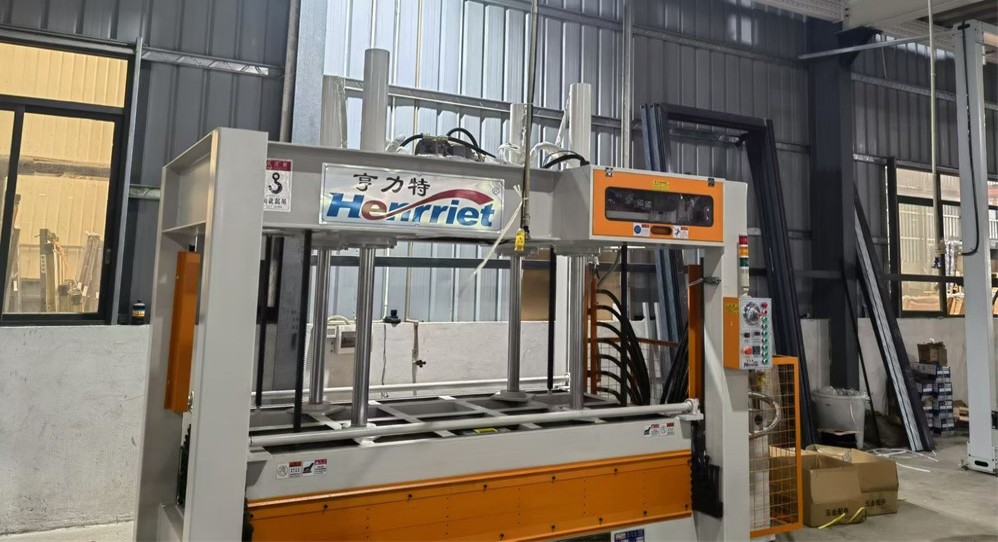
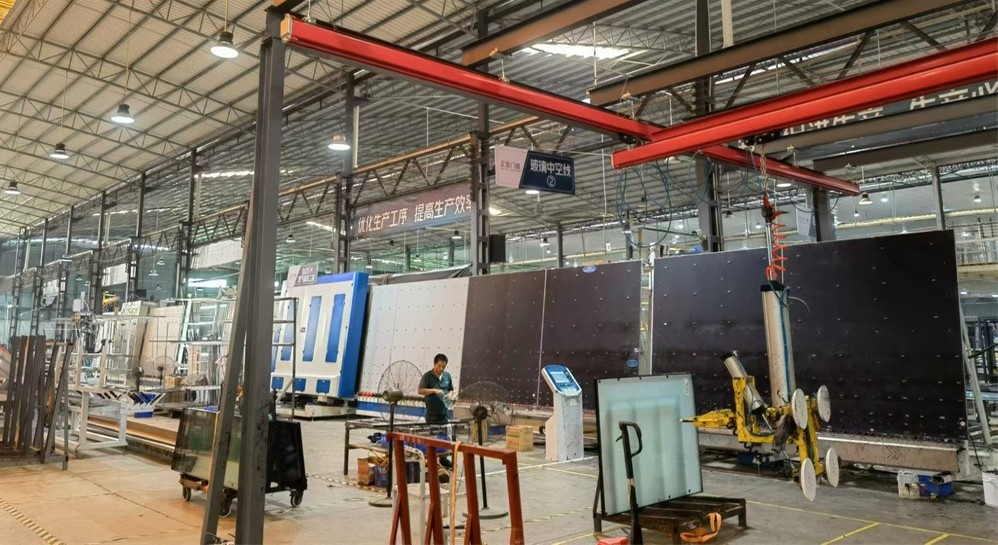
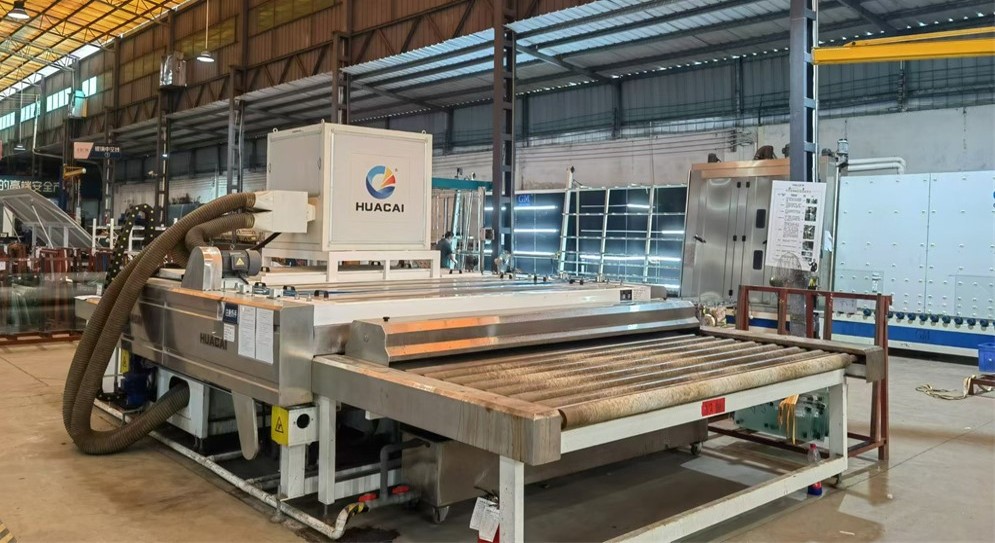
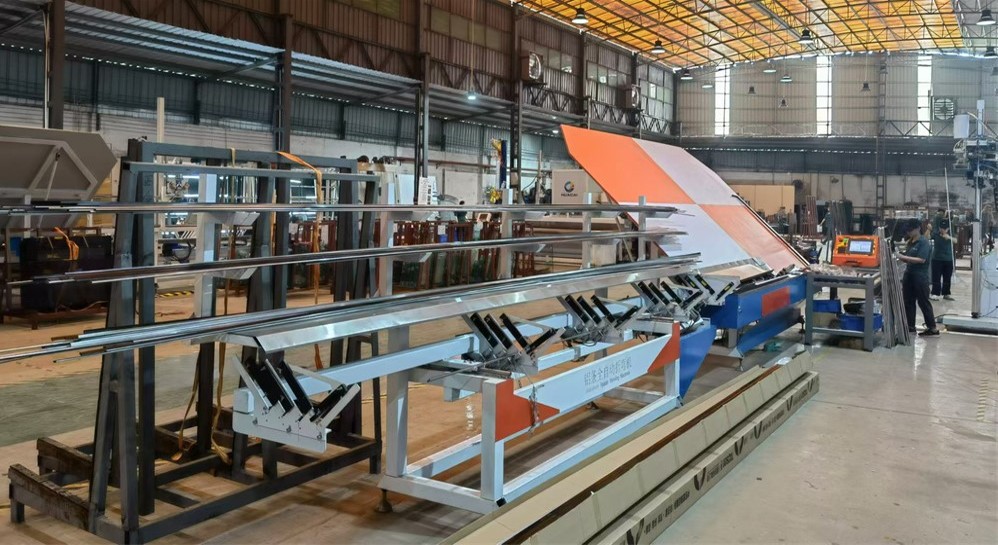
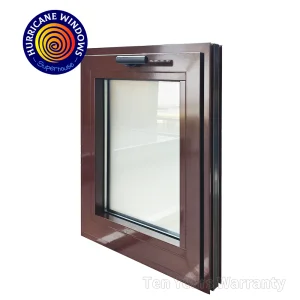
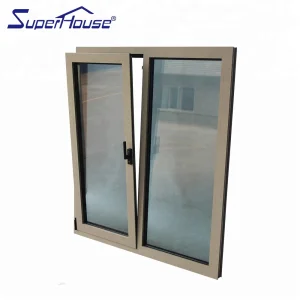
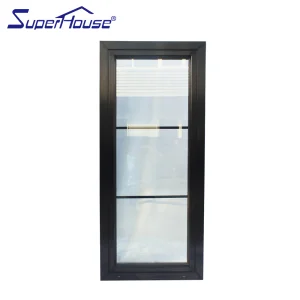
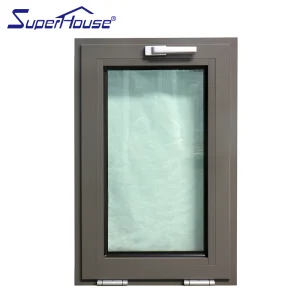
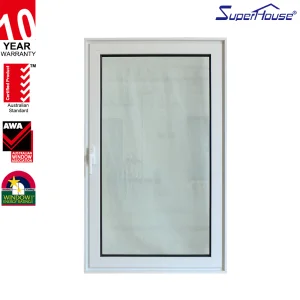
Explore specialized double-glazed, soundproof, and hurricane impact tilt & turn window models tailored for global projects.
Expert guidance for procurement officers, general contractors, and fenestration importers.
Tilt & Turn windows offer dual operational modes within a single frame. The tilt position allows secure, draft-free micro-ventilation that prevents rain penetration and keeps children safe. The turn position opens 90 to 180 degrees inward for maximum airflow and easy glass cleaning from inside the room. Additionally, their continuous perimeter multi-point locking system delivers superior acoustic sealing and burglary protection.
Aluminum is naturally conductive. Thermal break technology integrates a reinforced polyamide (PA66 GF25) strip between the exterior and interior extruded aluminum profiles. This creates an insulated barrier that stops thermal transfer, preventing interior heat loss during winter and blocking external solar heat in summer, drastically reducing HVAC power consumption.
Yes. Our Florida NOA-certified hurricane impact windows utilize heavy-gauge extruded aluminum alloys combined with SGP (Kuraray SentryGlas) laminated toughened safety glass. They are structurally engineered and lab-tested to meet Florida HVHZ requirements, withstanding high-velocity wind loads exceeding +100 PSF and direct missile impact tests.
We provide comprehensive OEM/ODM customization: custom profile depth (60mm to 120mm series), multi-chamber insulation inserts, surface treatments (AAMA 2605 fluorocarbon PVDF, anodizing, wood grain powder coating), custom glass configurations (triple glazed, Low-E, Argon gas, frosted/tinted), and premium European hardware integrations (Siegenia, Roto, Hoppe).
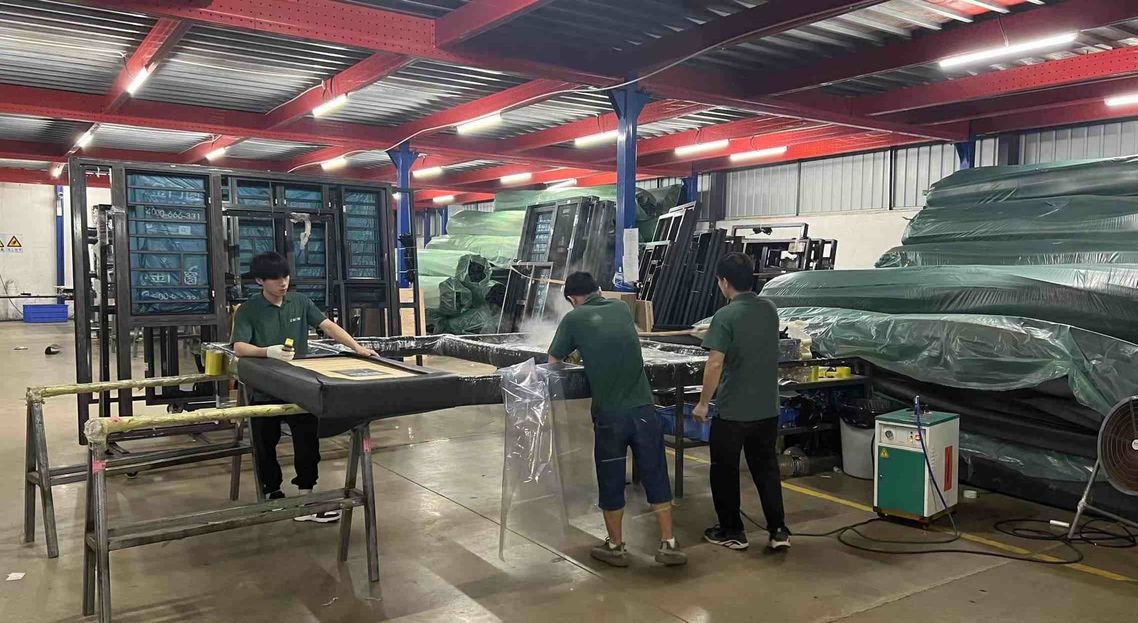
Standard custom export manufacturing lead time is 25 to 35 days upon drawing sign-off. Products are protected using multi-layer export packaging: protective film on profile surfaces, corner protective caps, bubble wrap, and full IPPC ISPM 15 certified fumigated wooden crates or steel frame racks to guarantee zero transit damage during ocean freight.
Our 19,000 m² plant operates under ISO 9001 management systems. A team of 22 dedicated QC inspectors performs systematic checks at 5 key stages: raw alloy testing, profile cutting accuracy, glass seal integrity, hardware debugging, and final IP65 air/water tightness testing prior to crate loading.
 Veridor