Established in 2013, Veridor Door Technologies Co., Ltd. operates a streamlined 19,000 m² production hub dedicated to contemporary residential entry doors and advanced architectural window systems. With 11 years of deep industry experience and 5 years of active foreign trade experience, the firm generates $11 million in annual export revenue. Veridor strategically targets fast-growing markets in Oceania, Southeast Asia, and North America, directly supplying door and window importers, large-scale housing project contractors, and global online distribution networks.
To deliver uncompromised precision across high-volume production lines, Veridor collaborates with over 480 vetted hardware and material suppliers. Operational integrity is enforced by a dedicated team of 22 quality inspectors who execute rigorous IP65 weather-seal checks, surface coating adhesion testing, and complex manual assembly inspections. Guided by evolving modern architectural design trends, 28 specialized R&D engineers developed 65 new product models last year. Full B2B customization capabilities encompass custom panel relief patterns, smart digital lock pre-installations, bespoke structural frame widths, and anti-scratch marine-grade surface treatments designed to withstand harsh coastal exposures.
Choosing between single-hung and double-hung window configurations involves critical trade-offs regarding structural wind-load capacity, natural ventilation dynamics, thermal envelope integrity, and long-term facility maintenance overhead. Below is a comprehensive engineering breakdown tailored for specifiers, architectural engineers, and commercial procurement directors.
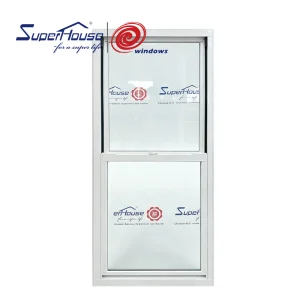
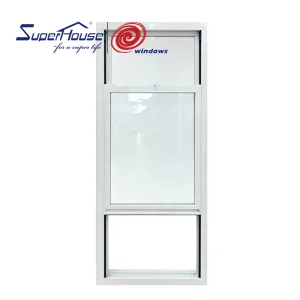
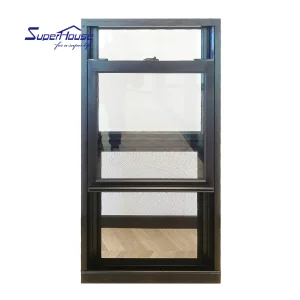
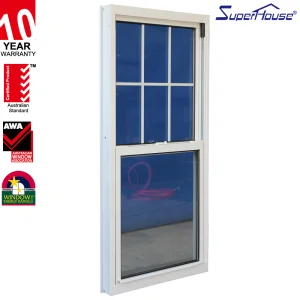
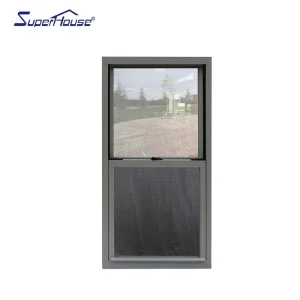
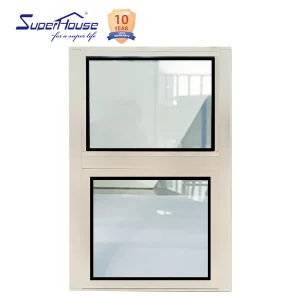
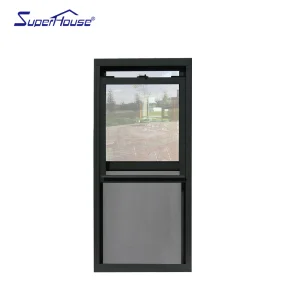
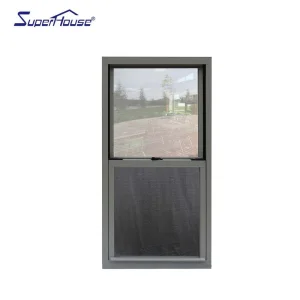
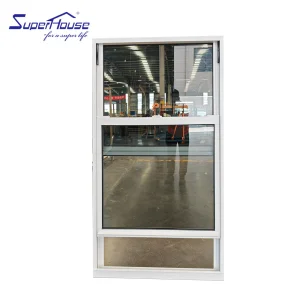
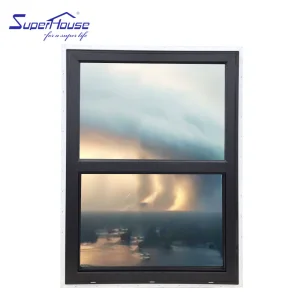
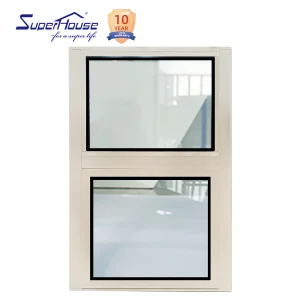
Single-hung window systems feature a fixed top sash paired with an operably operable bottom sash that slides vertically. Because the upper pane remains permanently sealed into the outer structural frame, single-hung configurations inherently minimize air infiltration vectors.
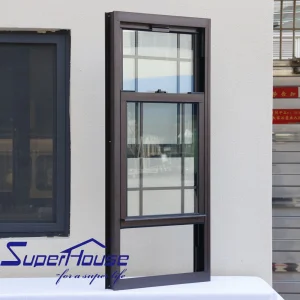
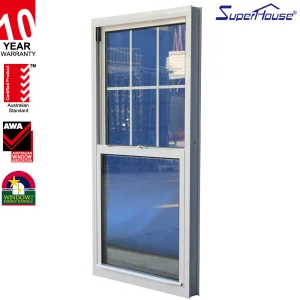
Double-hung window systems feature two independent sashes that move vertically within distinct frame tracks. Both sashes frequently incorporate tilt-in mechanical balancers, enabling complete interior access for maintenance.
| Performance Parameter | Single-Hung Windows | Double-Hung Windows | Engineering Standard Benchmark |
|---|---|---|---|
| Air Infiltration Rate | < 0.05 cfm/sq.ft (Superior Seal) | < 0.12 cfm/sq.ft (Dual Seal Interface) | ASTM E283 Compliance |
| Design Pressure (DP) Limits | Up to DP-90 / +90/-90 psf | Up to DP-65 / +65/-65 psf | TAS 201/202/203 (Miami-Dade) |
| Thermal Transmittance (U-Factor) | 0.22 - 0.28 BTU/h·ft²·°F | 0.24 - 0.31 BTU/h·ft²·°F | NFRC 100/200 Thermal Sim |
| Maintenance Profile | Exterior access required for top glass | 100% Interior tilt-in access | Facility Management Efficiency |
| Structural Frame Depth | 75mm to 100mm Extrusions | 90mm to 120mm Multi-track Extrusions | 6063-T6 Architectural Aluminum |
Navigating global building codes requires strict adherence to regional structural and thermal performance mandates. Veridor window systems are explicitly engineered, tested, and certified to meet the world’s most stringent building regulatory frameworks.
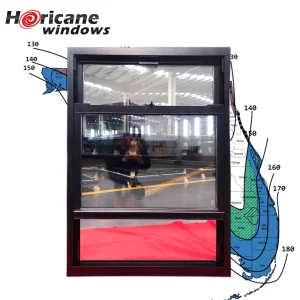
For installations in High-Velocity Hurricane Zones (HVHZ), our hurricane-impact single-hung and double-hung lines feature heavy-duty 6063-T6 aluminum alloys and laminated impact glass interlayers (SentryGlas® / PVB). Tested under TAS 201 (Large Missile Impact), TAS 202 (Uniform Static Air Pressure), and TAS 203 (Cyclic Wind Pressure Loading), our products carry official Notice of Acceptance (NOA) approvals and Florida Product Approvals for coastal hurricane resilience.
Compliant with National Fenestration Rating Council (NFRC) guidelines, our thermal-break window lines utilize continuous Technoform® polyamide insulation strips. This thermal isolation layer, paired with double or triple Low-E insulated glass units (IGUs) filled with 90% Argon gas, consistently delivers low U-factors and optimized Solar Heat Gain Coefficients (SHGC) for Energy Star thermal zone targets across North America.
To meet Oceania structural standards, our products undergo rigorous testing according to AS2047 (Windows and External Glazed Doors in Buildings) and AS1288 (Glass in Buildings). Tests include Deflection Testing (AS4420.2), Operating Force Testing (AS4420.3), Air Infiltration (AS4420.4), Water Penetration Resistance (AS4420.5 at 600Pa+), and Ultimate Strength Testing (AS4420.6).
Engineering fenestration for coastal environments demands extreme corrosion resistance and high design pressure capabilities. Our marine-grade anodized or fluorocarbon (PVDF) powder-coated finishes resist salt spray corrosion for over 3,000 hours under ASTM B117 testing, while heavy-duty impact glazing guards against debris strikes during Category 5 hurricanes.
For high-density residential towers, acoustic attenuation (STC/OITC ratings) and wind-load resistance are essential. Our single-hung and double-hung window profiles incorporate specialized acoustic laminated glass configurations that achieve STC ratings up to 45 dB, effectively insulating residents from urban noise pollution.
Commercial storefronts demand structural stability coupled with high light transmission. Our storefront single-hung systems integrate seamlessly into structural aluminum mullions, offering pre-glazed nail-flange or sub-frame configurations for rapid jobsite assembly and low installation overhead.
Operating a smart, tech-driven production facility ensures high precision, fast lead times, and reliable quality for global procurement partners. Our 19,000 m² factory integrates automated precision machinery with rigorous quality control checkpoints, scaling output without sacrificing structural integrity.
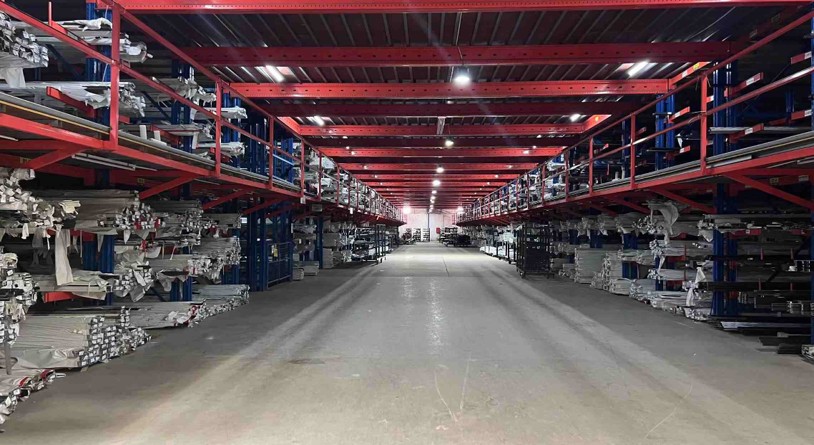 Raw Materials
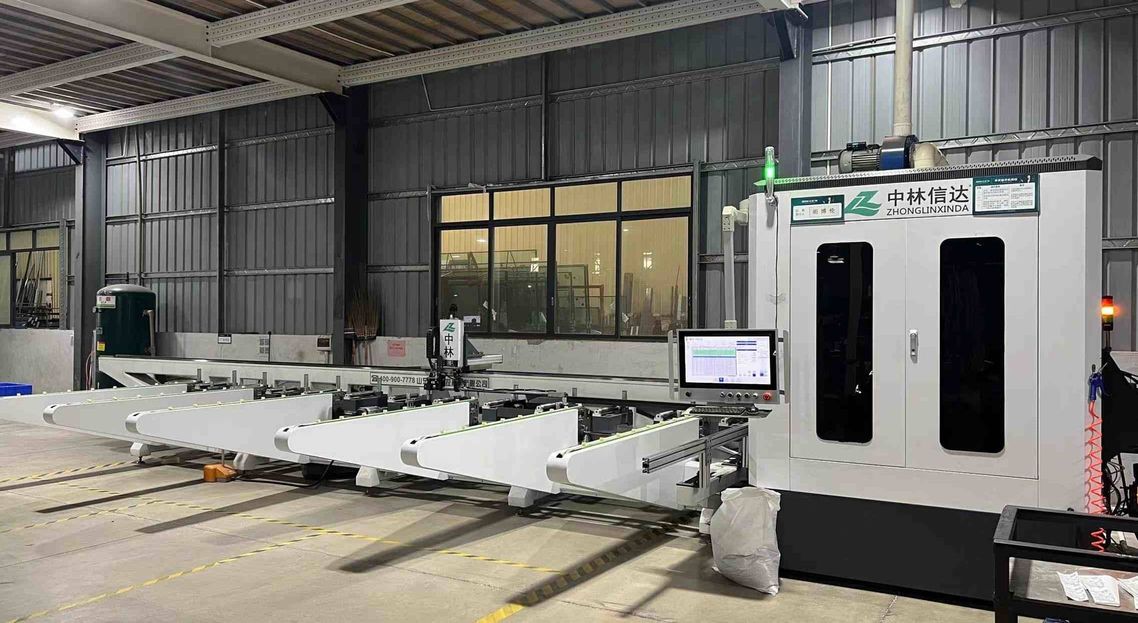 Cutting
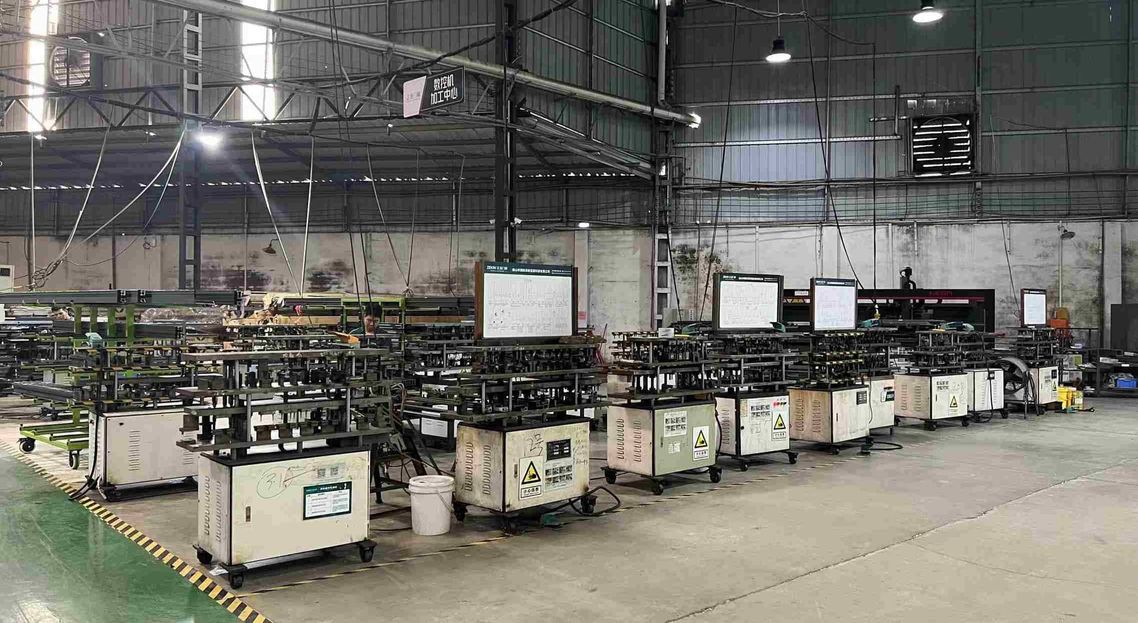 Punching
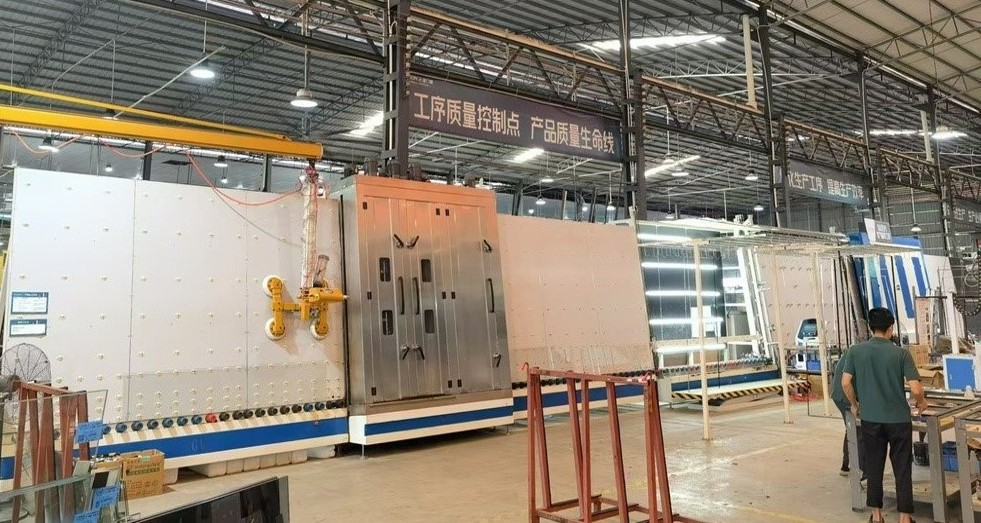 Hollow Processing
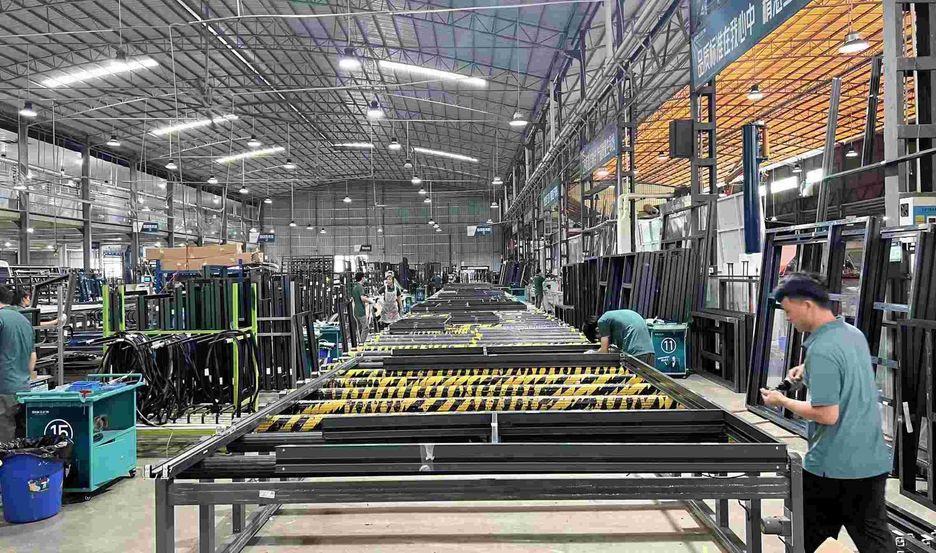 Gluing
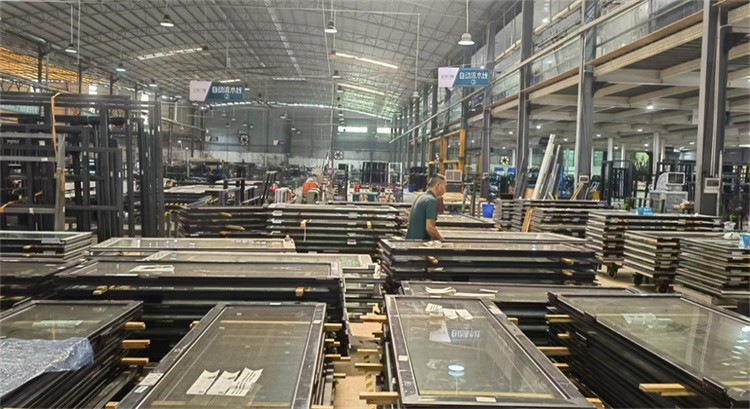 Assembly
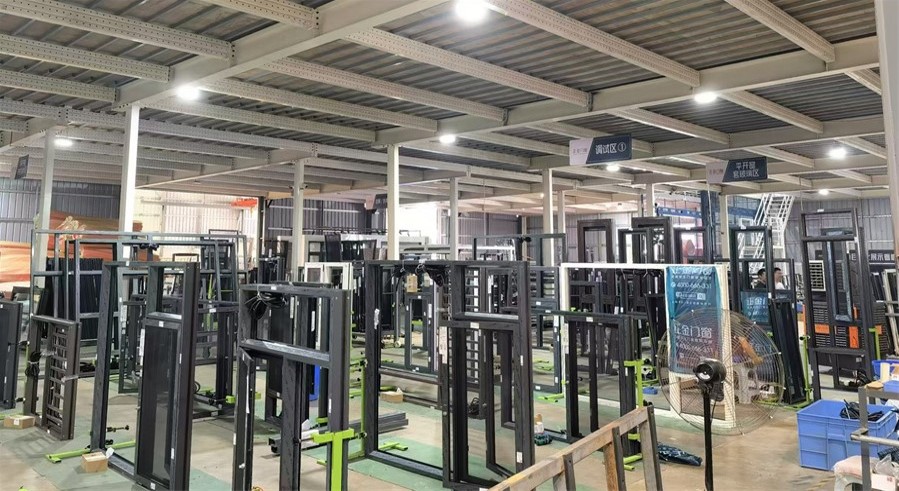 Debugging
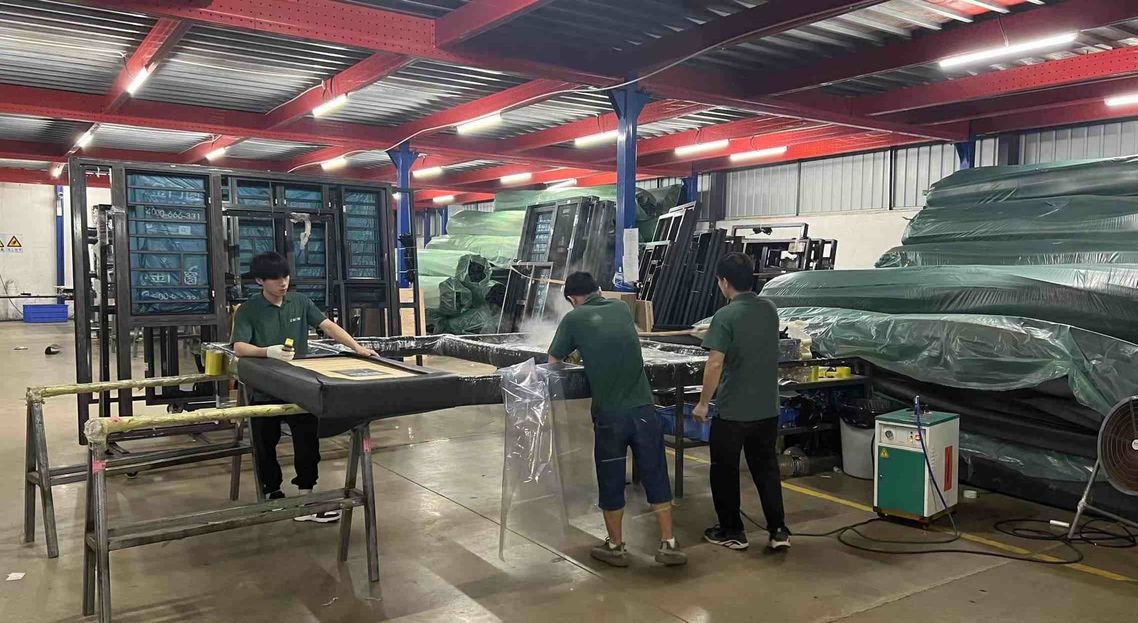 Packing
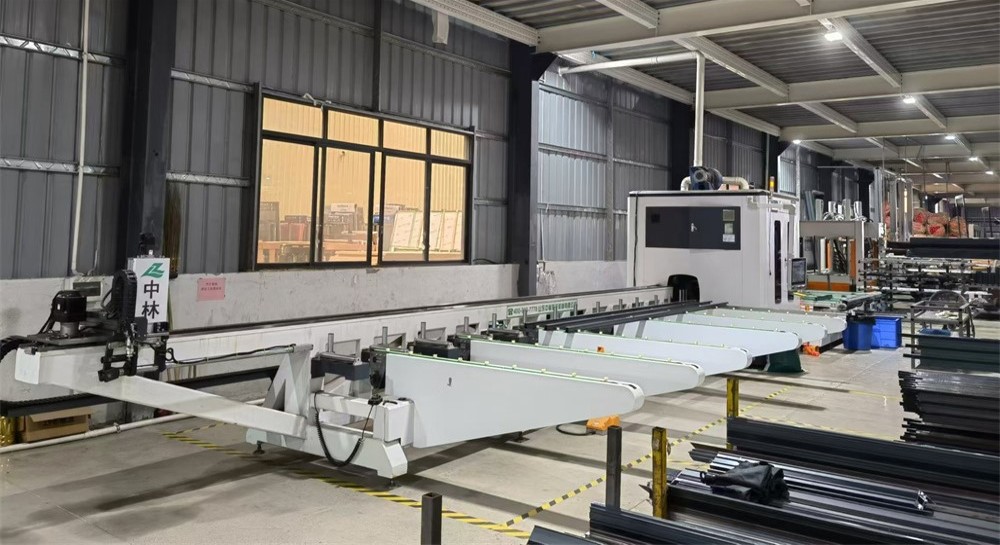 Laser Cutting Machine
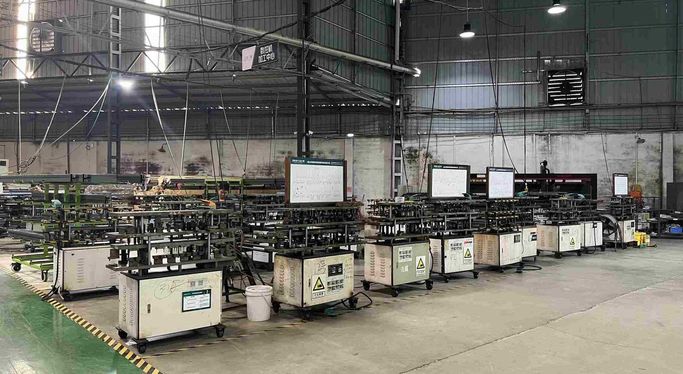 Punching Machine
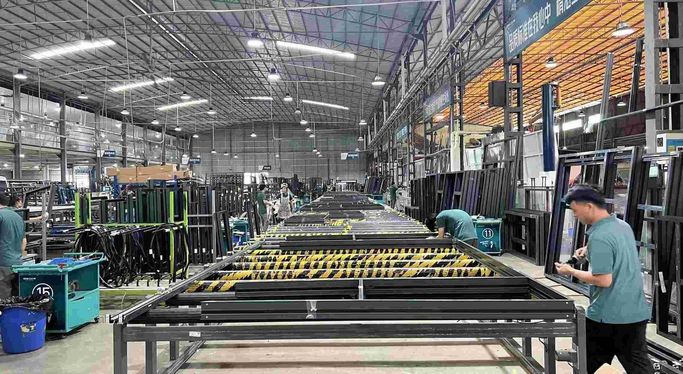 Assembly Line
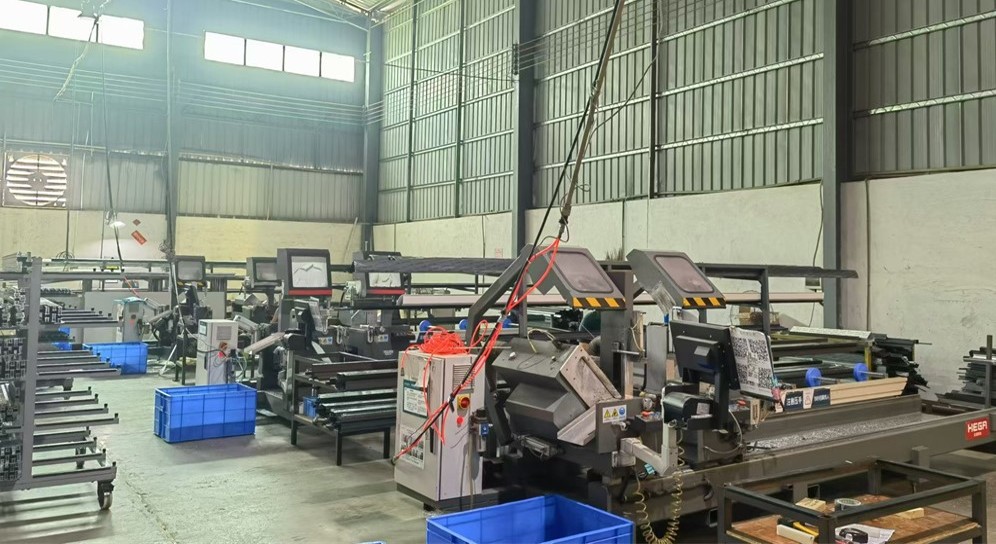 Double Head Sawing Machine
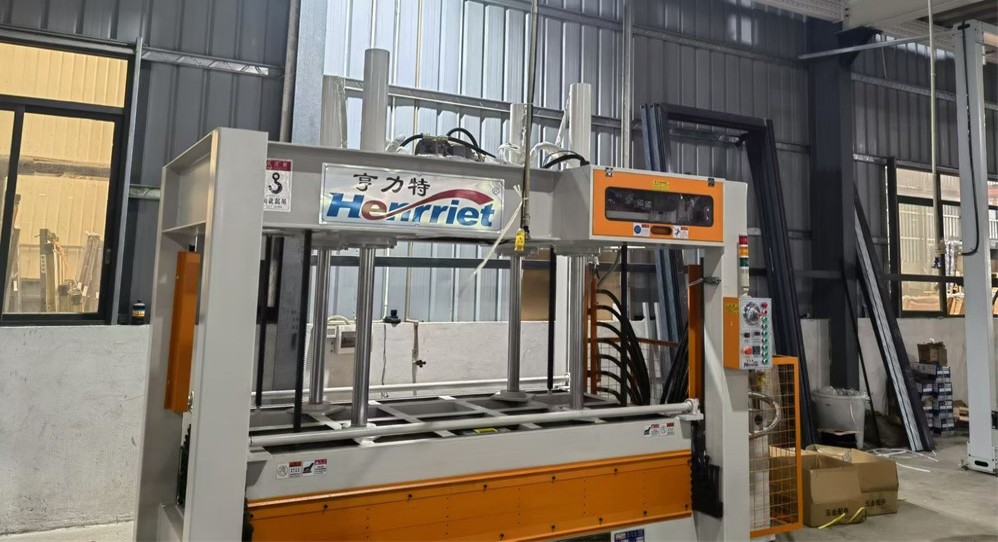 Pressing Machine
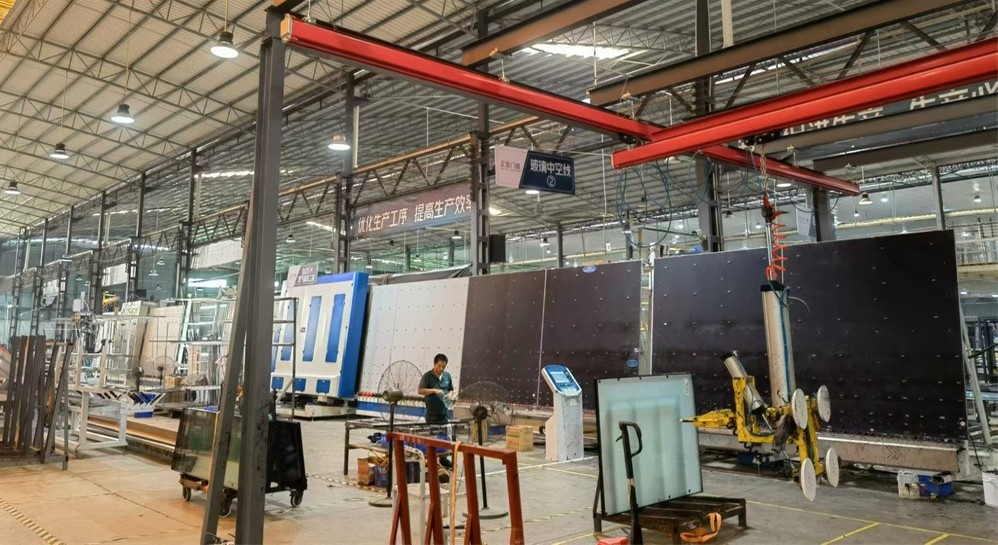 Hollow Line
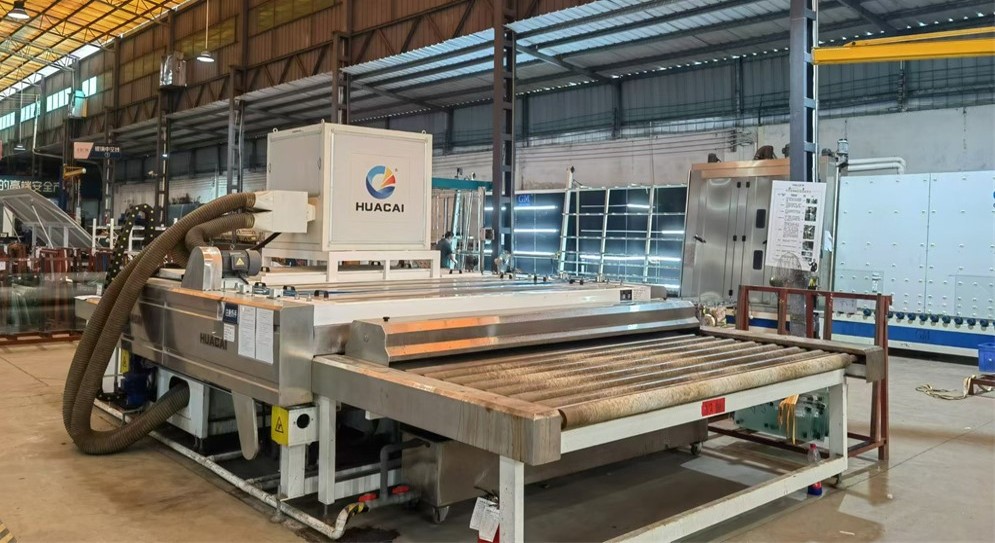 Glass Cleaning Machine
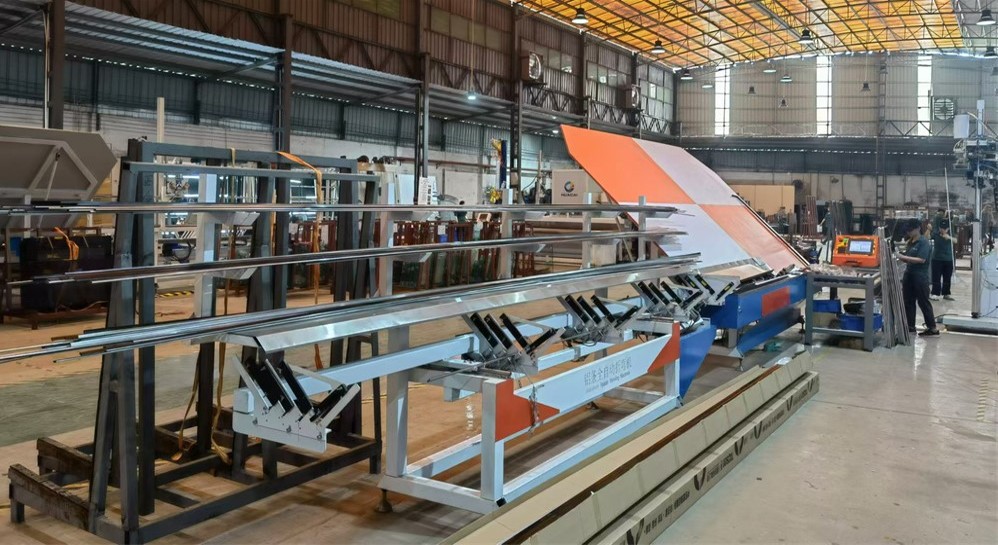 Bending Machine
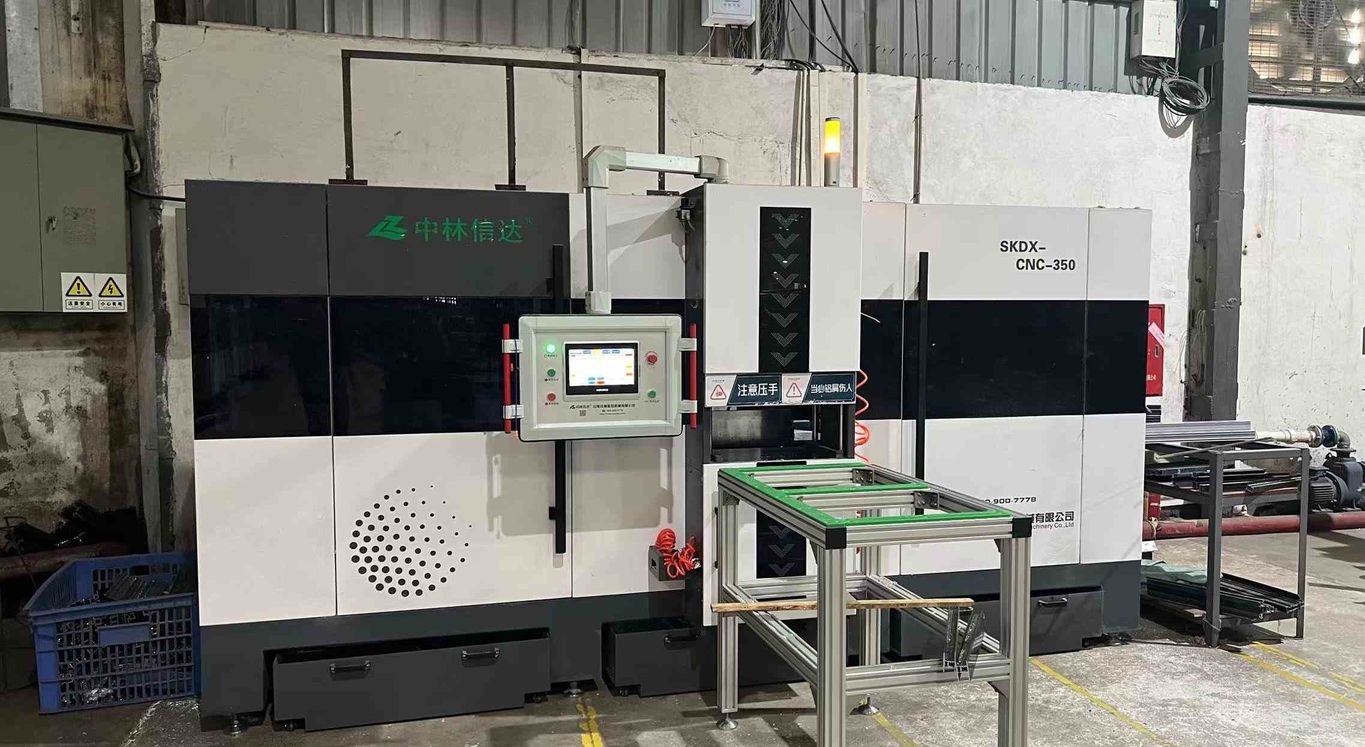 Automatic End Milling Machine
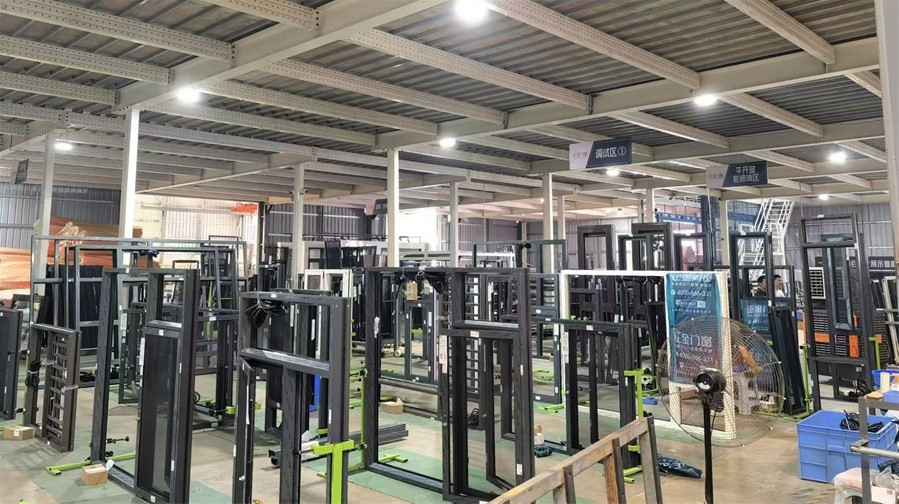 Debugging Station
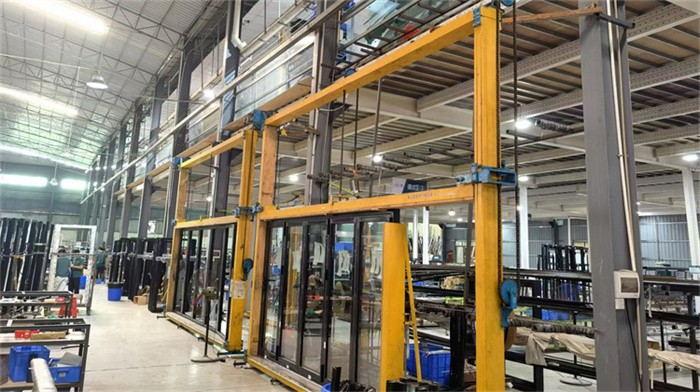 Debugging Frame
For international procurement managers, real estate developers, and building material wholesalers, vendor selection goes far beyond unit pricing. Evaluating supply chain resilience, OEM customization breadth, compliance auditing, and protective logistics packaging ensures project timelines and budget controls remain intact.
Our OEM/ODM manufacturing protocols allow complete customization across structural, aesthetic, and functional parameters:
Every order undergoes strict Quality Assurance (QA) before crating:
As international energy codes move toward Net-Zero Energy (NZE) standards and carbon-neutral building envelopes, our R&D center continues to drive technological innovation across vertical sliding window systems.
We are integrating ultra-thin Vacuum Insulated Glass (VIG) technology into single-hung and double-hung sash designs. By creating an evacuation vacuum gap between glass panes, VIG achieves center-of-glass U-factors down to 0.06 BTU/h·ft²·°F (R-18 equivalent) in a profile thickness of just 8.3mm, dramatically reducing frame weight while improving thermal insulation performance.
Future iterations of our commercial vertical sliding lines will offer embedded low-voltage micro-servo motors coupled with smart home IoT protocols (Matter/Zigbee). These enable automated night-flush ventilation cycles and remote smartphone controls, integrating seamlessly into modern building management systems (BMS).
Replacing traditional thermal break strips with bio-based high-density structural polymers reduces embodied carbon footprint without sacrificing mechanical shear strength. Combined with 100% recyclable aluminum alloys, our fenestration solutions help developers secure LEED v4 Gold and Platinum project certifications.
 Veridor