Explore our precision-engineered glass entryway solutions, hurricane-impact fenestrations, and thermally broken aluminium architectural profiles certified for global compliance.
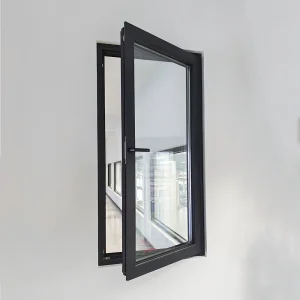
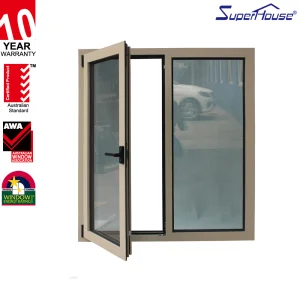
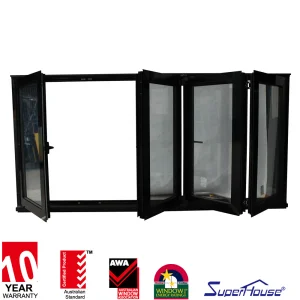
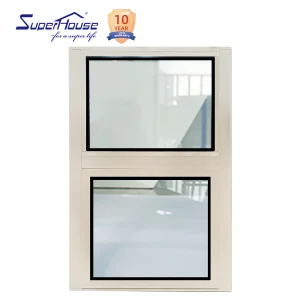
In modern architectural design, the demand for ultra-clear structural transparency, seamless spatial transition, and minimal visual obstruction has elevated Frameless Glass Entry Doors from a high-end luxury trend to a standard specification for premium commercial facades and luxury residential properties. Sourcing from premier OEM/ODM factories and verified export suppliers requires an in-depth understanding of material sciences, load-bearing floor spring hardware, wind-load resistance calculations, structural silicone sealants, and localized building energy standard compliance.
When procurement managers, commercial project contractors, and architectural firms search for top-tier manufacturing partners, traditional evaluation metrics are no longer sufficient. Modern semantic search patterns highlight critical intent parameters: SGCC/CE certified toughened glass, hydraulic heavy-duty pivot systems, thermal transmittance (U-Factor) performance, and IP65-rated perimeter weatherproofing. This whitepaper provides a comprehensive technical breakdown of frameless glass entrance systems, factory quality verification metrics, and global supply chain optimization tactics.
Frameless doors rely entirely on structural glass thickness for rigidity. Leading factories utilize low-iron (ultra-clear) monolithic toughened glass ranging from 10mm to 19mm, or PVB/SGP laminated safety glass engineered to withstand severe wind loads and human impact standard (ANSI Z97.1 / EN 12150).
Because there is no surrounding frame to distribute weight, frameless entry systems depend on high-grade 304/316 stainless steel patch fittings, top pivots, and hydraulic floor springs tested to over 500,000 open-close cycles, supporting door leaf weights up to 300kg.
Modern architectural requirements demand reduced sound transmission (STC ratings) and energy conservation. By integrating translucent magnetic bulb seals and structural brush weather-stripping, engineered frameless doors drastically minimize air infiltration.
Established in 2013, Veridor Door Technologies Co., Ltd. operates a streamlined 19,000 m² production hub dedicated to contemporary residential entry doors and commercial architectural glass systems. With 11 years of industry experience and 5 years of active foreign trade experience, the firm generates $11 million in annual export revenue. Veridor targets fast-growing markets in Oceania, Southeast Asia, and North America, directly supplying door importers, housing project contractors, and online distributors.
Veridor collaborates with over 480 vetted hardware and material suppliers to ensure product precision. A team of 22 quality inspectors executes IP65 weather-seal checks, surface coating adhesion testing, and manual assembly inspections. Guided by modern design trends, 28 R&D engineers developed 65 new entry door models last year. Customization capabilities include custom panel relief patterns, smart digital lock pre-installations, custom frame widths, and anti-scratch marine-grade surface treatments.
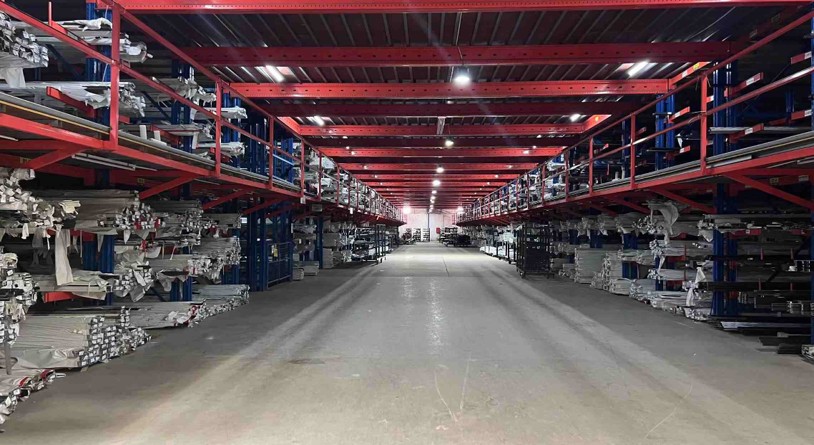 Raw Materials
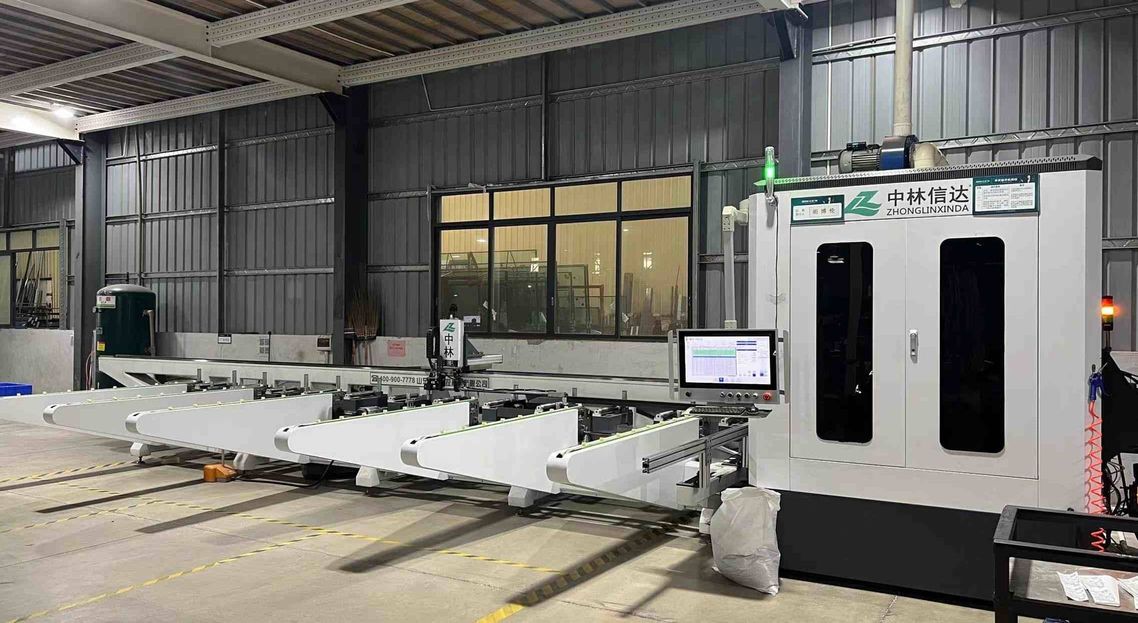 Cutting
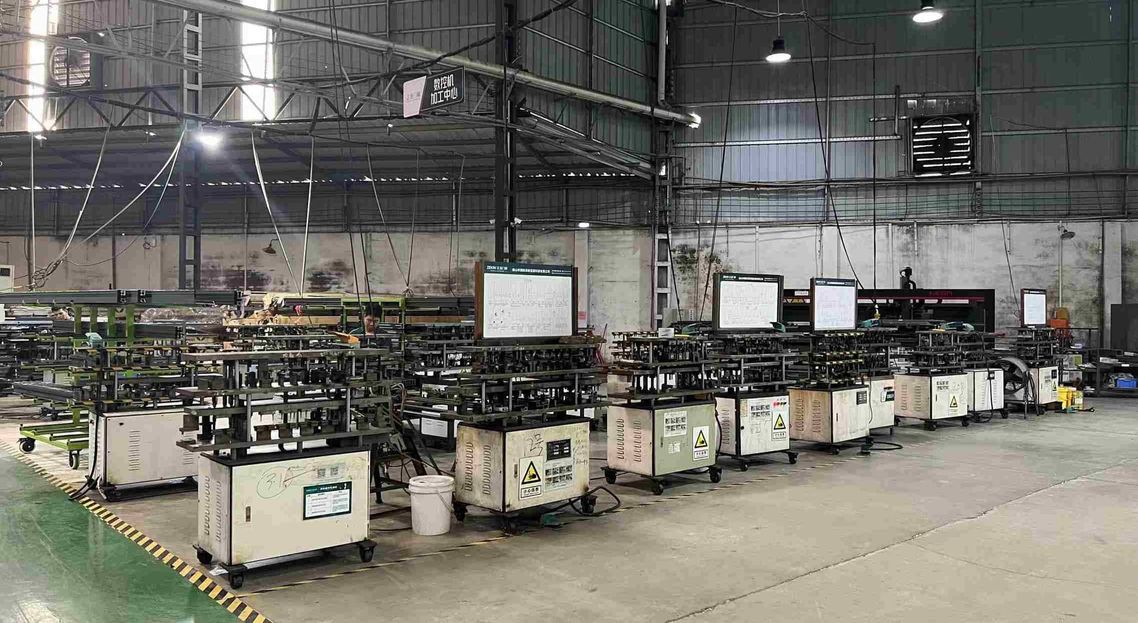 Punching
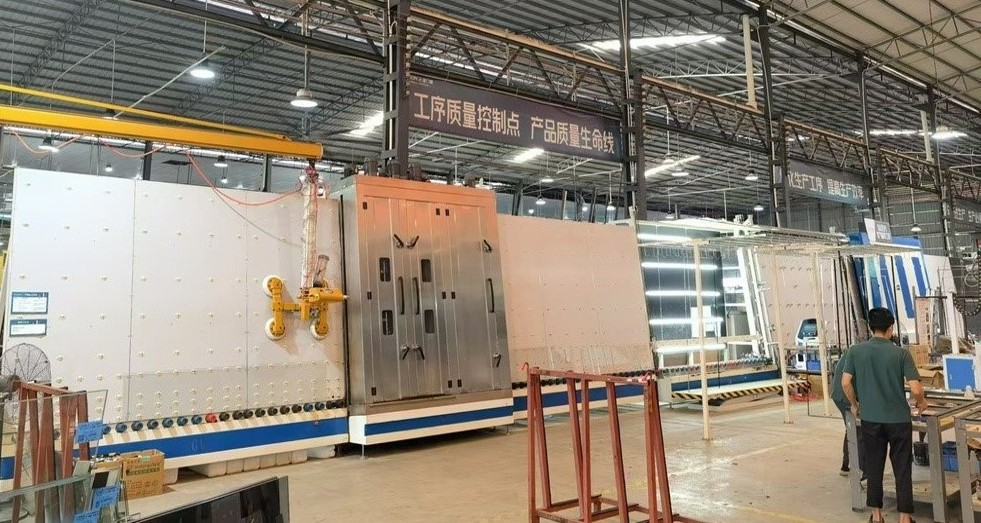 Hollow Processing
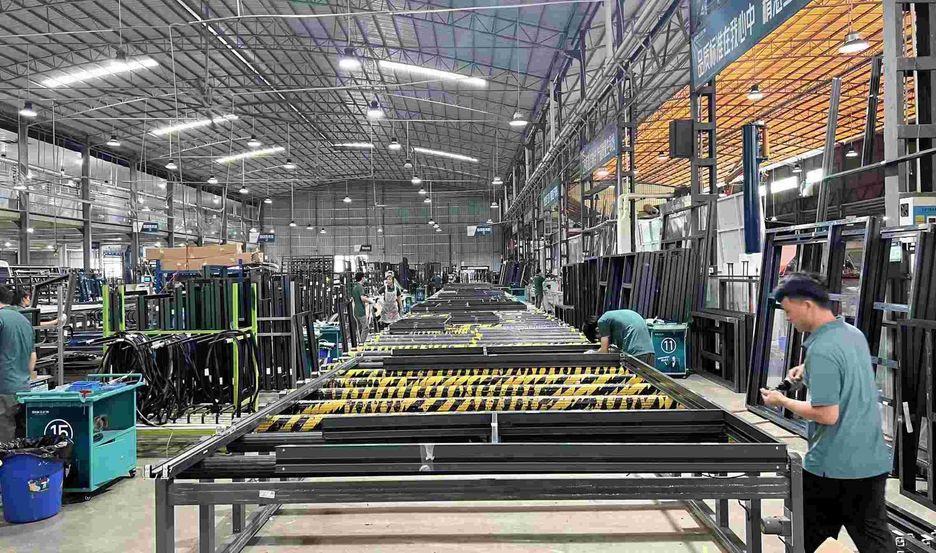 Gluing
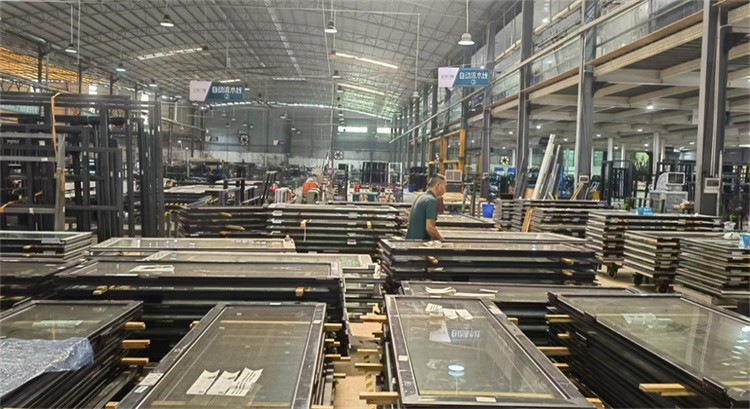 Assembly
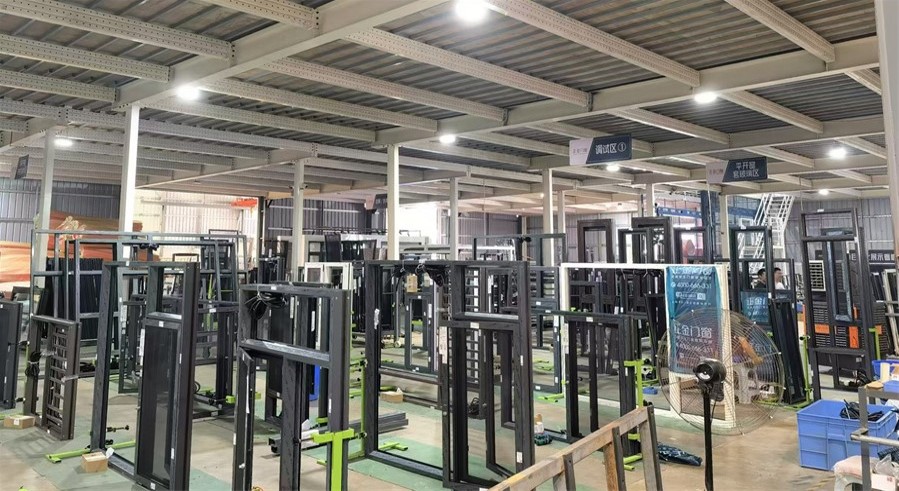 Debugging
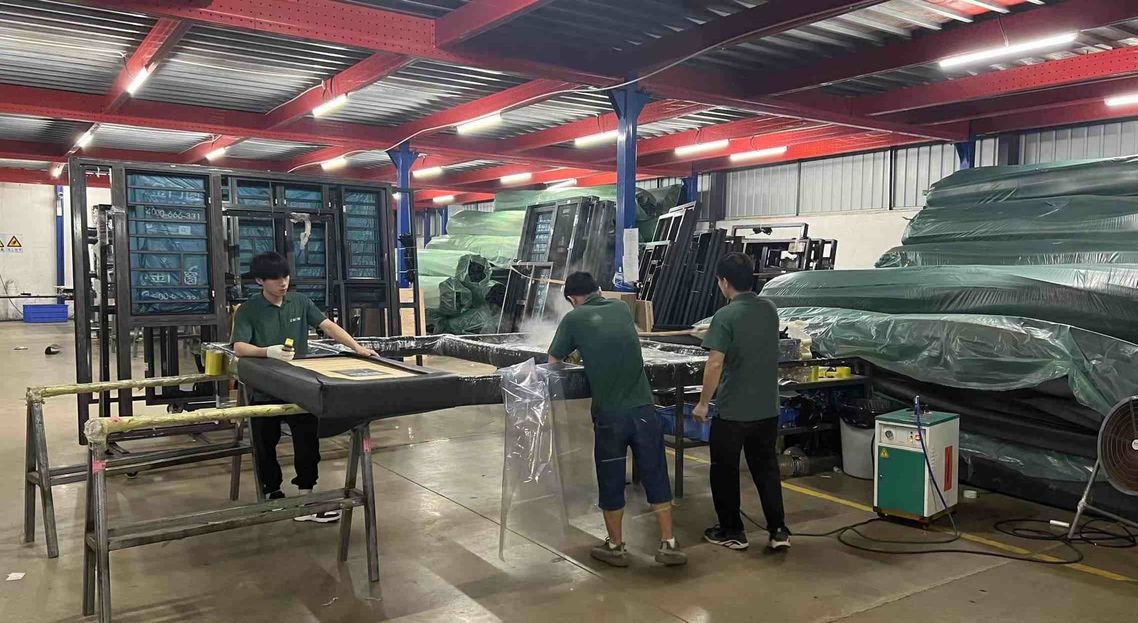 Packing
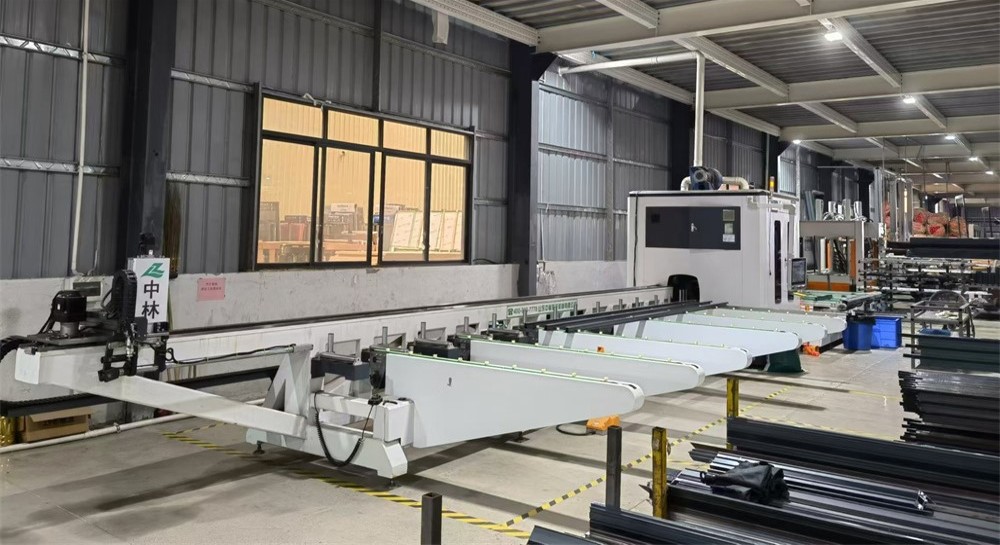 Laser Cutting Machine
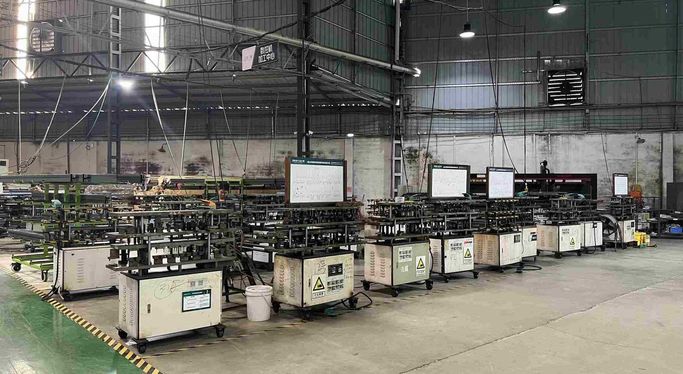 Punching Machine
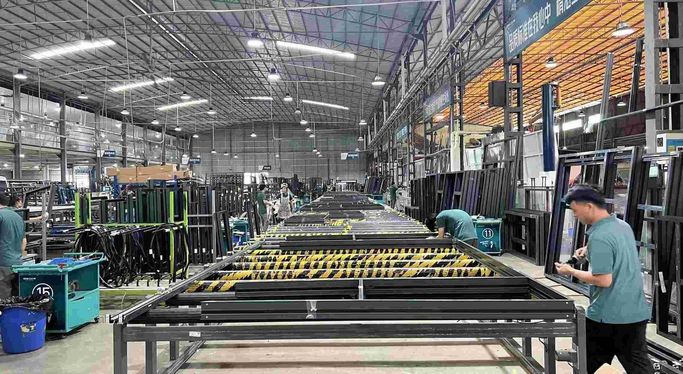 Assembly Line
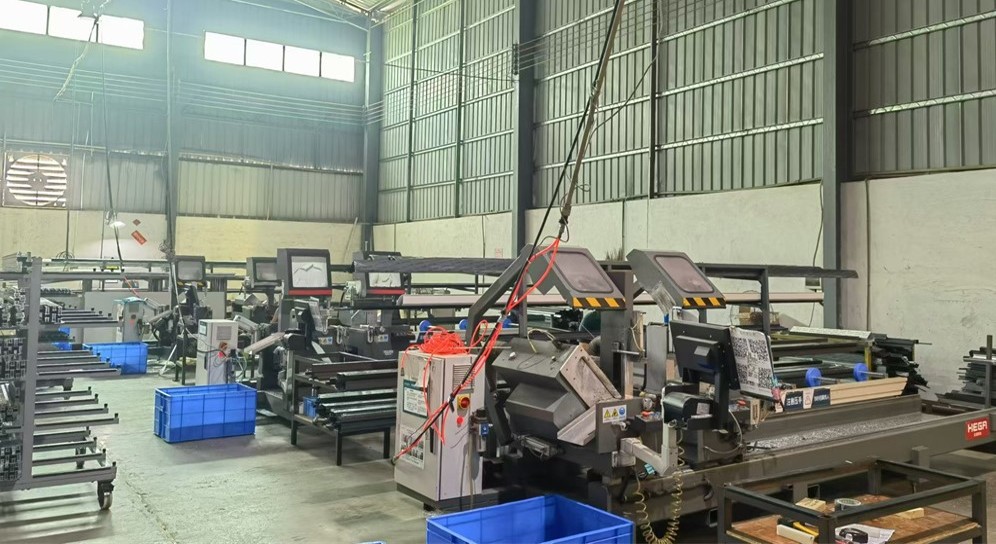 Double Head Sawing Machine
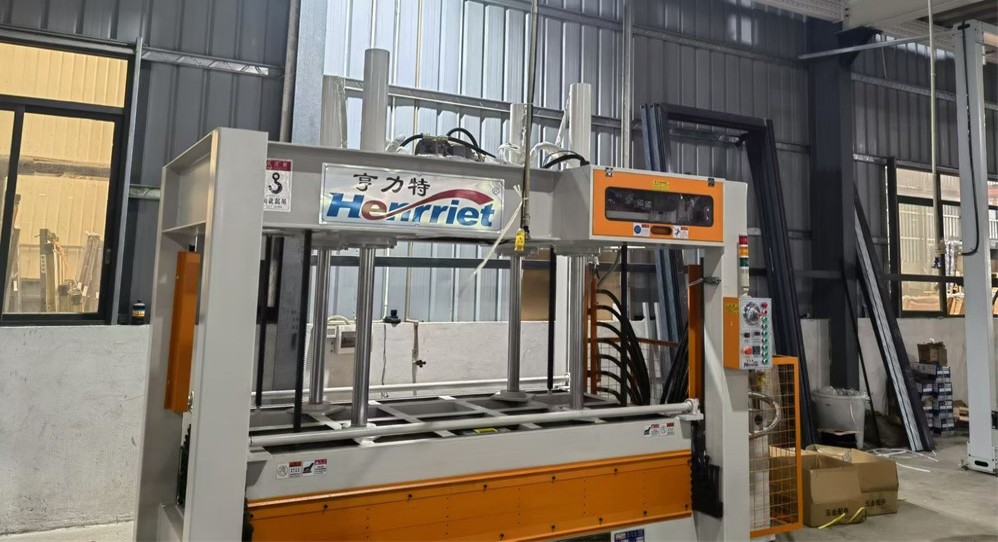 Pressing Machine
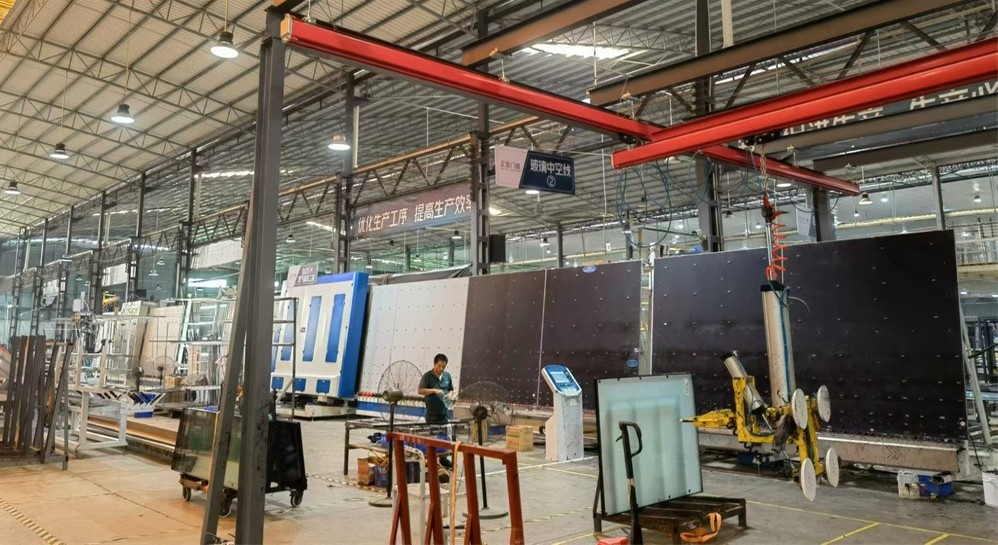 Hollow Line
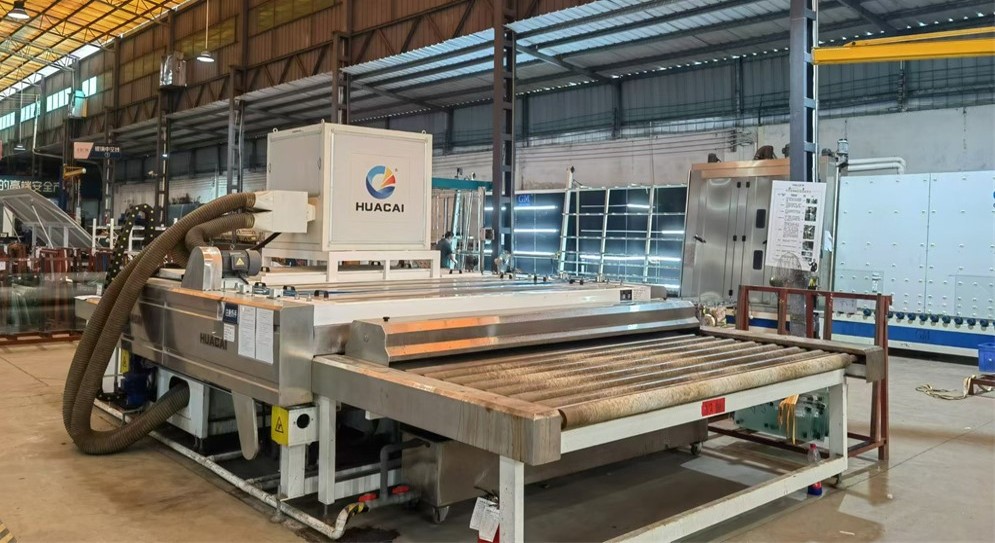 Glass Cleaning Machine
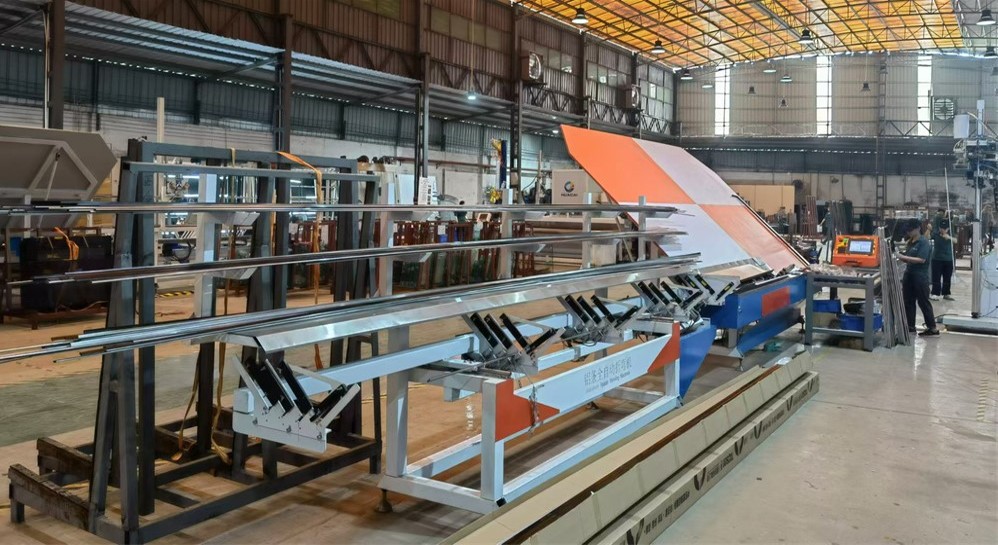 Bending Machine
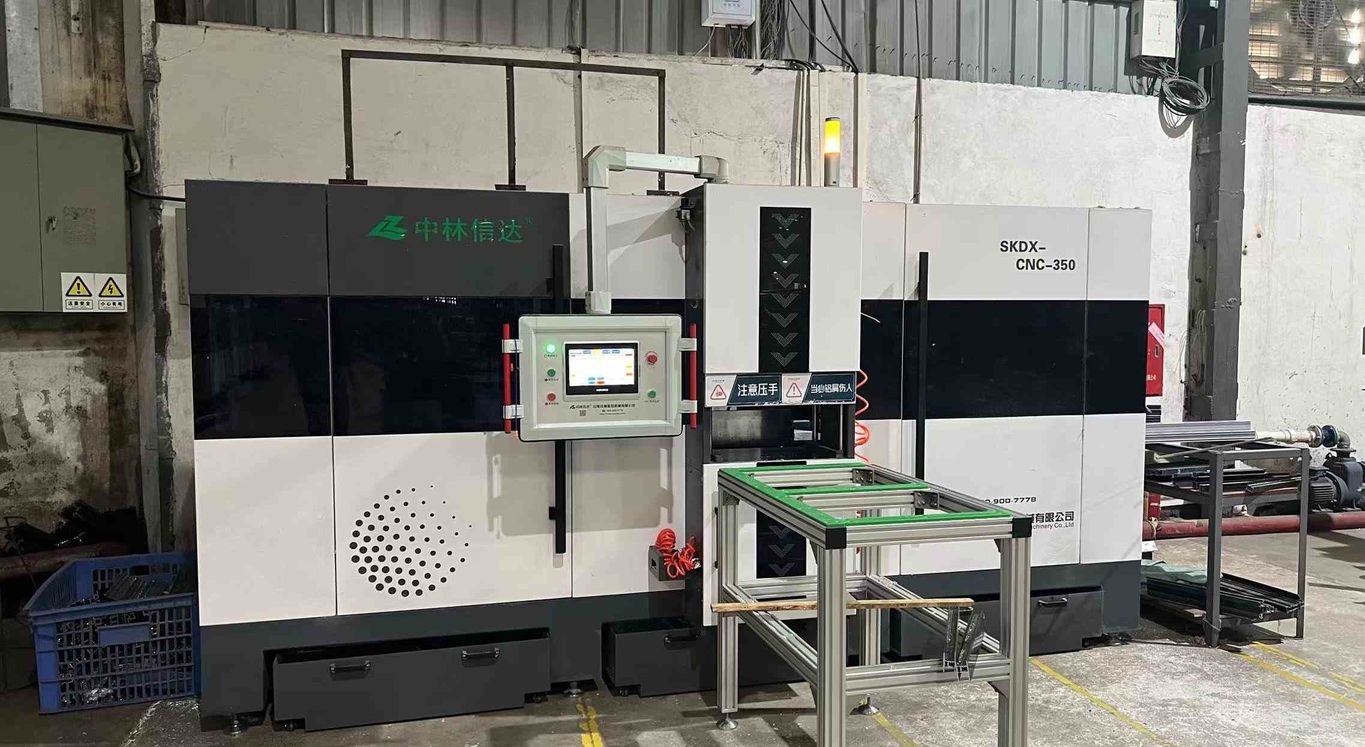 Automatic End Milling Machine
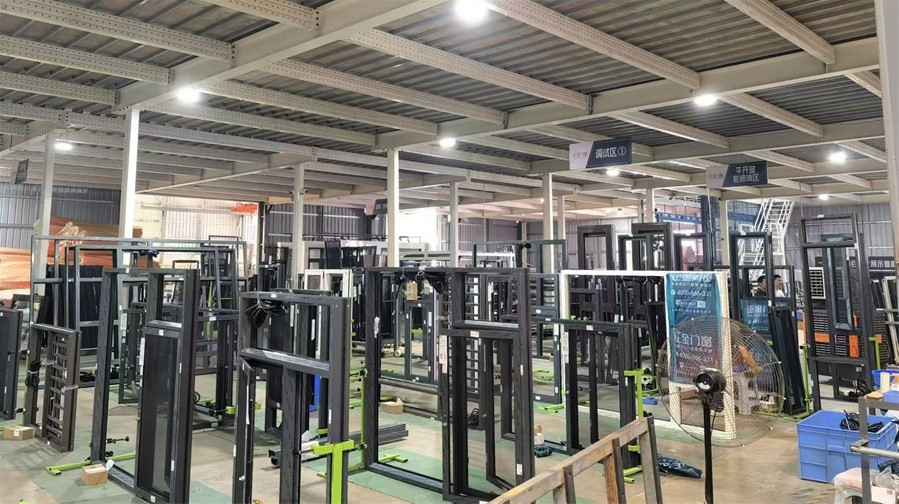 Debugging
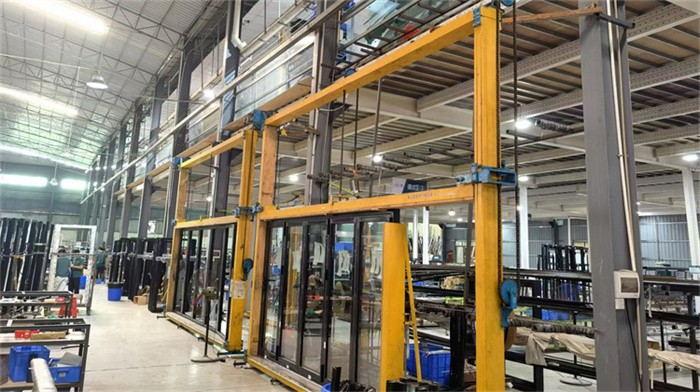 Debugging Frame
Global architectural trends favor clean lines, structural openness, and extreme energy efficiency. Contracting firms in North America, Australia, Europe, and Southeast Asia increasingly leverage Chinese manufacturing hubs due to their unmatched supply chain depth, automated machinery scale, and cost efficiencies.
Chinese door exporters benefit from localized ecosystems where raw aluminum extrusions, tempered safety glass, and heavy-duty stainless steel fittings are manufactured within a tight geographical radius. This integration reduces lead times for bespoke architectural projects down to 20-30 days, compared to 8-12 weeks for Western domestic fabricators.
Unlike rigid off-the-shelf distributors, leading Chinese factories provide complete OEM/ODM engineering customization. This includes custom CNC glass cutout notches, recessed floor spring preparation, specialized acoustic laminate interlayers (SentryGlas® / PVB), marine-grade fluorocarbon (PVDF) surface treatments, and pre-drilling for smart access control systems.
By leveraging automated CNC laser cutting, automatic end-milling machines, and continuous insulated glass assembly lines, Chinese factories lower labor costs while improving structural accuracy to within +/- 0.5mm tolerances. This cost efficiency allows developers to upgrade projects to ultra-clear low-iron double-glazed frameless systems while staying under budget.
Top exporters maintain compliance with global standards, ensuring seamless municipal approvals across all major markets. Products undergo rigorous third-party testing for NFRC thermal performance, Florida NOA hurricane impact, Australian AS2047 fenestration standards, and European CE Mark directives.
| Evaluation Criteria | Direct China Factory Exporter (Veridor) | Local Regional Wholesale Distributor |
|---|---|---|
| Cost Efficiency | Direct factory pricing; saves 35% – 50% on project volume procurement. | High markup due to importer overheads and multi-tier distribution networks. |
| Customization Scope | Full bespoke engineering: custom dimensions, custom hardware, etched patterns, glass types. | Limited to standard stock sizes and pre-configured hardware options. |
| Quality Assurance | 100% factory pre-assembly, IP65 weather seal tests, 22-inspector QA pipeline. | Batch inspection upon arrival; delayed replacement of damaged units. |
| R&D & Engineering Support | In-house R&D (28+ Engineers), CAD/BIM shop drawing generation for approvals. | Basic technical support; reliant on factory back-end communications. |
Frameless glass entry systems must adapt to diverse environmental demands and local code requirements across global markets:
High-traffic commercial entrances require ADA-compliant low-profile thresholds and automatic escape hardware. High-durability stainless steel pull bars combined with overhead concealed closers ensure smooth ingress/egress while conforming to strict barrier-free accessibility guidelines in North America and Europe.
Coastal environments demand extreme hurricane resistance and salt-spray corrosion protection. Projects in Florida, the Caribbean, and coastal Oceania require heavy-duty laminated glass with SGP (SentryGlas®) interlayers capable of enduring design pressures up to DP+70/-70 and marine-grade 316 stainless fittings.
Luxury hotels and corporate offices prioritize sound isolation and modern aesthetic integration. Dual-glazed frameless systems integrated with acoustic interlayers drastically reduce outdoor ambient noise (STC rating 38-42 dB) while maintaining sleek, borderless visual elegance.
| Target Region | Primary Certifications & Standards | Key Technical Requirements |
|---|---|---|
| North America (USA & Canada) | NFRC, NOA (Florida Building Code), SGCC, ASTM E1300 | Hurricane impact resistance, low U-factors for energy codes, safety glass glazing. |
| Oceania (Australia & New Zealand) | AS2047, AS1288, AS/NZS 2208 | Water penetration resistance (Pa ratings), structural deflection tests, human impact safety. |
| Europe (EU & UK) | CE Mark, EN 12150, EN 14351-1, UKCA | Thermal transmittance (U-value ≤ 1.4 W/m²K), toughened glass impact tests, acoustic rating. |
| Southeast Asia & Middle East | ISO 9001, SASO, Local Fire Escapes | High-temperature UV resistance, heavy dust seal protection, heavy-duty floor spring reliability. |
The frameless architectural door market is experiencing rapid technological evolution driven by energy conservation demands and smart building automation.
Next-generation frameless glass entry doors are moving beyond standard double glazing to Vacuum Insulated Glass (VIG). VIG technology achieves thermal insulation performance equivalent to solid masonry walls ($U$-factors as low as 0.60 W/m²K) while maintaining a thin profile compatible with frameless pivot systems.
Modern architectural entryways demand invisible security integration. Advanced manufacturers now pre-install concealed motorized patch locks, magnetic reed switches, and face-recognition/biometric modules seamlessly into top/bottom rails and patch hardware, leaving the glass surface completely pristine.
Privacy-on-demand is becoming a standard feature for corporate meeting rooms and executive luxury villa entrances. Polymer Dispersed Liquid Crystal (PDLC) electrochromic glass allows users to switch from transparent to opaque instantly via smart home systems, smartphone apps, or wall switches.
For monolithic single-panel frameless doors under 2.4 meters in height, 10mm or 12mm toughened (tempered) glass is standard. For oversized commercial entry doors (exceeding 2.8 meters) or high wind-load coastal installations, 15mm or 19mm monolithic glass, or 8mm+8mm / 10mm+10mm SGP laminated glass is required to prevent excessive deflection and structural fatigue.
While frameless doors offer maximum visual transparency, weatherproofing is achieved using translucent polycarbonate dynamic fin seals, magnetic bulb gaskets, and heavy-duty drop-down bottom seal mechanisms that actuate upon door closure. Additionally, recessed drainage channels integrated into the sub-floor spring system prevent water pooling in severe storm events.
PVB (Polyvinyl Butyral) is flexible and cost-effective, ideal for general sound insulation and safety glazing. SGP (SentryGlas® Ionoplast) is up to 5 times stiffer and 10 times stronger than standard PVB. SGP retains structural stiffness even if both glass panes break, preventing the panel from falling out of its fittings during high-velocity hurricane winds or forced entry attempts.
Veridor utilizes a rigorous 22-inspector quality control pipeline. Every door assembly undergoes complete preliminary factory setup (debugging), glass dimension verification (+/- 0.5mm precision), IP65 seal pressure checks, and marine-grade surface coating adhesion tests before being packed into sea-worthy, fully enclosed fumigated wooden crates with reinforced corner pads.
Yes. Custom CNC glass processing allows factories to cut precision notches into the glass panel during the pre-tempering phase. Smart digital keypad locks, fingerprint readers, electric strikes, and RFID mortise hardware are then directly mounted into patch fittings or side jamb profiles with concealed wiring.
Standard lead times for custom-engineered orders are 20 to 30 calendar days following final CAD drawing approval. Minimum order quantities (MOQs) depend on the structural system but are typically flexible to accommodate sample prototype runs for major real estate development developments.
Browse our complete portfolio of certified architectural products for luxury residential villas, hotels, commercial storefronts, and multi-family projects.
 Veridor