Engineered for extreme structural loads, superior thermal efficiency, and hurricane-rated resilience. Direct factory supply for global procurement.
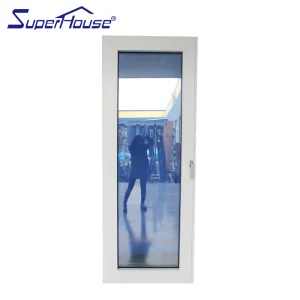
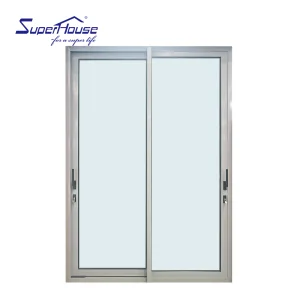
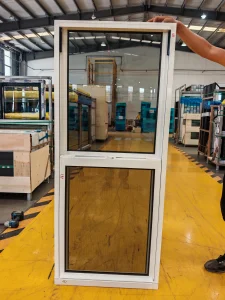
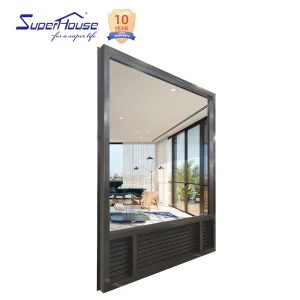
Understanding the transition from standard aluminum profiles to advanced polyamide-isolated thermal break engineering in modern architectural systems.
Global building mandates (such as California Title 24, European EN ISO 10077-2, and Australia’s NCC) require stringent overall U-factors ($U \le 1.4 \text{ W/m}^2\text{K}$). Standard aluminum, while structurally superior, has a high thermal conductivity ($K \approx 160-200 \text{ W/m}\cdot\text{K}$). Thermal break technology introduces a low-conductivity barrier to achieve drastic energy reductions in HVAC loads.
The core of modern thermal break aluminum doors is the structural thermal strip. High-tier manufacturers utilize PA66GF25 (Polyamide 66 reinforced with 25% glass fiber). This composite matches the coefficient of thermal expansion of architectural aluminum alloy ($2.3 \times 10^{-5}/\text{K}$), preventing shear separation under violent temperature swings spanning from $-40^\circ\text{C}$ to $+80^\circ\text{C}$.
While polyurethane Pour-and-Debridge (P&D) is prevalent in light residential applications, high-end commercial projects demand mechanically crimped polyamide strips. Crimp systems deliver superior structural shear strength, enabling larger panel dimensions, heavy triple-pane impact glass loading, and structural wind resistance up to 5000 Pa.
| Performance Metric | Standard Aluminum Profiles | Pour-and-Debridge (P&D) Polyurethane | PA66GF25 Polyamide Thermal Break (Tier-1 Standard) |
|---|---|---|---|
| Frame Thermal Conductivity ($K$) | 160 – 200 W/m·K | 0.21 W/m·K | 0.25 W/m·K (Matched expansion structural integrity) |
| Overall Door System U-Factor Range | 3.5 – 5.8 W/m²K | 1.8 – 2.4 W/m²K | 0.79 – 1.4 W/m²K (Passive House Compatible) |
| Shear Strength & Structural Stability | High Structural Load | Moderate (Risk of shrinkage over 15+ yrs) | Exceptional (50 N/mm² Tensile Shear Rating) |
| Max Wind Pressure Resistance | Up to 3000 Pa | Up to 3800 Pa | 5000+ Pa (Miami-Dade NOA Compliant) |
| Acoustic Attenuation (STC Rating) | STC 22 – 26 dB | STC 28 – 32 dB | STC 35 – 45 dB (With laminated double/triple IGUs) |
A rigorous assessment of technical capabilities, manufacturing capacity, testing certifications, and global export infrastructure.
Headquarters: China | Facility Scale: 19,000 m² | Annual Export: $11M+
Veridor represents the pinnacle of specialized architectural OEM/ODM door manufacturing. Operating a vertically integrated 19,000 m² facility with 28 R&D engineers, 22 QC inspectors, and partnerships with 480+ vetted hardware suppliers, Veridor yields complete customization capabilities ranging from high-pressure hurricane impact doors to smart-lock integrated emergency systems.
Headquarters: Germany | Focus: Ultra-Luxury Systems
Renowned for pioneering high-end architectural engineering, Schüco offers exceptional thermal break profiles with intricate digital automation integrations. Their systems serve as benchmarks for European passive house projects, albeit at premium price thresholds.
Headquarters: Belgium | Focus: Sustainable Architectural Profiles
A leader in circular economy aluminum systems, Reynaers specializes in minimalist thermal break sliding doors with slim sightlines and high insulation values engineered for severe northern European climates.
Headquarters: Japan / USA | Focus: Commercial & Institutional Systems
A heavyweight in commercial curtain wall and thermal entrance doors, YKK AP is recognized for high structural endurance, precise anodization, and standardized institutional performance.
Headquarters: USA | Focus: North American Commercial Infrastructure
Kawneer provides robust thermal break entrances engineered to satisfy rigorous US building codes, including NFRC thermal ratings and Florida Building Code impact requirements.
Headquarters: Spain | Focus: European Design & Extrusion Tech
Cortizo excels in custom aluminum extrusion and thermal break door systems tailored for multi-family residential projects across Europe and Latin America.
Headquarters: China | Focus: Australian & North American Export
Specializing in AS2047 and NFRC certified thermal break systems, Superhouse serves key residential contractors across Australia and North America with customized sliding and tilt-turn profiles.
Headquarters: France | Focus: Low-Carbon Recycled Aluminum
Utilizing Hydro CIRCAL low-carbon aluminum, Technal offers innovative thermal break doors with high acoustic dampening properties for dense urban developments.
Headquarters: USA | Focus: Large-Format Residential Patio Doors
Famous for multi-slide and bi-folding thermal break door systems engineered for indoor-outdoor architectural transitions in high-end western US residential markets.
Headquarters: United Kingdom / Italy | Focus: Global Building Envelope Solutions
Aluk operates extensive manufacturing hubs delivering versatile thermal break entrance doors optimized for energy efficiency across European, Middle Eastern, and Asian markets.
Why leading global developers, contractors, and importers source high-end thermal break doors directly from Chinese industrial clusters.
China’s door and window production ecosystem integrates raw bauxite refining, billet extrusion, precision CNC machining, polyamide strip manufacturing, fluorocarbon (PVDF) powder coating, double/triple insulated glass unit (IGU) fabrication, and hardware assembly within localized 50-kilometer industrial radii. This density drastically cuts lead times and transit costs.
Leading factories utilize automated Qualicoat-certified vertical powder coating lines and marine-grade anodizing plants (AAMA 611/612 compliant). Coatings withstand 3,000+ hours of continuous salt-spray testing, making Chinese thermal break doors exceptionally durable for corrosive coastal environments.
Unlike rigid European or American stocking models, Chinese manufacturers excel in flexible OEM/ODM manufacturing. Engineering teams directly ingest architectural BIM models and CAD shop drawings, customizing profile wall thicknesses (up to 3.0mm for heavy commercial doors), panel textures, panic hardware, and digital smart lock cutouts without prohibitive tooling surcharges.
A look into Veridor's 19,000 m² modern manufacturing hub, rigorous quality assurance protocols, and advanced production machinery.
Established in 2013, Veridor Door Technologies Co., Ltd. operates a streamlined 19,000 m² production hub dedicated to contemporary residential and commercial entry doors. With 11 years of deep industry experience and 5 years of active foreign trade experience, the firm generates over $11 million in annual export revenue. Veridor targets fast-growing markets across Oceania, Southeast Asia, and North America, directly supplying door importers, housing project contractors, and online distributors.
Veridor collaborates with over 480 vetted hardware and material suppliers to ensure absolute product precision. A dedicated team of 22 quality inspectors executes rigorous IP65 weather-seal checks, surface coating adhesion testing, corner crimp tensile checks, and manual assembly inspections. Guided by modern architectural design trends, 28 R&D engineers developed 65 new entry door models last year. Customization capabilities include custom panel relief patterns, smart digital lock pre-installations, custom frame widths, and anti-scratch marine-grade surface treatments.
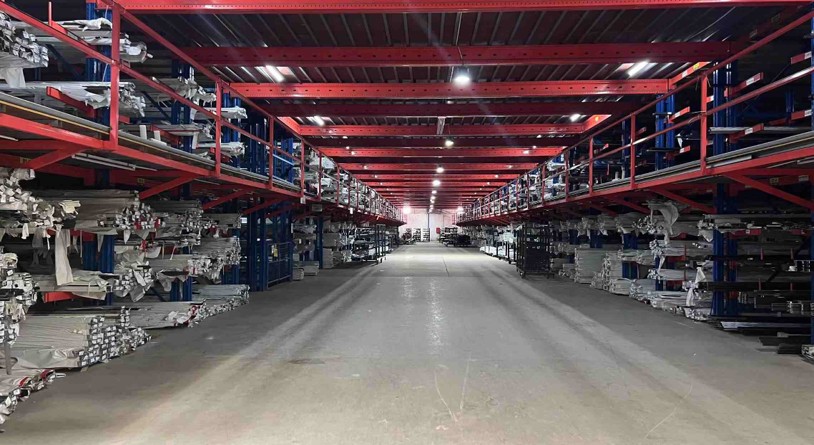 Raw Materials
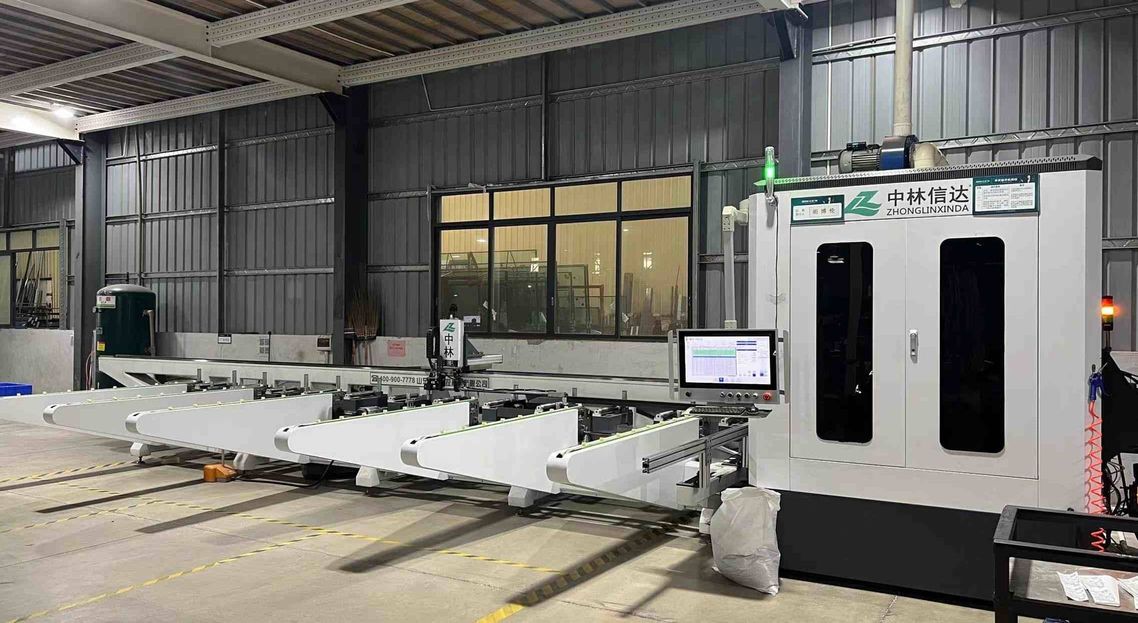 Cutting
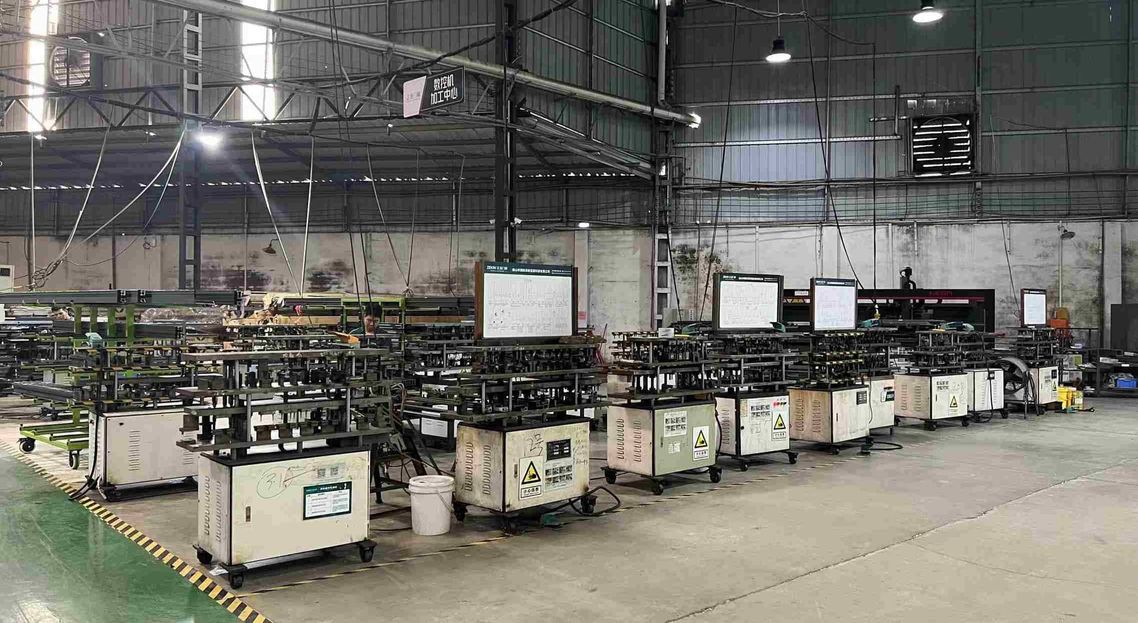 Punching
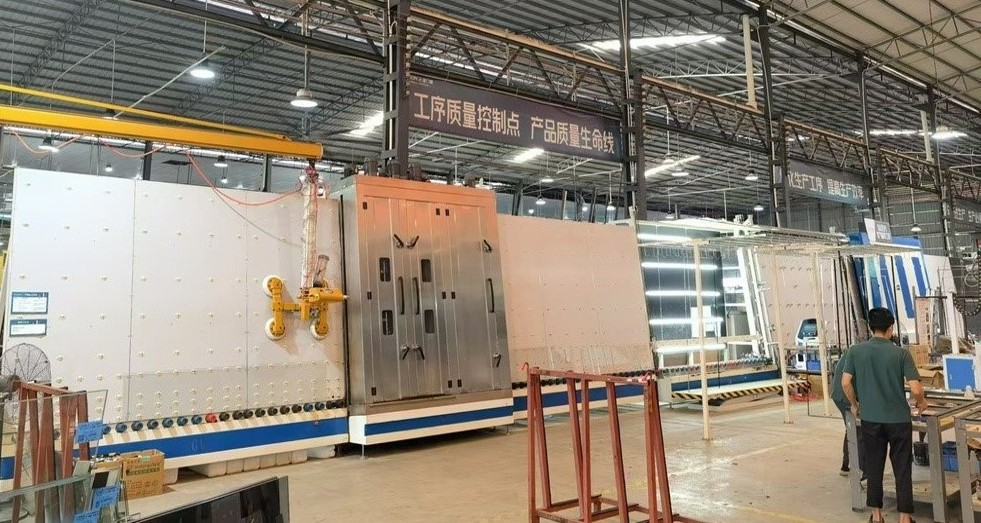 Hollow Processing
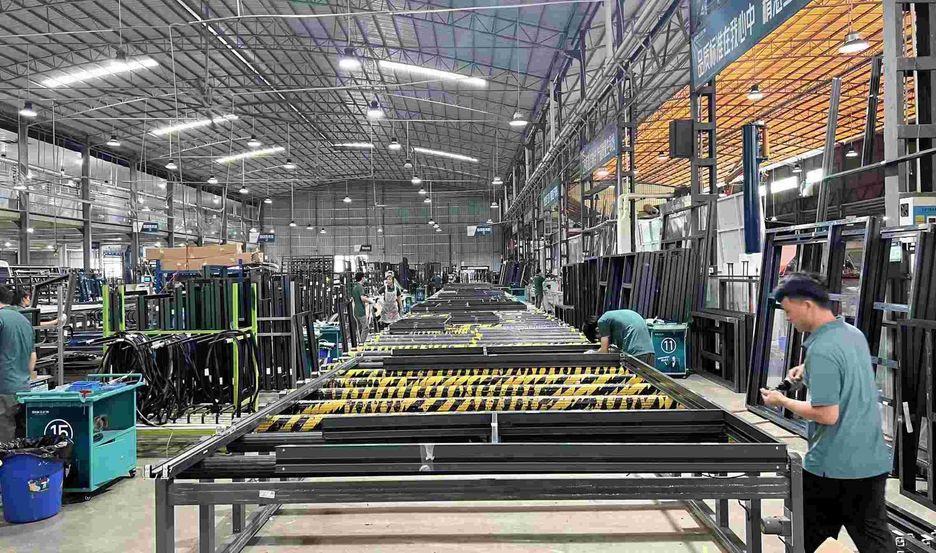 Gluing
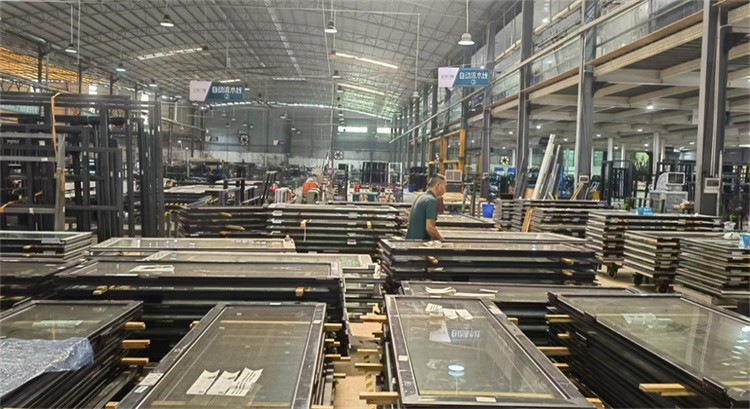 Assembly
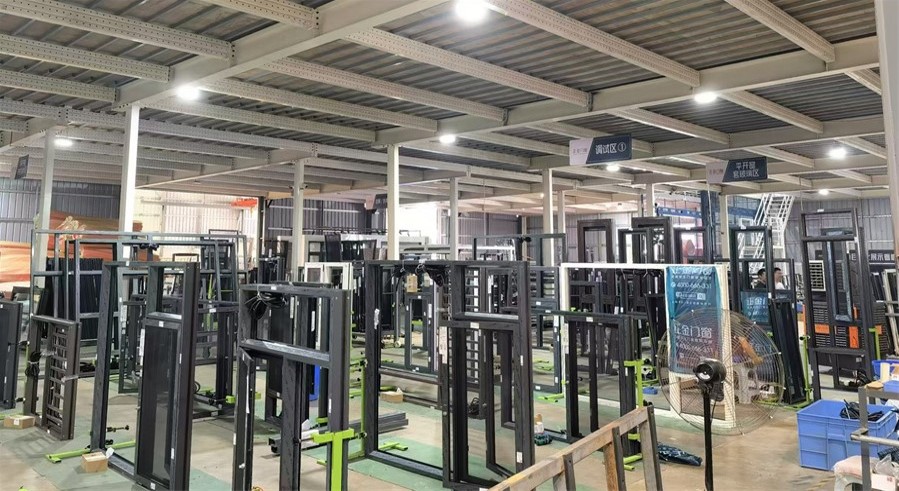 Debugging
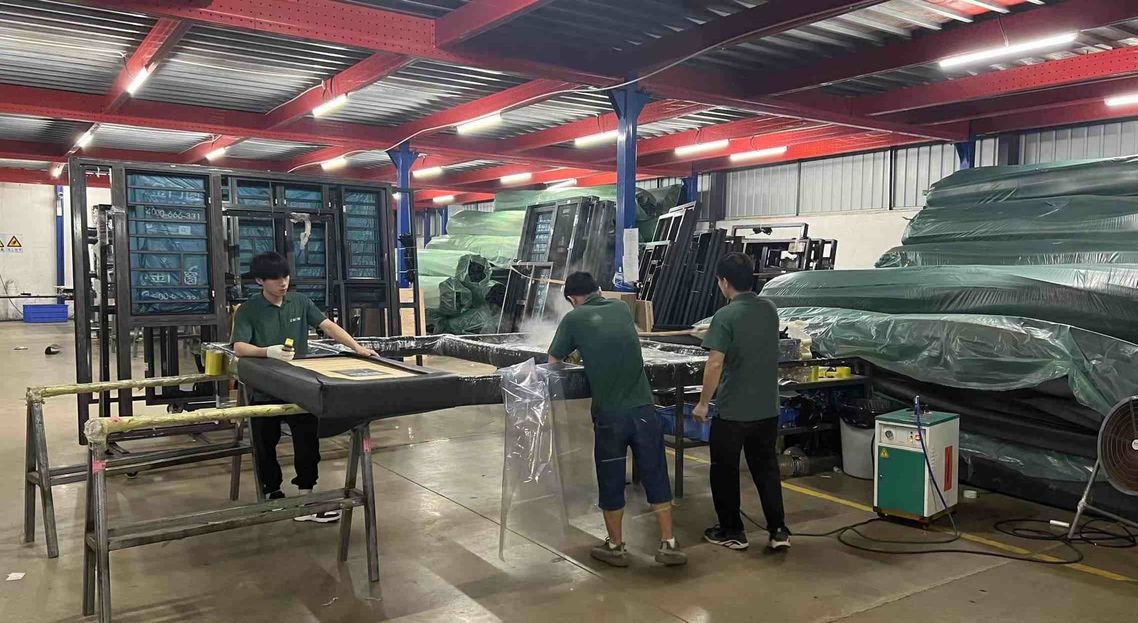 Packing
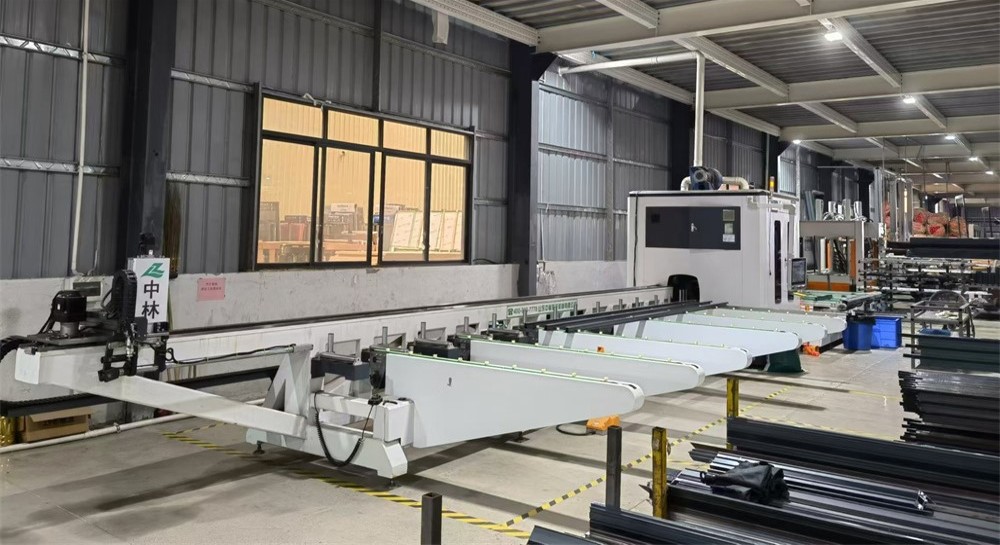 Laser Cutting Machine
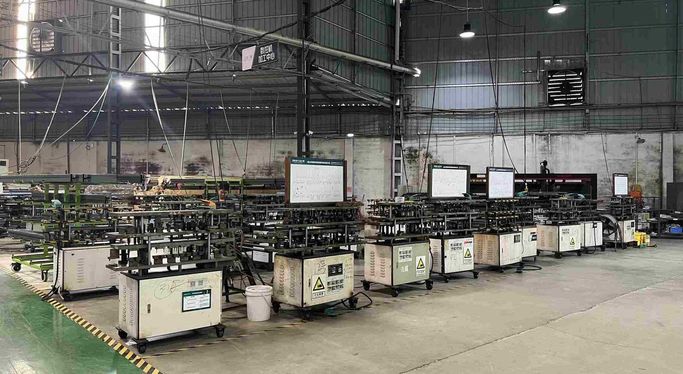 Punching Machine
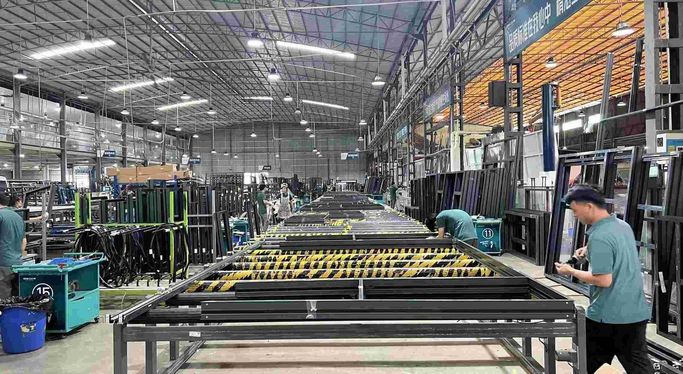 Assembly Line
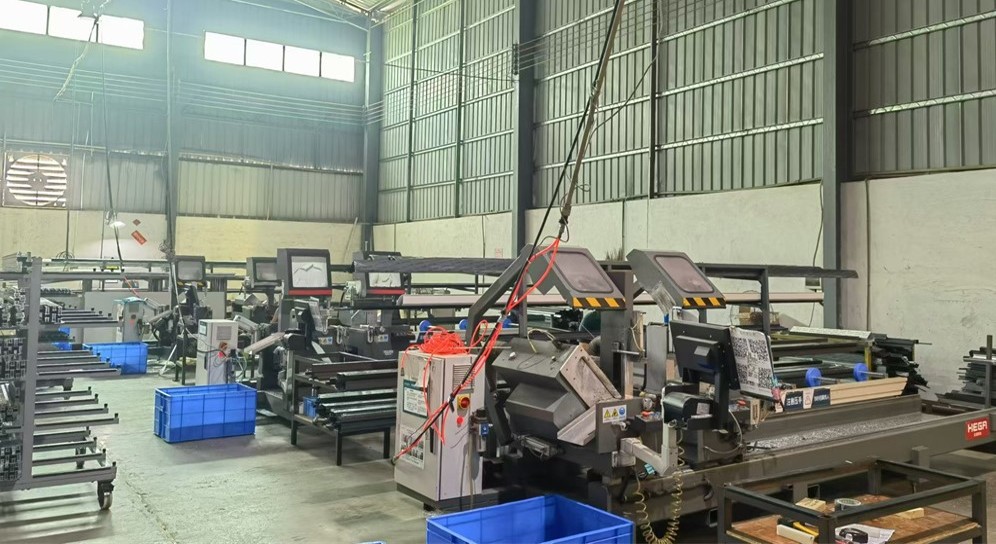 Double Head Sawing Machine
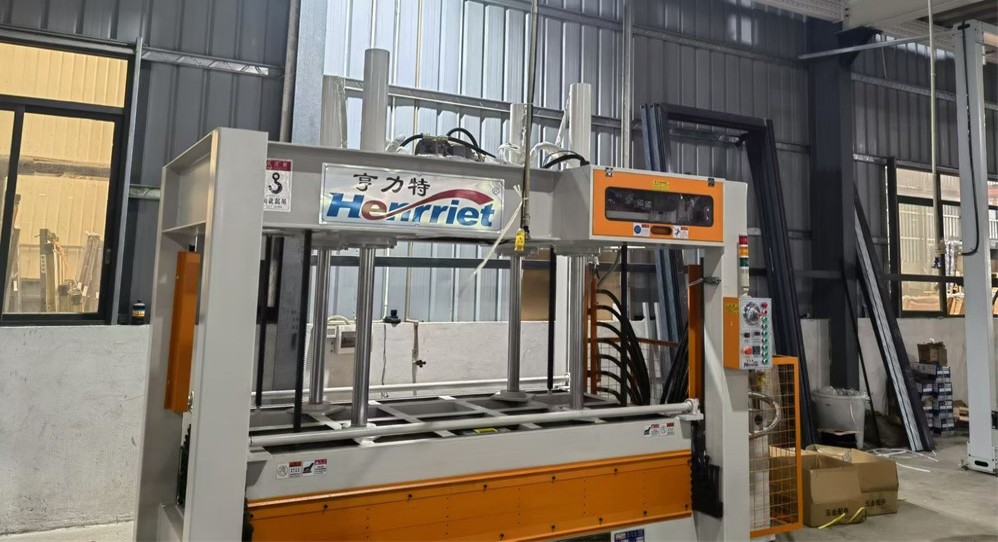 Pressing Machine
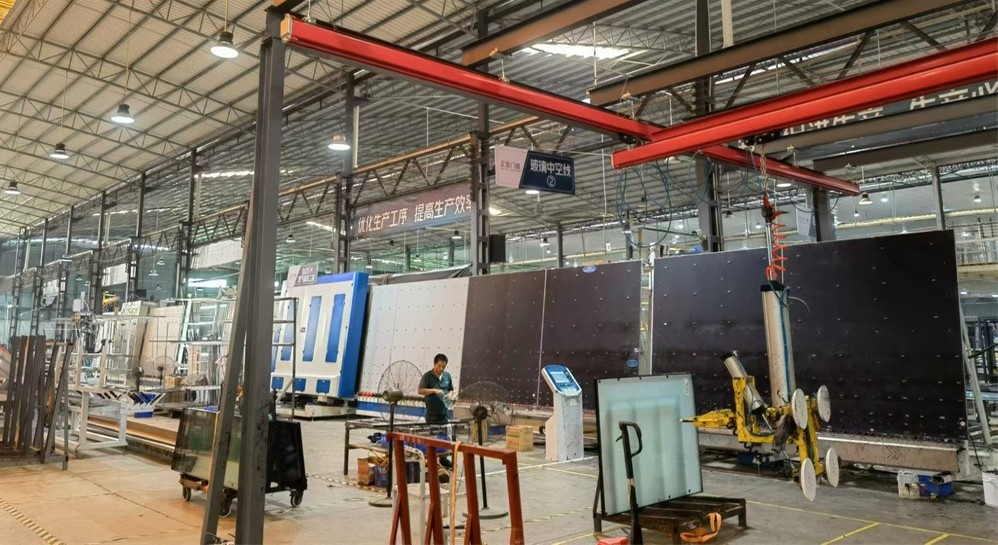 Hollow Line
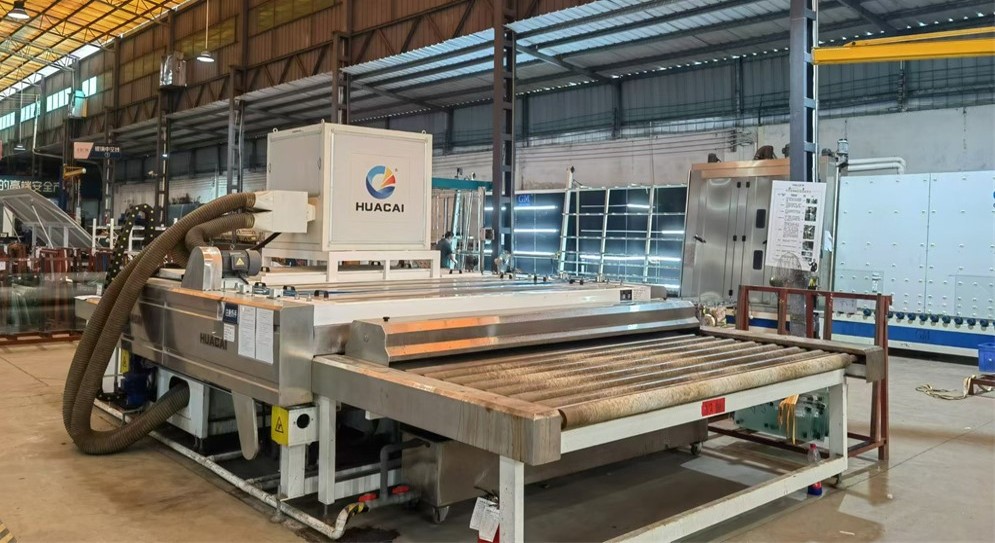 Glass Cleaning Machine
 Bending Machine
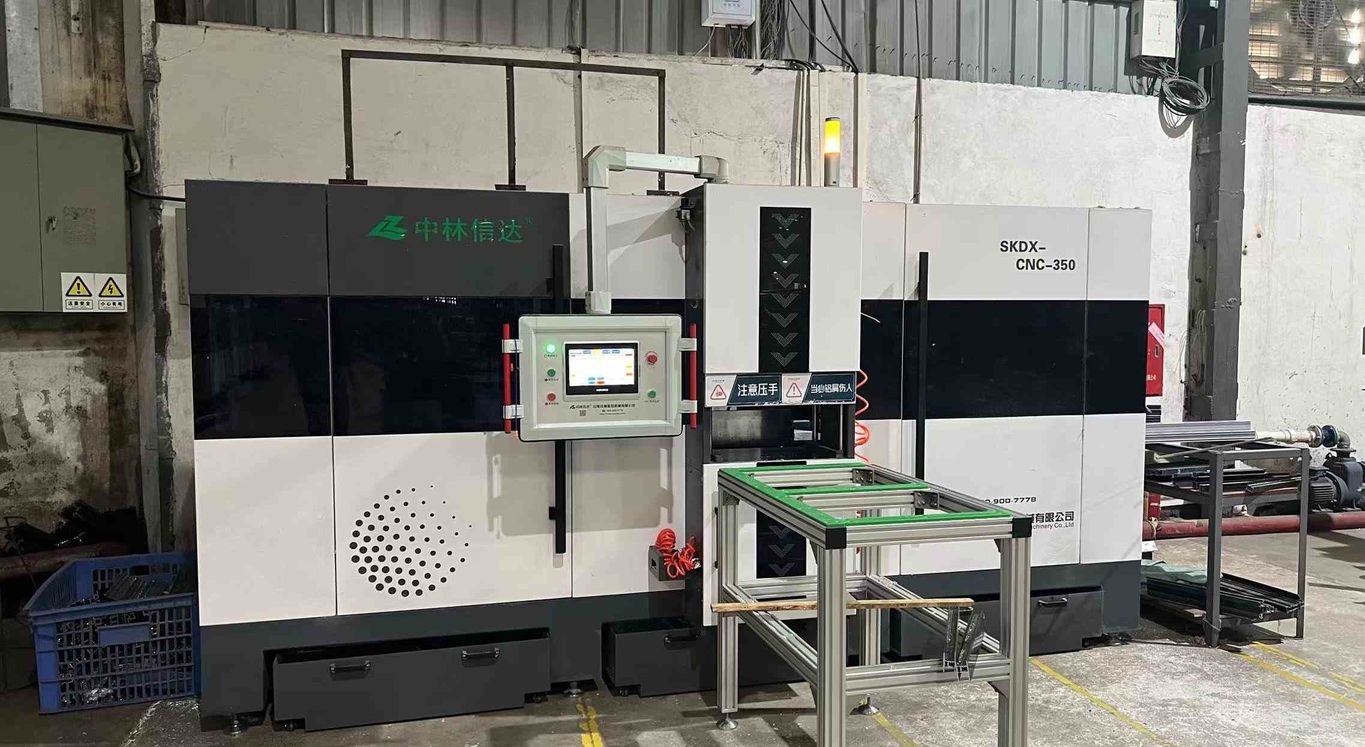 Automatic End Milling
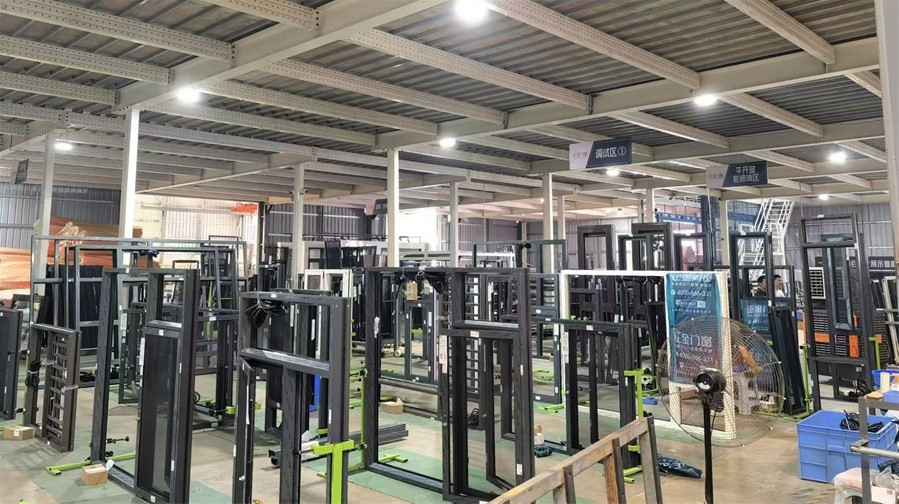 Debugging Station
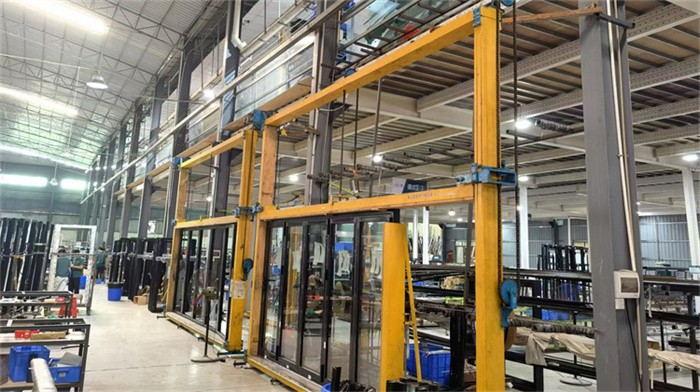 Debugging Frame
Adapting thermal break systems to severe climates, local building codes, and specialized structural requirements worldwide.
Engineering Requirement: High Wind Load (>5000 Pa), Large Missile Impact Resistance (ASTM E1886/E1996), Salt-Spray Corrosion Resistance.
Solution: Thermal break aluminum sliding and entry doors configured with Miami-Dade NOA certified 2.5mm thick structural profile walls, SentryGlas® (SGP) laminated impact glass, multi-point lock hardware, and marine-grade PVDF surface coatings.
Engineering Requirement: Ultra-Low U-Factor ($U \le 0.8 \text{ W/m}^2\text{K}$), Condensation Prevention, Airtight Gasket Seals.
Solution: Wide multi-chamber polyamide thermal strips (34mm+), combined with triple-pane Low-E insulated glass units filled with 90% Argon gas, warm-edge composite spacers, and continuous EPDM triple-seal gaskets to prevent frame icing and interior condensation.
Engineering Requirement: High Acoustic Isolation (STC 38-45), Minimalist Sightlines, Heavy Usage Durability.
Solution: Slim-frame thermal break sliding doors with concealed heavy-duty stainless steel rollers capable of supporting 400kg panels. Dynamic soundproof asymmetric double glazing (e.g., 6mm + 12Ar + 8mm PVB acoustic glass) effectively suppresses low-frequency urban traffic noise.
Essential verification steps for procurement managers, structural engineers, and importers evaluating OEM suppliers.
Verify that raw profiles utilize virgin 6063-T5 or 6063-T6 architectural aluminum alloy rather than recycled scrap aluminum. Recycled aluminum contains impurities that impair structural tensile strength and lead to pitting corrosion during anodization.
Ensure the thermal strip is genuine PA66GF25 (Polyamide 66 with 25% glass fiber), branded by industry leaders like Technoform or domestic equivalent standard setters. Avoid cheap PVC or unreinforced nylon strips, which degrade under UV exposure and break during thermal contraction.
Inspect the structural corner joins. Premium thermal break doors must feature mechanically injected two-component corner glue (epoxy sealant) combined with stainless steel corner cleats. This guarantees long-term water tightness and structural rigidity during wind deflection.
Clear, authoritative answers to common technical, procurement, and structural questions surrounding thermal break aluminum doors.
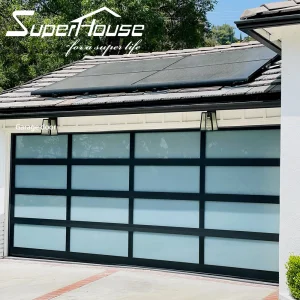
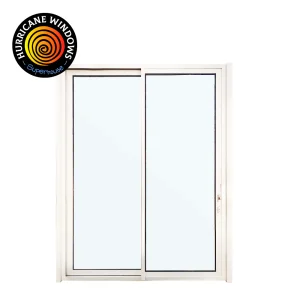
Explore specialized hurricane-resistant garage doors, slim sliding patio doors, security mesh partitions, and energy-star awning windows.
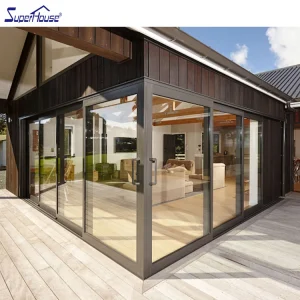
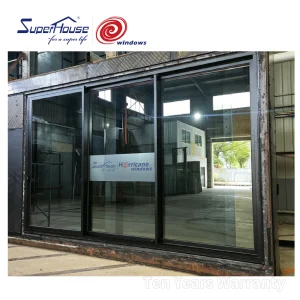
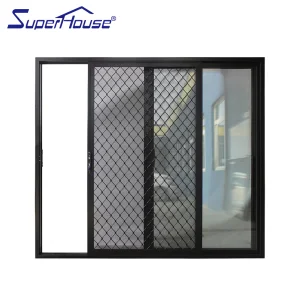
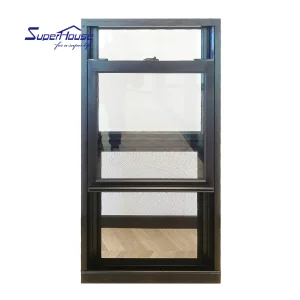
 Veridor