Precision-engineered aluminum pivot entry systems, thermal break structural profiles, and high-performance architectural glazing for global commercial, residential, and mega-scale development projects.
Explore our CE, NFRC, and AS2047 certified architectural window and door solutions optimized for extreme structural endurance, acoustic insulation, and thermal efficiency.
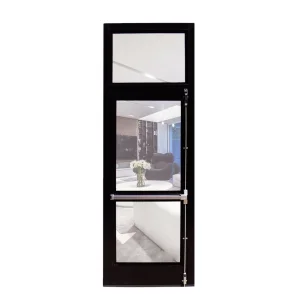
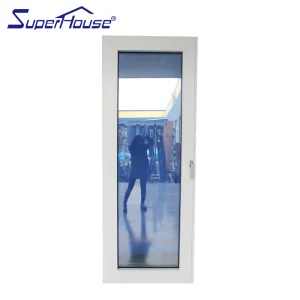
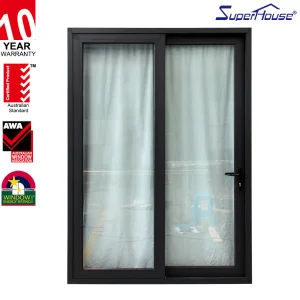
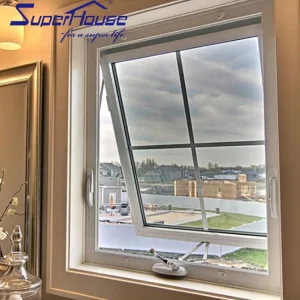
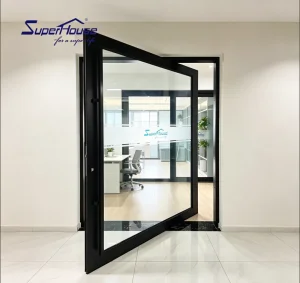
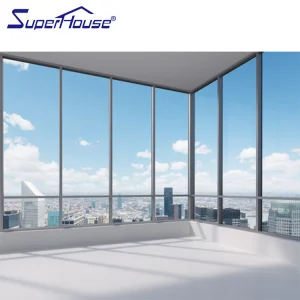
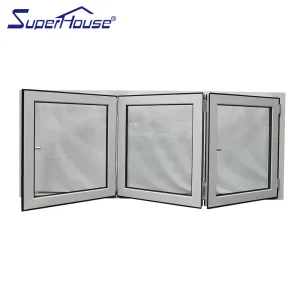
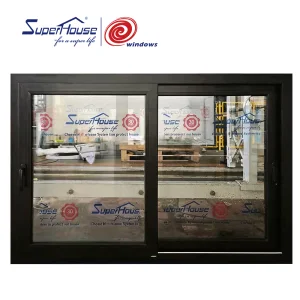
In modern architectural design, the grand entry door serves as the primary visual anchor and structural statement of luxury residential estates, boutique hotels, and corporate headquarters. Over the past decade, traditional side-hinged doors have increasingly given way to oversized aluminum pivot doors. Unlike standard butt hinges attached to a vertical frame jamb, pivot doors operate on a rotational axis driven by top and bottom offset pivot pins or concealed hydraulic floor springs. This structural mechanism redistributes heavy door panel loads directly onto the floor substrate rather than putting rotational shear stress on the perimeter door frame.
As a leading CE Certified Pivot Door Factory & Exporter, Veridor Door Technologies addresses the complex structural physics, thermodynamic challenges, and air-tightness requirements inherent in manufacturing monumental entryways up to 4 meters (13 feet) in height and 2.5 meters (8 feet) in width. Achieving European CE compliance under EN 14351-1 requires rigorous mechanical endurance testing, air permeability classification (EN 12207), water tightness testing (EN 12208), and resistance to wind loads up to class C5/B5 under extreme structural pressure differentials.
By relocating the rotational axis inward (typically 150mm to 500mm from the frame edge), floor pivot hinges absorb vertical dead loads up to 500 kg (1,100 lbs), allowing effortless, smooth fingertip operation without frame sagging over decades.
Incorporating multi-chambered polyamide (PA66-GF25) thermal breaks within extruded 6063-T6 aluminum profiles prevents thermal bridging, ensuring strict U-factor performance down to 0.85 W/m²K in cold climates.
Equipped with automatic perimeter drop-down seals, magnetic weatherstripping, and multi-tier EPDM gasket seals to overcome historical pivot door air leakage challenges.
The structural engineering of modern architectural pivot systems is undergoing a technological revolution. Factory automation, material science breakthroughs, and smart home integration are setting new benchmarks for high-end entrance solutions. Below is our engineering roadmap for next-generation pivot door manufacturing:
| Engineering Phase | Core Innovation focus | Technical Specifications | Target Standard Compliance |
|---|---|---|---|
| Hydraulic Floor Spring Evolution | Fully concealed dynamic speed control floor hinges with dual 90° hold-open & soft-close damper features. | Max Load: 500kg; Adjustable latch speed 0°-15°; Closing speed 15°-160°. Stainless steel 316 casing. | EN 1154, CE Mark, ANSI Grade 1 |
| Smart Access Hardware Integration | 3D biometric facial recognition, encrypted motor locks, and optical door position sensors integrated inside aluminum profile frame. | Sub-second recognition, AES-128 encryption, battery backup, Tuya/Zigbee/Z-Wave smart ecosystem integration. | FCC, CE-EMC, UL634 |
| Acoustic & Weather Envelope | Dual pneumatic drop seals & active magnetic weatherstripping at top/bottom pivot gaps. | Acoustic rating up to Rw 45 dB; Water tightness up to 900 Pa; Air infiltration < 0.1 CFM/sq ft. | EN 12207 Class 4, ASTM E283 |
| Surface Finishing Science | Nanotechnology marine-grade anodizing and PVDF fluoropolymer coating for extreme UV and saline environments. | Qualicoat Class 3, AAMA 2605 standard compliance; 30-year resistance against salt fog corrosion. | ISO 9227 (NSS 3000 Hours) |
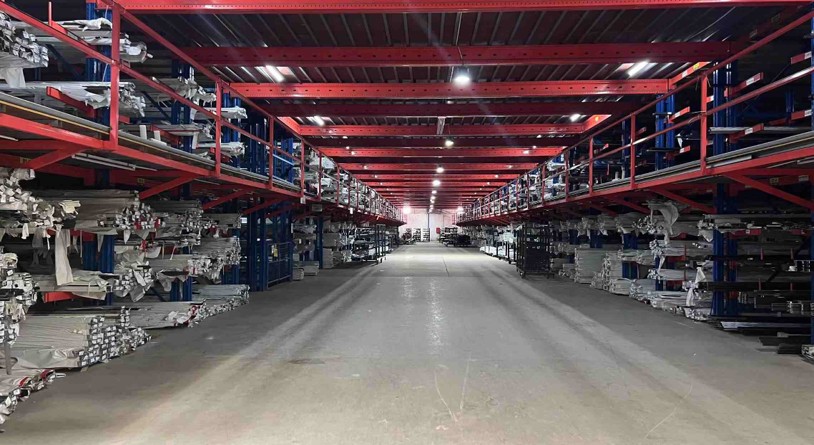
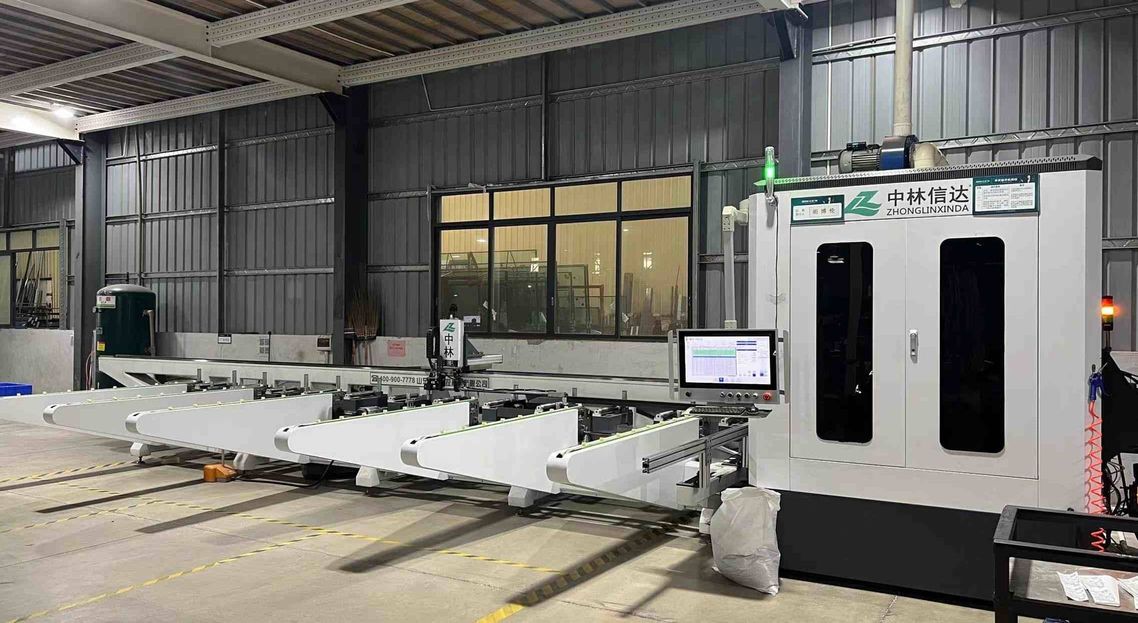
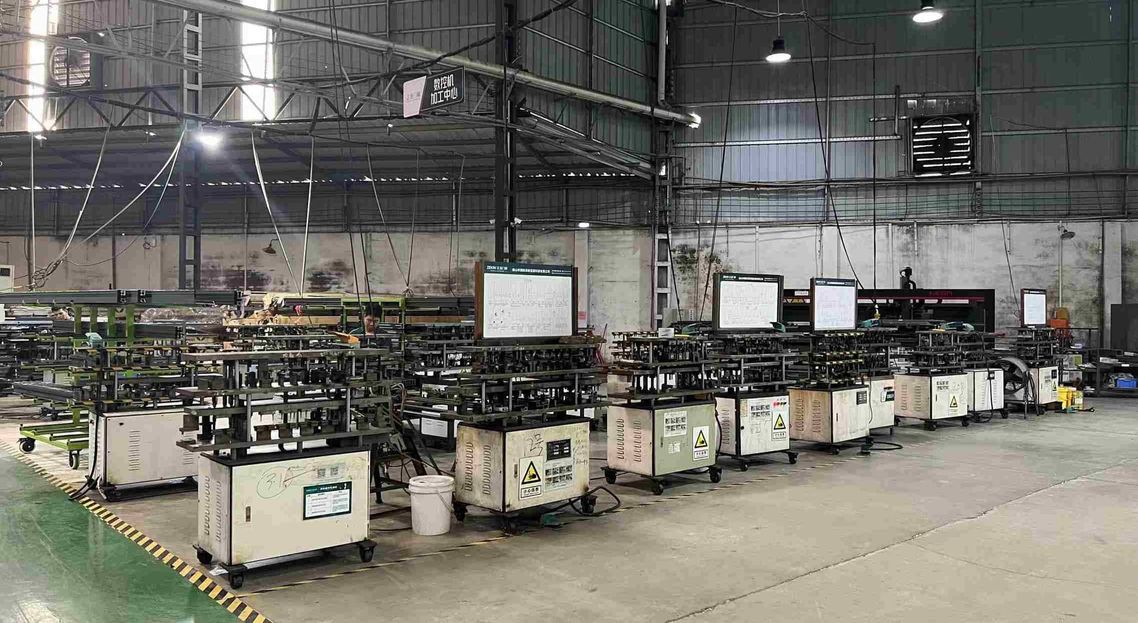
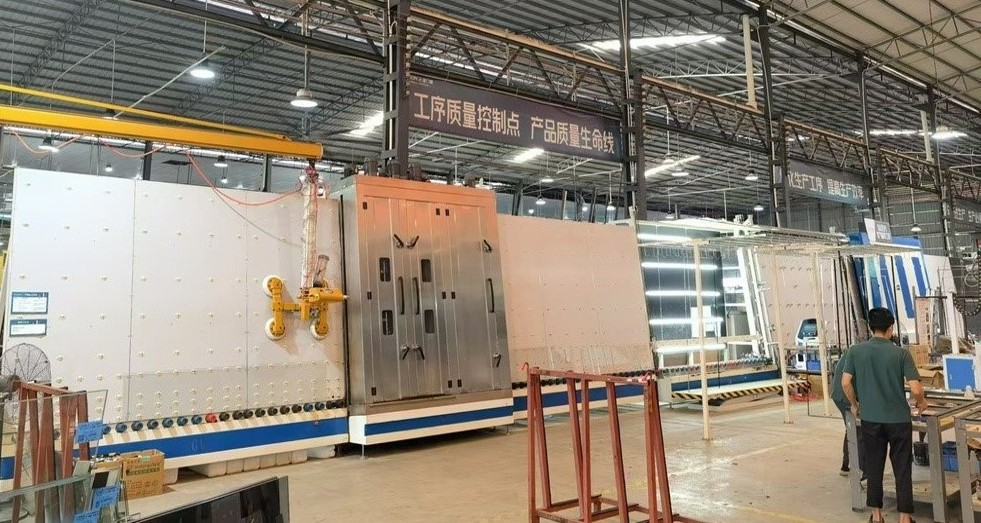
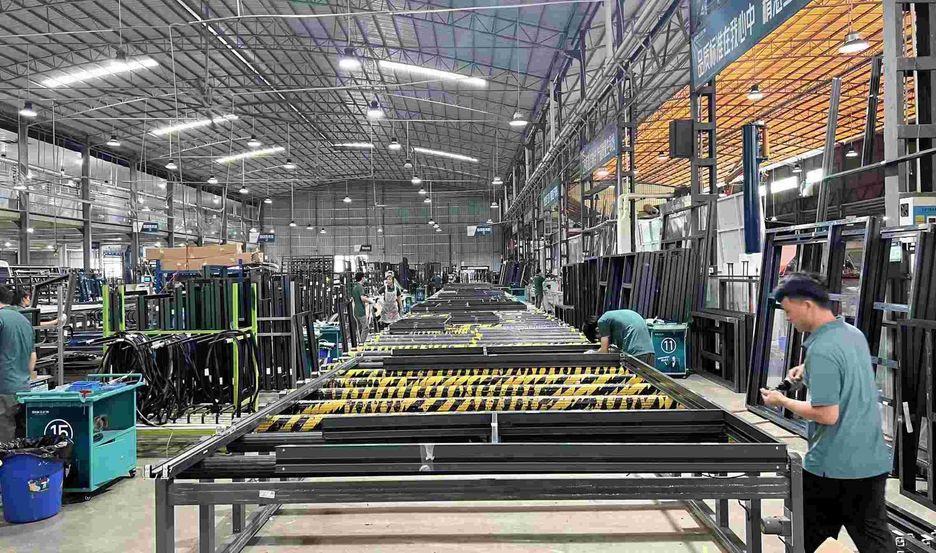
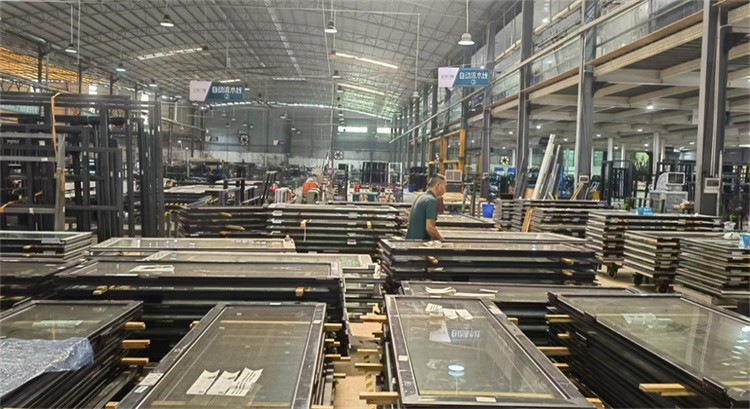
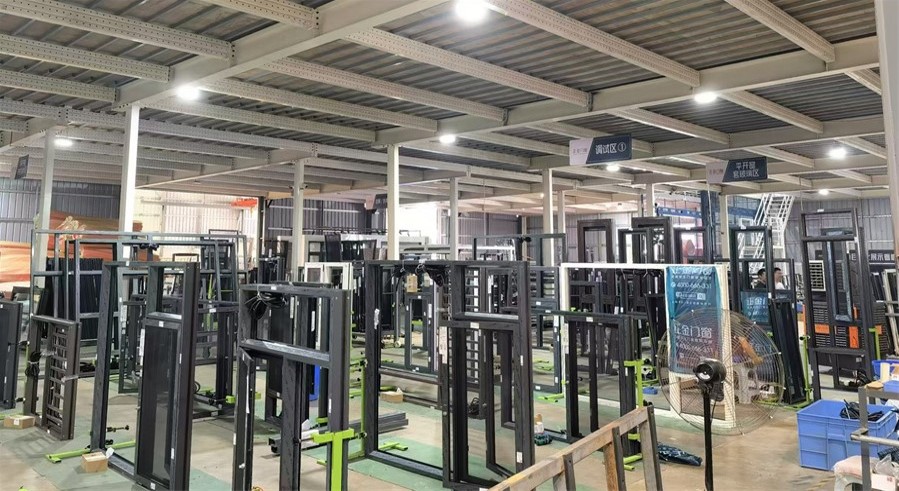
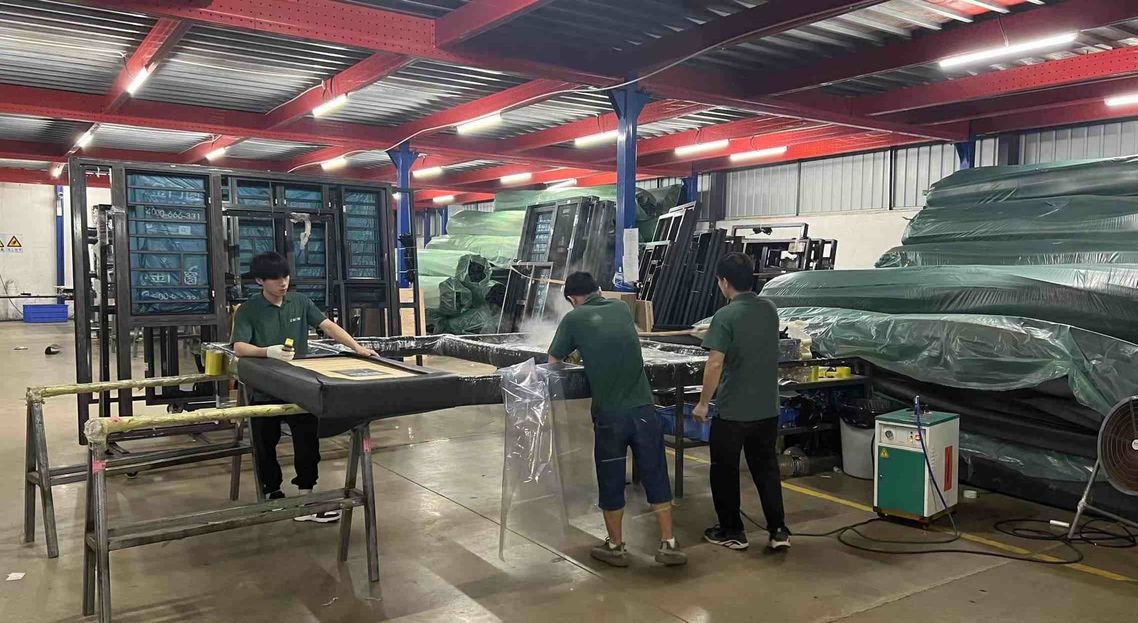
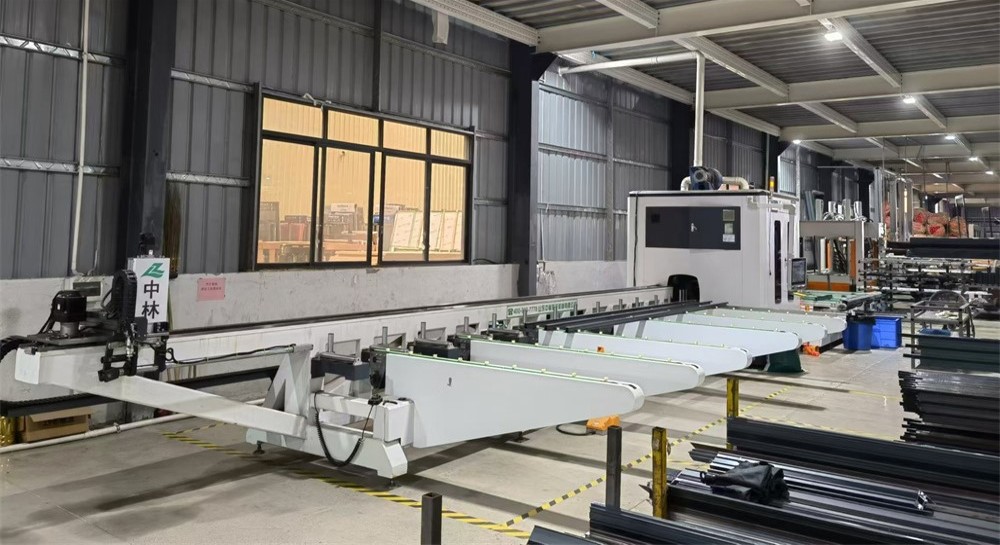
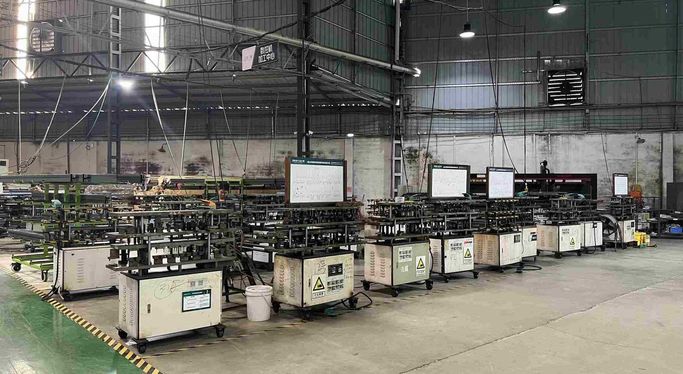
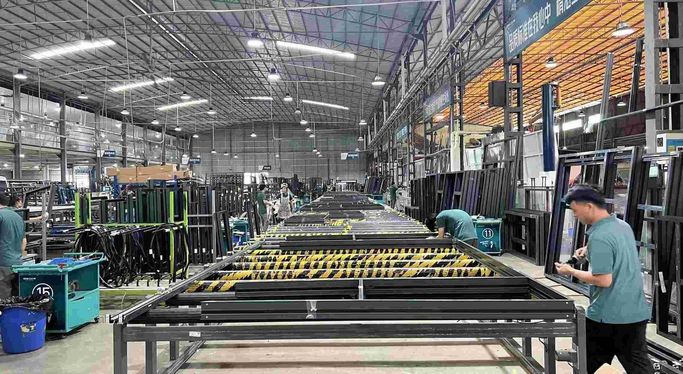
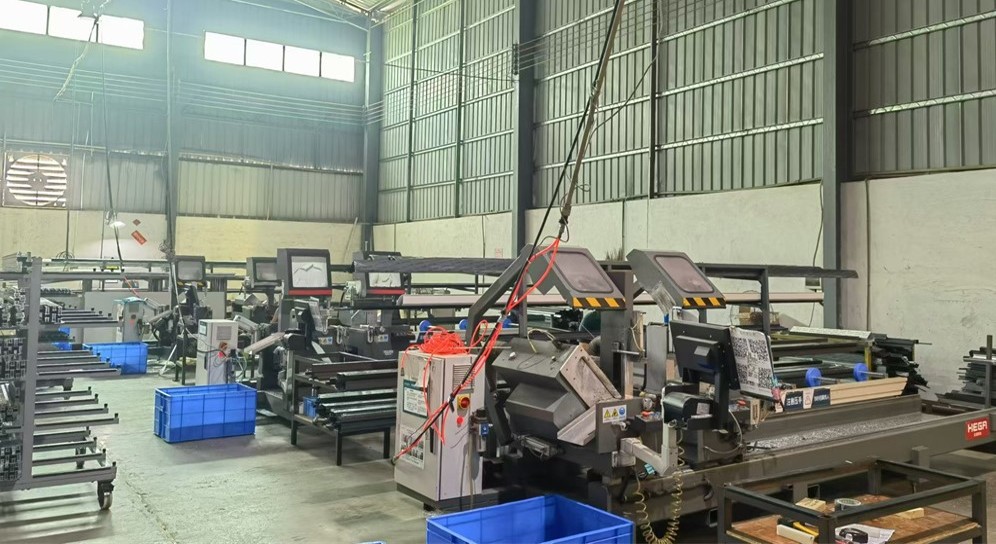
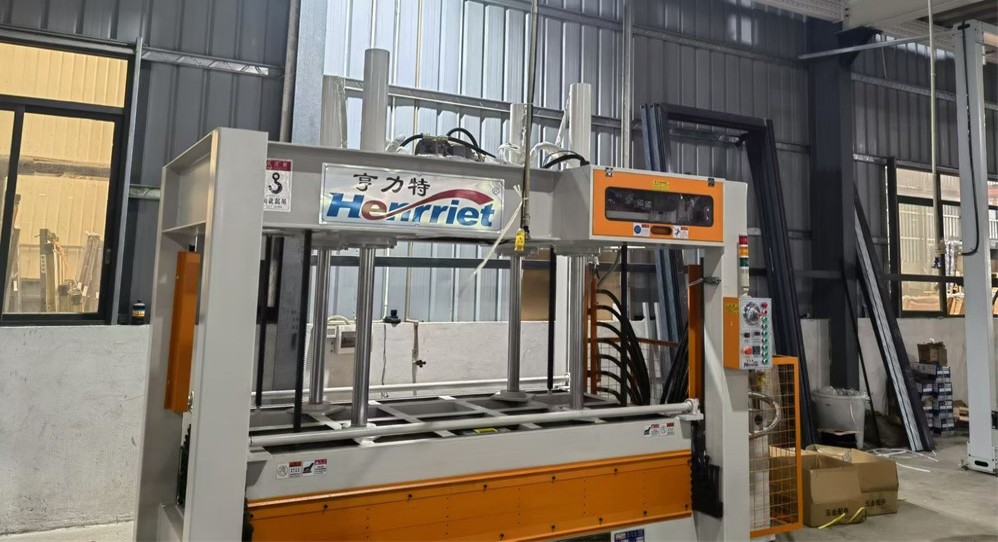
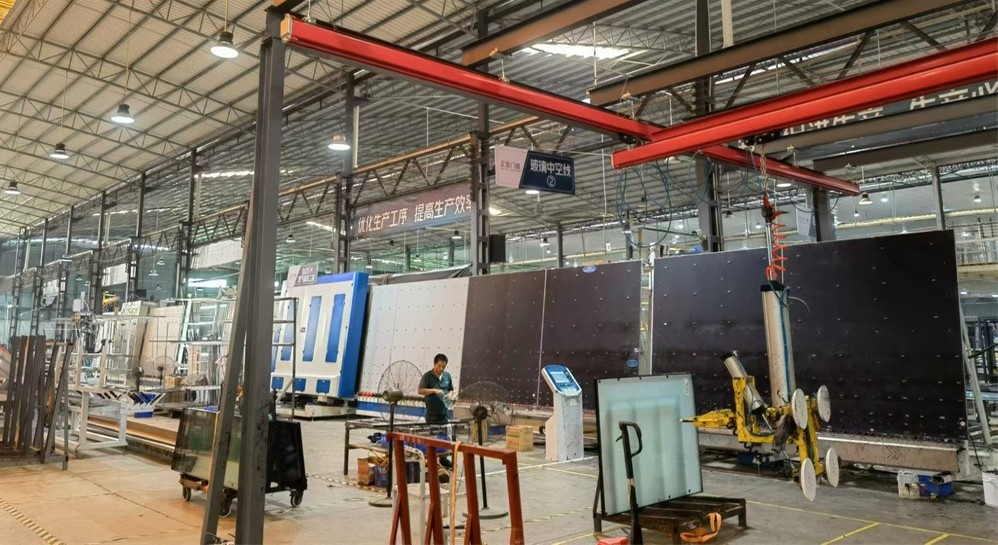
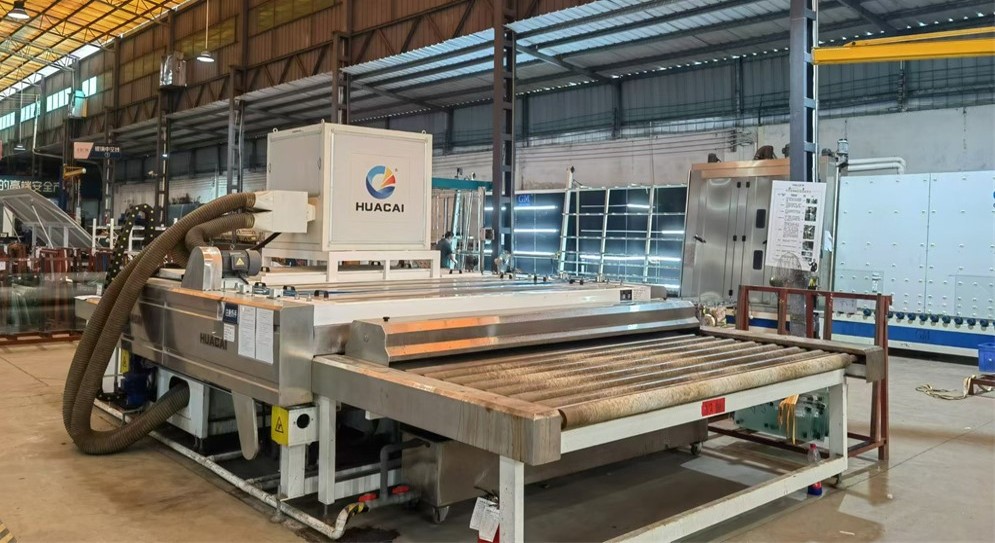
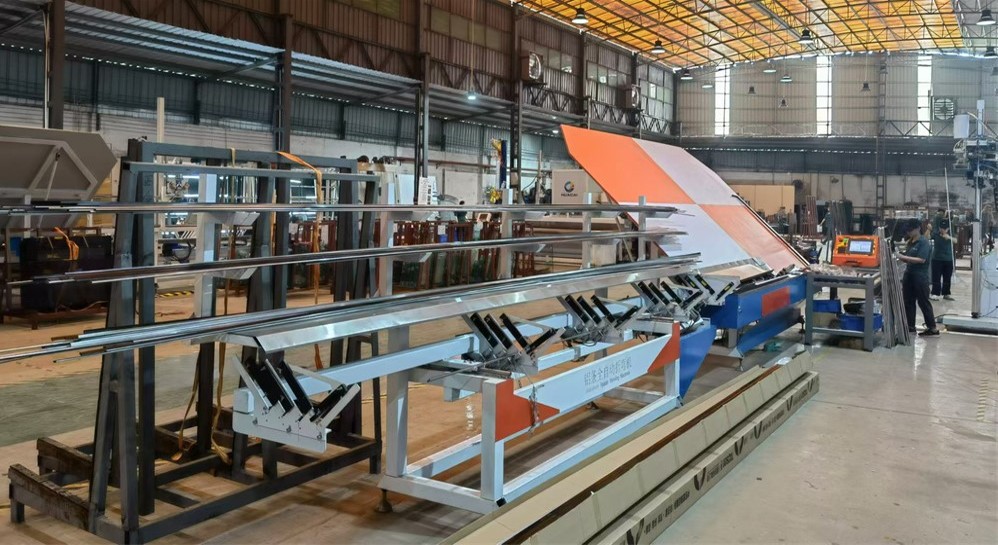
Our vertical integration spans raw billet cutting, precision CNC end milling, robotic hollow glass unit (IGU) assembly, and rigorous load debugging. Below is our complete production sequence and specialized equipment gallery:
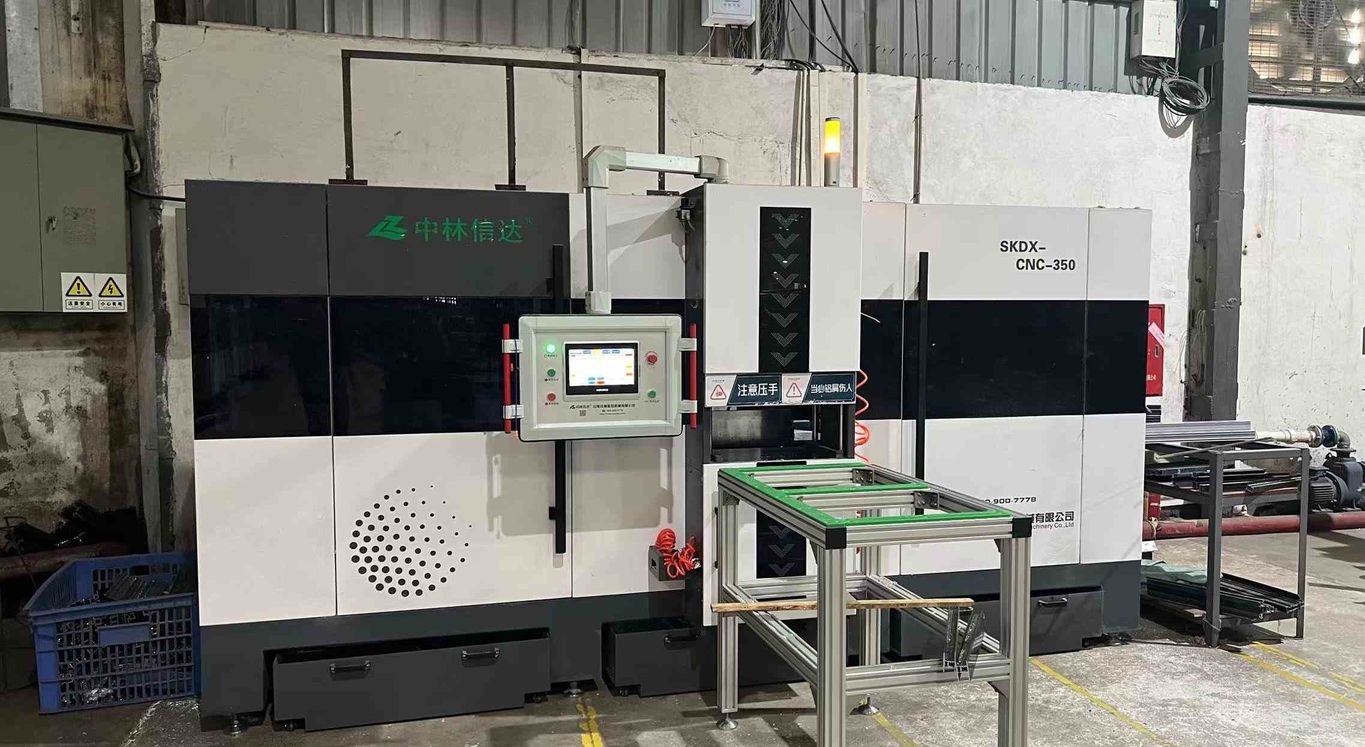
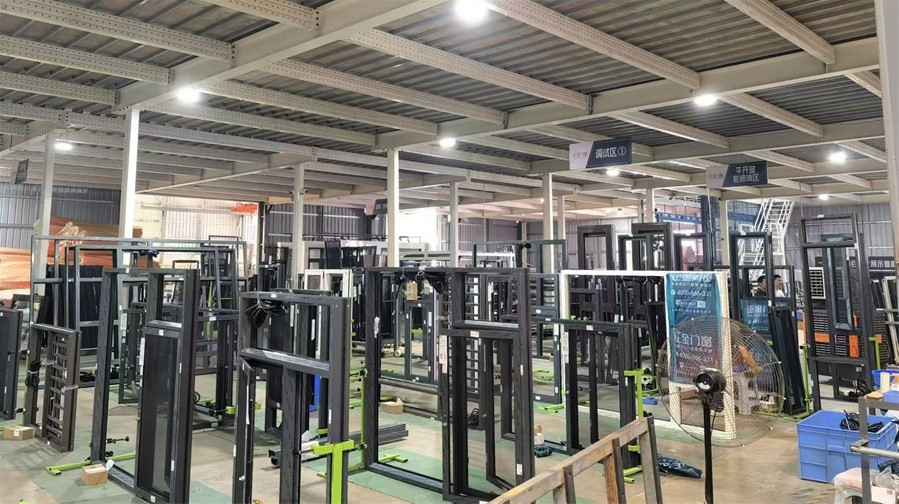
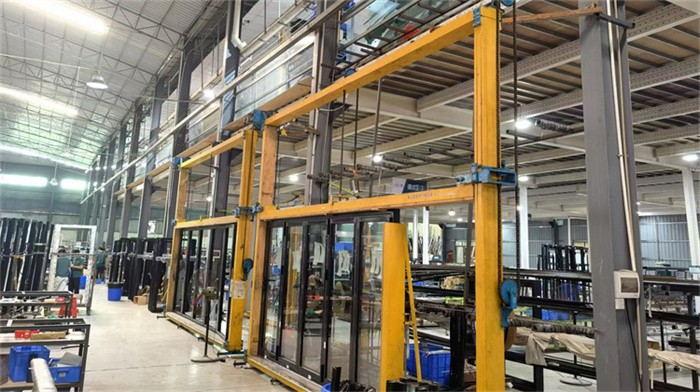
Veridor pivot doors are customized to meet localized building codes, climate parameters, and aesthetic preferences across distinct geographic regions:
Regulatory Standards: NFRC thermal performance, Miami-Dade NOA & Florida Building Code HVHZ (High-Velocity Hurricane Zone) impact resistance up to +96/-96 PSF pressure ratings.
Applications: Modern coastal villas in Florida, luxury urban residences in California, and luxury commercial lobbies requiring heavy-duty storm impact glass.
Regulatory Standards: AS2047 structural window & door code, AS1288 architectural glass safety, and BAL-40 / BAL-FZ Bushfire Attack Level protection compliance.
Applications: Architectural beachfront homes in Sydney & Melbourne featuring marine-grade anodized profiles resistant to airborne saline degradation.
Regulatory Standards: CE Marking under Construction Products Regulation (CPR), EN 14351-1, Passive House thermal U-values below 0.8 W/m²K.
Applications: Ultra-low energy eco-villas, high-end commercial office headquarters in Western & Northern Europe demanding strict thermal insulation.
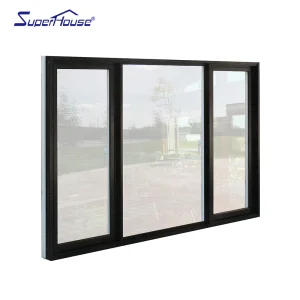
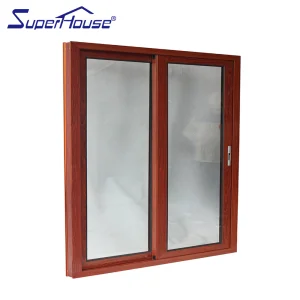
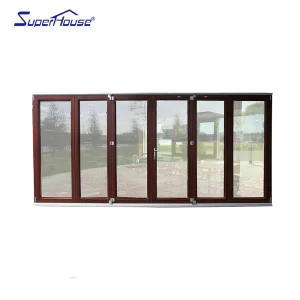
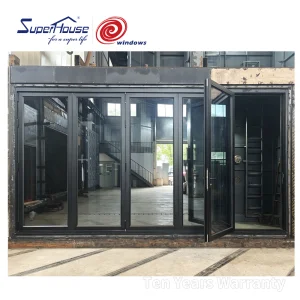
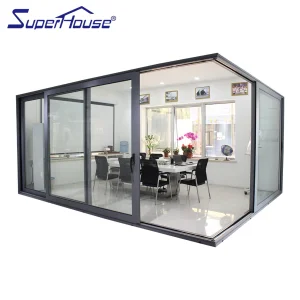
Direct factory export lineup including specialized hurricane-impact, bulletproof, thermal-break sliding, and custom arched casement series.
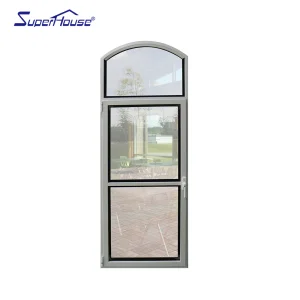
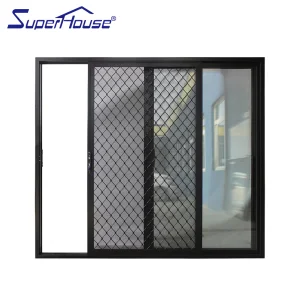
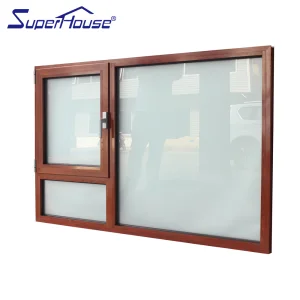
In-depth technical answers addressing engineering parameters, CE compliance, lead times, and structural installation specifications for architects, contractors, and international door importers.
 Veridor