Explore our CE & NFRC certified double-glazed entry systems tailored for commercial and high-end residential applications.
In contemporary architectural design and structural engineering, entry systems serve as the critical boundary between external environmental stresses and internal thermal comfort. CE Certified Double Glazed Aluminum Entry Doors represent the synthesis of advanced metallurgy, thermodynamic insulation, and structural security. Specifying entry systems for modern residential, multi-family, and commercial developments requires balancing strict energy efficiency codes (such as EN 14351-1 across the European Economic Area) with long-term mechanical durability and modern aesthetics.
Aluminum as a structural material offers an exceptional strength-to-weight ratio, enabling ultra-slim sightlines without compromising load-bearing resistance against extreme wind pressure (up to Class C5/P3 standards under EN 12210). However, untreated aluminum conducts thermal energy rapidly ($k \approx 160 \text{ W/m}\cdot\text{K}$). To meet global carbon-neutral building directives and achieve low U-values ($U_d \le 1.2 \text{ W/m}^2\text{K}$), leading manufacturers utilize extruded polyamide (PA66-GF25) thermal breaks combined with precision-sealed Insulating Glass Units (IGUs).
A premium double-glazed entry system relies on a multi-chamber structural profile. The outer aluminum shell is structurally separated from the inner profile by a 24mm to 34mm fiberglass-reinforced polyamide thermal barrier. Inside the double-glazed unit, two layers of 5mm or 6mm toughened safety glass (certified to EN 12150) enclose a hermetically sealed gas cavity (typically 12mm to 16mm filled with 90%+ Argon gas). Low-Emissivity (Low-E) soft coatings are applied to Surface #2 or #3 to reflect far-infrared heat back into the building interior during winter and mitigate solar heat gain (SHGC) during summer.
| Performance Characteristic | Standard Entry System | Veridor CE-Certified Double Glazed System | Architectural Impact |
|---|---|---|---|
| Profile Thermal Break | Single PA66 Strip (14mm) | Multi-Chamber PA66-GF25 (28-34mm) + Foam Insulation | Reduces thermal bridging across frame by 68% |
| Glass Cavity Gas | Standard Dehydrated Air | 90% Argon Gas Fill with Warm-Edge Swisspacer | Lowers glass overall U-factor down to 1.0 W/m²K |
| Weather Gaskets | Standard PVC Seals | Triple Continuous EPDM Co-Extruded Gaskets | Prevents air infiltration under 600 Pa pressure differential |
| Surface Treatment | Standard Powder Coating (40-60 $\mu\text{m}$) | Qualicoat Class 2 / Marine-Grade Anodizing (≥ 25 $\mu\text{m}$) | Resists salt-spray corrosion for over 3,000 hours (ASTM B117) |
Established in 2013, Veridor Door Technologies Co., Ltd. operates a streamlined 19,000 m² production hub dedicated to contemporary residential entry doors and high-rise fenestration solutions. Built upon 11 years of deep industry manufacturing experience and 5 years of active foreign trade execution, the firm generates over $11 million in annual export revenue. Veridor directly supplies door importers, housing project contractors, and online distributors across fast-growing architectural markets in Oceania, Southeast Asia, and North America.
Veridor collaborates with over 480 vetted hardware and material suppliers globally to guarantee raw material purity, alloy grade consistency (AlMgSi0.5 / 6063-T5/T6), and hardware reliability. A dedicated team of 22 quality inspectors executes strict quality control regimens—including IP65 weather-seal hydrostatic testing, surface coating cross-hatch adhesion testing, and precision manual assembly checks. Driven by modern design trends and localized building codes, Veridor’s 28 R&D engineers developed 65 new entry door models last year alone.
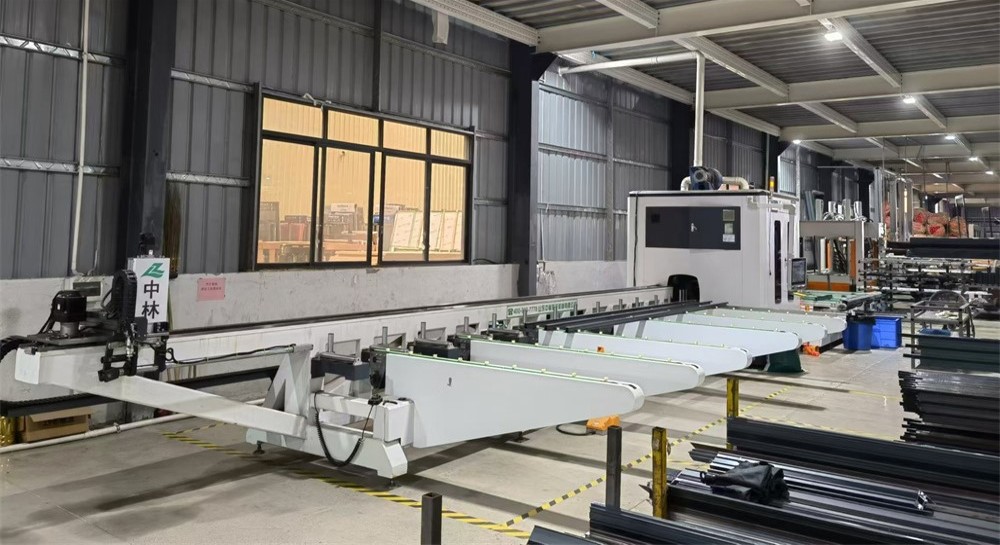
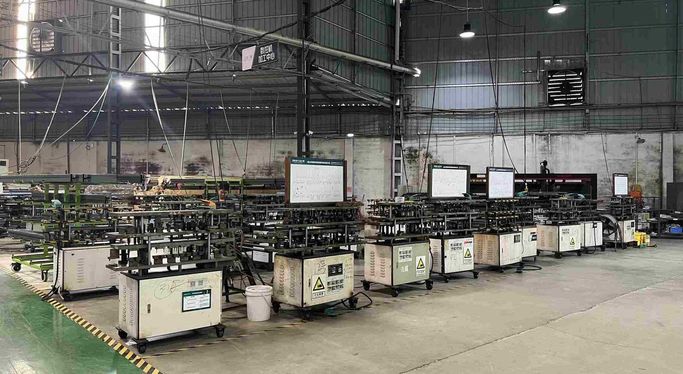
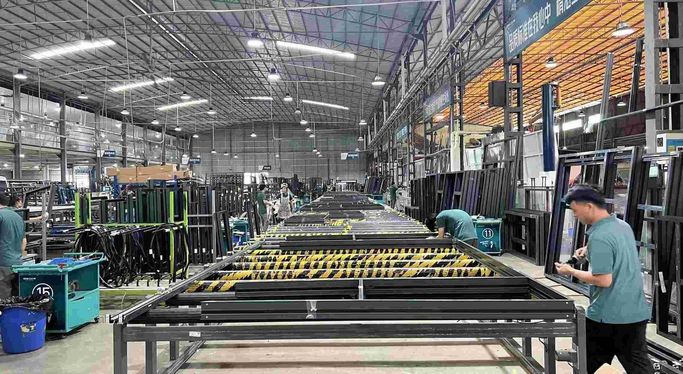
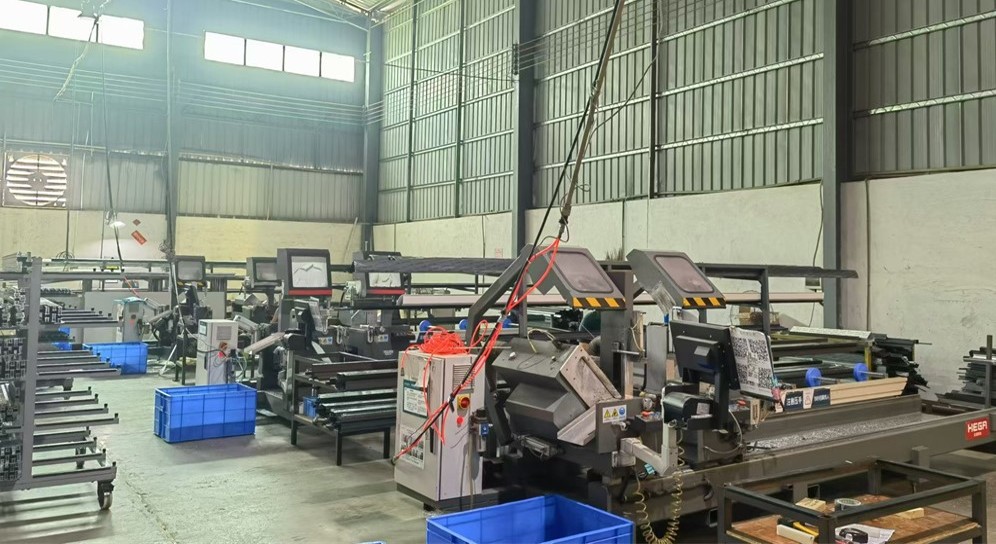
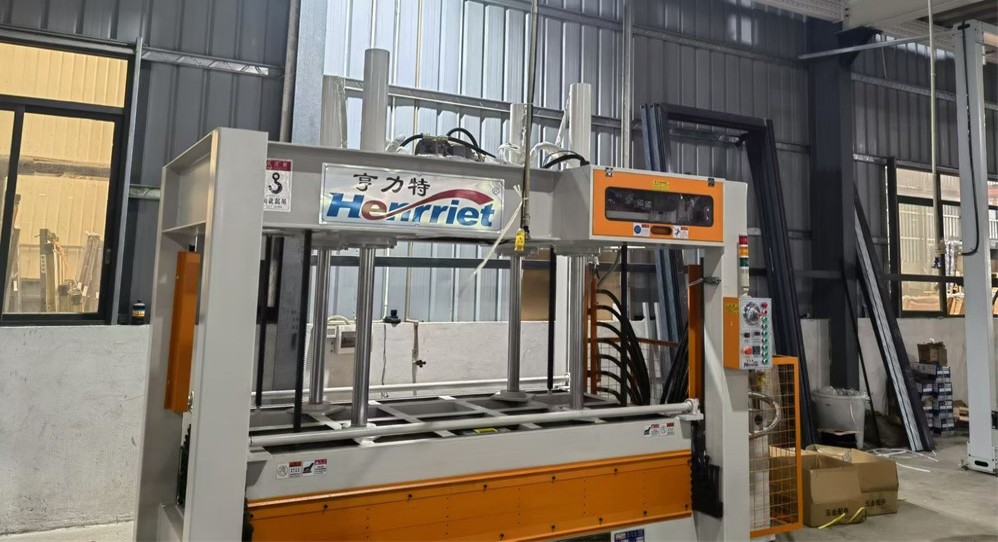
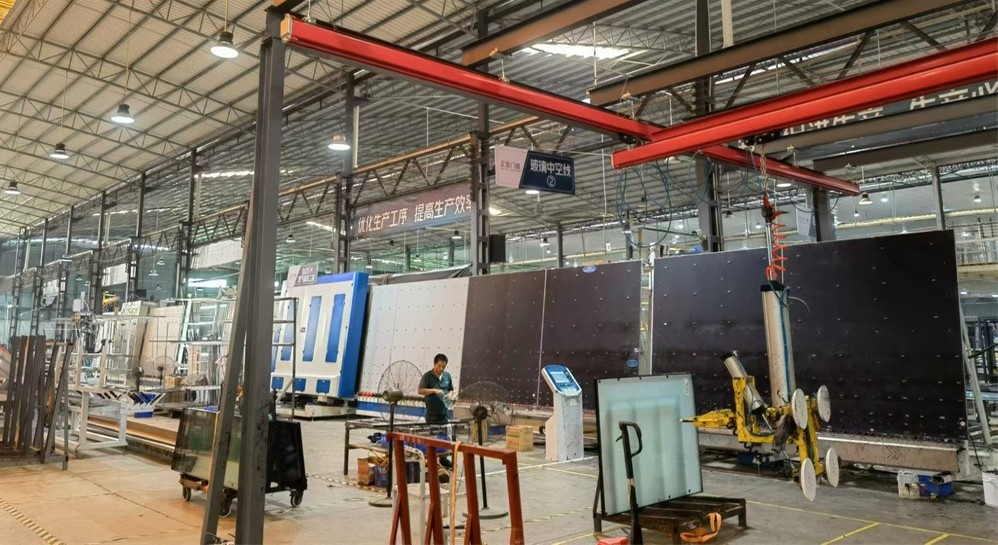
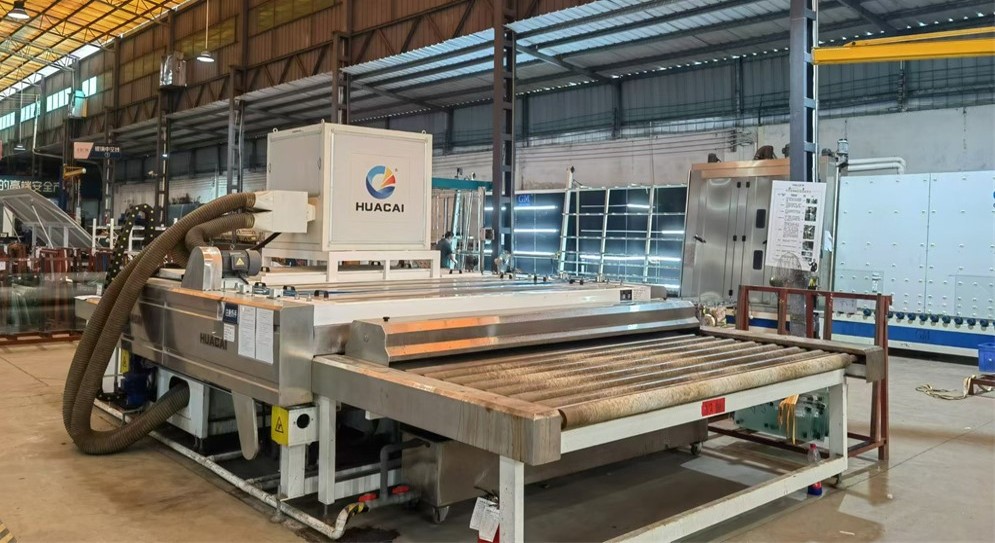
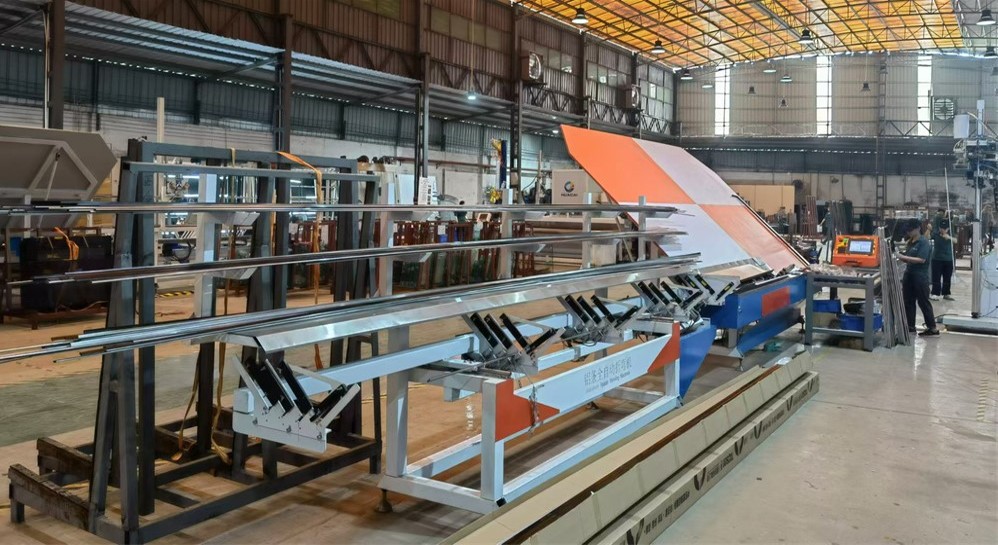
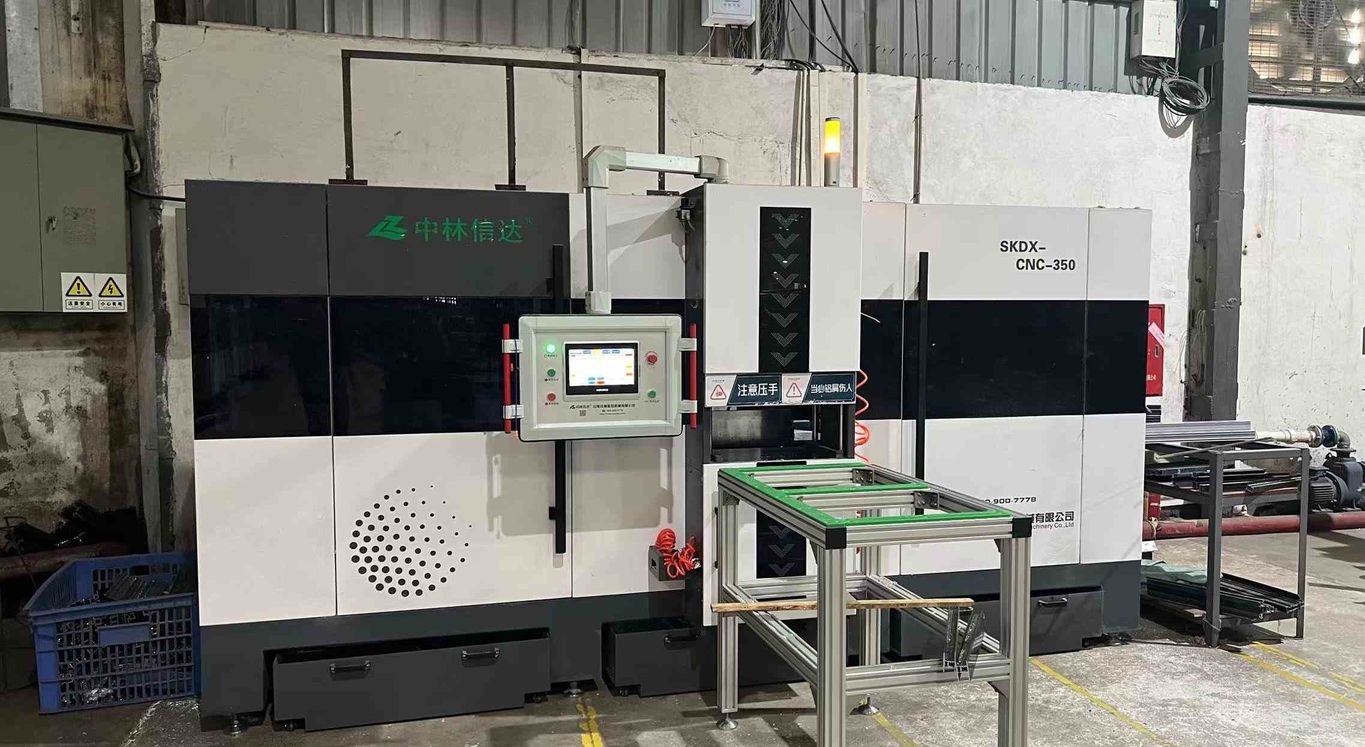
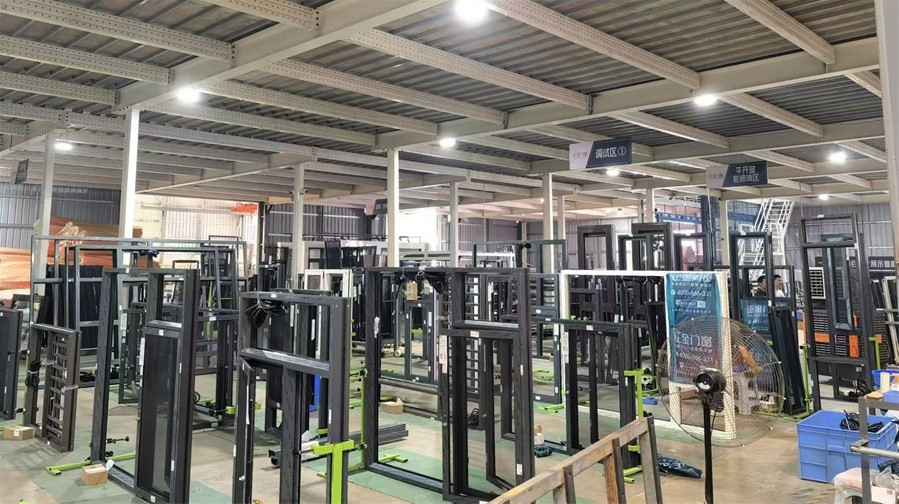
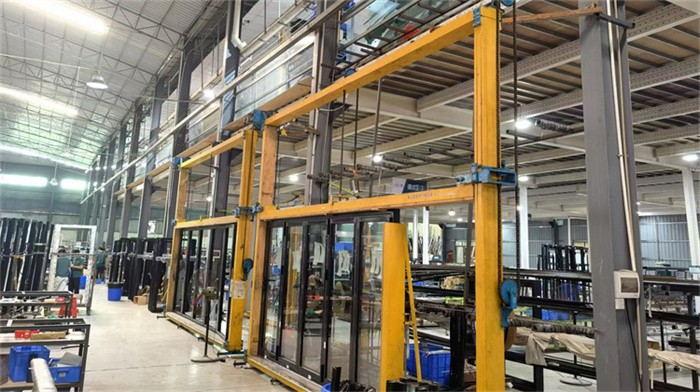
Engineered for high throughput, our automated facility integrates lean manufacturing principles, achieving tight production tolerances and rapid turnarounds for large-scale development projects.
Every frame and IGU undergoes full-spectrum testing: IP65 hydrostatic pressure sealing, 1000-hour UV accelerated aging, and optical glass defect scanning before packaging.
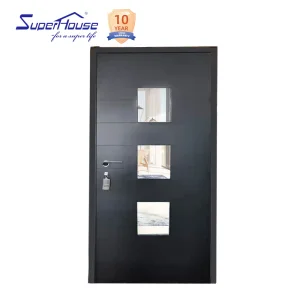
Full OEM/ODM customization capabilities: custom panel relief patterns, smart digital lock pre-installations, custom frame depth extensions, and marine-grade anti-scratch finishes.
Achieving strict CE, NFRC, and AS2047 compliance requires operational rigor across every stage of fabrication. Veridor integrates automated digital machinery to maintain zero-tolerance structural alignment, flawless double-glazing seal integrity, and high surface finish durability.
Our 8-stage core production workflow ensures raw aluminum profiles and acoustic glass panes transition into fully debugged, weatherproof architectural entry doors:
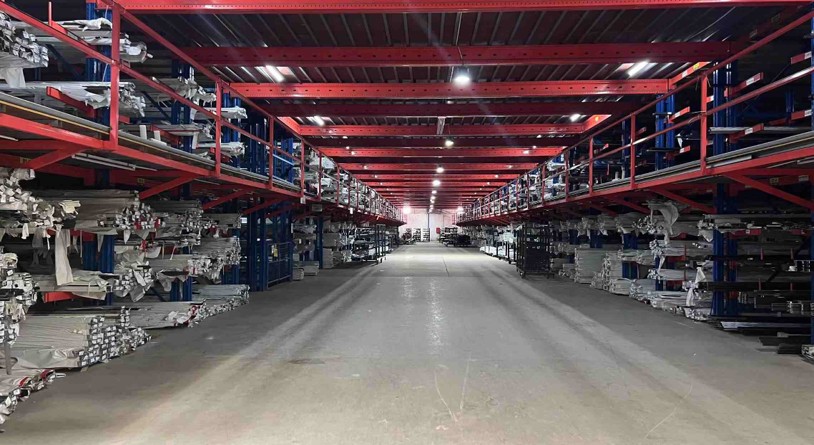
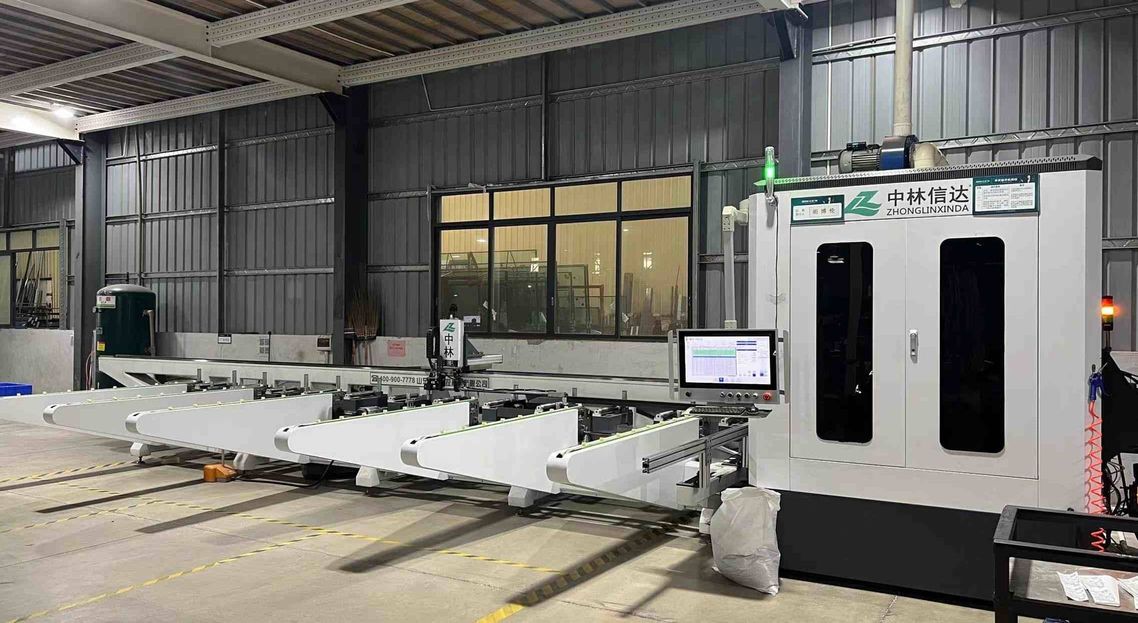
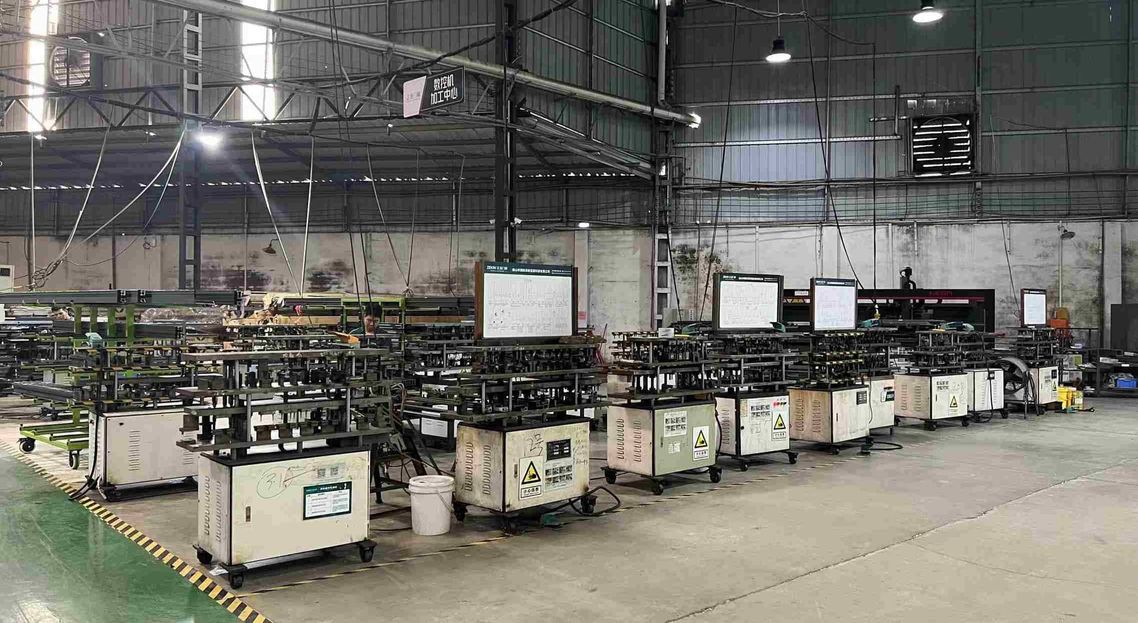
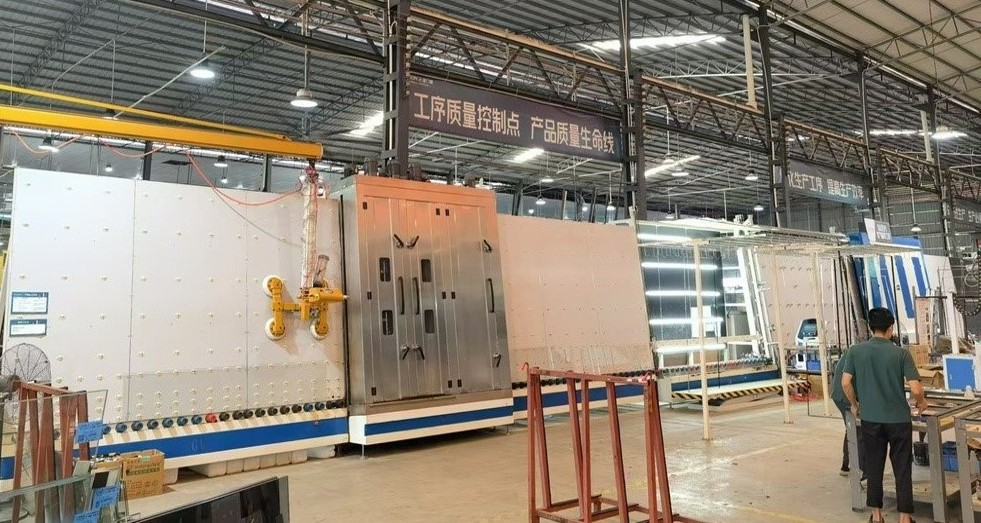
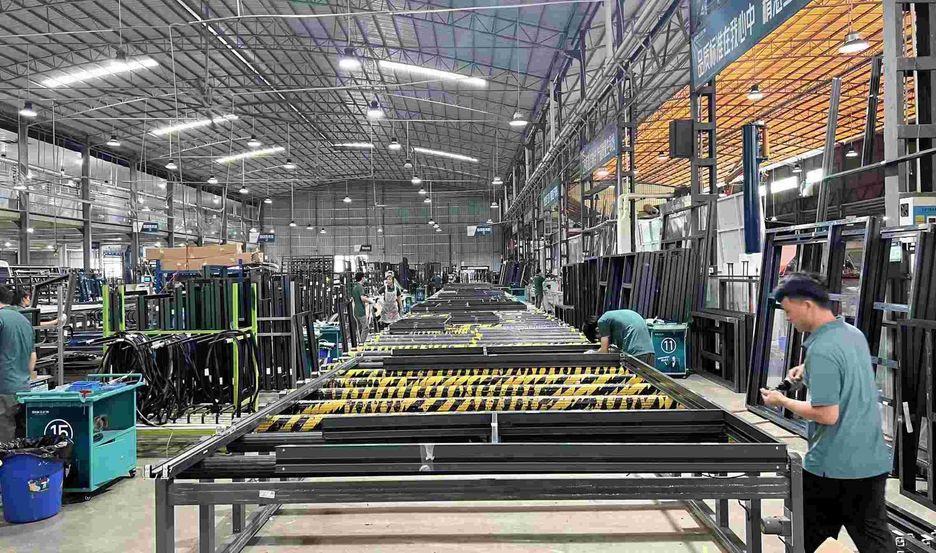
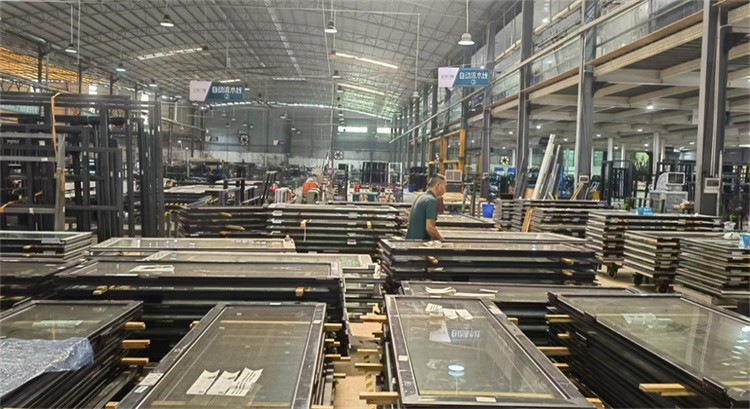
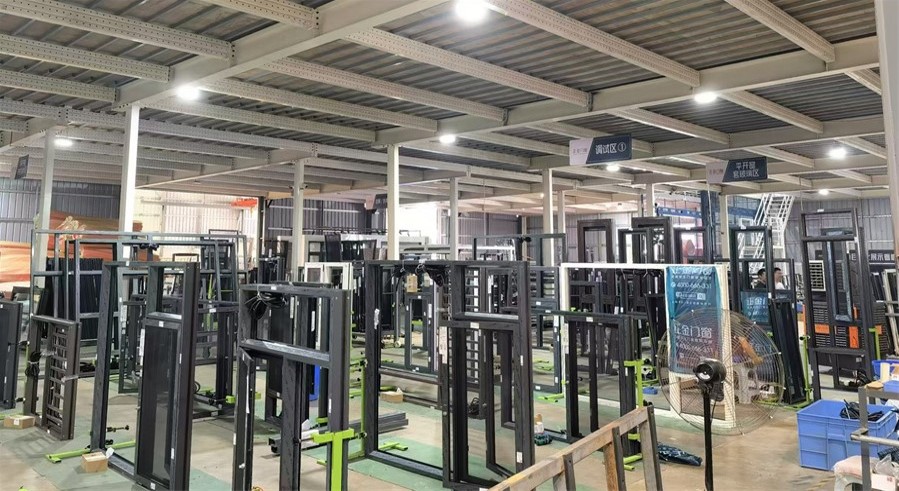
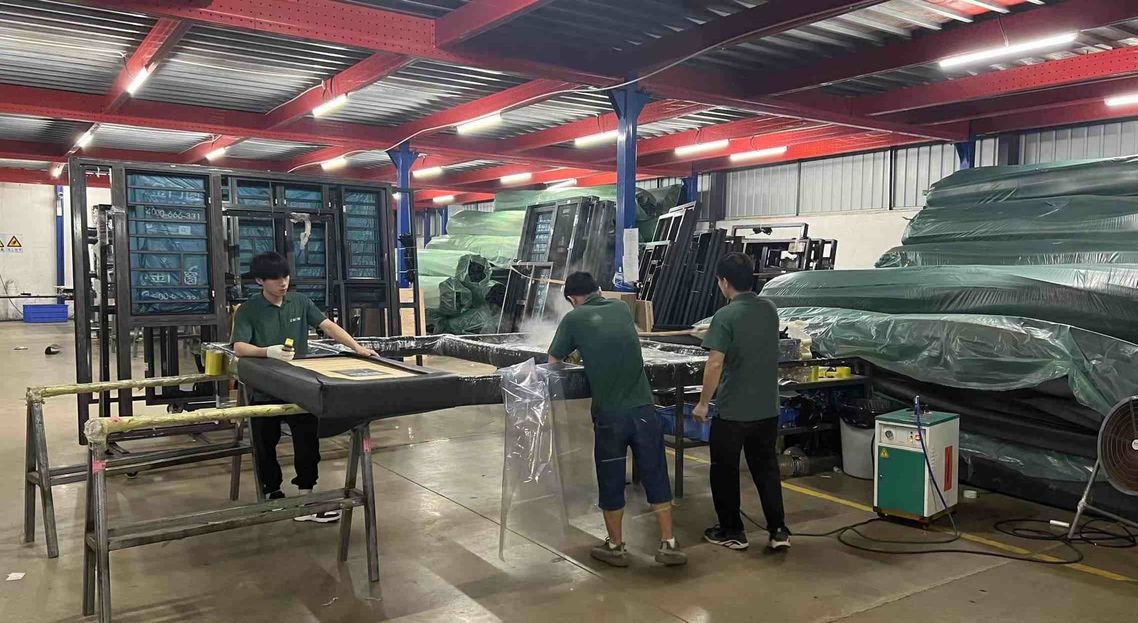
To maintain micron-level accuracy ($\pm 0.1\text{mm}$) across high-volume production cycles, Veridor operates dedicated machinery lines:
As international net-zero building benchmarks intensify, entry systems must evolve beyond passive insulation. Veridor’s engineering roadmap focuses on integrating advanced material science, smart building automation, and low-carbon circular manufacturing:
Transitioning from standard argon-filled IGUs to 0.3mm vacuum spaces combined with aerogel-infused thermal break cavities, aiming for profile U-values as low as $U_d = 0.65 \text{ W/m}^2\text{K}$ for Passive House (Passivhaus) standards.
Factory-embedded 3D facial recognition, biometric fingerprint scanning, and KNX/Zigbee smart home protocol integration with hidden motorized multi-point lock actuators for seamless touchless access.
Targeting 75%+ recycled post-consumer aluminum content (Hydro CIRCAL equivalent), reducing embodied carbon emissions to under 2.3 kg CO₂ per kg of finished extruded profile.
Different architectural building typologies impose unique physical and structural demands on entry door systems. Veridor engineers specialized profile and glazing configurations to address specific regional climate zones and project requirements:
Challenge: Salt-air corrosion, high humidity, and hurricane wind loads.
Solution: Marine-grade powder coating (Qualicoat Class 3 / 25$\mu\text{m}$ anodizing), 316-grade stainless steel hardware components, and Miami-Dade NOA impact-resistant laminated double glazing.
Challenge: Extreme thermal gradient, interior condensation, and frost build-up.
Solution: 34mm multi-chamber PA66-GF25 thermal breaks with polyolefin insulating foam infill, argon-filled triple-glazed IGUs, and low-threshold thermal barrier seals.
Challenge: Mechanical wear, heavy daily cycles, and severe forced-entry threats.
Solution: Heavy-duty commercial pivot and hinge systems rated for 500,000 operational cycles (EN 12400), paired with multi-point hook locks meeting PAS 24 / RC3 security standards.
For tier-1 housing developers, door importers, and general contractors, selecting a door manufacturer involves evaluating supply chain predictability, total cost of ownership (TCO), and packaging protection during transoceanic transit:
International compliance is non-negotiable for project approval. Veridor's product range undergoes rigorous testing against major global fenestration benchmarks:
Mandatory for entry into the European Economic Area (EEA). Covers mechanical strength, air permeability, thermal transmittance, and water tightness validation.
Validated for Australian building codes, certifying structural deflection, air infiltration, wind pressure resistance, and toughened glass safety compliance.
Complies with North American Energy Star criteria via NFRC thermal rating protocols and Florida Building Code High-Velocity Hurricane Zone (HVHZ) impact standards.
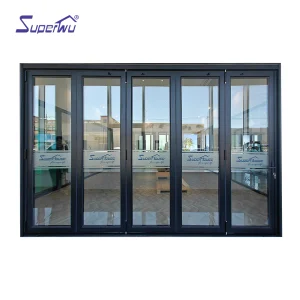
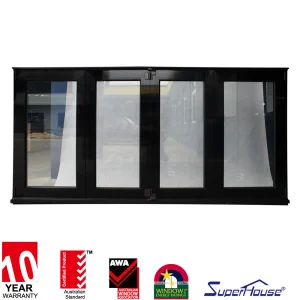
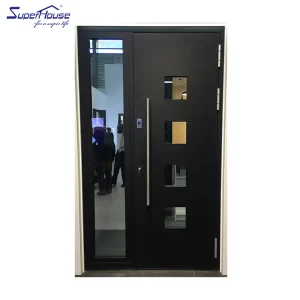
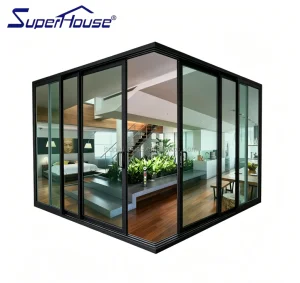
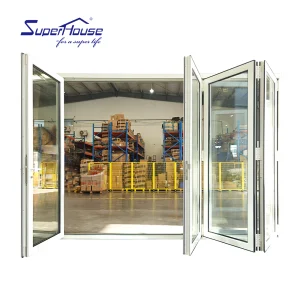
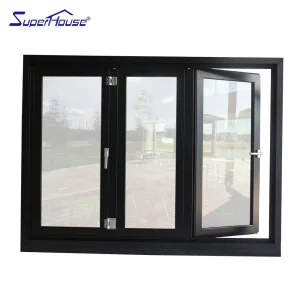
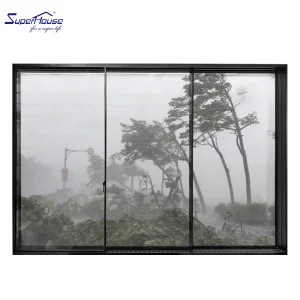
Explore additional pivot systems, folding doors, sliding glass walls, and security entry solutions.
 Veridor