Explore our NFRC, NOA, and AS2047 certified thermal-break aluminum systems engineered for coastal, commercial, and high-end residential applications.
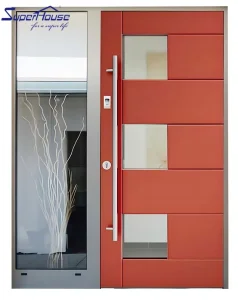
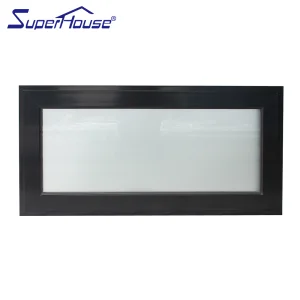
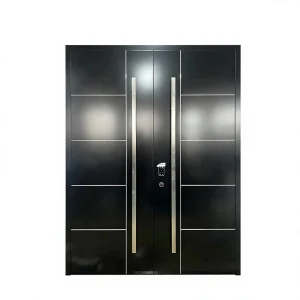
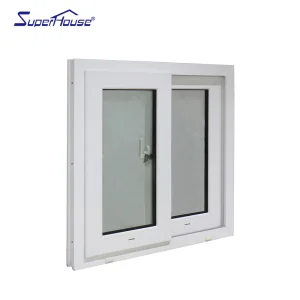
In modern architectural design and real estate development, the front entry door has evolved far beyond a basic security barrier. Today, front doors represent a critical intersection of thermal thermodynamics, structural envelope engineering, building security, and elevated aesthetic design. As global decarbonization mandates intensify—driven by strict building efficiency frameworks such as California's Title 24, International Energy Conservation Code (IECC), and European Passive House (Passivhaus) standards—the global market demand for high-performance exterior front doors is experiencing unprecedented structural growth.
According to macroeconomic research, the global exterior door market is expanding at a compound annual growth rate (CAGR) of 5.8%, projected to surpass $140 billion within the decade. Key drivers include increased urbanization, retrofitting aging residential structures in North America and Europe, and a surge in luxury resort and high-density commercial developments across Oceania and Southeast Asia. Today's commercial B2B buyers—ranging from general construction contractors to fenestration importers—demand verified structural load capacities, low U-factors, maximum Solar Heat Gain Coefficient (SHGC) efficiency, and robust structural certifications such as Florida Notice of Acceptance (NOA) and Australian AS2047 compliance.
Selecting a front door supplier is no longer merely a pricing decision; it is a risk mitigation strategy. Sourcing doors with unverified thermal breaks, inadequate weather sealing, or weak structural profiles leads to job-site compliance failures, water penetration liability, and severe building energy losses.
Established in 2013, Veridor Door Technologies Co., Ltd. operates a modernized manufacturing hub designed specifically to meet international commercial standards and custom residential architectural needs.
Established in 2013, Veridor Door Technologies Co., Ltd. operates a streamlined 19,000 m² production hub dedicated to contemporary residential entry doors. With 11 years of industry experience and 5 years of active foreign trade experience, the firm generates $11 million in annual export revenue. Veridor targets fast-growing markets in Oceania, Southeast Asia, and North America, directly supplying door importers, housing project contractors, and online distributors.
Veridor collaborates with over 480 vetted hardware and material suppliers to ensure product precision. A team of 22 quality inspectors executes IP65 weather-seal checks, surface coating adhesion testing, and manual assembly inspections. Guided by modern design trends, 28 R&D engineers developed 65 new entry door models last year. Customization capabilities include custom panel relief patterns, smart digital lock pre-installations, custom frame widths, and anti-scratch marine-grade surface treatments.
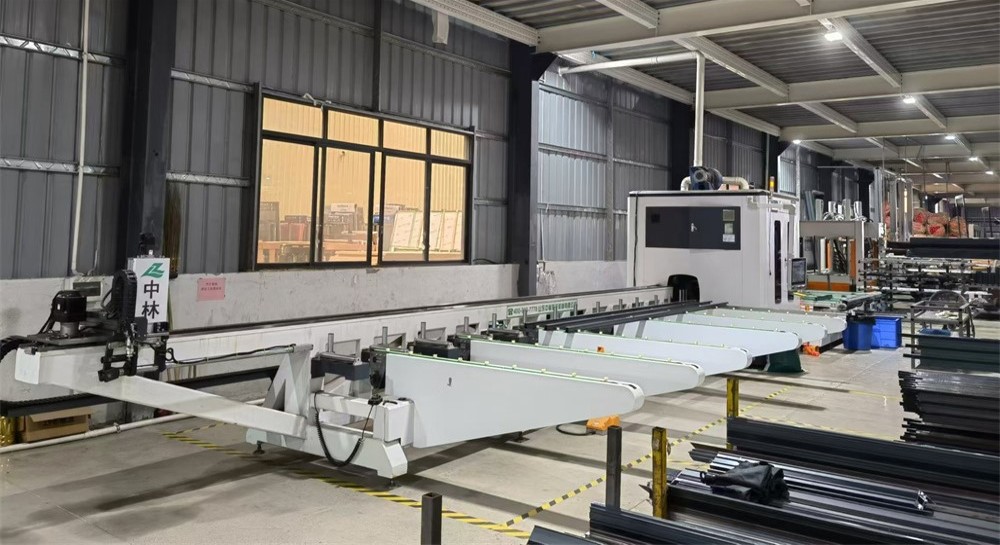
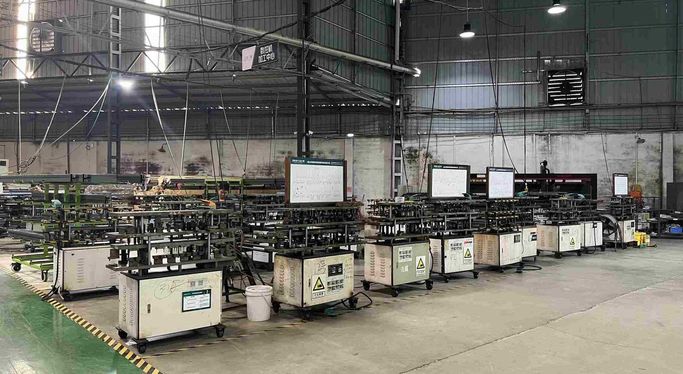
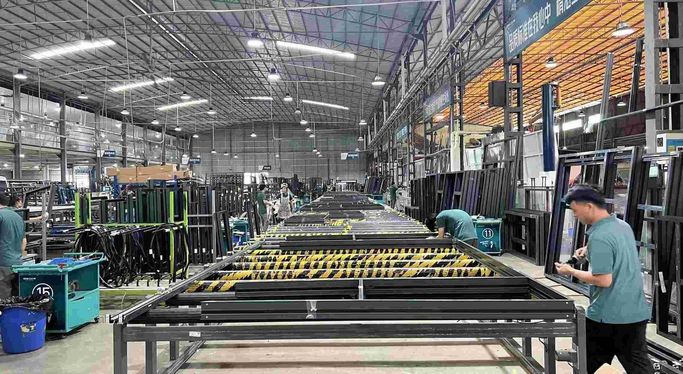
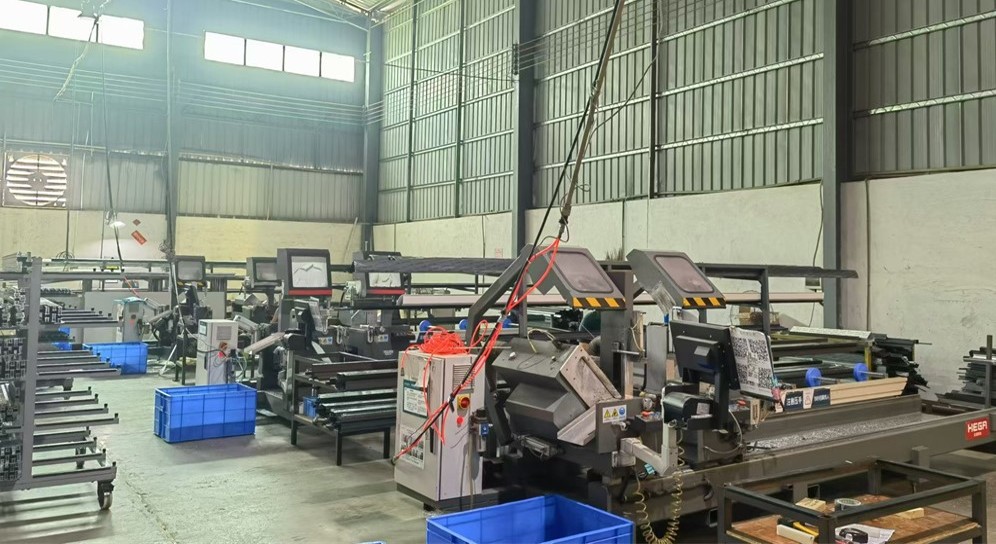
Every entry door undergoes an 8-stage manufacturing workflow supported by advanced CNC end-milling, automated double-head sawing, and rigorous debugging frames.
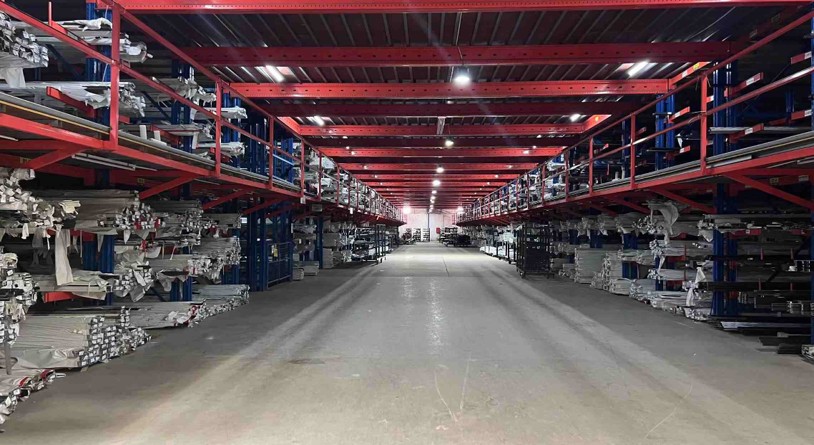
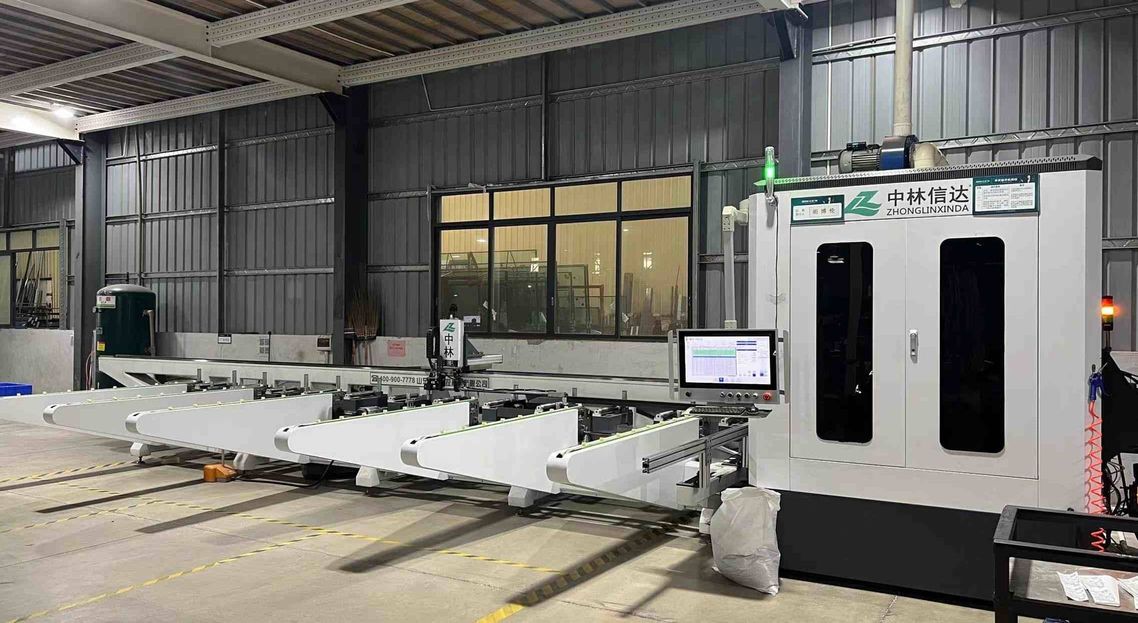
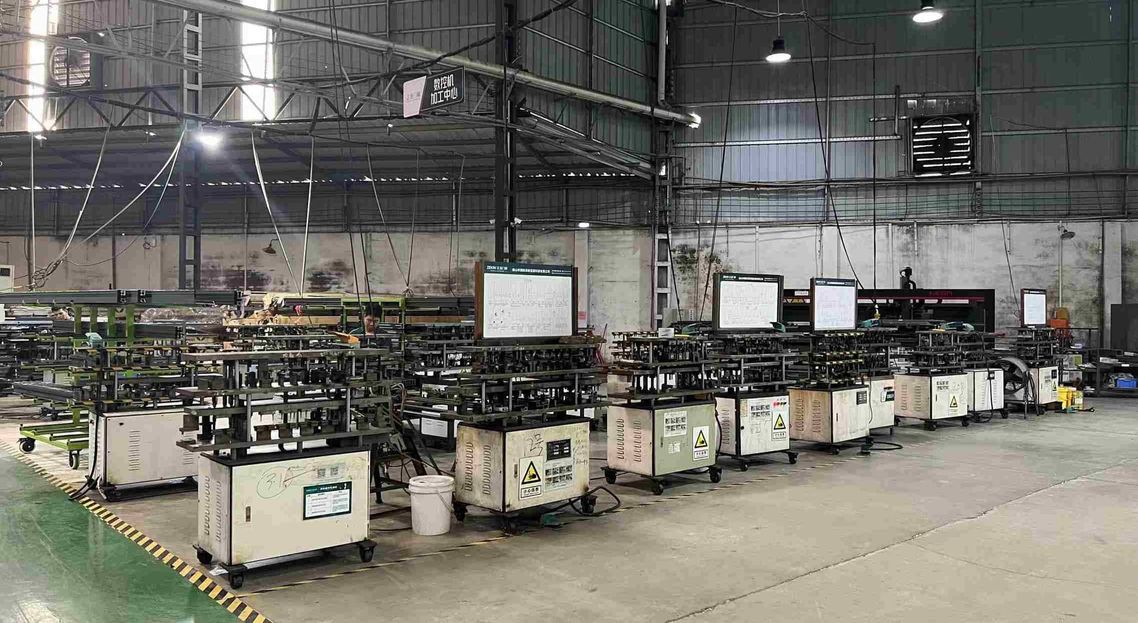
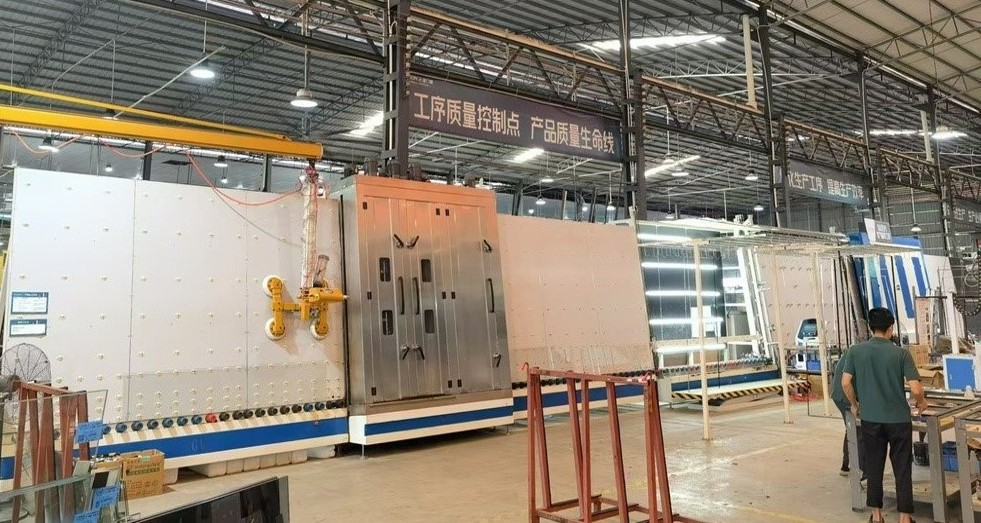
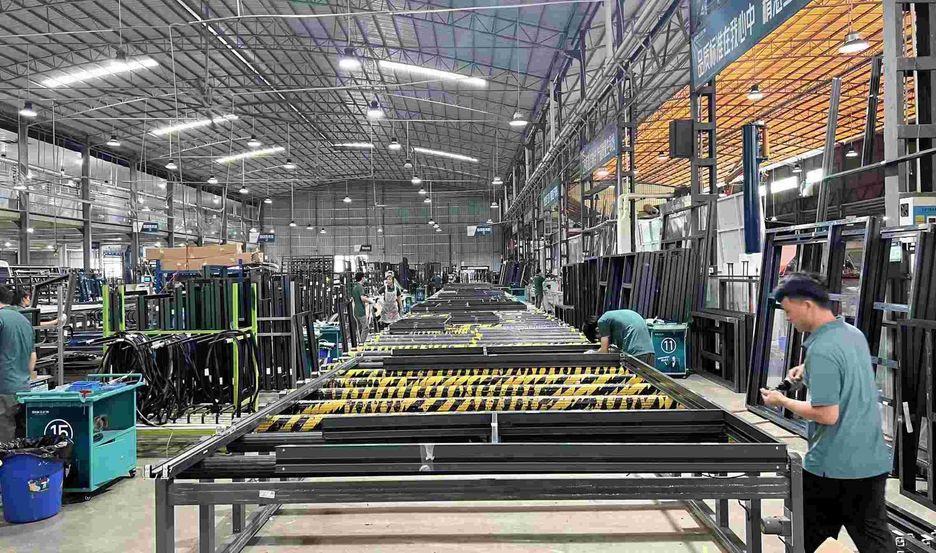
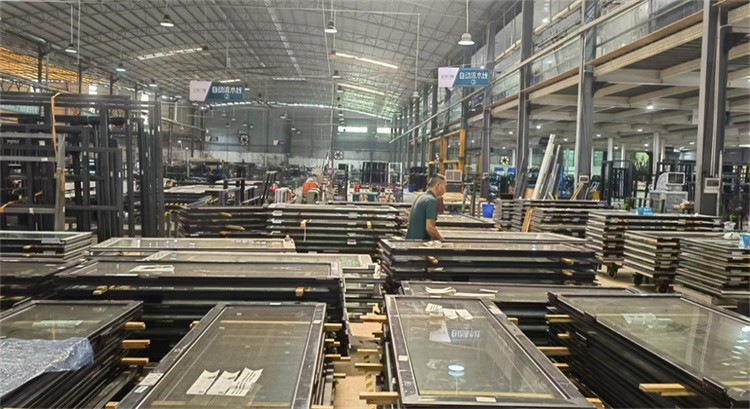
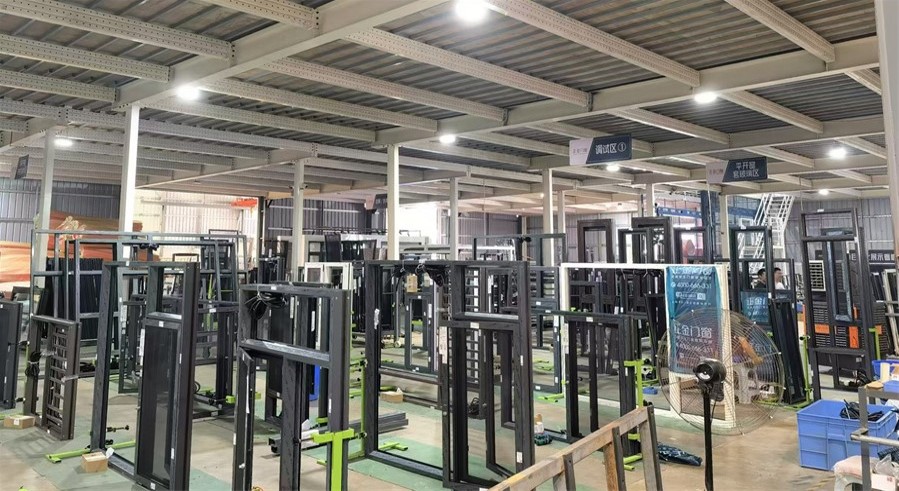
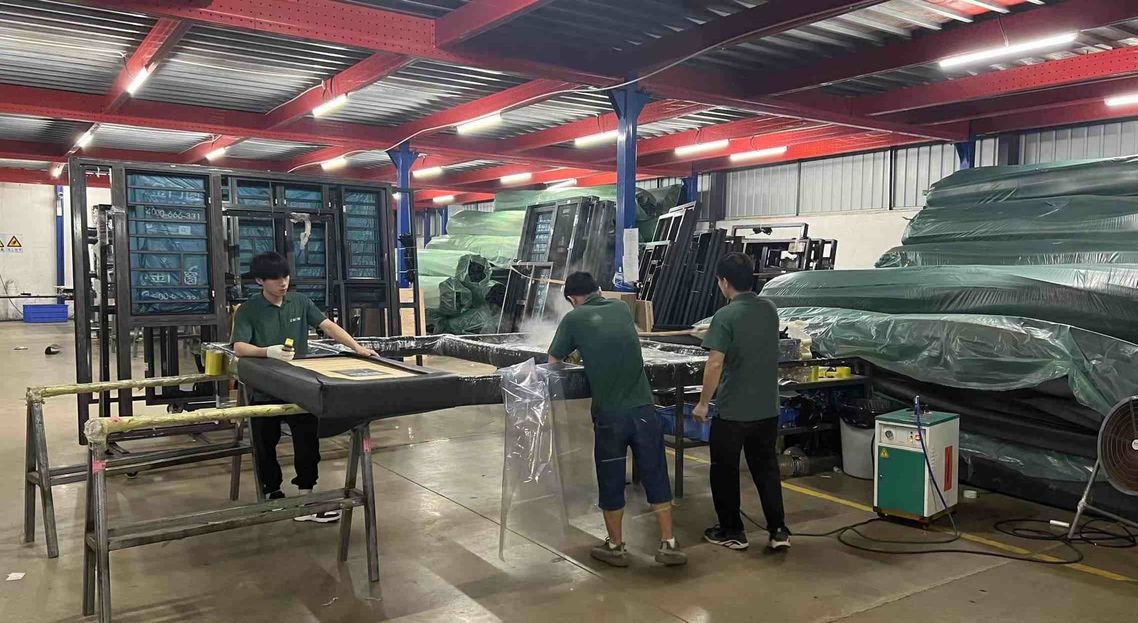
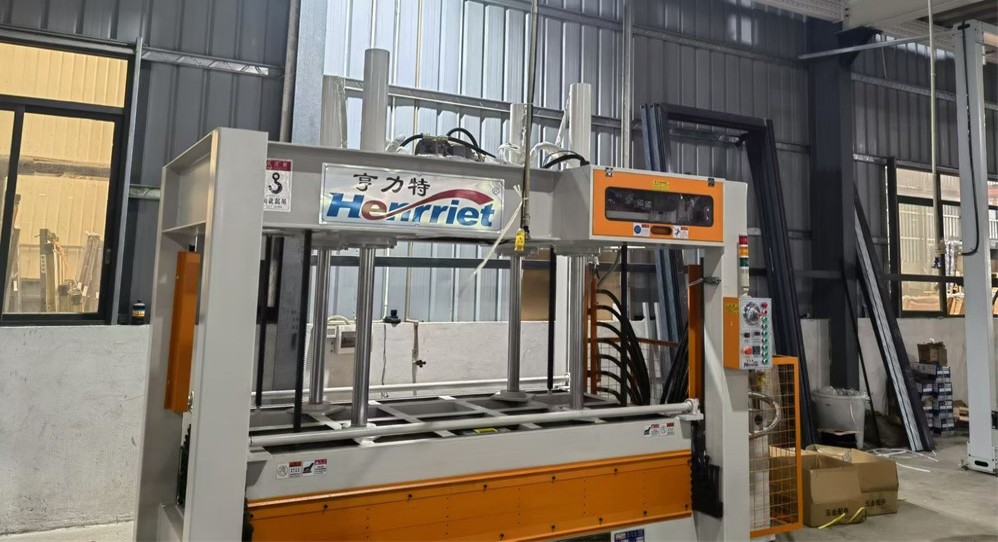
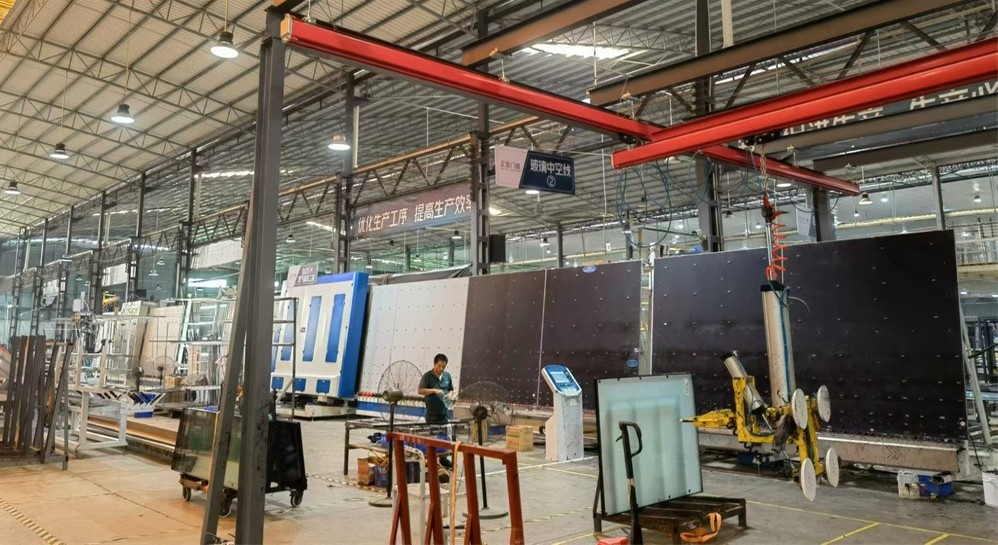
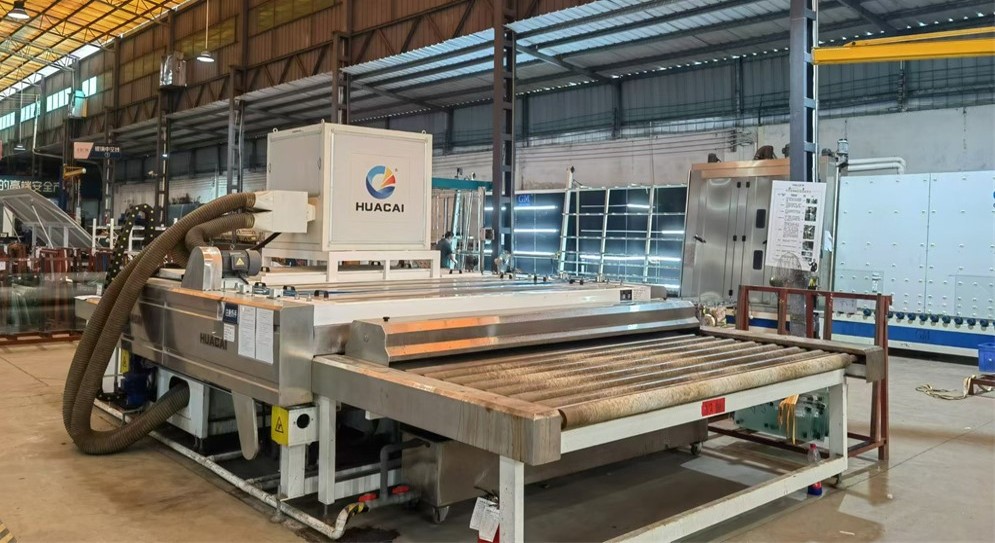
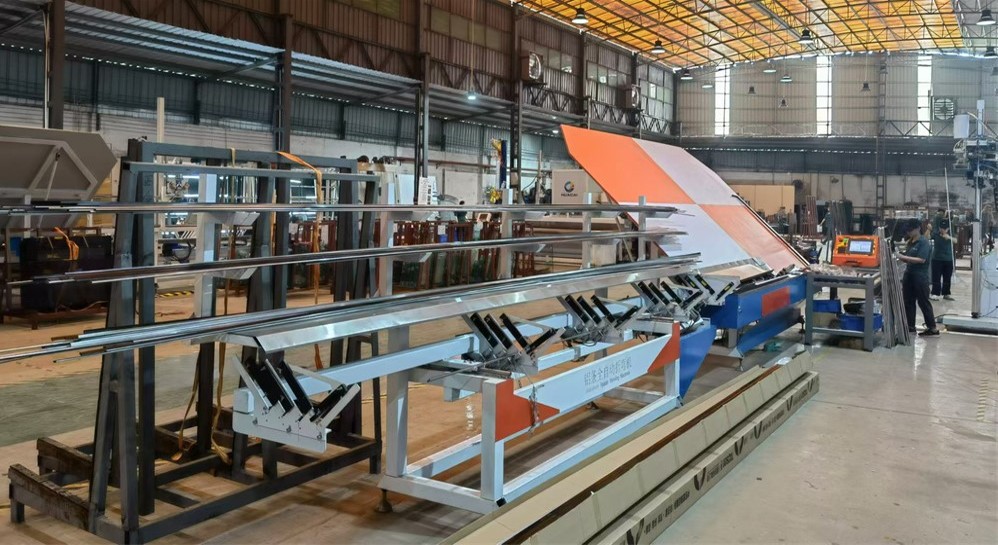
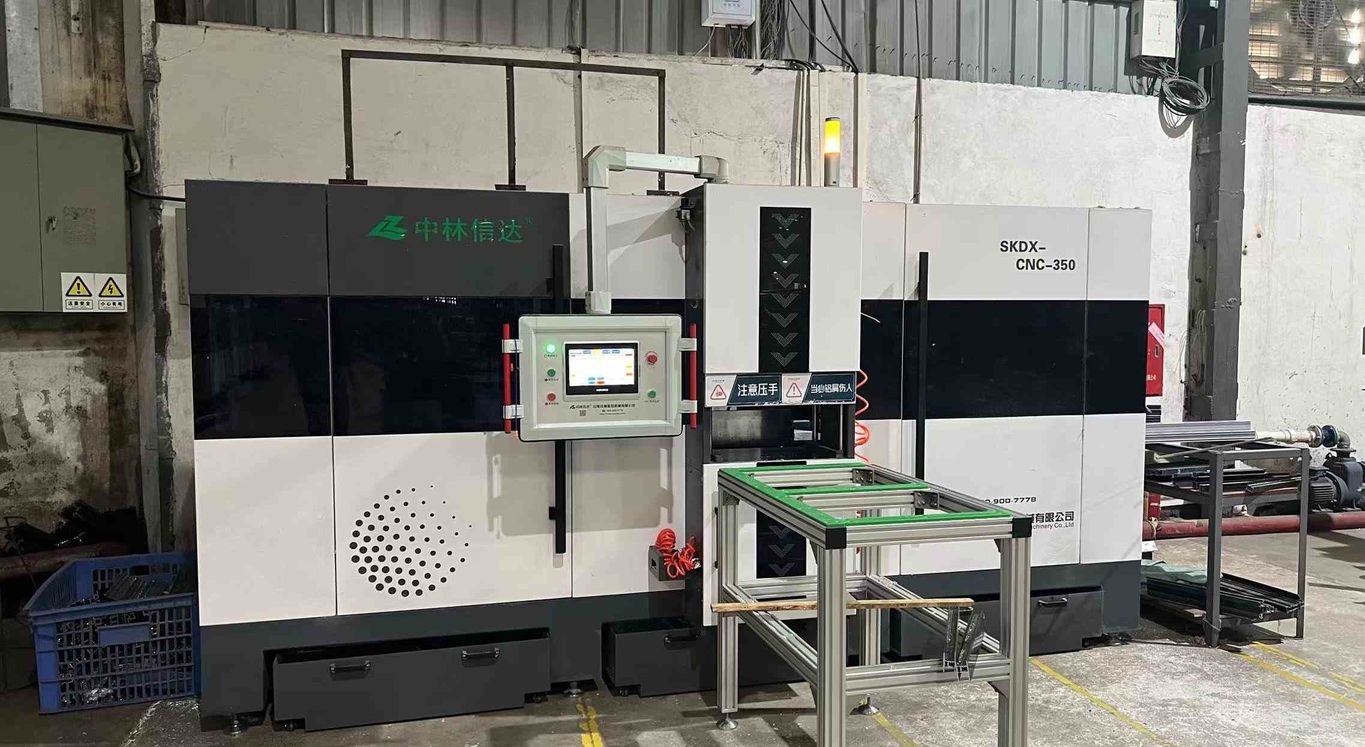
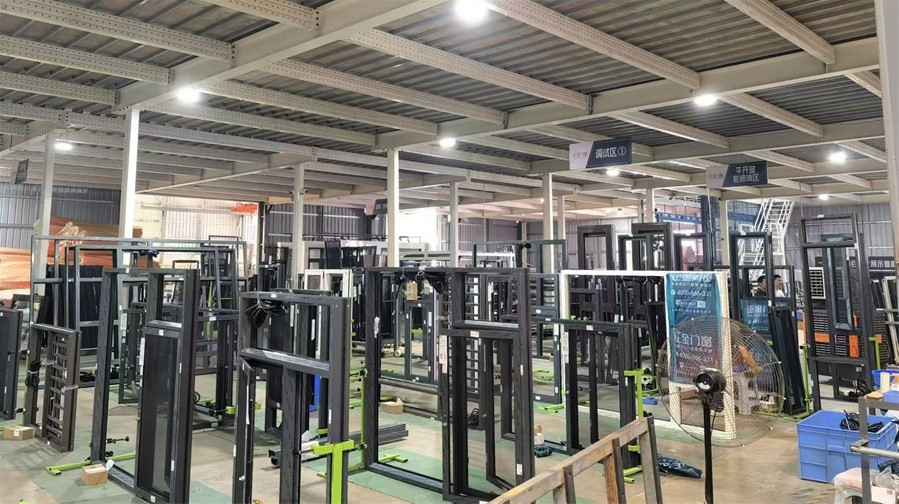
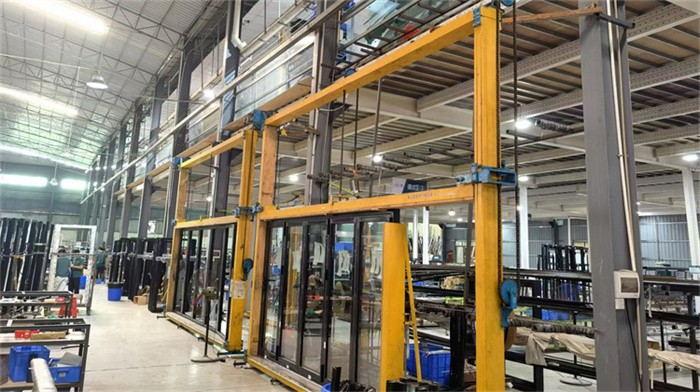
Achieving superior structural stability while maximizing energy insulation requires an advanced material profile strategy. Below, Veridor’s engineering team breaks down the comparative performance matrices across primary front door substrate materials used in global architectural projects:
| Engineering Attribute | Thermal Break Aluminum (Veridor Core) | Solid Hardwood | Standard Steel Entry | uPVC Composite |
|---|---|---|---|---|
| Structural Yield Strength | High (T6 Grade Alloys 6063/6060) | Moderate (Subject to warping) | Very High (High gauge metal) | Low-Moderate (Requires steel core) |
| Thermal Insulation (U-Factor) | 0.18 - 0.26 BTU/h·ft²·°F (PA66 Polyamide Strip) | 0.30 - 0.45 BTU/h·ft²·°F | 0.35 - 0.50 BTU/h·ft²·°F | 0.22 - 0.30 BTU/h·ft²·°F |
| Coastal Salt-Spray Corrosion | Fluorocarbon (PVDF) / Marine-grade anodized | Poor (Requires frequent sealing) | Prone to rust if scratched | High resistance |
| Hurricane Impact Design Pressure (DP) | DP70 to DP100+ Approved | DP30 - DP45 | DP50 - DP65 | DP30 - DP40 |
| Maintenance & Longevity | 30+ Years (Zero maintenance) | High maintenance (Refinishing) | Medium (Paint touch-ups) | 15-20 Years (UV degradation) |
Standard aluminum extruded profiles suffer from thermal conductivity. Veridor solves this through multi-cavity thermal break technology using continuous Polyamide PA66 reinforced with 25% glass fiber (PA66 GF25). This creates an impermeable thermal barrier, stopping thermal bridging dead in its tracks. Combined with argon-gas-filled Low-E double or triple-tempered glazing, our exterior front doors reduce building HVAC load consumption by up to 34%.
In high-velocity hurricane zones (HVHZ) such as Coastal Florida, Texas, and Australia's coastal regions, entry doors must withstand extreme cyclic wind pressures and high-impact missile debris testing. Veridor entry doors utilize reinforced structural aluminum corner keys, heavy-duty 316 stainless steel friction hinges, and multi-point security locking bolts. Rated up to DP80 design pressure, our hurricane-proof systems guarantee structural integrity under extreme typhoon and storm conditions.
Modern commercial luxury projects demand smart access capabilities. Veridor integrates IP65-rated biometric keyless entry systems, AES-128 encrypted keypad entry, app-controlled remote access, and motorized automatic locking mechanisms into door frames during primary manufacturing. This eliminates messy aftermarket installations and guarantees long-term moisture seal protection around electrical components.
How Veridor customizes structural configurations to meet regional building codes and extreme climatic challenges.
Focus on NFRC certification, Florida HVHZ NOA approvals, and Title 24 compliance. Doors designed for North America feature Low-E coatings tuned for high solar radiation in southern states or heavy thermal retention in northern zones, equipped with 3-point lock mechanisms to meet forced-entry standards.
Engineered specifically for AS2047, AS1170 structural loading, and AS3959 Bushfire Attack Level (BAL) standards. Incorporates anti-corrosion 316 stainless hardware to withstand extreme UV radiation and coastal salt aerosol exposure across coastal Australia.
Targeted at high humidity, heavy monsoon rainfall, and constant ambient heat. Features double EPDM weatherstripping gaskets, integrated weep hole drainage systems, and water impermeability ratings exceeding 700 Pa.
How Veridor is pushing the boundaries of smart access, carbon-neutral manufacturing, and vacuum thermal engineering.
Pioneering ultra-thin glass profiles with a 0.1mm micro-vacuum chamber. VIG provides thermal insulation equivalent to solid masonry brick walls while significantly reducing profile thickness and weight for massive pivot doors.
Developing transparent solar cell entry panels that harvest solar energy from exterior door glass inserts to power smart locks, home security hubs, and interior dynamic lighting autonomously.
Integrating IoT diagnostic sensors within multi-point locking gearboxes to predict hardware wear, seal compression fatigue, and alignment shifts before physical failures occur.
Answers to complex technical, logistics, and compliance questions asked by commercial contractors and door distributors.
Traditional aluminum is highly conductive, allowing exterior heat or cold to transfer easily into the building interior. Veridor’s Thermal Break Aluminum doors incorporate an engineered Polyamide (PA66 GF25) mechanical strip inserted between the interior and exterior aluminum extrusions. This continuous insulating bridge drastically reduces heat transfer, preventing condensation buildup, lowering building energy costs, and meeting low U-Factor energy compliance standards required across North America, Europe, and Australia.
Our hurricane-impact entry doors undergo extensive laboratory testing in accordance with ASTM E1886/E1996 and TAS 201/202/203 standards. The assembly combines high-tensile 6063-T6 aluminum profile walls, laminated structural safety glass (using PVB or SGP interlayers), heavy-duty corner keys, and multi-point locking bolts. This enables the door system to withstand large missile debris impacts (9lb 2x4 wooden studs shot at 50 ft/s) and severe cyclic wind pressures up to ±80 PSF (Design Pressure DP80).
Veridor provides end-to-end OEM and ODM customization. This includes custom frame depths (ranging from 70mm to 200mm system depths), bespoke panel relief designs, architectural powder coating finishes (Tiger Drylac, AkzoNobel), wood grain heat-transfer finishes, integrated sidelights and transom panels, custom sash dimensions, and factory pre-drilling/pre-installation of smart biometrics, access control, and German hardware suites (Hoppe, Siegenia, GU).
Veridor employs a 22-inspector quality control team across eight production stages. We utilize multi-channel EPDM weatherstripping gaskets that maintain elasticity across extreme temperature ranges (-40°C to +120°C). Every door profile undergoes automated corner crimping and structural silicone gluing to eliminate frame joint gaps. Assembled units undergo rigorous water-tightness pressure testing in specialized debugging frames prior to packaging.
Veridor pre-engineers lock cavities with integrated IP65-rated rubber seal gaskets and waterproof electronic enclosures. The smart lock hardware (supporting fingerprint biometrics, RFID, password, and smartphone app control) is tested against high humidity, solar UV exposure, and direct spray. Internal wiring channels are fully insulated within thermal-break profile cavities to avoid moisture short-circuiting.
Standard custom production lead times range from 25 to 35 days upon drawing approval. To ensure zero shipping damage during ocean transport, doors are packed with protective corner guards, wrapped in heavy-duty scratch-resistant film, enclosed in bubble wrap, and loaded into fully enclosed fumigated plywood crates or metal A-frames.
Browse additional impact doors, pivot entry systems, acoustic casement windows, and minimalist sliding designs.
 Veridor