Discover our flagship architectural door and window systems, engineered to integrate heavy-duty multi-point locking gear, high-transmittance safety glazing, and superior acoustic isolation.
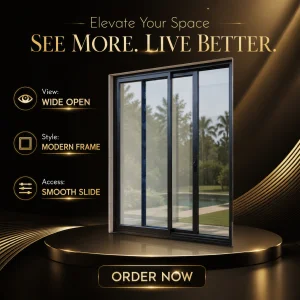
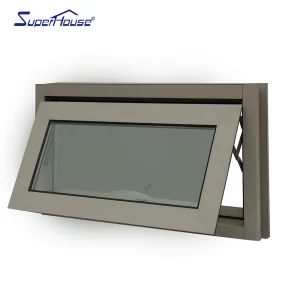
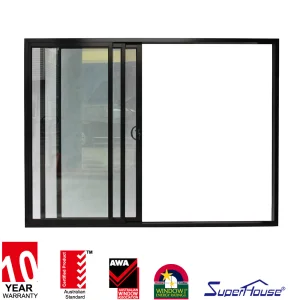
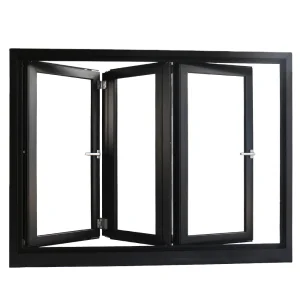
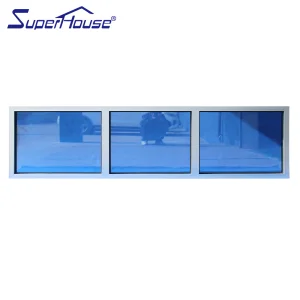
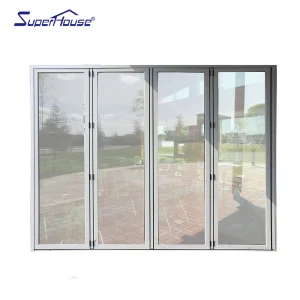
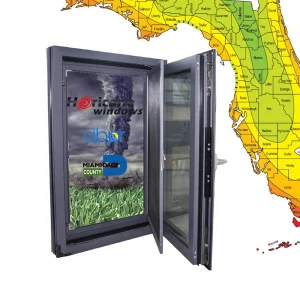
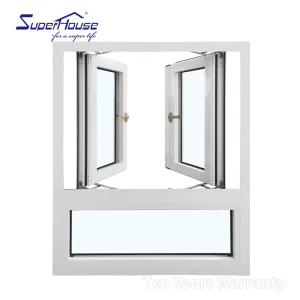
In modern architectural design, entry doors and high-performance glazed fenestration systems are no longer viewed merely as aesthetic dividers. They serve as critical structural barriers against extreme weather, unauthorized forced entry, thermal transfer, and acoustic pollution. The global market for multi-point locking doors has undergone a radical paradigm shift driven by stringent regional building codes (such as Florida’s Miami-Dade NOA, Europe’s EN 1627 RC2/RC3 security standards, and Australia’s AS2047 fenestration ratings).
Traditional single-point deadbolts leave entry doors vulnerable to leverage attacks, perimeter warping, and air/water infiltration under extreme wind pressure. By contrast, multi-point locking systems engage multiple heavy-duty locking bolts (hook bolts, roller cams, and deadbolts) simultaneously along the vertical length of the door leaf into a reinforced jamb frame with a single turn of a key or handle actuation. This uniform clamping force guarantees structural integrity, superior IP65 weather-seal compression, and maximum resistance against forced entry.
Information Gain Metric: Structural testing indicates that doors equipped with engineered 3-point and 5-point locking mechanisms distribute mechanical wind load forces up to 300% more evenly across the aluminum frame compared to single-point latch systems. This prevents deflection under design pressures exceeding 9000 Pascals (Pa).
Global commercial developments demand compliance with rigorous security metrics such as PAS 24 in the UK and EN 1627 Resistance Classes in Europe. Multi-point locks utilize anti-saw hardened steel pins, anti-drill plates, and hook bolts that grip deep into the extruded aluminum frame, rendering mechanical break-in tools ineffective.
Coastal infrastructure projects in hurricane-prone zones (such as Florida, the Caribbean, and Pacific typhoons) mandate large missile impact resistance. Multi-point locks compress continuous EPDM gaskets to maintain air tightness and water deflection during extreme dynamic pressure shifts.
Air leakage around door perimeters is a leading cause of thermal envelope inefficiency. Multi-point drive bars exert uniform pressure along all four edges of the door leaf, achieving ultra-low air infiltration rates (<0.1 cfm/ft²) and maximizing acoustic insulation up to 45 dB STC ratings.
Established in 2013, Veridor Door Technologies Co., Ltd. operates a streamlined 19,000 m² production hub dedicated to contemporary residential entry doors. With 11 years of industry experience and 5 years of active foreign trade experience, the firm generates $11 million in annual export revenue. Veridor targets fast-growing markets in Oceania, Southeast Asia, and North America, directly supplying door importers, housing project contractors, and online distributors.
Veridor collaborates with over 480 vetted hardware and material suppliers to ensure product precision. A team of 22 quality inspectors executes IP65 weather-seal checks, surface coating adhesion testing, and manual assembly inspections. Guided by modern design trends, 28 R&D engineers developed 65 new entry door models last year. Customization capabilities include custom panel relief patterns, smart digital lock pre-installations, custom frame widths, and anti-scratch marine-grade surface treatments.
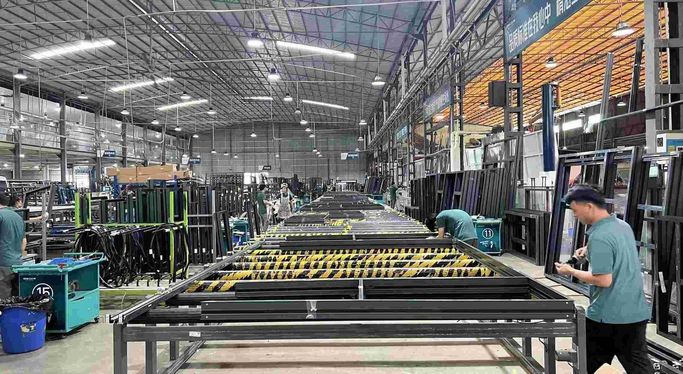
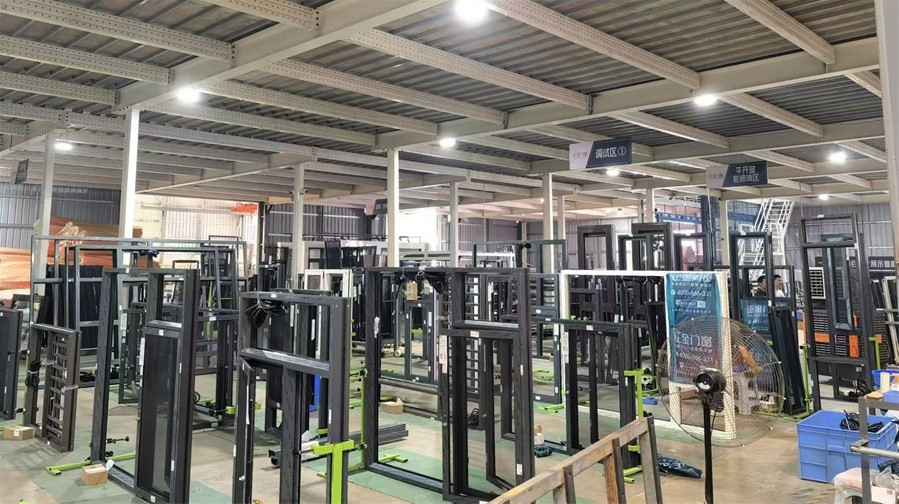
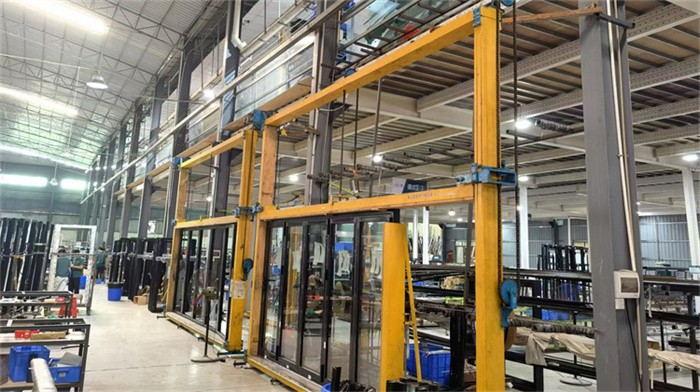
Every multi-point door and window unit follows an end-to-end, quality-controlled 8-step fabrication pathway:
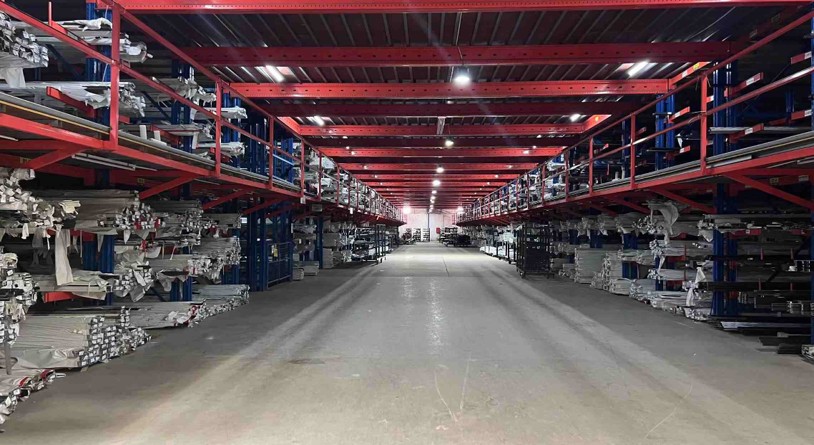
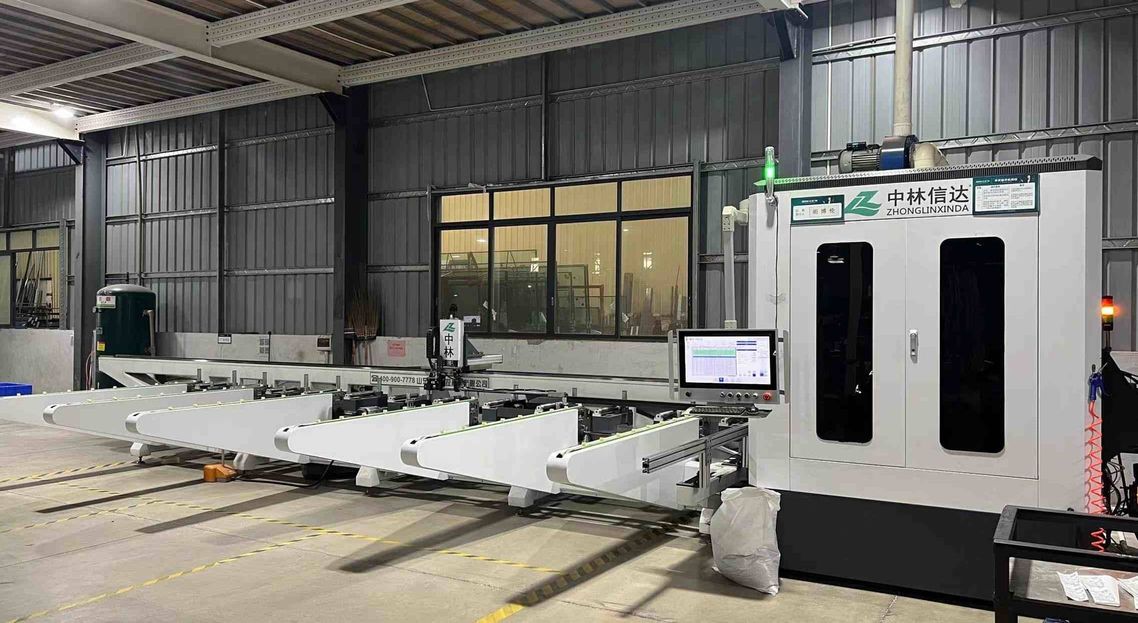
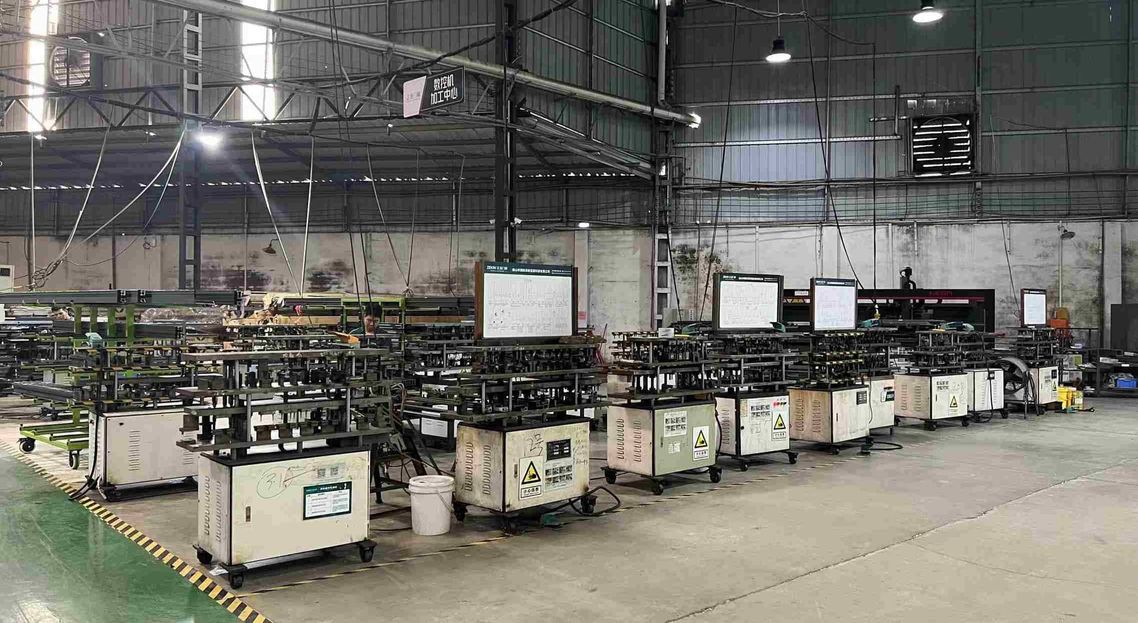
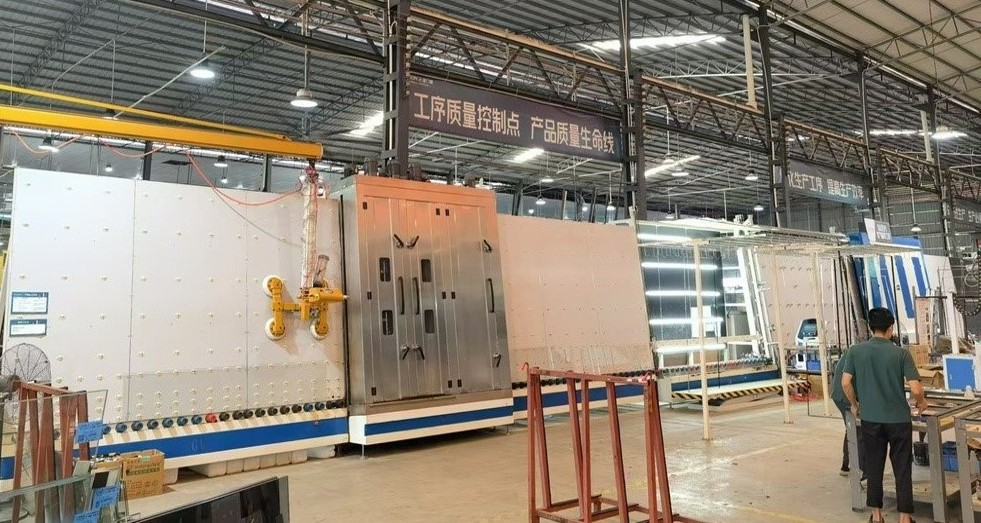
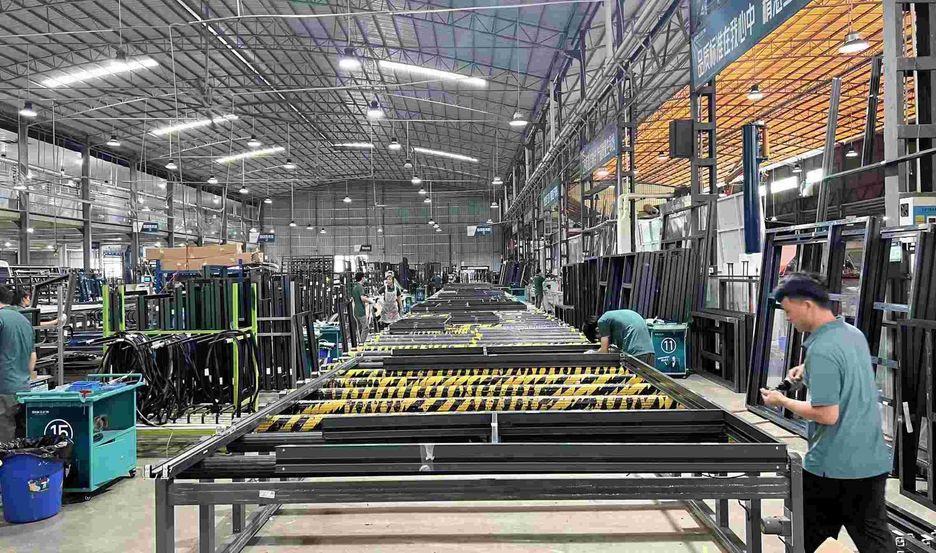
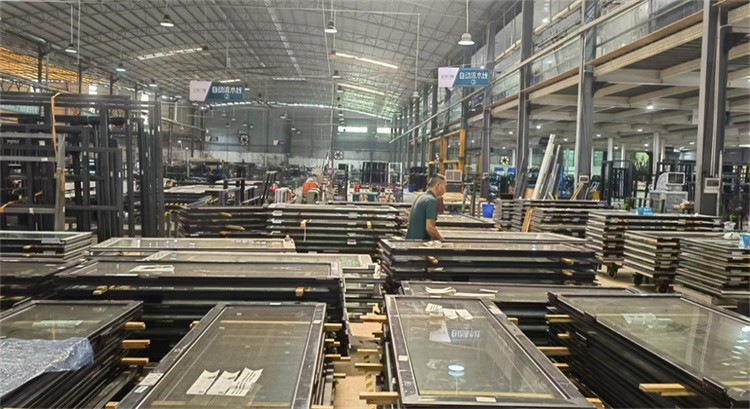
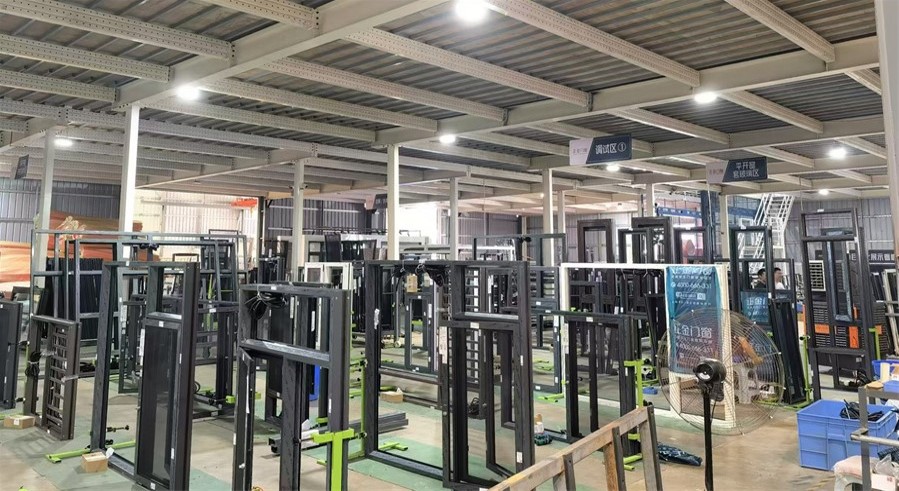
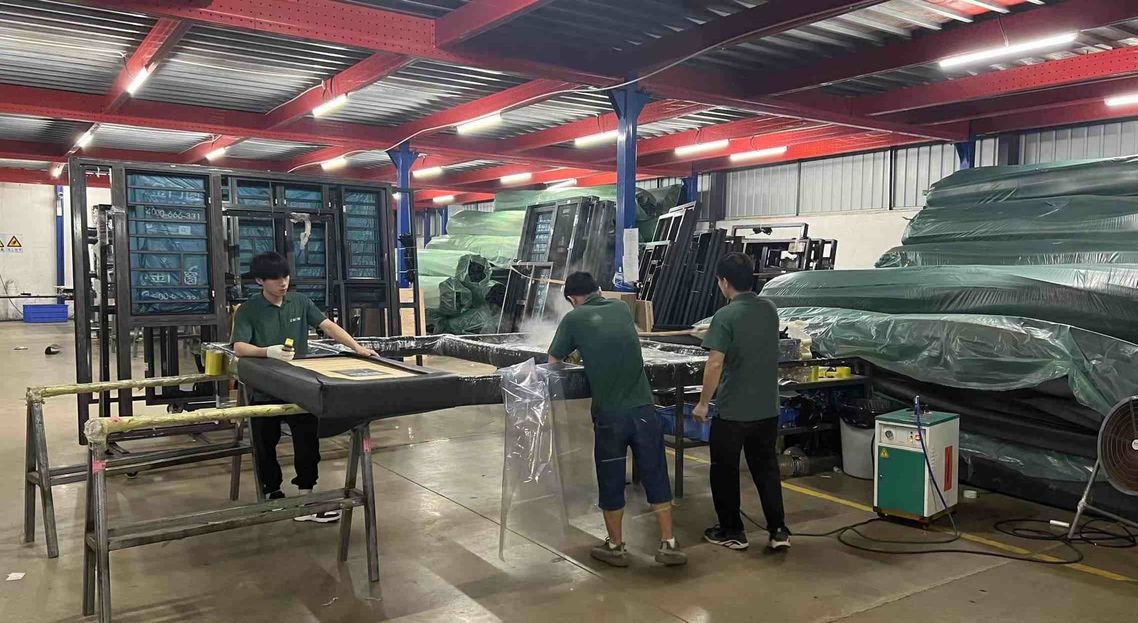
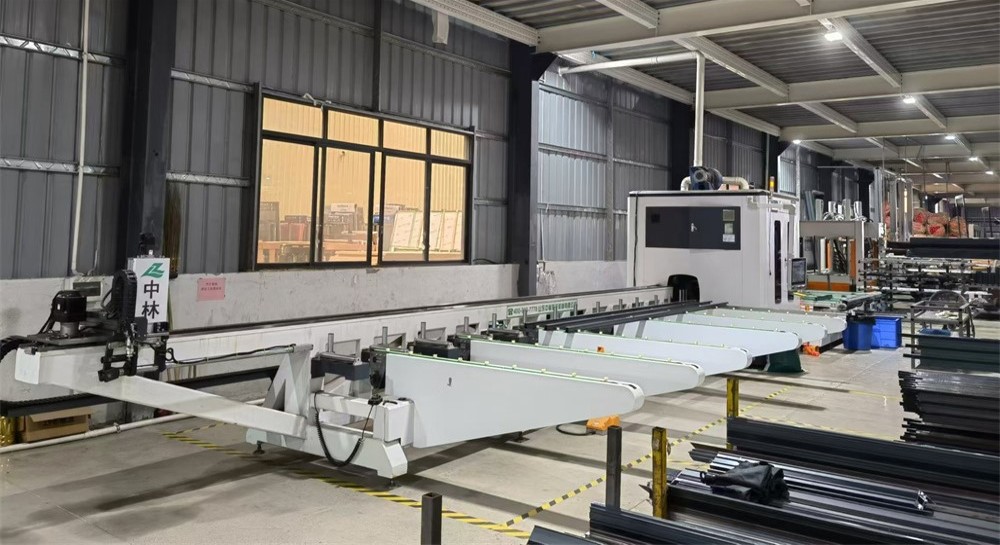
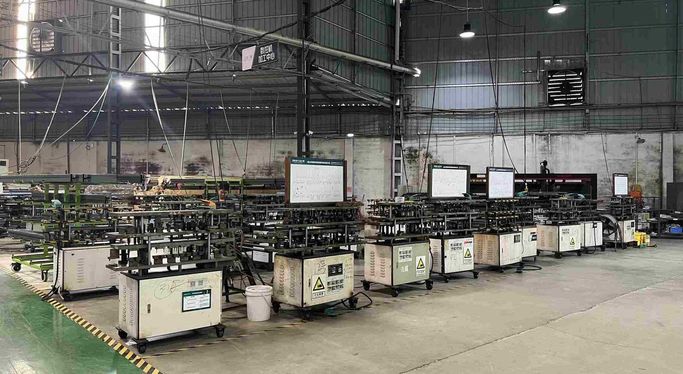
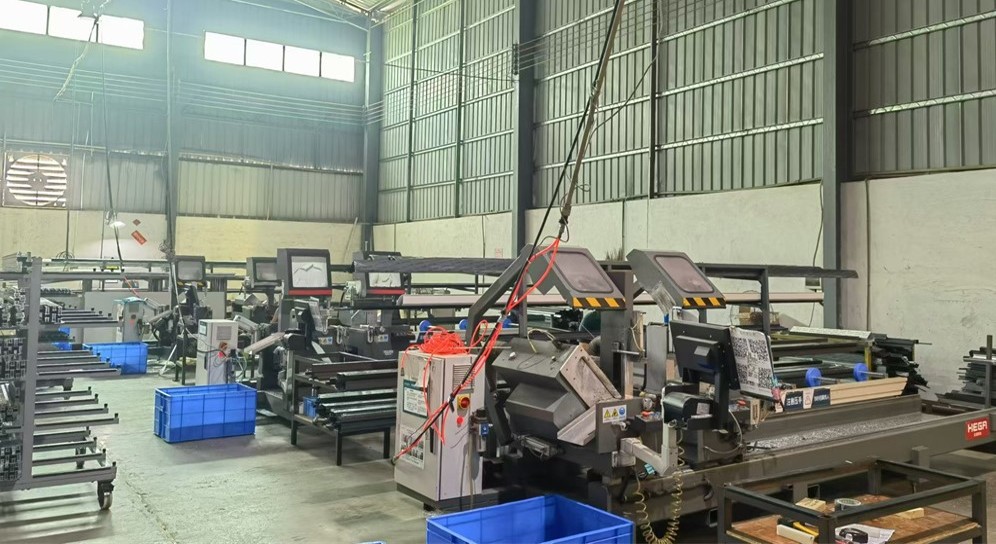
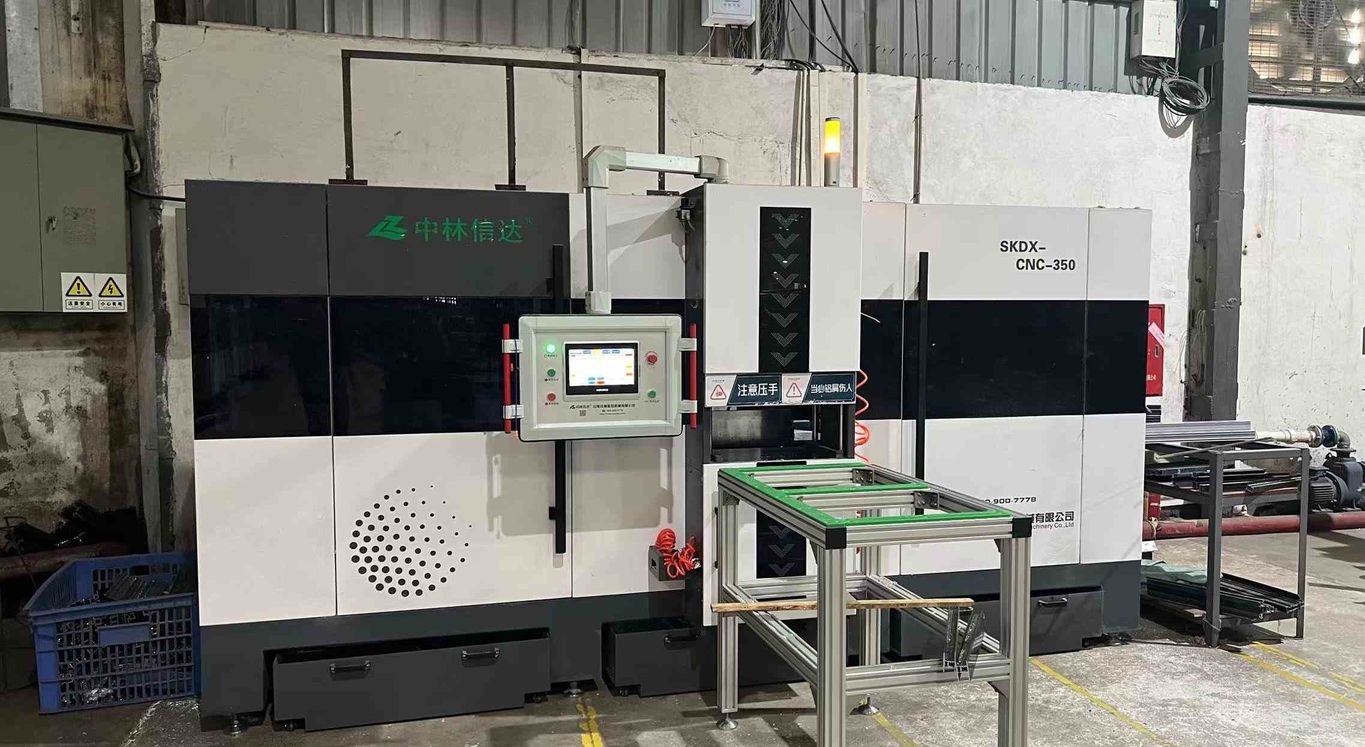
To maintain tolerances within ±0.2mm, our 19,000 m² facility is outfitted with heavy industrial machinery that integrates computer numerical control (CNC) with automated glazing and milling lines:
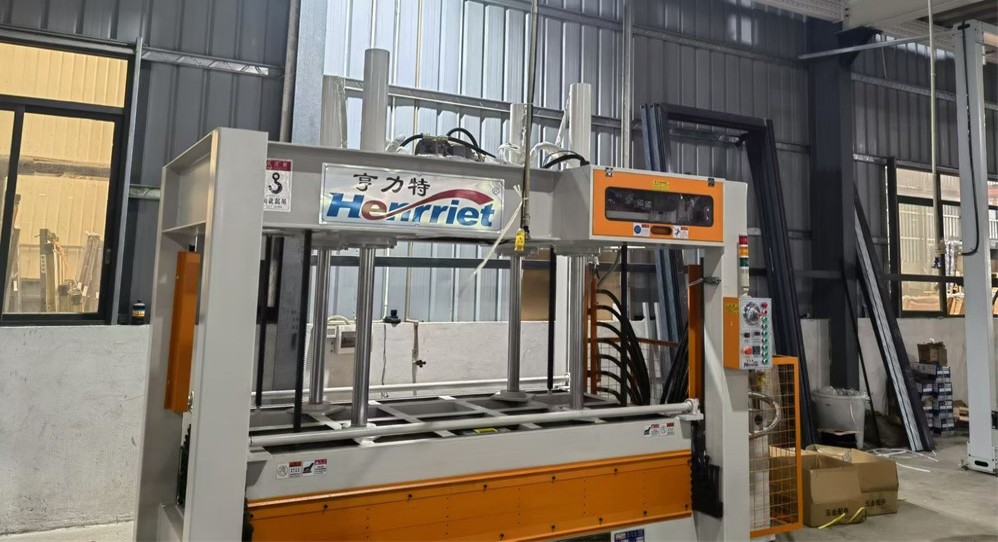
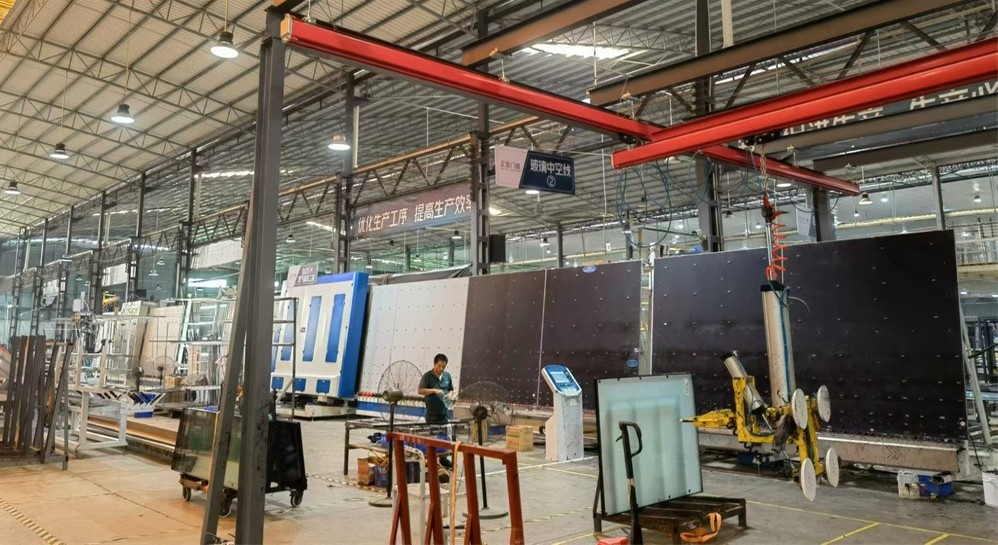
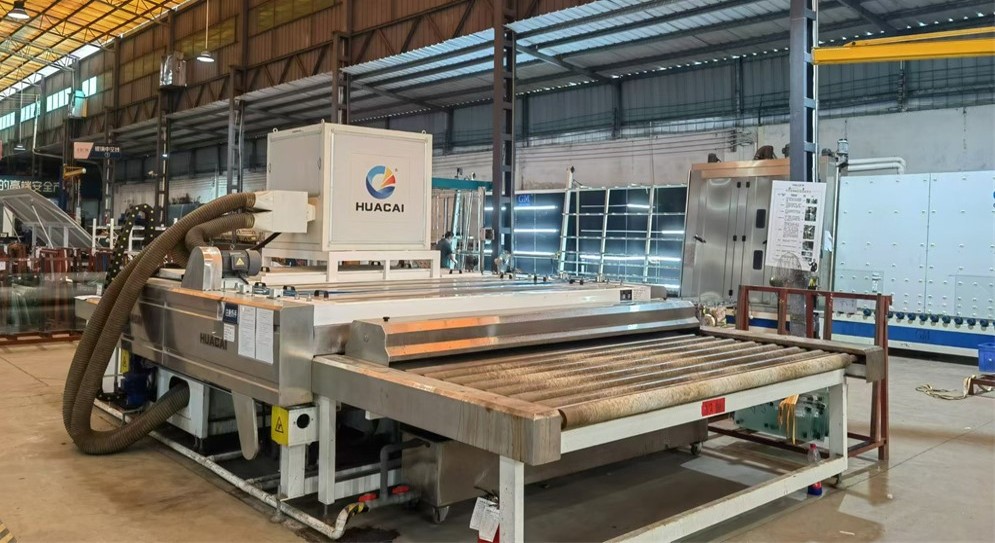
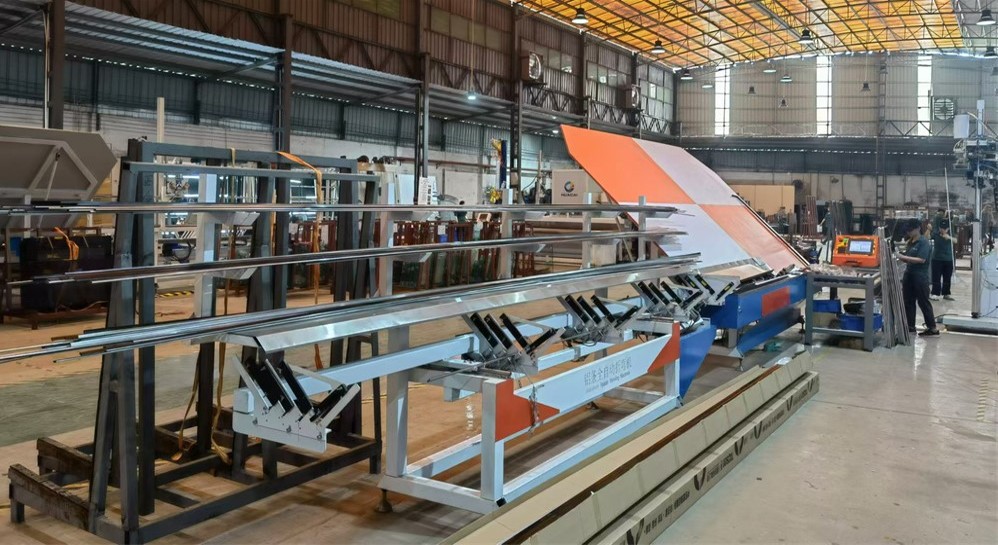
To understand why multi-point systems outclass conventional single-latch systems, it is essential to analyze the gear transmission kinematics and multi-latch engagement points within the door frame channel. A commercial multi-point locking assembly consists of a central gear box (drive gear) connected to upper and lower steel extension rods housed inside the aluminum faceplate groove.
| Lock Component | Mechanical Function | Material Specification | Performance Contribution |
|---|---|---|---|
| Central Deadbolt | Main mechanical latching at handle height | Hardened Stainless Steel (SUS304) | Resists direct impact and central leverage attacks |
| Upper/Lower Hook Bolts | Pivots 90° to clamp into keeper plates | Forged Alloy Steel with Nickel Plating | Prevents frame-spreading and vertical door lifting |
| Adjustable Roller Cams | Glides into strike plates during turn of handle | Brass & Stainless Steel Core | Ensures continuous 4mm seal compression along perimeter |
| Shoot Bolts | Extends vertically into top header & bottom threshold | Solid 12mm Stainless Steel Rods | Eliminates door tip deflection under hurricane-force winds |
| Gear Drive Box | Converts 45° key/handle rotation to linear drive motion | Zinc Die-Cast with Anti-Friction Bushings | Rated for over 200,000 continuous operation cycles |
Multi-point locks pull the door leaf flush against double-lip EPDM gaskets. When combined with laminated double-glazed or triple-glazed tempered glass units, acoustic energy transfer is severely dampened across the 100 Hz – 4000 Hz frequency range, neutralizing urban traffic and wind noise.
By utilizing glass fiber-reinforced Polyamide (PA66GF25) thermal break strips within our aluminum profiles, Veridor doors achieve U-values as low as 1.2 W/m²K. Multi-point compression prevents cold air bypass, ensuring compliance with US Title 24 and NFRC energy conservation standards.
Veridor multi-point doors and windows are custom-engineered to overcome regional climate extremes and local building codes across major export regions:
Challenge: Category 5 hurricanes, severe wind-driven rain, and Florida Miami-Dade NOA compliance requirements.
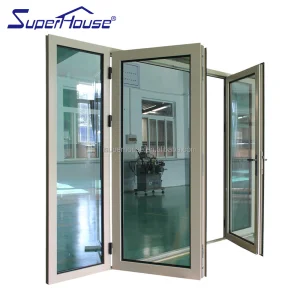
Solution: Superhouse NFRC and NOA-approved heavy profile aluminum bi-folding and sliding doors fitted with laminated PVB/SGP safety glass and 5-point stainless hook locks to withstand structural loads up to ±130 PSF.
Challenge: High UV indices, saltwater corrosion along coastal regions, and AS2047 fenestration compliance.
Solution: Fluorocarbon (PVDF) marine-grade surface finishes combined with stainless steel 316 multi-point drive gear and high-transmittance low-E double glazing, guaranteeing 10+ years without color degradation or hardware pitting.
Challenge: Torrential monsoon rain, humidity condensation, and high ambient temperatures.
Solution: Multi-chamber thermal break profiles with multi-point perimeter compression seals that completely eliminate water leakage at water pressures exceeding 700 Pa, combined with integrated insect flyscreens.
As smart building automation and net-zero carbon architecture become standard in global construction, Veridor’s R&D team (comprising 28 senior engineers) is advancing multi-point locking technology through three core innovation pillars:
Integrating 24V DC quiet servo motors directly into the multi-point drive channel. Enables instant keyless access via biometric 3D facial recognition, RFID, or Zigbee/Z-Wave smart home controllers while auto-locking all points upon closure.
Developing hidden multi-point locking gear designed specifically for narrow-sightline minimalism (21mm interlock profiles), providing unobstructed panoramic views without compromising RC3 burglar resistance.
Embedding kinetic micro-generators inside the handle mechanism. Every cycle charges internal micro-capacitors, sending lock status telemetry (locked, unlatched, thermal seal integrity) to commercial BMS platforms without battery maintenance.
Explore the rest of our export series designed for luxury villas, commercial storefronts, hotel resorts, and prefabricated housing projects.
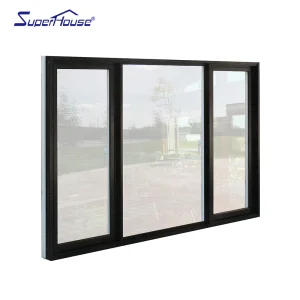
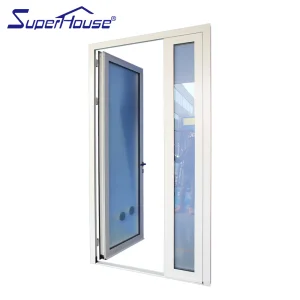
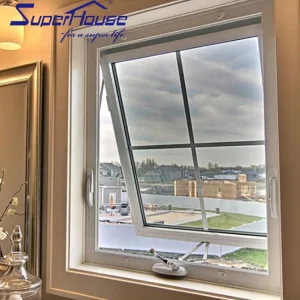
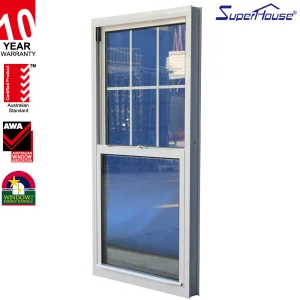
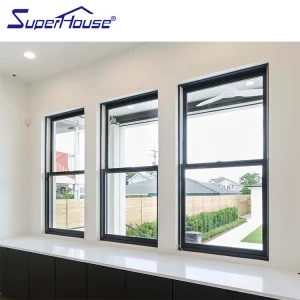
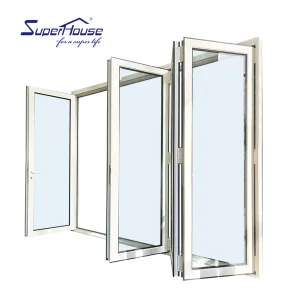
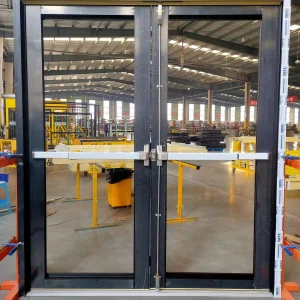
Detailed technical answers for door importers, project engineers, and building contractors regarding multi-point lock integration and OEM manufacturing.
 Veridor