Top 10 Luxury Villa Door Exporters: Architectural Sourcing Guide

Engineering Superiority, Structural Integrity & Industry 4.0 Manufacturing Solutions for Global Procurement Leaders

⚡ Premier Villa Entry & Window Systems (Part 1)

Engineered for high-end residential, commercial developments, and coastal hurricane zones. Select a product below to inspect certified performance specs.
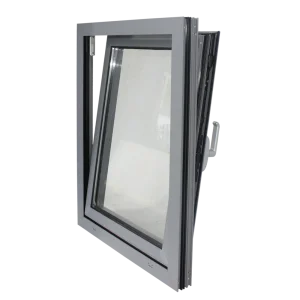
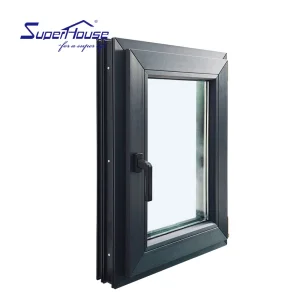
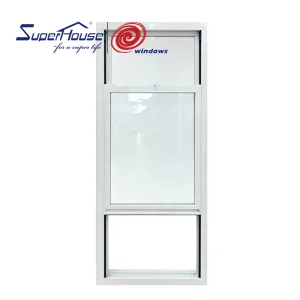
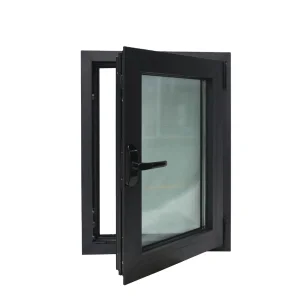
Superhouse High Performance Soundproof Aluminum Tilt Turn Window
Superhouse High Performance Soundproof for Luxury Villas Commercial Office Building Waterproof Aluminum Tilt Turn Window
View Details & Specifications
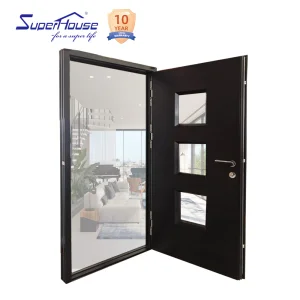
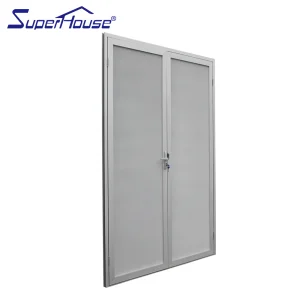
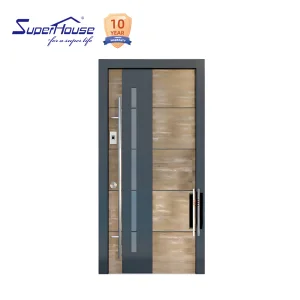
Sound Insulated Aluminium Entry Door Smart Lock
Sound Insulated Aluminium Entry Door Smart Lock Black Front with Security Mesh Fitting Slim Curved Top Modern Style
View Details & Specifications
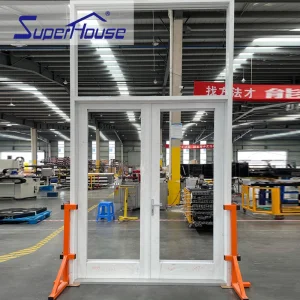
Commercial House Fixed Glass System
Commercial House Fixed High Transmittance Large Glass System Soundproof Thermal Insulation American Style Windows
View Details & Specifications
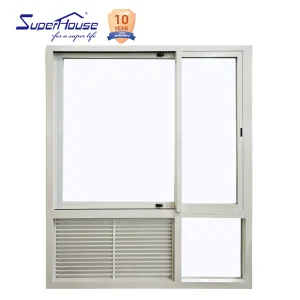
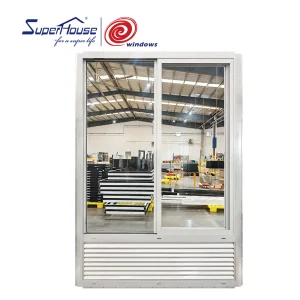
Hotel Sliding Window PTAC
Hotel Sliding Window PTAC Aluminum Alloy Louvers Horizontal Stainless Steel Screen NFRC Energy Star Apartment Condo Windows
View Details & Specifications
NFRC Certified Upvc Double Glazed Casement Windows
NFRC Certified Upvc Double Glazed windows Impact Resistant in Swing Casement windows
View Details & Specifications
Luxury Exterior Aluminum Bulletproof Pivot Door
Superhouse Australian Customized Luxury Exterior Entrance Door Aluminum Alloy Anti-Theft Fireproof Bulletproof Glass Pivot Door
View Details & Specifications
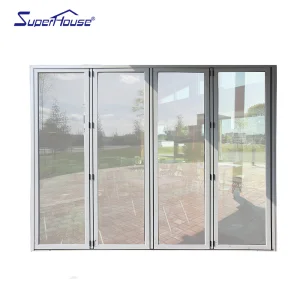
Modern Exterior Double Glass Aluminium Folding Door
Superhouse Modern Double Glass Stylish Waterproof Smooth for Commercial Entrance Patio Exterior Use Aluminium Folding Door
View Details & Specifications
Ultra Narrow Frame Double Glazed Entry Door
NOA Front Doors for Houses Modern Metal Double Door Ultra Narrow Frame Double Glazed Exterior Front Entry Door
View Details & Specifications

📊 Executive Sourcing Benchmark: 2025 Procurement Data

Quantifiable operational benchmarks derived from tier-1 luxury villa door exporters and international structural glass manufacturers.

11M+
Annual Export Revenue (USD)
19,000m²
Industry 4.0 Production Hub
480+
Vetted Hardware & Alloy Partners
IP65
Weather & Water Seal Certification

In modern architectural design, the luxury entry door system is no longer a simple physical barrier; it has evolved into a highly engineered structural envelope module. Key global buyers—ranging from high-end residential developers in North America to resort project managers in Oceania and luxury villa builders across Southeast Asia—now demand strict mechanical performance parameters. Evaluating top villa door exporters requires analyzing structural aluminum extrusion alloys (6063-T6/6059-T6), structural thermal break breakages (PA66-GF25 polyamide reinforced struts), dynamic wind-load resistance capability (reaching up to ±5000 Pa for Dade County hurricane zone compliance), and acoustic attenuation coefficients exceeding STC 45 dB.

🏭 Industry 4.0 Manufacturing Resilience: The Veridor Engine

Vertical Integration, Precision Engineering, and Advanced Supply Chain Management for Luxury Villa Door Exports

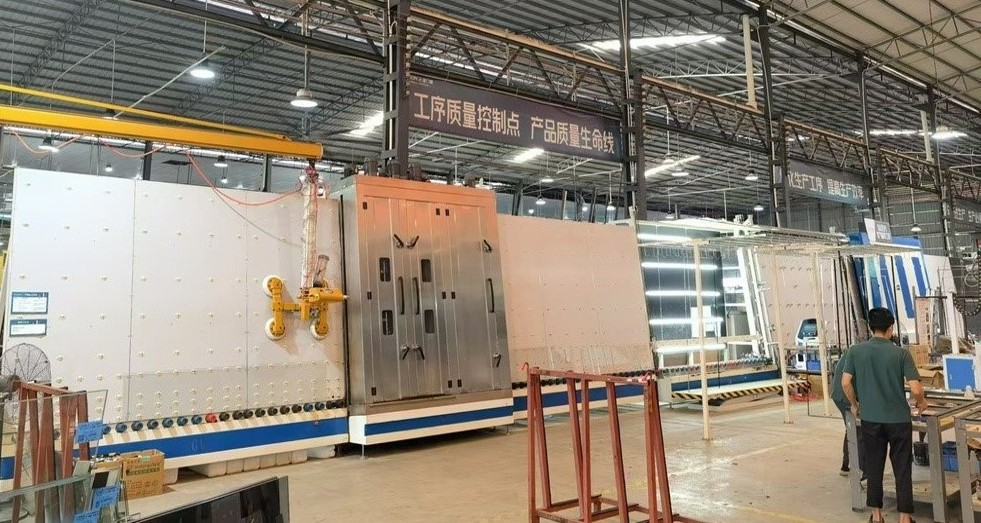
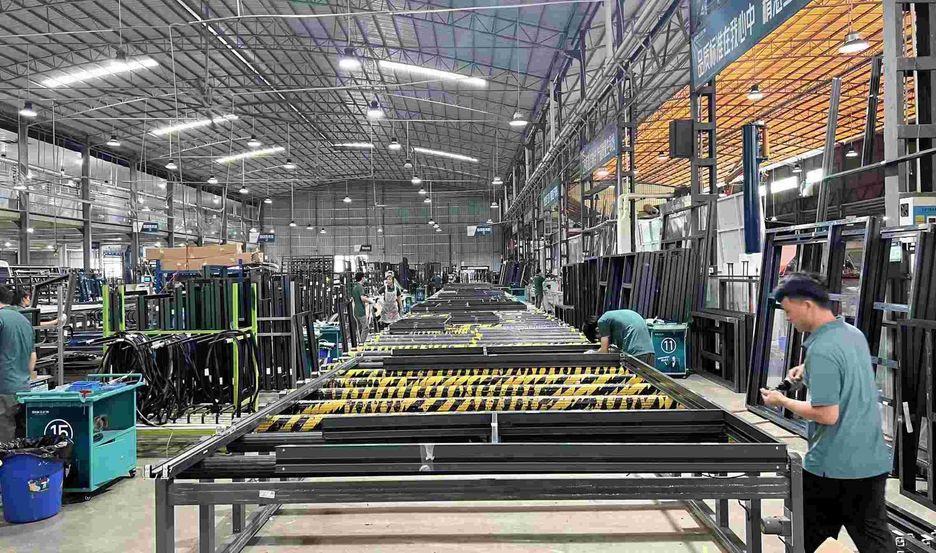
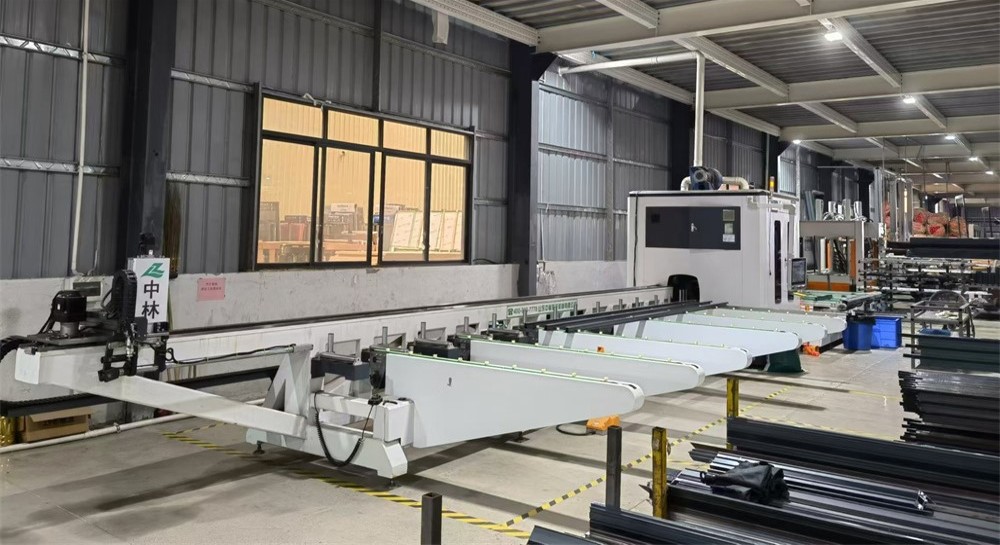
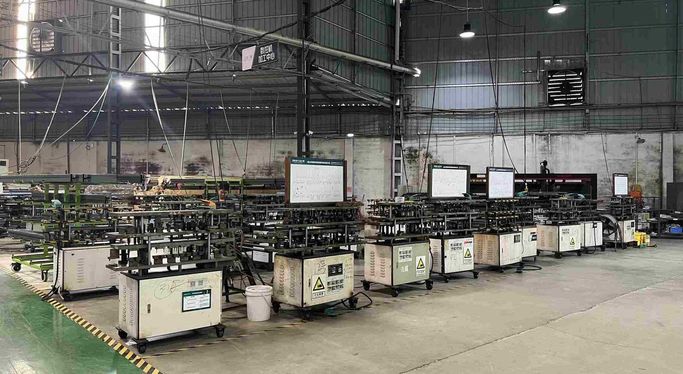
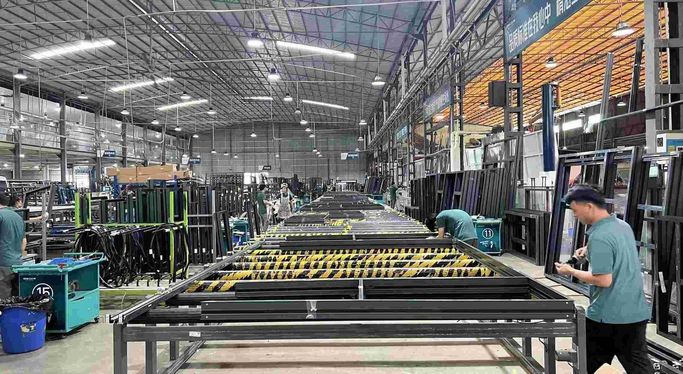
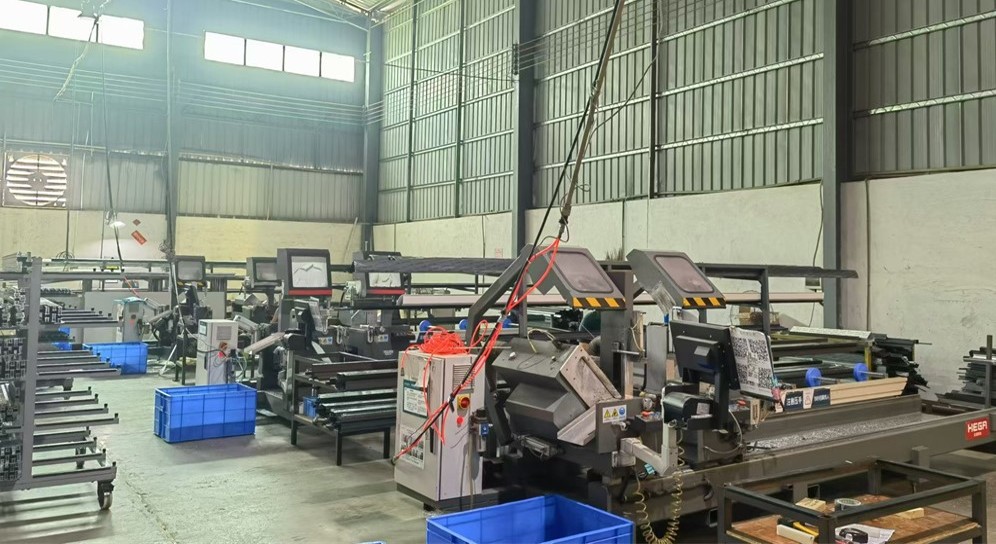
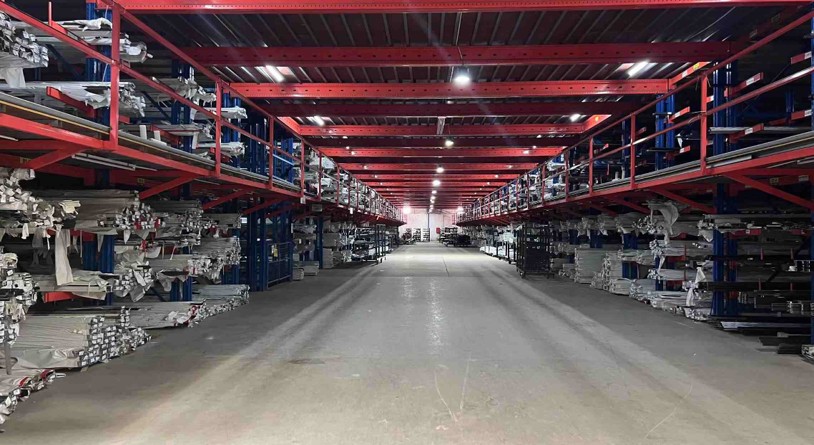
Established in 2013, Veridor Door Technologies Co., Ltd. operates a streamlined 19,000 m² production hub dedicated to modern residential entry doors and architectural facade systems. Combining 11 years of deep manufacturing domain expertise with 5 years of active, high-volume foreign trade operations, Veridor delivers consistent quality to global distribution channels, structural contractors, and high-end residential home builders across North America, Oceania, and Southeast Asia.

To eliminate production bottlenecks and guarantee exact structural alignment across large-scale estate developments, Veridor leverages a tightly integrated ecosystem of over 480 verified material suppliers and hardware OEM foundries. Quality assurance is maintained through a dedicated team of 22 quality inspectors conducting rigorous IP65 weather-seal validation, surface coating adhesion testing (ASTM D3359 cross-hatch standard), and 100% manual final assembly alignment checks prior to export packaging.
Integrated Manufacturing Workflow Process

Raw Materials Inspection 1. Raw Materials QC
Precision Aluminum Cutting 2. CNC Cutting
Precision Punching 3. Automated Punching
Hollow Glass Processing 4. Hollow Processing
Structural Structural Gluing 5. Structural Gluing
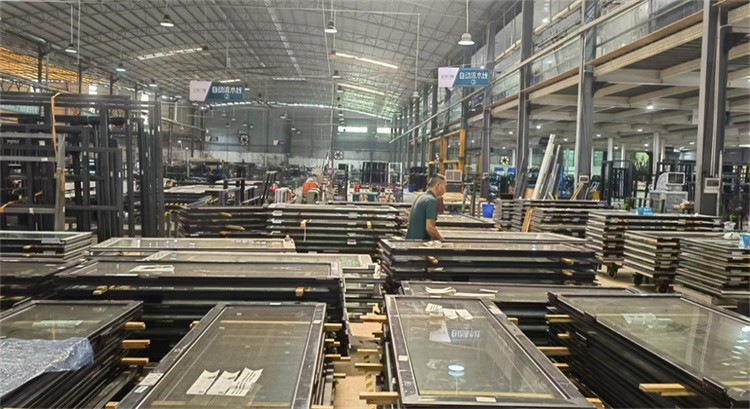
Precision Assembly 6. Frame Assembly
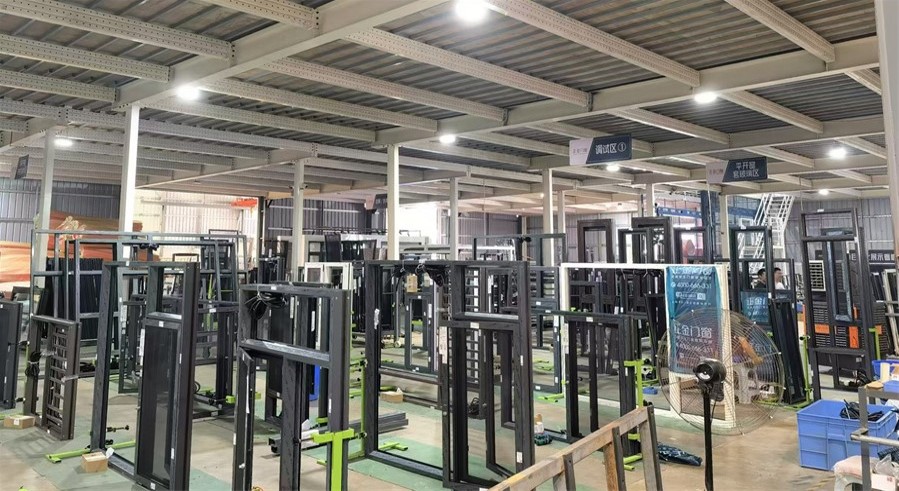
Tolerance Debugging 7. Precision Debugging
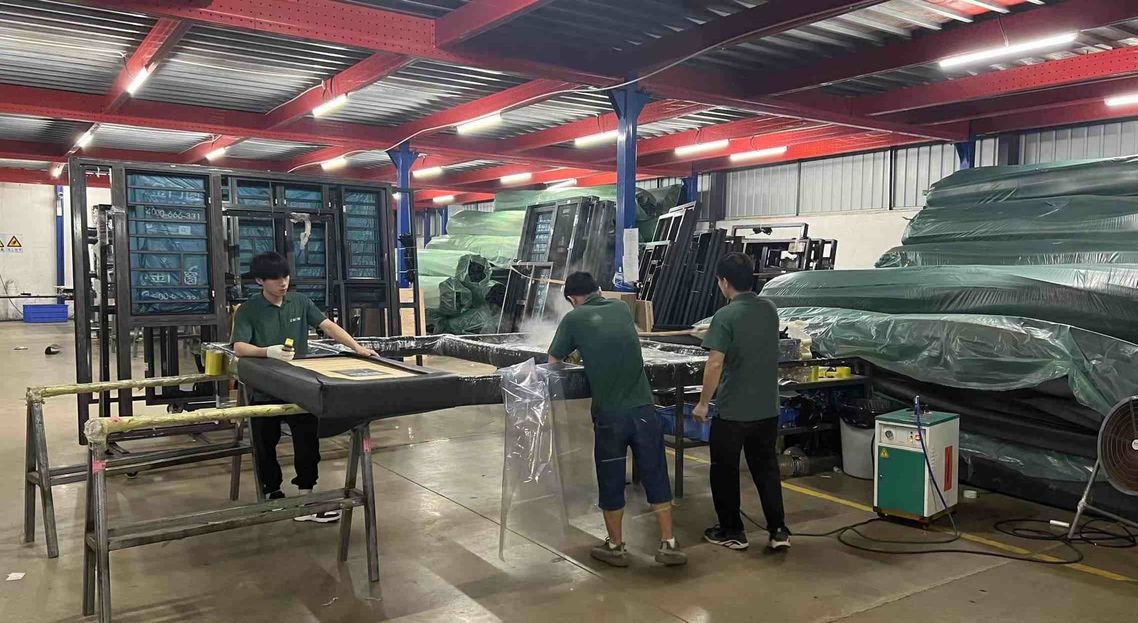
Export Ocean Packaging 8. Ocean Export Packing

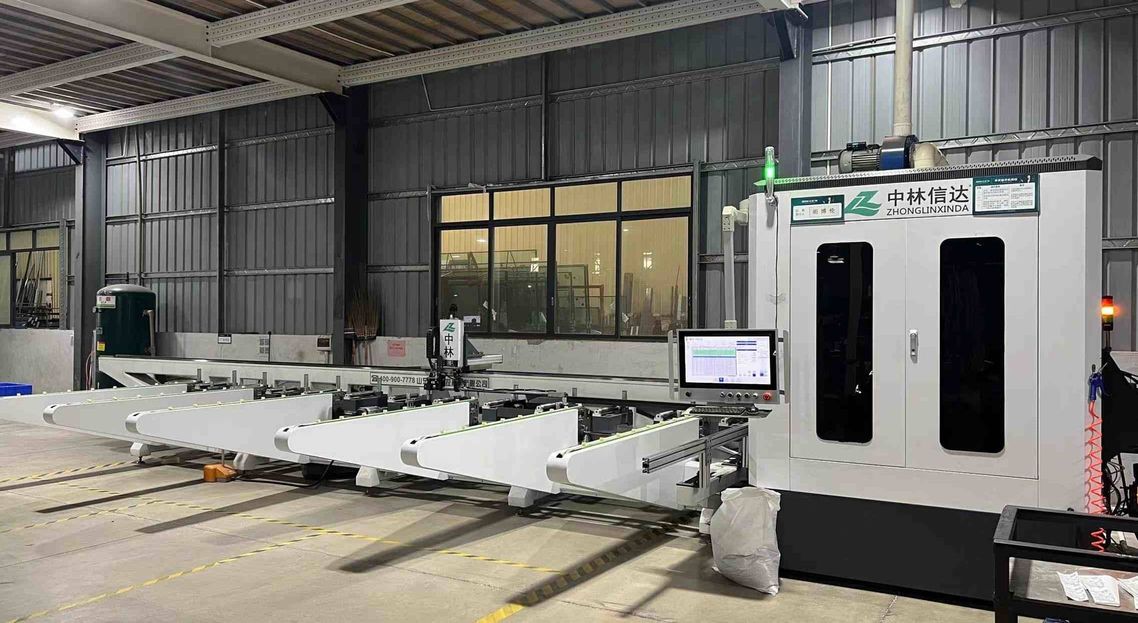
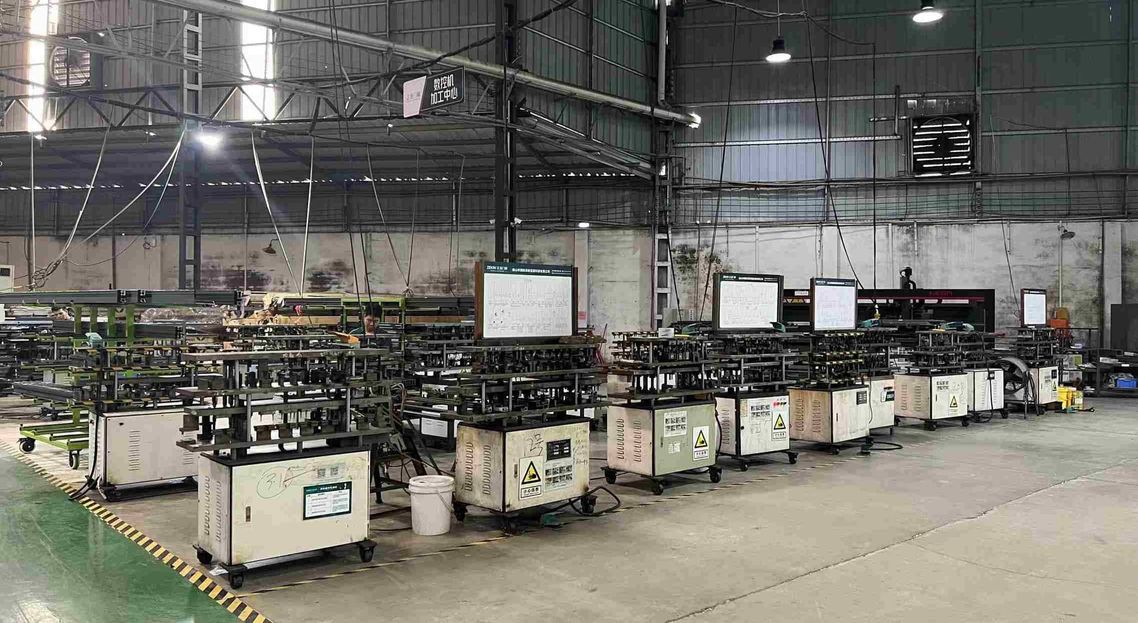
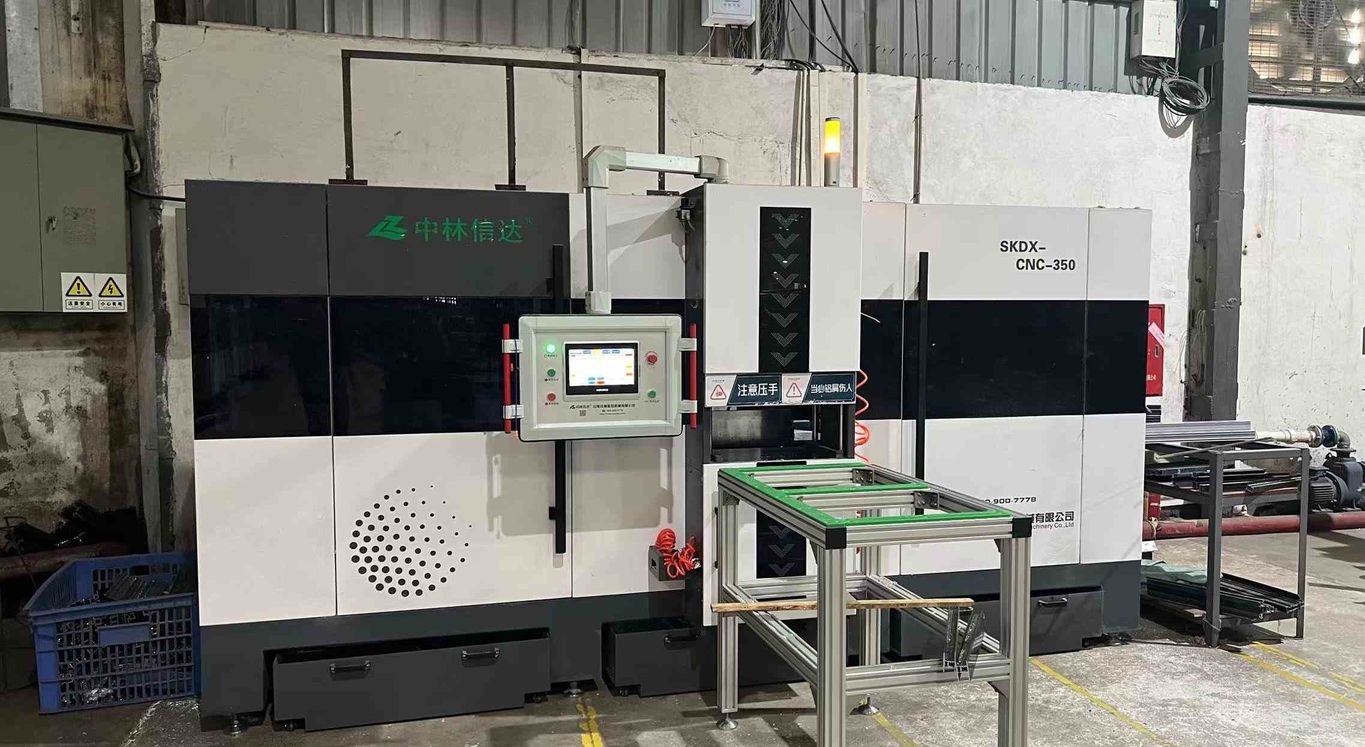
Automated Machinery & Heavy Industrial Infrastructure

Laser Cutting Machine Laser Cutting System
Punching Machine CNC Punching Station
Assembly Line Smart Assembly Line
Double Head Sawing Machine Double Head Mitre Saw
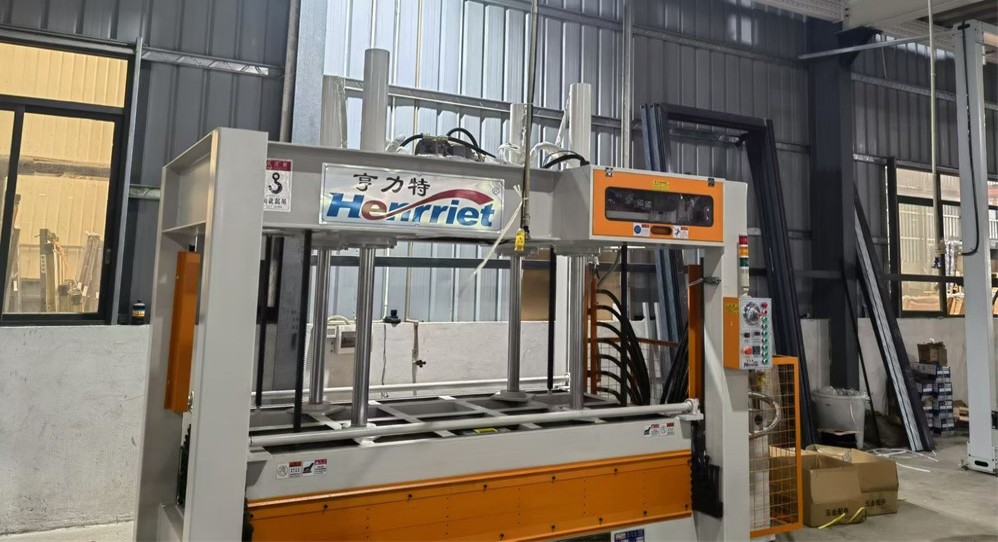
Pressing Machine Hydraulic Corner Press
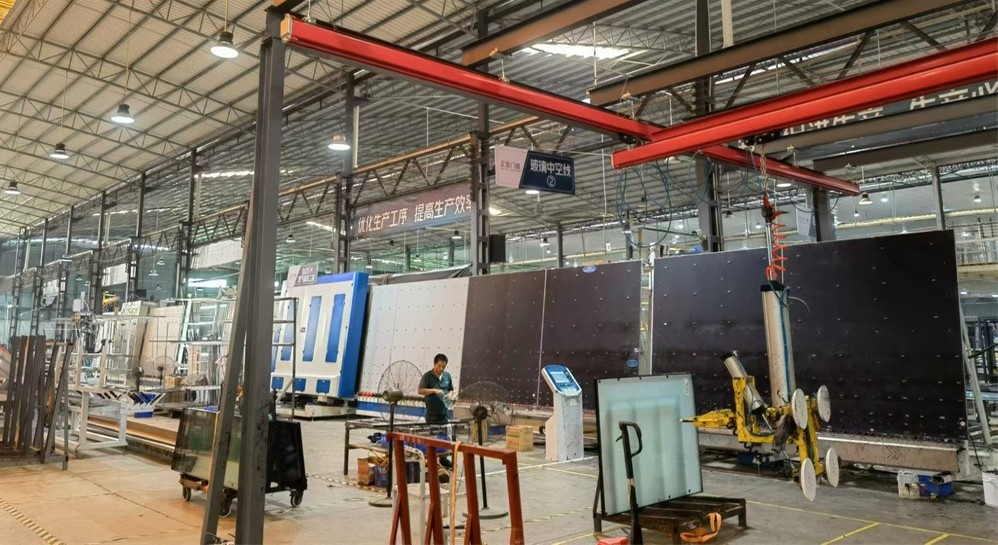
Hollow Line Insulated Glass Line
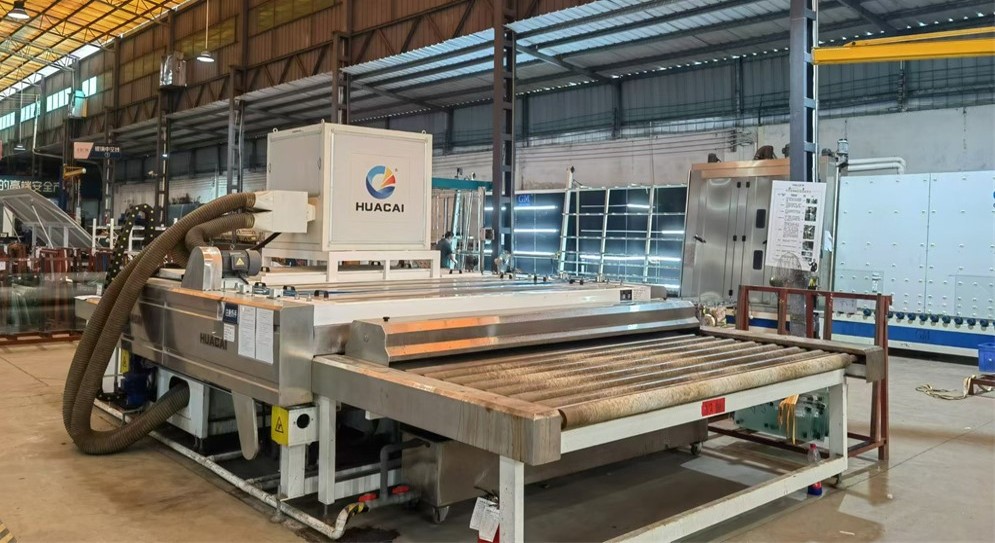
Glass Cleaning Machine Deionized Glass Washer
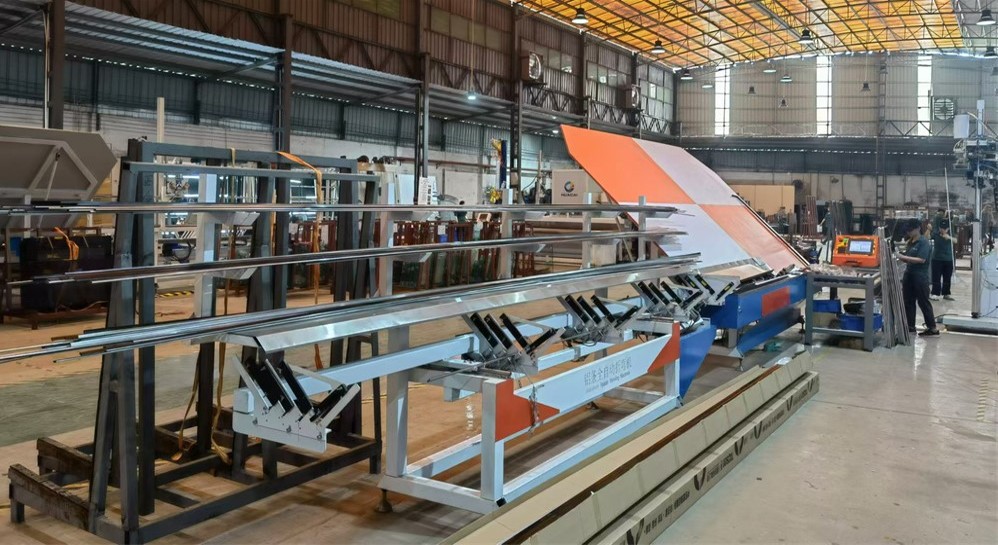
Bending Machine CNC Profile Bending
Automatic End Milling Machine End Milling Center
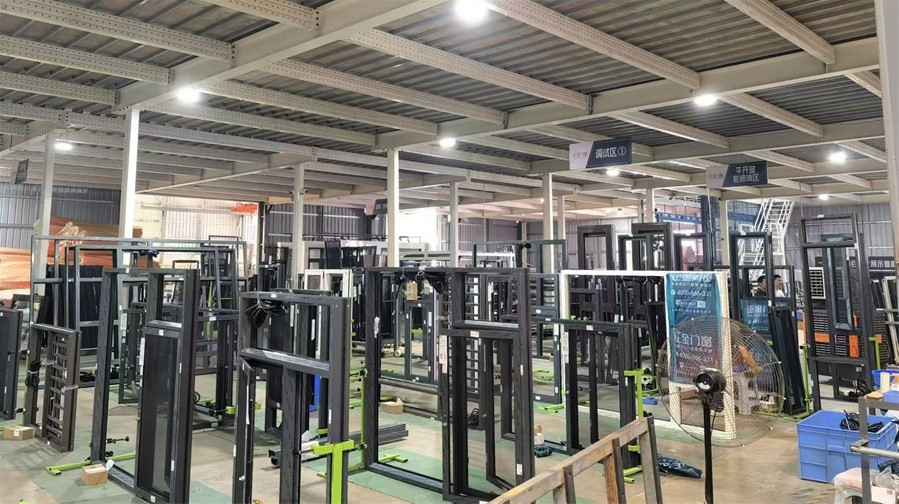
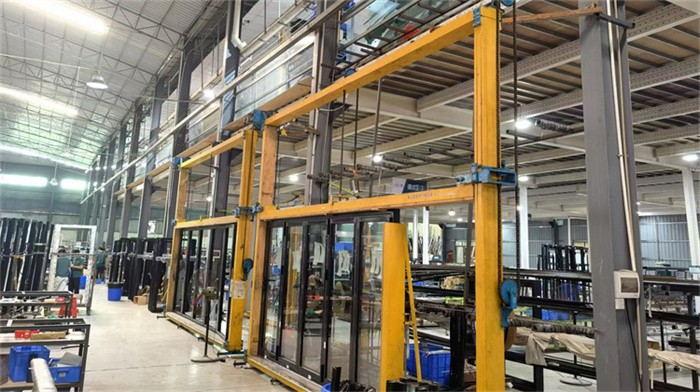
Final Product Debugging Pre-Shipment Testing
Debugging Frame Setup Frame Alignment Rig

🚀 Technology Roadmap & Future Architectural Outlook (2025–2030)

Strategic R&D trajectories transforming high-end architectural door design through ultra-thermal glass, smart structural integration, and carbon-neutral production.

Next-Gen Glazing

Vacuum Insulated Glass (VIG) & Low-E Thin-Film Co-Extrusion

Moving beyond standard double and triple argon-filled units, top exporters are transitioning toward micro-spacer Vacuum Insulated Glass (VIG). VIG delivers thermal resistance matching solid insulated brick walls (U-factors as low as 0.60 W/m²K or U-0.10 Btu/h·ft²·°F) within a profile thickness of under 10mm, enabling sleek, minimalist door stiles.

Smart Access IoT

Biometric Smart Lock Integration & Concealed Automation

Luxury villa entryways are rapidly adopting architectural smart door hardware. 2025–2030 specifications emphasize zero-visible-hardware design—integrating 3D facial recognition sensors, optical fingerprint scanners, and motor-driven multi-point lock actuators directly into thermally broken aluminum sub-frames with backup power storage.

Sustainability

Marine-Grade Powder Coating & Circular Carbon Materials

Coastal luxury estates demand anti-corrosion survival rates capable of enduring 3,000+ hours of continuous salt spray testing (ASTM B117 standard). Leading exporters use Qualicoat Class 2/3 fluorocarbon coatings paired with 75%+ post-consumer recycled aluminum, reducing embodied carbon footprints by up to 60% per door unit.

🏛️ Macro Industry Solutions: Solving Complex Architectural Demands

Customized Engineering Frameworks for High-End Coastal Villas, Commercial Escapes, and Smart Estates

1. High-Wind & Coastal Hurricane Resistance Engineering

Coastal villas facing severe meteorological pressure demand dynamic structural resistance. Tier-1 exporters utilize structural steel reinforced heavy-duty wall extrusions (up to 3.0mm structural wall thickness), combined with laminated heat-strengthened glass panels (e.g., 6mm Low-E + 1.52mm SentryGlas® PVB + 6mm Clear). This engineering design complies with Florida Miami-Dade Notice of Acceptance (NOA) and Australian AS2047 design standards, protecting luxury properties against 200+ mph wind forces and airborne debris impact.

2. Urban Acoustic Decoupling & High STC Insulation

Luxury urban residential estates and mixed-use commercial developments require strict acoustic isolation from street level noise (ambient noise levels exceeding 75 dB). Utilizing asymmetrical glass thickness combinations (e.g., 8mm exterior toughened + 12mm Argon space + 6mm interior laminated), dual EPDM continuous perimeter seals, and heavy-density polyurethane foam core slab inserts, exported luxury door systems achieve sound attenuation ratings exceeding STC 42-48 dB.

Engineering Matrix: Door System Comparison for Developers

Review the performance matrix below to align architectural intent with certified physical specs:

Door / Window Category Core Structural Material Thermal Performance (U-Value) Acoustic Rating (STC) Security / Impact Class
Heavy-Duty Architectural Pivot Entry 3.0mm T6 Aluminum / Thermal Break PA66 1.2 - 1.6 W/m²K STC 40 - 45 dB RC3 / Bulletproof Options (EN 1063)
Ultra-Narrow Frame Glass Entry High-Tensile Aluminum Alloy / Slim Stiles 1.4 - 1.8 W/m²K STC 38 - 42 dB Multi-point Deadbolt Locking
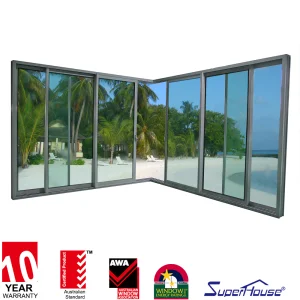
Hurricane-Impact Sliding / Bi-Fold System Reinforced Sub-Frame + SGP Interlayer Glass 1.1 - 1.5 W/m²K STC 42 - 46 dB Miami-Dade NOA / AS2047 Tested
Thermal Break Tilt & Turn Window/Door Multi-Cavity Thermal Aluminum / EPDM Gaskets 0.8 - 1.2 W/m²K STC 44 - 48 dB WK2 / European Standard PAS 24

🌐 Localized Support, Testing & Global Compliance Standards

Ensuring Effortless Customs Clearance, Regional Building Code Compliance, and Site Support

North American Standards (NFRC & NOA)

Products exported to the US and Canada adhere strictly to National Fenestration Rating Council (NFRC) guidelines for U-Factor and SHGC verification, alongside Florida Building Code (FBC) High-Velocity Hurricane Zone (HVHZ) requirements, guaranteeing long-term energy efficiency tax eligibility and storm safety.

Australian & Oceanian Standards (AS2047 / AS1288)

To serve the Australian construction sector, exported luxury doors undergo mechanical load, air infiltration, and water penetration testing under AS2047, while all safety glass glazing is fully certified under AS1288 standard protocols.

European CE & UKCA Conformance

European export lines fulfill EN 14351-1 harmonized product standards, covering air permeability (EN 12207 Class 4), watertightness (EN 12208 Class 9A), and resistance to wind loads (EN 12210 Class C5).

End-to-End Localized Procurement Support

To eliminate downstream installation friction, top door exporters maintain comprehensive technical support programs. Veridor, for instance, offers specialized engineering drawing verification (AutoCAD/BIM rendering support), pre-installed digital lock software pairing, customized shipping crates lined with high-density foam shock absorption, and on-demand video assembly guidance for project contractors on site.

📋 Enterprise Procurement Framework & Sourcing Checklist

A Structured Roadmap for Procurement Officers, Real Estate Developers, and Sourcing Agents

Procuring luxury entry doors and architectural facade systems from international manufacturers requires a rigorous evaluation process. Below is the strategic 5-point verification framework recommended by senior B2B procurement directors:

  • 1. Profile Alloy & Wall Thickness Auditing: Ensure structural profiles meet or exceed 2.0mm to 3.0mm aluminum thickness for primary load-bearing pivot doors. Verify alloy composition (6063-T6 minimum grade).
  • 2. Thermal Break Integrity Verification: Inspect whether the thermal barrier uses high-grade Polyamide PA66-GF25 (glass fiber reinforced). Avoid cheap PVC structural breaks which degrade under high thermal stress.
  • 3. Hardware Reliability & Cycle Testing: Require test certificates for hinges, pivot pins, and multi-point lock bodies demonstrating minimum 100,000+ open-close cycles without mechanical failure or sags.
  • 4. Surface Finish & Corrosion Resistance: Confirm marine-grade powder coating (such as AkzoNobel or PPG coatings) backed by minimum 10 to 15-year salt-spray and UV degradation warranties.
  • 5. Export Packaging & Freight Protection: Request fully enclosed plywood crate packaging with vacuum moisture sealing to prevent surface scratch damage or glass breakage during long-distance ocean transit.

⚡ Premier Villa Entry & Window Systems (Part 2)

Explore additional high-performance architectural systems engineered for modern luxury housing projects worldwide.
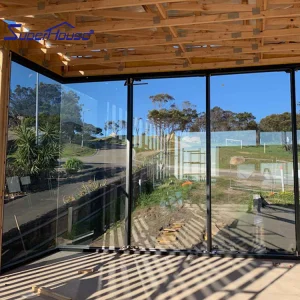
NOA Hurricane Low-E Aluminum Sliding Door
NOA Hurricane Low-E Aluminum Modern Windproof Sliding Door for Hotel Use with Double Glazing Tempered Glass
View Details & Specifications
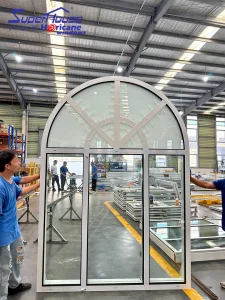
Custom Thermal Break Aluminum Arched French Door
Thermal Break Aluminum French Patio Entry Door,Tempered Double Glass Sound Insulation Custom Curved Arched Front Door
View Details & Specifications
Hurricane Impact Double Hung Windows
NOA/FPA/NFRC Hurricane Impact Proof Double Tempered Single /double Hung windows for House With Nailing Flange
View Details & Specifications
AS2047 Thermal Break Aluminum Hinged Door
AS2047 Thermal Break Aluminum Hinged Door with Security Screen German Hardware Windproof Insect-Proof Balcony Entry Door
View Details & Specifications
Aluminum Sliding Window with Built-in Blinds
Aluminum Sliding Window with Built-in Blinds Double Glazed Thermal Break Window for Hotel Guest Room Project
View Details & Specifications
Commercial Electric Aluminum Emergency Escape Storefront Door
Commercial Door Aluminium Electric Open Emergency Escape Storefront Door with Pull bar and ADA Door
View Details & Specifications
Florida Certified Hurricane Impact Aluminum Tilt Turn Window
Commercial Hotel Aluminum Tilt&Turn Window Florida Certified Hurricane Impact Double Glass Windproof Soundproof Mass Production
View Details & Specifications
Thermal Break Aluminum Double Glazed Casement Window
Thermal Break Aluminum Casement Fixed Window NFRC Certified Double Glazed Low-E Glass Thermal Insulation for Kitchen Living Room
View Details & Specifications

❓ High-Gain Procurement FAQ & Technical Q&A

Direct Answers to Essential Technical, Regulatory, and Logistics Sourcing Questions

Q1: What structural features differentiate top luxury villa door exporters from standard residential door suppliers?
Luxury villa door exporters specialize in heavy-gauge structural profile engineering (utilizing 2.5mm–3.0mm wall thickness T6 aluminum alloys), integrated thermal break barriers (such as PA66-GF25 polyamide struts), and heavy-duty concealed hardware capable of supporting single sash door weights exceeding 400 kg (880 lbs). Furthermore, top exporters offer marine-grade anti-corrosion surface treatments, multi-point motorized locking integration, and certified acoustic/impact glass options.
Q2: How do thermal break aluminum pivot doors maintain airtight and watertight seals against extreme weather?
High-end pivot doors utilize multi-layer continuous EPDM rubber seals paired with drop-down automatic bottom weather seals (air-stop sweeps) that actuate upon closing. Furthermore, internal drainage channels within the threshold profile prevent water backing up during severe rainstorms, ensuring IP65-equivalent protection against wind-driven precipitation.
Q3: Why is Florida NOA and NFRC certification critical for importing doors into North America?
Florida Notice of Acceptance (NOA) certifies that the door system has passed stringent cyclic wind pressure and large missile impact tests mandated for hurricane zones. NFRC certification provides verified ratings for U-Factor, Solar Heat Gain Coefficient (SHGC), and Visible Transmittance (VT), which are required by municipal inspectors to satisfy IECC energy code requirements across US states.
Q4: What customization capabilities does Veridor offer for architectural luxury entry projects?
Veridor provides complete bespoke OEM/ODM design flexibility, including custom CNC panel relief patterns, integrated smart digital lock pre-installations (biometric, keypad, RFID, IoT access), custom frame depth profiles, specialized arched or curved tops, bulletproof glass inserts, and marine-grade Qualicoat powder coating in any RAL color code.
Q5: How do exporters ensure oversized architectural glass doors do not break during long-distance ocean shipping?
Exporters use custom-built fully enclosed IPPC-certified ISPM-15 compliant plywood crates. The glass and frame profiles are separated by dense EVA foam rubber pads, vacuum-sealed in protective moisture-proof plastic wrap, and strapped down inside cargo containers using heavy-duty nylon web lashing to eliminate movement during oceanic transit.
Q6: What is the typical lead time for custom villa door mass production orders?
Standard OEM/ODM production lead times range between 25 to 35 business days following final CAD shop drawing sign-off and material approval. Expedited manufacturing cycles are available for commercial housing projects with pre-stocked profile systems.
Q7: How does bulletproof glass integration affect the operational weight and hardware requirements of villa entry doors?
Bulletproof laminated glass (satisfying EN 1063 BR4 to BR7 or UL 752 standards) significantly increases sash weight, often adding 80 kg to 150 kg per square meter. Top exporters counter this load by integrating heavy-duty German or Italian engineered hydraulic floor springs and heavy-capacity top-pivot bearings rated for up to 600 kg continuous capacity.
Q8: Can smart digital locks integrated into aluminum exterior doors operate reliably under extreme exterior climate conditions?
Yes. Commercial smart lock solutions engineered by tier-1 door manufacturers feature IP66 weatherproofing, anti-condensation internal heating circuits, and operating temperature ratings spanning from -30°C to +70°C (-22°F to +158°F), backed by manual key and external 9V emergency power jump terminals.