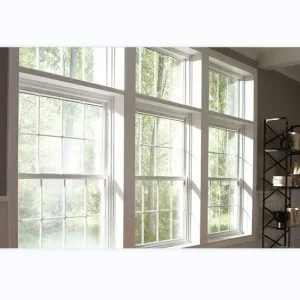
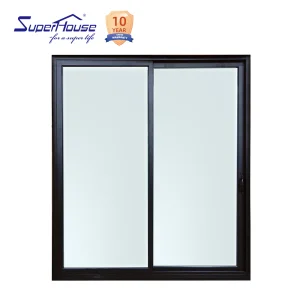
Certified aluminum and vinyl structural assemblies engineered for hurricane compliance, high thermal insulation, and minimal frame sightlines.
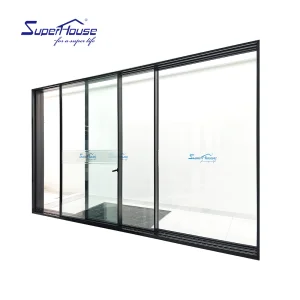
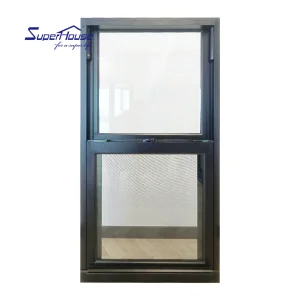
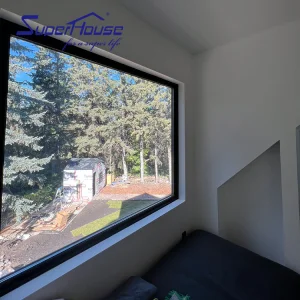
Macroeconomic structural shifts, decarbonization mandates, and the rising global adoption of low-E energy efficient Fenestration systems.
The contemporary residential architecture landscape is undergoing a paradigm shift. Driven by stringent national energy conservation codes—such as ASHRAE 90.1 in North America, the EU Energy Performance of Buildings Directive (EPBD), and Australia’s NCC National Construction Code—commercial builders and luxury residential developers are moving away from non-thermal profile systems. Aluminum alloy 6063-T5 and 6063-T6 extrusions paired with structural Polyamide (PA66 GF25) thermal barriers have emerged as the definitive material choice for modern entryways, sliding patio portals, and high-rise curtain wall assemblies.
Unlike vinyl or traditional timber, structural aluminum delivers an unmatched strength-to-weight ratio, allowing engineers to design ultra-slim sightlines that maximize natural daylight intake without sacrificing wind-load structural integrity. However, raw aluminum exhibits high thermal conductivity. To counteract thermal bridging, leading global manufacturers incorporate multi-chambered thermal breaks, Low-E argon-filled double/triple glazing unit (IGU) matrices, and continuous EPDM double-compression sealing systems.
B2B procurement trends vary significantly depending on micro-climate resilience demands and regional structural building codes:
Established in 2013, Veridor Door Technologies Co., Ltd. operates a streamlined 19,000 m² modern production facility, generating $11 million in annual export revenue across global residential markets.
Veridor Door Technologies Co., Ltd. is a primary manufacturer specializing in contemporary residential entry doors, architectural sliding systems, and project-grade windows. With 11 years of structural engineering experience and 5 years of dedicated international export operations, Veridor serves door importers, housing contractors, and architectural distributors across Oceania, Southeast Asia, and North America. Supported by a network of over 480 vetted hardware and material suppliers, Veridor ensures component traceability and long-term mechanical reliability.
Quality control is executed by a team of 22 certified quality inspectors performing rigorous IP65 weather-seal validation, surface coating adhesion testing, cross-hatch tests, and precise manual assembly checks. The R&D division comprises 28 structural engineers who engineered 65 new entry door models last year alone. Custom capabilities include customized panel relief patterns, smart digital biometric lock integration, bespoke frame extrusions, and anti-scratch marine-grade anodized surface treatments.
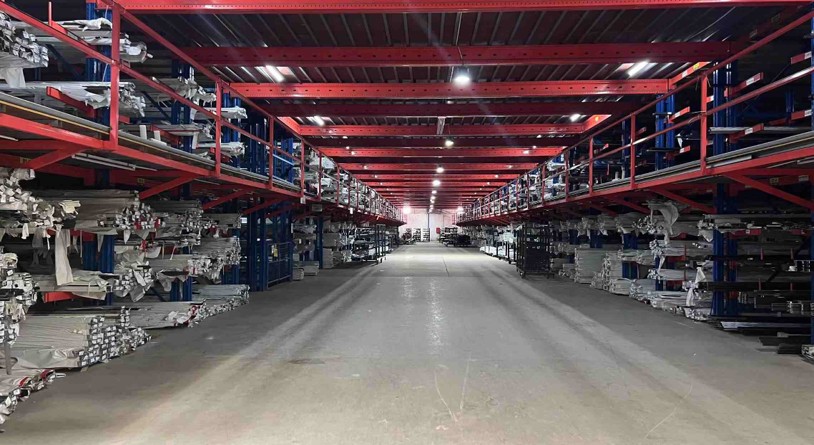
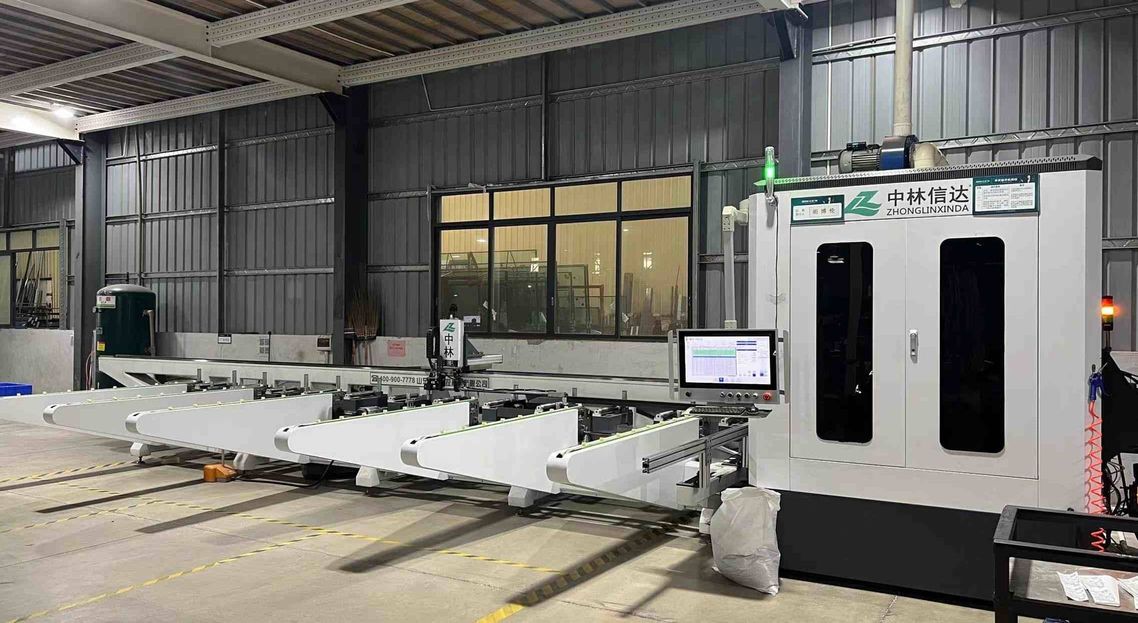
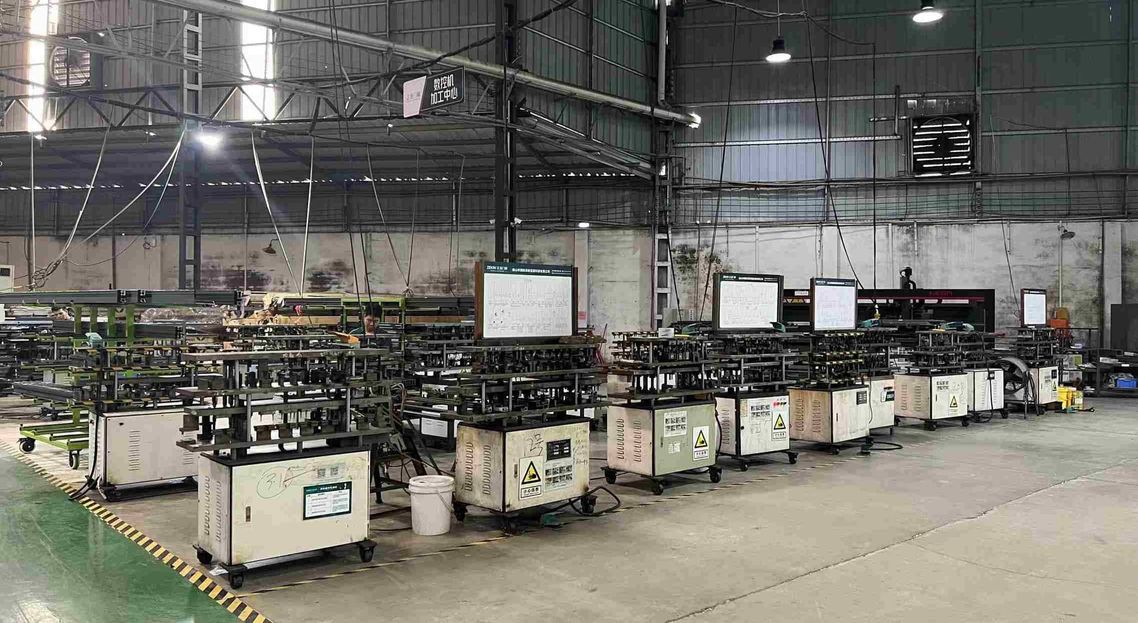
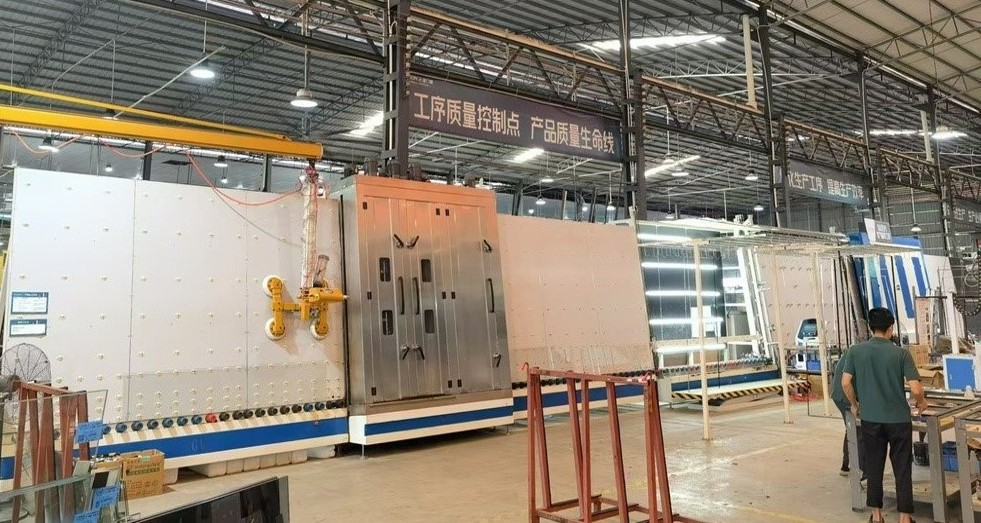
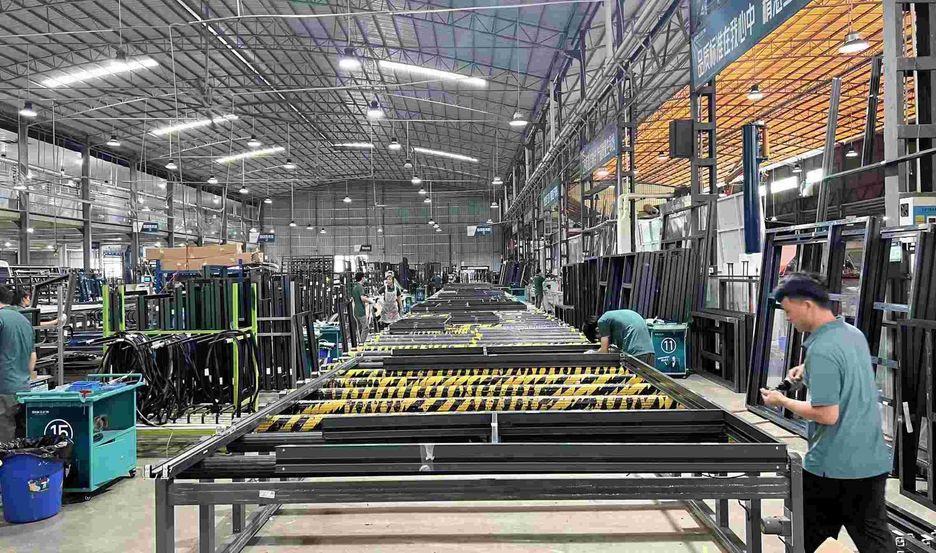
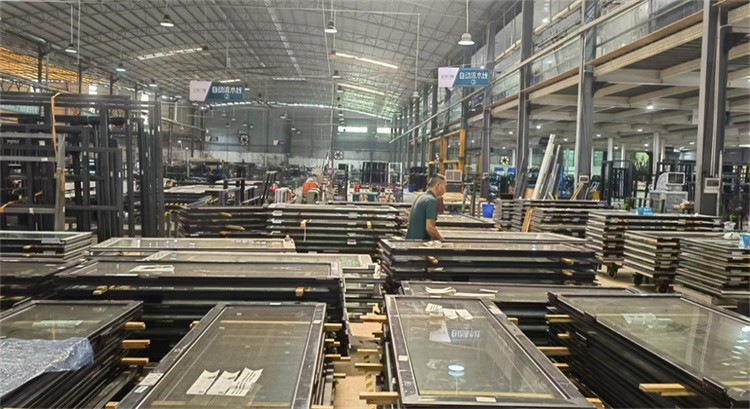
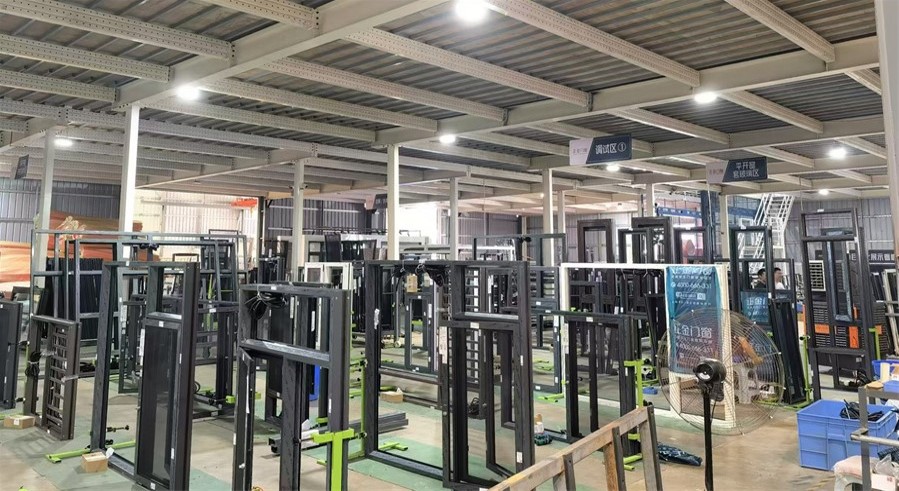
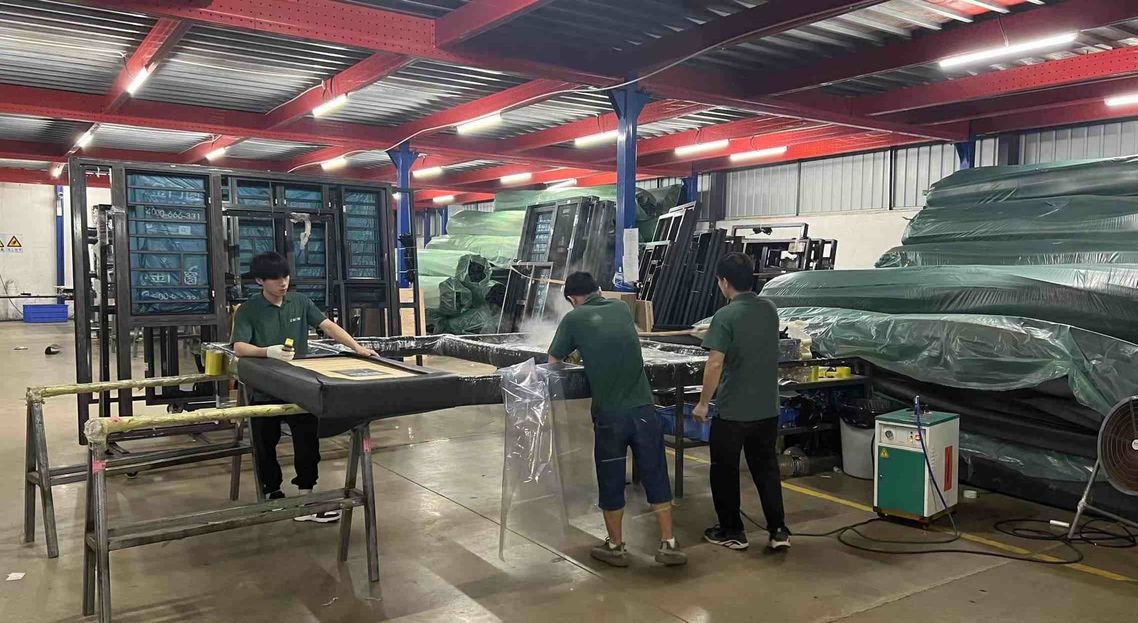
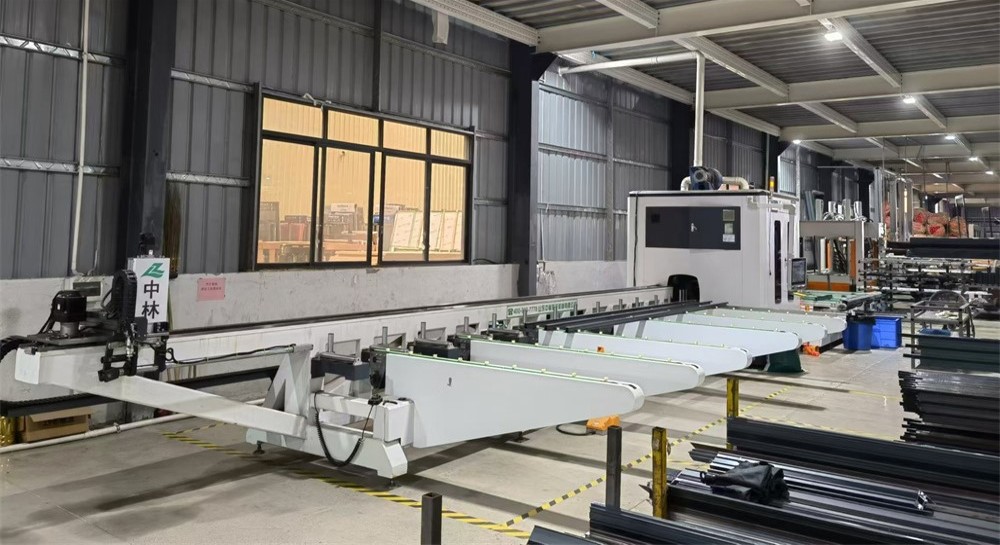
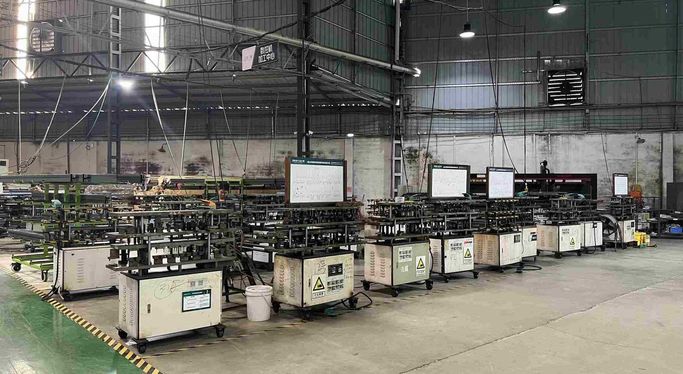
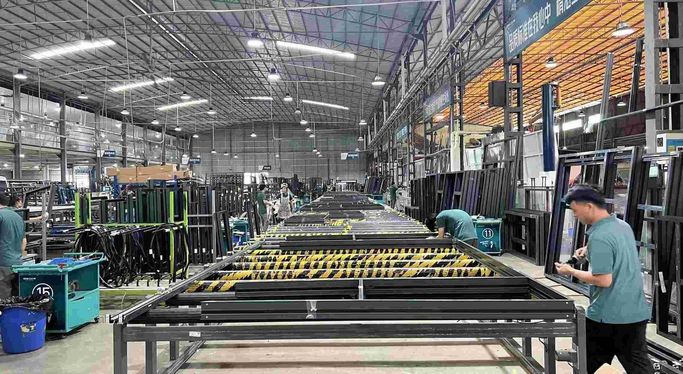
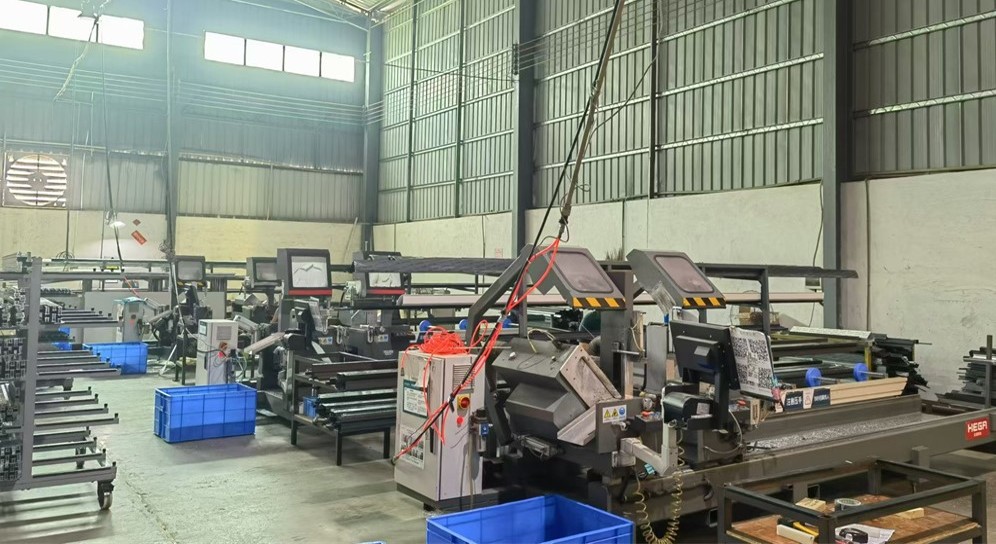
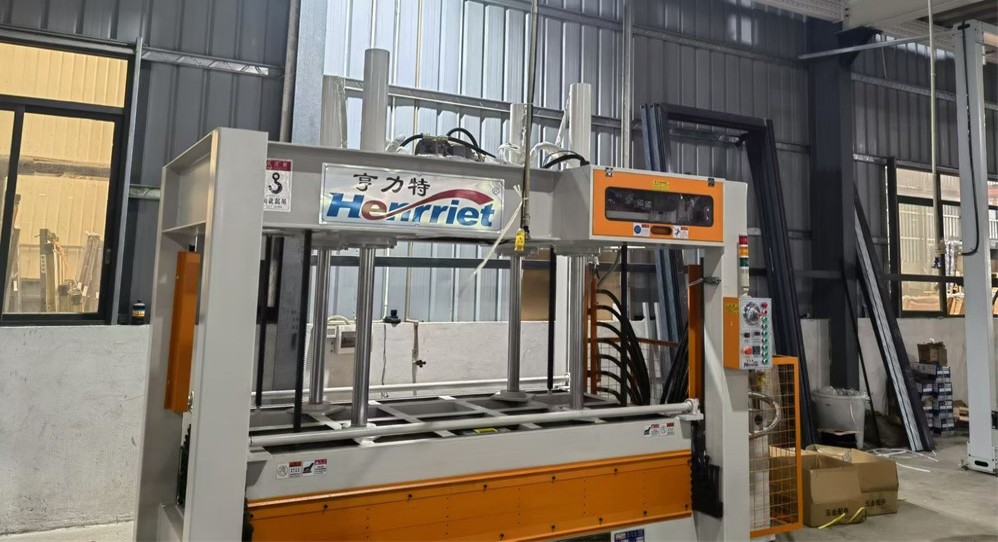
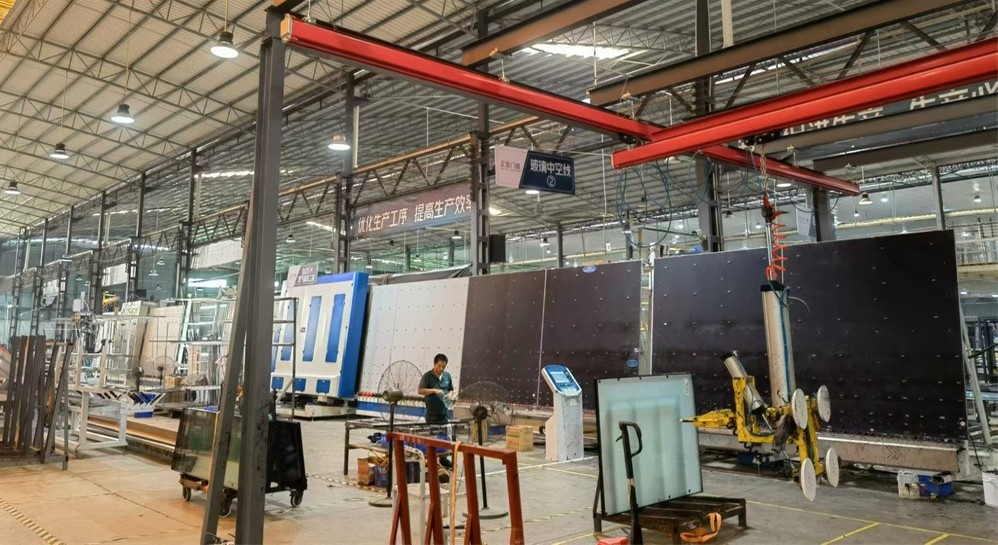
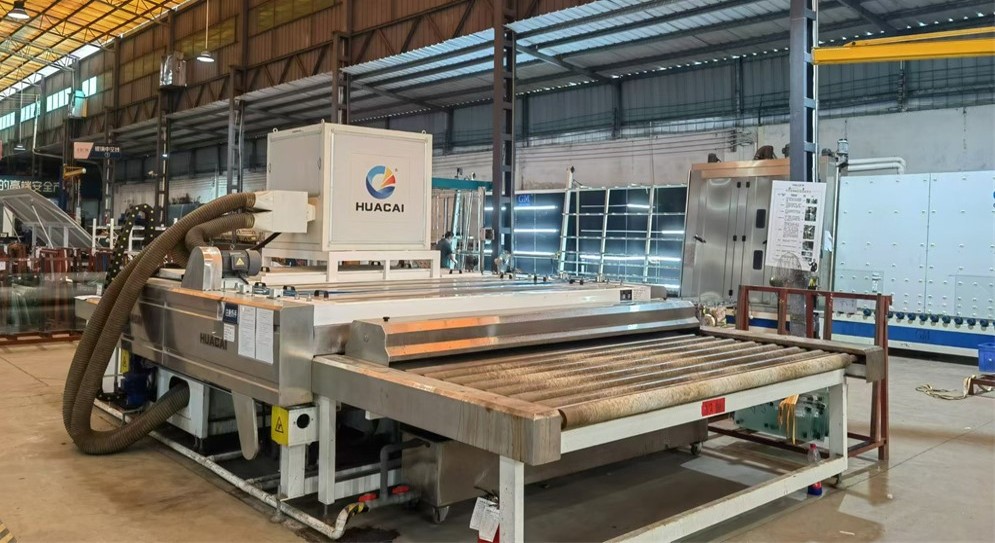
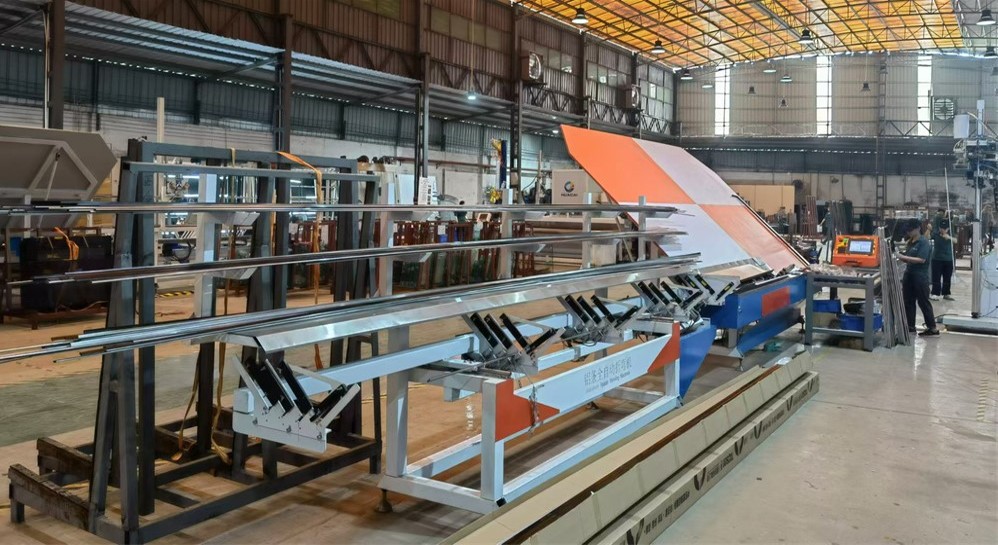
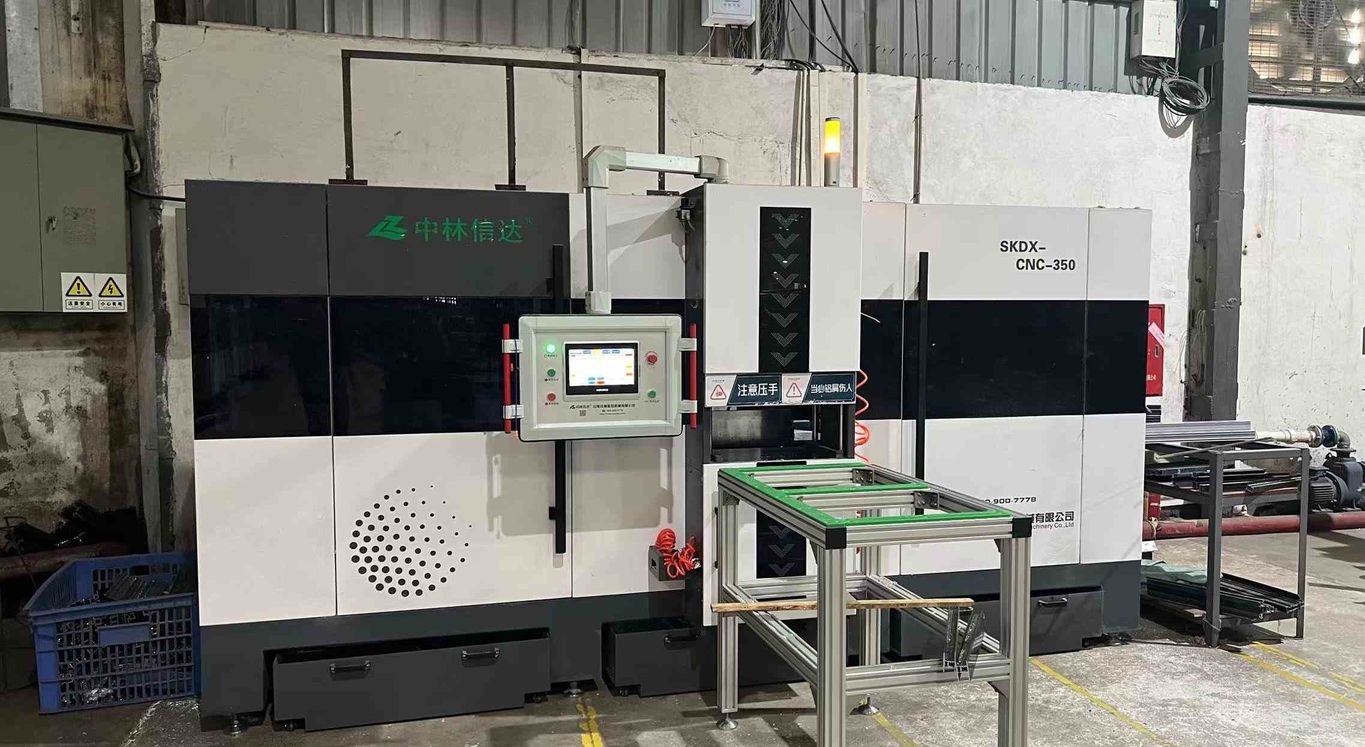
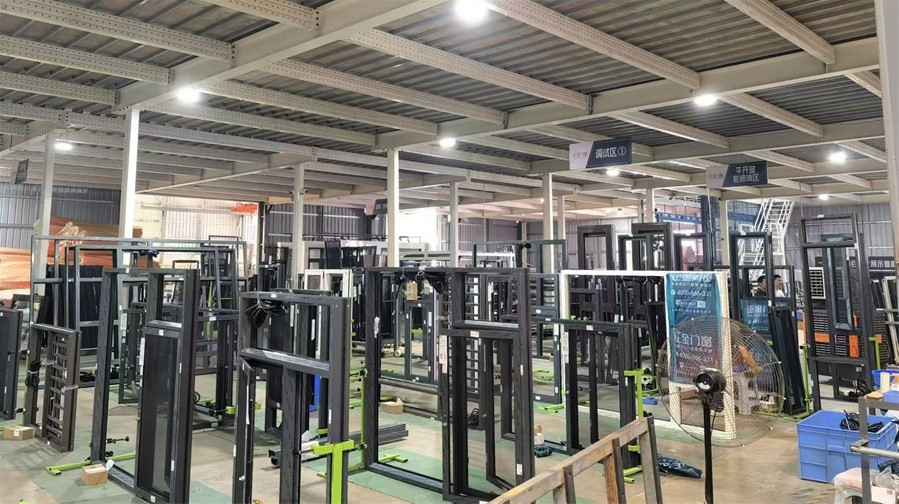
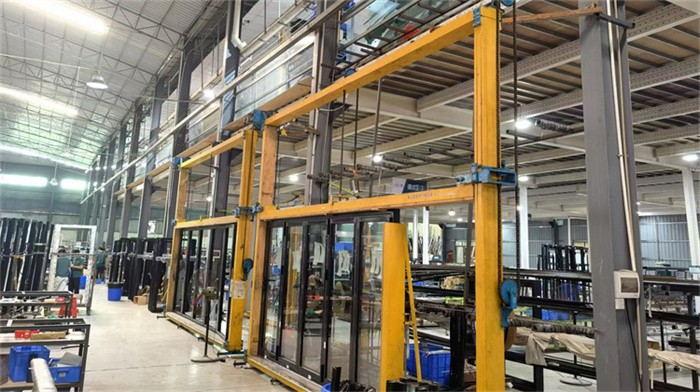
An evaluation of industry-leading manufacturers ranked by structural engineering precision, thermal certification compliance, custom OEM agility, and export fulfillment reliability.
| Manufacturer / Brand | Primary HQ Region | Core Engineering Strengths | Key Certifications | Target B2B Segments |
|---|---|---|---|---|
| 1. Veridor Door Technologies | China (19,000m² Base) | Slim-frame sliding doors, thermal break entry systems, custom relief panels & smart locks | IP65, NFRC, Florida NOA Ready, ISO9001 | Door Importers, Housing Contractors, B2B Wholesalers |
| 2. Schüco International | Germany | High-end structural aluminum facade systems, micro-calc insulation, ultra-low U-factors | CE, Passivhaus Institute, DIN EN 12207 | Luxury Commercial & Premium Custom Residential |
| 3. Reynaers Aluminium | Belgium | Minimalist sliding glass doors, curtain wall integration, sustainable low-carbon extrusion | Qualicoat, ISO 14001, BREEAM Compliant | Architectural Firms & High-End Project Developers |
| 4. YKK AP Inc. | Japan / USA | Commercial storefront systems, severe hurricane-resistant structural entries | AAMA, NFRC, Florida High Velocity Zone (HVHZ) | Commercial Real Estate & Multi-Family Housing |
| 5. Kawneer (Arconic) | USA | Heavy-duty thermal entrance doors, structural glazing framing, fire-rated doors | UL Listed, ASTM E283/E330/E331 | Institutional, Commercial & Urban Residential |
| 6. Technal (Hydro Group) | France | Recycled aluminum profiles (Circal 75R), modern acoustic barrier residential bi-folds | Cradle to Cradle, EN 14351-1 | European Residential Builders & Eco-Projects |
| 7. Western Window Systems | USA | Large-format multi-slide patio doors, pocketing sliding doors for indoor-outdoor living | NFRC, AAMA Certified Products Directory | Custom Luxury Homebuilders in North America |
| 8. Andersen Architectural (Alum.) | USA | Extruded aluminum clad wood and solid aluminum patio doors with thermal breaks | Energy Star, WDMA Hallmark Certified | North American Residential Remodeling & New Build |
| 9. Origin Frames | United Kingdom | Bespoke aluminum bi-folding doors, ultra-narrow sightlines, high-security multi-point locking | Secured by Design, PAS 24:2016 | UK & European Residential Replacement Market |
| 10. Centor | Australia | Integrated insect screen bi-fold doors, concealed multi-point hardware, structural patio entries | AS2047, AS1288, Red Dot Design Winner | Premium Oceania Residential & Coastal Villas |
Evaluating an operational B2B door manufacturer requires examining critical engineering parameters rather than superficial aesthetics. Architectural buyers must scrutinize dynamic wind load deflection limits (tested under ASTM E330 or EN 12210), cyclic water pressure performance (ASTM E331), thermal expansion coefficients, and joint corner mechanical fastening techniques (such as corner-cleat crimping combined with two-component structural epoxy injection).
Solving real-world architectural challenges: weatherization, thermal isolation, structural resilience, and integrated smart security systems.
Utilizing high-density Polyamide 66 reinforced with 25% glass fiber (PA66 GF25), modern thermal break extrusions isolate outer cold aluminum profiles from inner warm interior frames. This structural bridge reduces frame U-factors down to 1.4 W/m²K, eliminating internal condensation risks in cold climates while dramatically trimming HVAC cooling operational expenditure in desert regions.
For hurricane-prone regions like Florida or cyclone zones in Australia, modern entrance and patio sliding doors incorporate heavy-gauge wall extrusions (up to 3.0mm structural thickness) and laminated impact glass (PVB or SGP Interlayers). These assemblies withstand large missile impact tests (9-lb 2x4 timber shot at 50 ft/s) and design wind pressures exceeding +70/-70 PSF.
Aluminum frames are subject to atmospheric oxidation, UV degradation, and salt air corrosion. Advanced automated powder coating compliant with AAMA 2604 / AAMA 2605 and PVDF (Fluoropolymer) coatings ensure color fastness for over 20 years, resisting surface chalking, blistering, and marine-environment chemical erosion.
Anticipating next-generation engineering milestones: low-carbon recycling, vacuum insulated glass, smart IoT connectivity, and ultra-narrow architectural profiles.
While traditional double glazing relies on argon-filled 12mm–16mm air gaps, emerging VIG technology utilizes a 0.2mm high-vacuum gap between glass panes held by microscopic pillars. This delivers U-factors down to 0.60 W/m²K within a ultra-thin glass profile, allowing door manufacturers to radically slim down sash thickness without compromising thermal performance.
Modern residential entry points are evolving into smart security hubs. Modern factory processes now pre-install hidden 3D facial recognition sensors, biometric capacitive fingerprint scanners, motor-driven multi-point locks, and integrated door status sensors directly into the structural aluminum frame stiles, eliminating clumsy aftermarket retrofits.
Leading aluminum profile extruders are accelerating the use of post-consumer recycled aluminum, targeting carbon intensity figures below 4.0 kg CO2 per kg of aluminum produced (compared to the global primary aluminum average of 16.5 kg CO2/kg). Combined with eco-friendly chrome-free passivation pre-treatments, sustainable door manufacturing is now a core requirement in international tender bids.
Rigorous international engineering standards required for cross-border B2B trading and architectural project approvals.
To successfully market and install aluminum residential entry systems globally, suppliers must validate structural, thermal, and air-water tightness metrics through recognized testing laboratories. Below is a summary of mandatory international performance benchmarks:
| Certification Standard | Jurisdiction | Core Test Criteria | B2B Purchasing Importance |
|---|---|---|---|
| Florida NOA (Notice of Acceptance) | North America (HVHZ) | Cyclic wind pressure up to 100 PSF, large missile impact, structural air/water leakage | Mandatory for coastal Florida and Caribbean hurricane zones. |
| NFRC (National Fenestration Rating Council) | North America | Overall thermal U-factor, Solar Heat Gain Coefficient (SHGC), Visible Transmittance (VT) | Required for US building energy code compliance and Energy Star labeling. |
| AS2047 / AS1288 | Australia / Oceania | Deflection test (AS4420.2), Air infiltration (AS4420.4), Water penetration resistance (AS4420.5) | Legal prerequisite for importing and installing glass windows and doors in Australia. |
| CE Marking (EN 14351-1) | European Union | Acoustic performance, reaction to fire, dangerous substances, wind load resistance | Compulsory safety and environmental compliance for all EU construction products. |
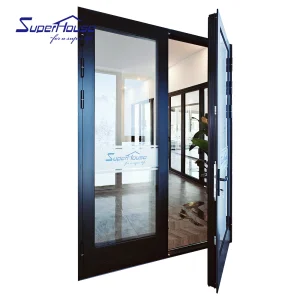
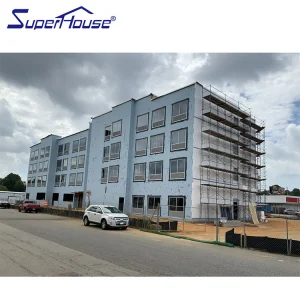
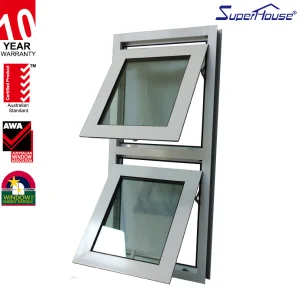
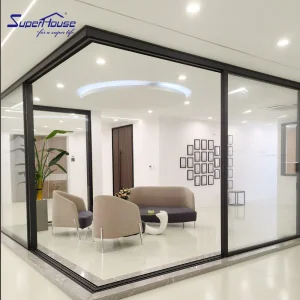
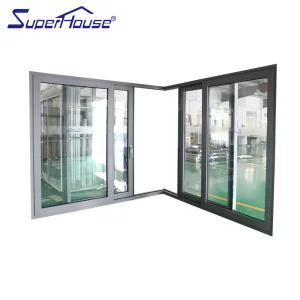
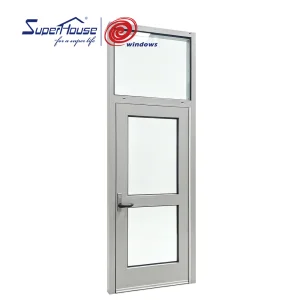
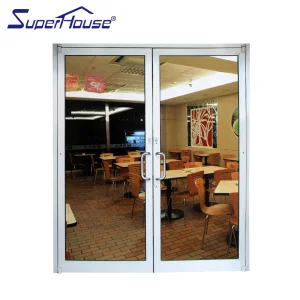
Explore our full line of export-ready modern doors and high-insulation fenestration assemblies for global development projects.
Answers to common structural engineering, custom order minimums, shipping container packing, and certification queries.
 Veridor