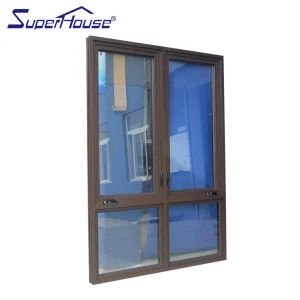
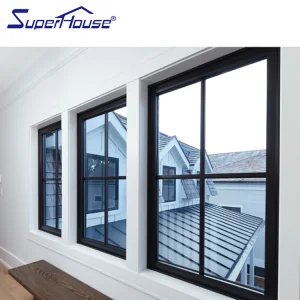
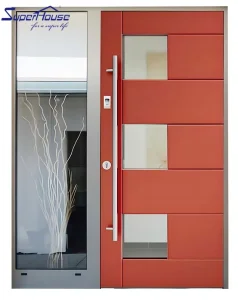
In contemporary architectural design and structural engineering, the exterior entrance system serves as the primary barrier against forced entry, environmental degradation, microclimatic thermal flux, and extreme weather events. As global building codes transition toward net-zero energy demands and heightened structural resilience standards, global door importers, engineering procurement contractors (EPCs), and luxury housing project developers are moving away from traditional timber and unreinforced steel substrates. The global market now overwhelmingly favors precision-engineered high-security aluminum entrance systems.
Aluminum entrance doors constructed with high-tensile 6063-T6 or 6005-T6 structural alloys offer an unprecedented strength-to-weight ratio. Unlike steel, structural aluminum does not oxidation-degrade when exposed to saline coastal atmospheres or high humidity. Unlike solid wood, it undergoes zero warping, swelling, or volumetric hysteresis due to humidity cycles. By integrating multi-chamber extruded profiles, glass-fiber reinforced polyamide (PA66 GF25) thermal break barriers, multi-point motorized hook locks, and impact-laminated security glass arrays, modern high-security entrance doors achieve compliance with stringent international building codes including Florida’s Miami-Dade NOA, Australia's AS2047, and North America’s NFRC thermal performance mandates.
From a commercial risk-mitigation perspective, high-security OEM entrance doors must deliver verified "Information Gain"—empirical, laboratory-tested metrics proving resistance against forced entry (EN 1627 RC2 to RC4 standards, UL 752 ballistic levels), structural wind loads exceeding +/- 90 psf, and thermal transmittance values (U-factors) below 0.22 Btu/h·ft²·°F. Meeting these parameters requires deeply integrated, high-precision OEM supply chains capable of granular custom-engineering without scaling unit costs exponentially.
Established in 2013, Veridor Door Technologies Co., Ltd. operates a streamlined 19,000 m² advanced manufacturing and production hub dedicated to contemporary residential and high-security commercial entrance doors. With 11 years of deep industry manufacturing experience and 5 years of active, multi-regional foreign trade deployment, the enterprise generates over $11 million in annual export revenue across highly regulated international markets.
Direct supply networks targeting fast-growing, high-compliance construction sectors across Oceania (Australia/New Zealand), Southeast Asia, and North America (USA, Canada, Caribbean), supporting tier-1 door importers, residential developers, and commercial contractors.
Veridor collaborates with over 480 vetted hardware, alloy extrusion, glass matrix, and seal material suppliers globally, guaranteeing high-grade raw materials and rapid supply chain continuity for custom OEM contracts.
A specialized team of 22 quality inspectors executes strict IP65 weather-seal checks, surface coating adhesion testing, and manual assembly inspections. Guided by modern architectural trends, 28 full-time R&D engineers developed 65 new entry door models last year alone.
Customization capabilities offered by Veridor extend beyond mere dimensional adjustments. OEM engineering services cover fully customized panel relief patterns, smart digital biometrics and smart-home IoT lock pre-installations, bespoke structural frame widths, and specialized anti-scratch, UV-resistant marine-grade surface treatments designed for high-salinity coastal environments.
Achieving strict structural tolerances (within ±0.5mm across frame diagonals) requires systematic, automated manufacturing workflows. Below is the verified step-by-step production flow executed across Veridor's 19,000 m² facility:
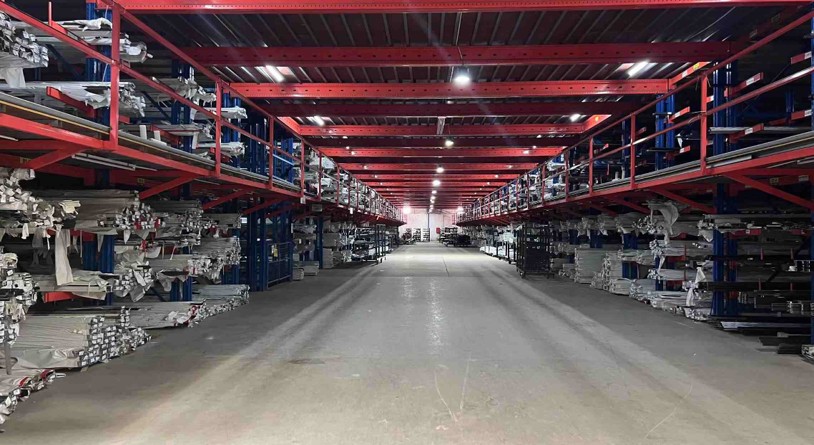 1. Raw Materials Inspection
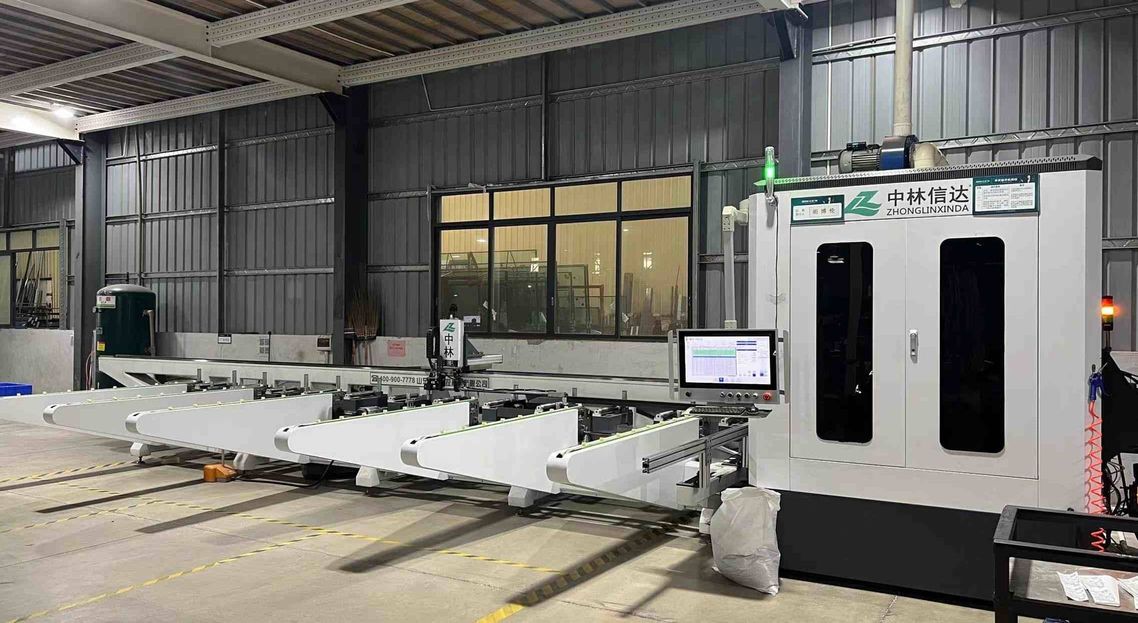 2. Precision Profile Cutting
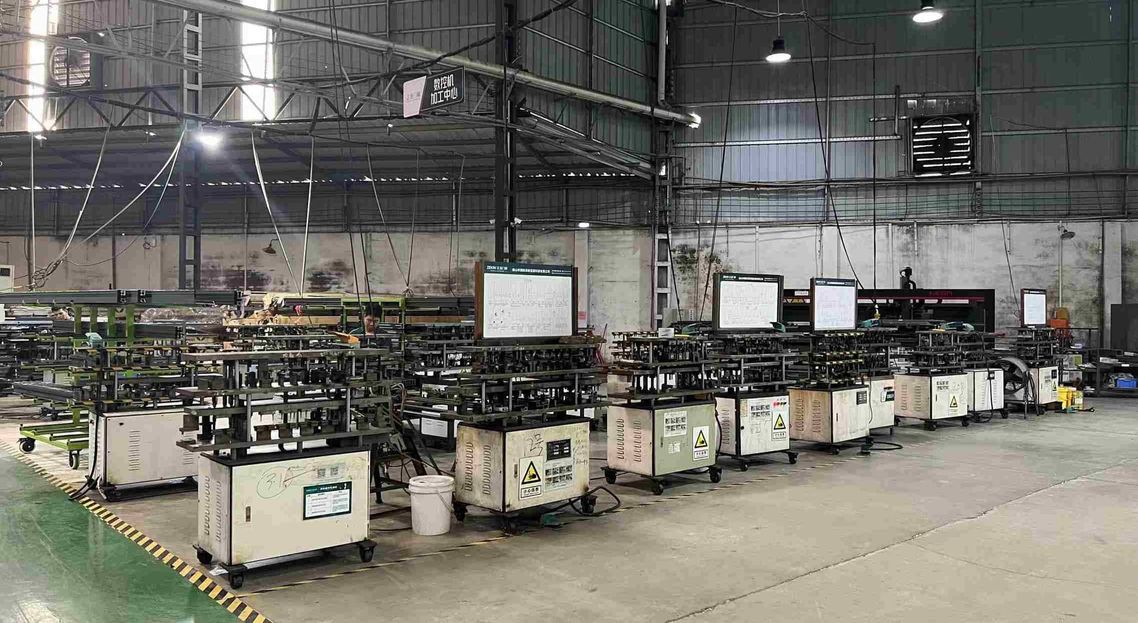 3. CNC Hardware Punching
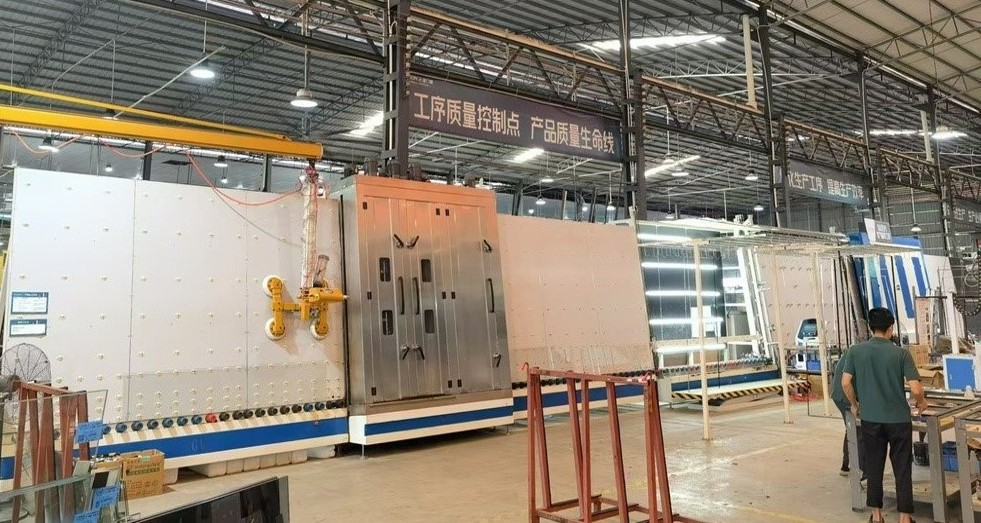 4. Hollow Profile Processing
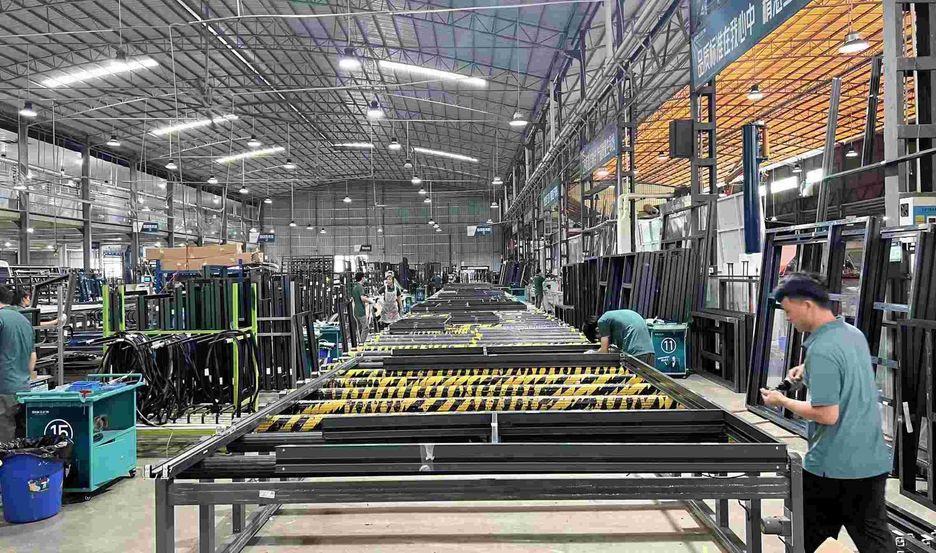 5. Structural Frame Gluing
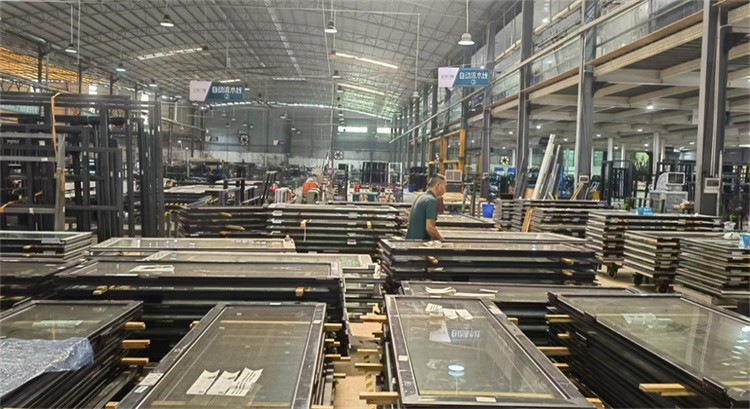 6. Manual & Automated Assembly
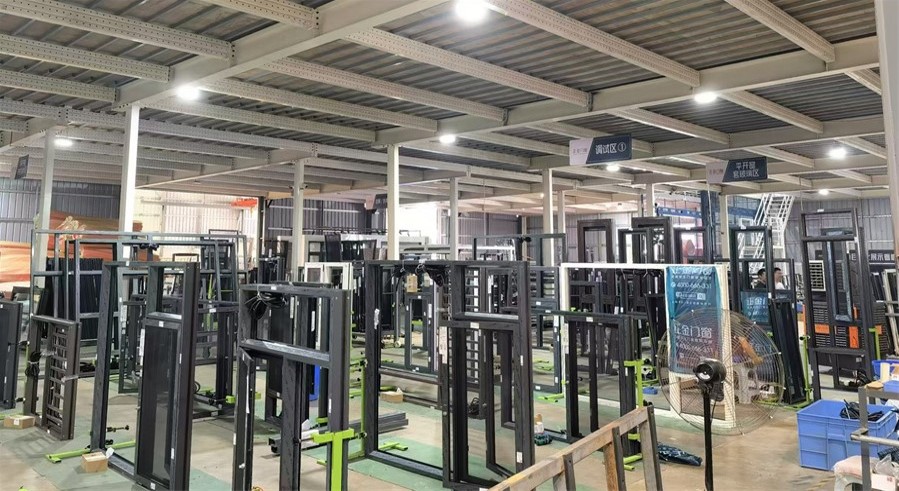 7. Calibrated Debugging Test
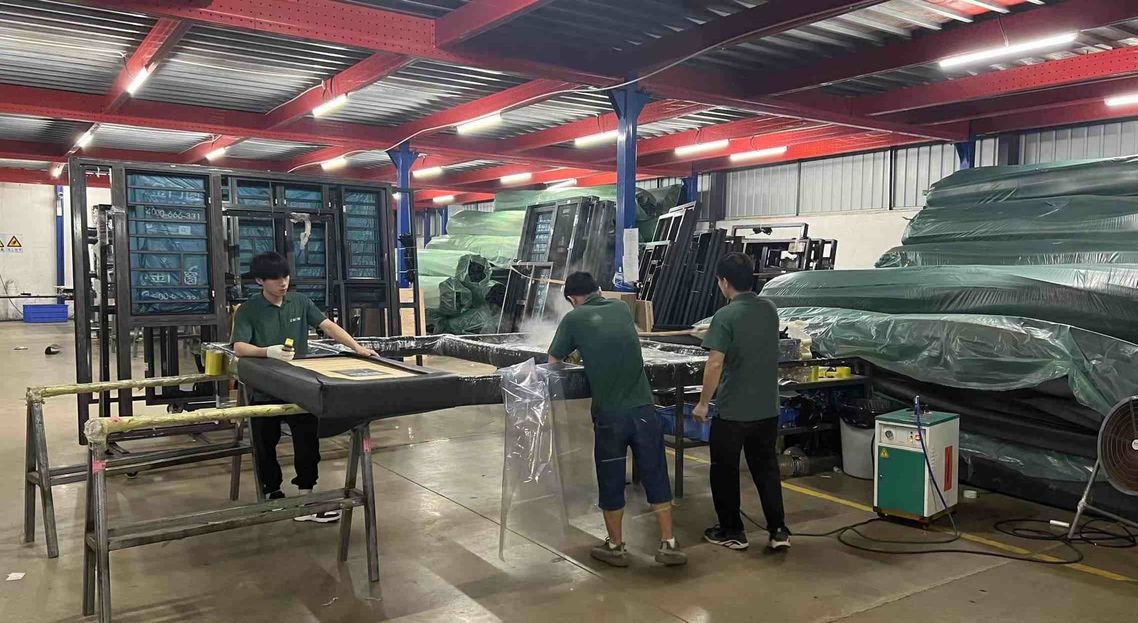 8. Protective Export Packing
The physical machinery matrix deployed at Veridor utilizes high-precision European and Asian automated processing equipment to execute structural joining, glass lamination sealing, and profile milling:
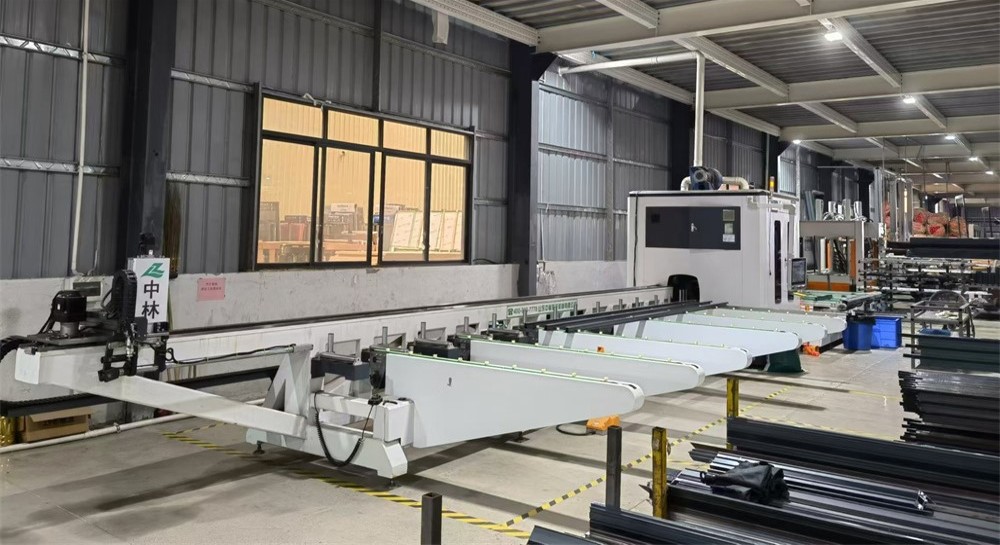 Laser Cutting Machine
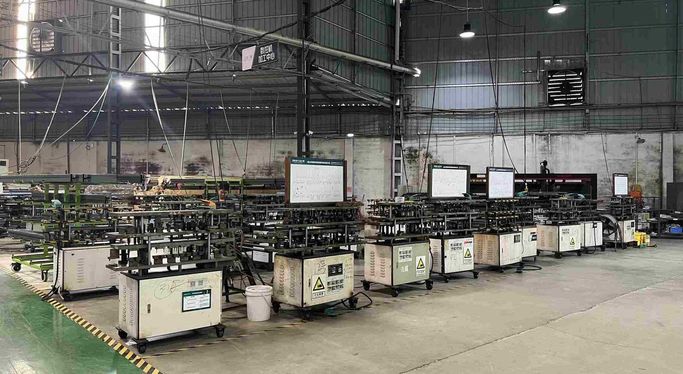 Punching Machine
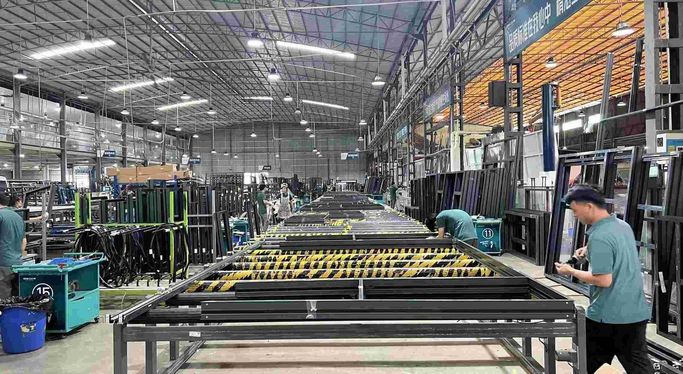 Assembly Line
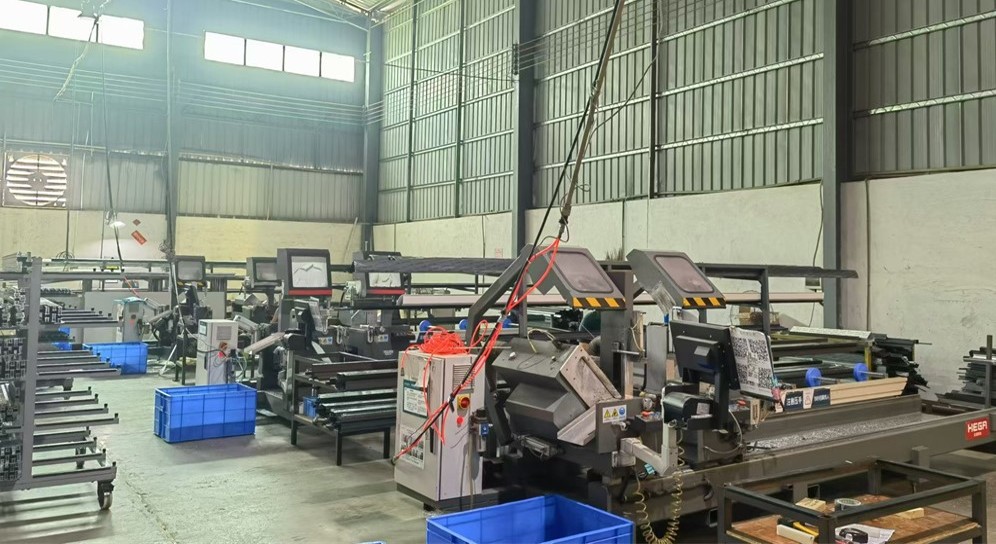 Double Head Sawing Machine
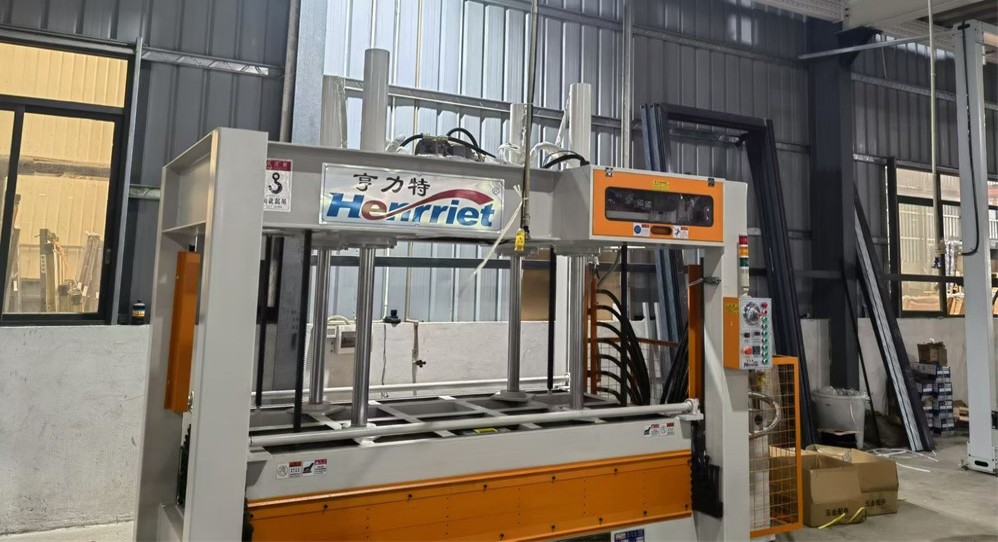 Pressing Machine
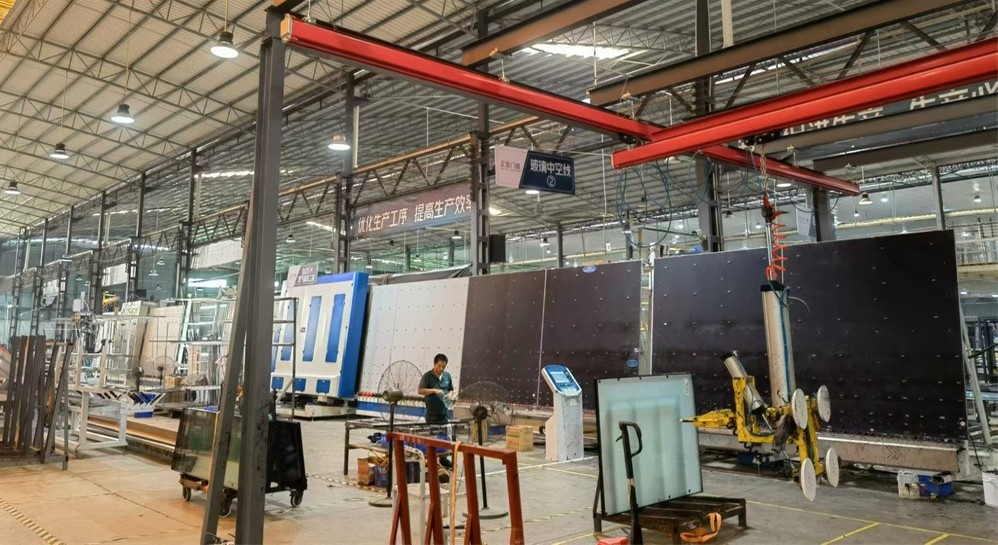 Hollow Line
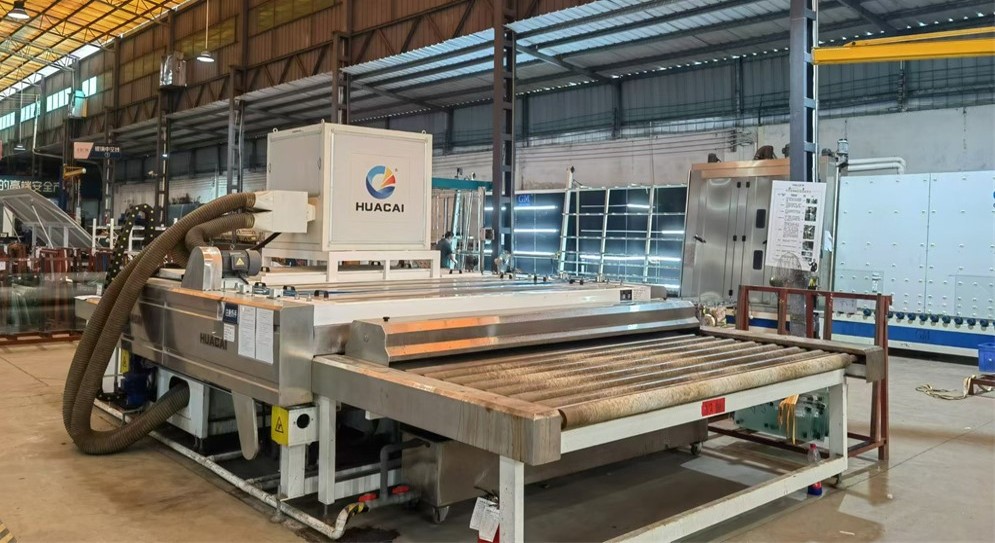 Glass Cleaning Machine
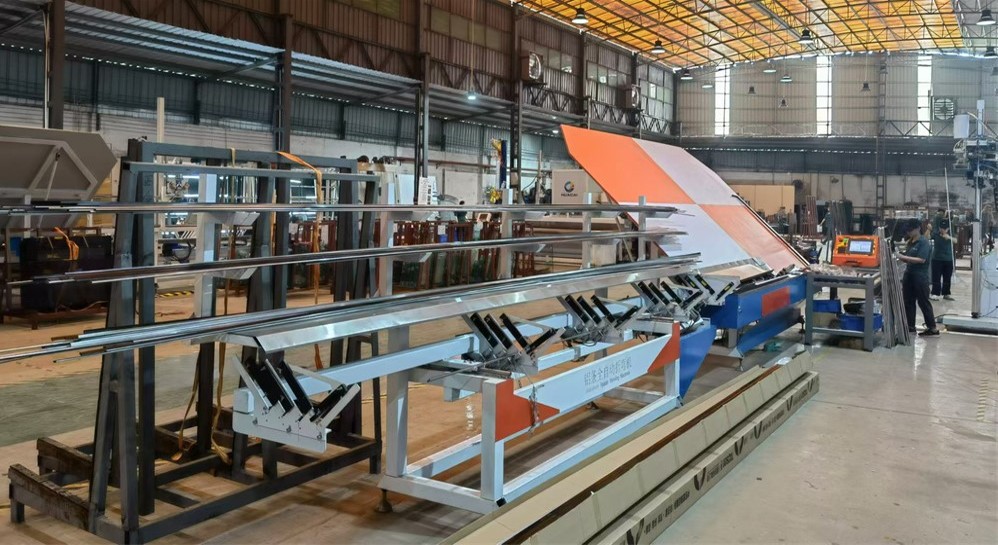 Bending Machine
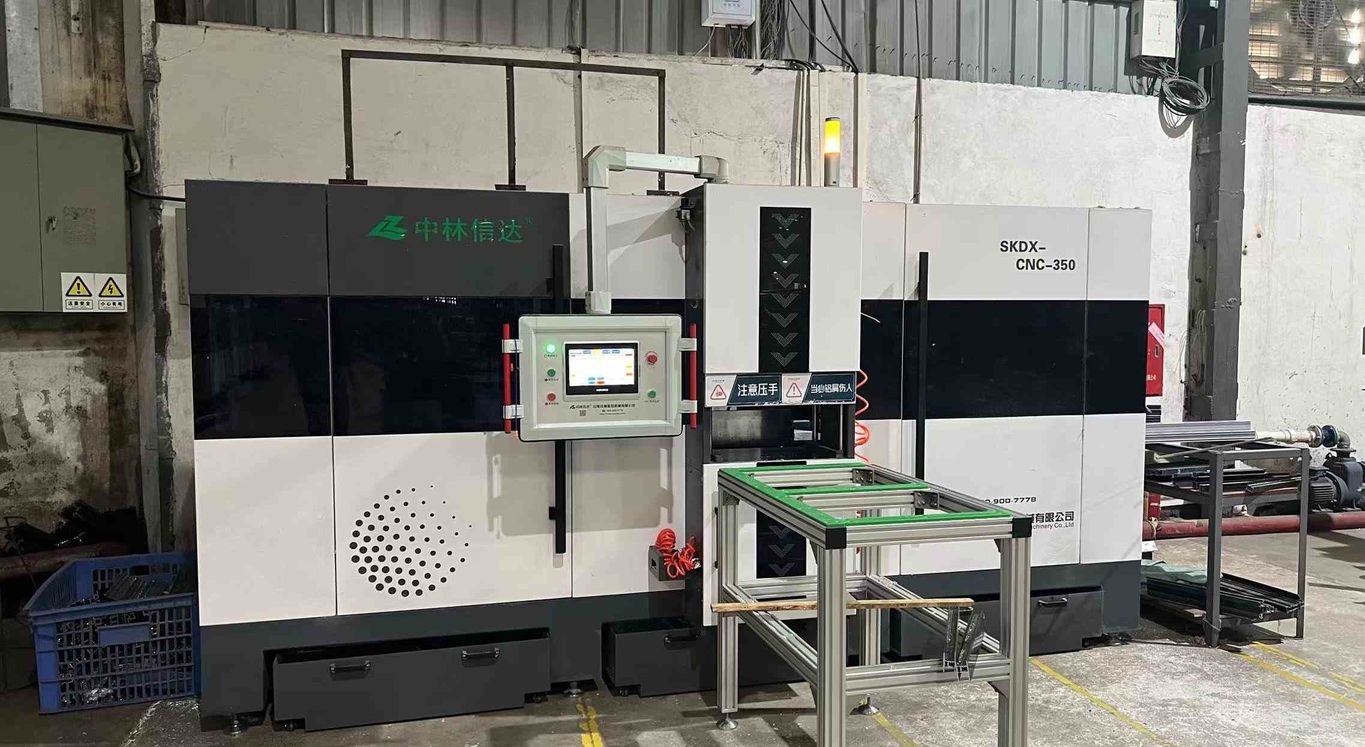 Automatic End Milling
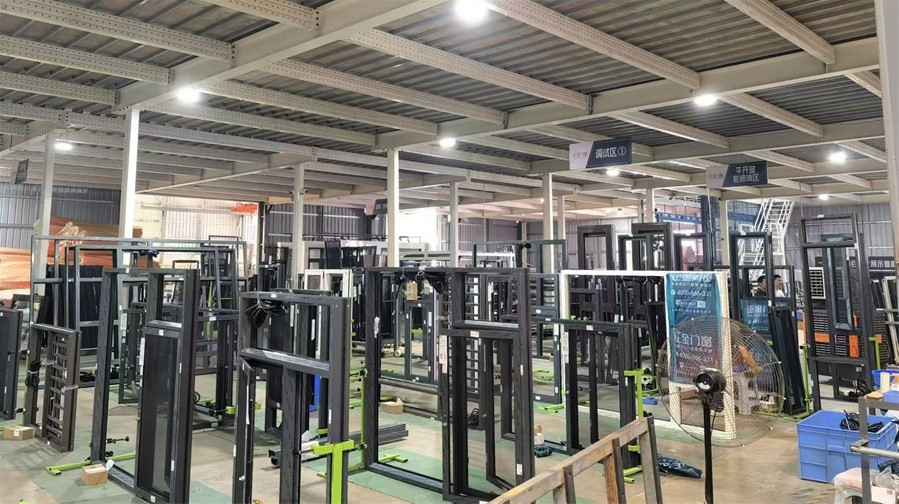 Quality Debugging Bench
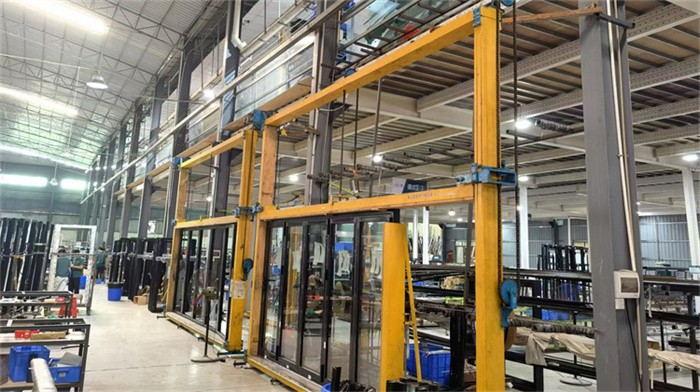 Frame Calibration Rig
The evolution of high-security entrance doors is driven by three intersecting technical vectors: advanced material thermodynamics, structural glass/alloy composites, and smart access control integration.
Standard continuous aluminum profiles act as thermal bridges, conducting external sub-zero or scorching temperatures directly into the interior. Modern high-security entrance doors utilize multi-chamber thermal break profiles joined by PA66 GF25 (25% Glass Fiber Reinforced Polyamide) strips. This structural break reduces profile U-factors down to 0.18–0.24 W/m²K, eliminating condensation risks and lowering HVAC building loads in compliance with NFRC and Energy Star 7.0 protocols.
High-security entrance systems engineered for hurricane zones (e.g., Florida HVHZ) or anti-intrusion applications incorporate multi-layered laminated safety glass matrices using SentryGlas® (SGP) or PVB interlayers sandwiched between tempered Low-E glass panels. Under missile impact testing (ASTM E1886/E1996), even if the outer glass skin fractures, the structural interlayers maintain envelope integrity against dynamic pressure cycles up to 90 psf.
Mechanical single-deadbolt locks represent structural single points of failure. Advanced OEM entrance doors integrate fully hidden motorized multi-point locking mechanisms (3 to 7 locking points engaging top, bottom, and lateral frame strike plates). These systems seamlessly interface with optical 3D facial recognition, encrypted RFID, mobile app Bluetooth/Zigbee protocols, and high-frequency biometric fingerprint sensors concealed within solid aluminum pull handles.
Specific geographical and architectural deployment scenarios demand customized structural and material considerations:
Primary Concern: Saline corrosion, wind-driven water intrusion, dynamic wind forces.
Technical Solution: Marine-grade PVDF (Fluorocarbon 3-coat) surface coatings rated for >3,000 hours of continuous salt spray testing; Miami-Dade NOA certified hurricane impact glass; dual EPDM continuous weatherstripping.
Primary Concern: Frost bridging, thermal expansion/contraction, energy loss.
Technical Solution: Triple-glazed low-E argon-filled units combined with 34mm wide multi-chamber PA66 GF25 thermal breaks; threshold thermal boots preventing freeze-lock of bottom weather seals.
Primary Concern: Acoustic attenuation, forced entry deterrence, visual aesthetics.
Technical Solution: Acoustic laminated glass offering sound transmission class (STC) ratings up to 45 dB; hidden heavy-duty 3D adjustable pivot hinges supporting door sashes up to 400 kg; custom relief panels.
Primary Concern: Ultra-high cycle durability, ADA compliance, automatic access.
Technical Solution: Heavy-wall 3.0mm structural aluminum extrusions; low-profile zero-barrier thermal thresholds; integrated motorized access control compatible with card key systems.
Navigating global construction timelines requires suppliers with exceptional manufacturing scalability and raw material supply chain security. Veridor’s manufacturing infrastructure leverages China’s concentrated industrial clusters for hardware, raw aluminum ingots, and specialized structural glass processing.
Unlike Western suppliers bound by long die-creation leads, Veridor’s tooling R&D team can produce custom aluminum profile extrusions and die molds in 14–21 days, allowing architectural buyers to realize bespoke profiles rapidly.
Direct partnerships with top global hardware brands (German Hoppe, Siegenia, Sobinco, Roto) alongside top-tier domestic suppliers allow Veridor to supply commercial-grade hardware systems at competitive price points.
Every custom entrance door undergoes complete mock-up frame assembly on calibration rigs before shipping. Waterproofing checks, lock latching tolerances, and alignment debugging eliminate on-site installation delays for importers.
Compliance with regional testing standards is vital for clearing customs and meeting local building codes. Veridor products are engineered and tested against major global benchmarks:
| Certification Standard | Target Region | Core Technical Requirements & Metrics Tested | Veridor Product Compliance Status |
|---|---|---|---|
| AS2047 / AS1288 | Australia / New Zealand | Structural deflection (ultimate limit state), air infiltration, water penetration resistance (Pa), acoustic STC. | Fully Certified (Passes AS2047 Window & Door Standards) |
| NFRC / AAMA | North America (USA, Canada) | Thermal transmittance (U-factor), Solar Heat Gain Coefficient (SHGC), Visible Transmittance (VT), Air Leakage. | NFRC Tested & Labeled Options Available |
| Miami-Dade NOA / FPA | Florida (HVHZ), Caribbean | High Velocity Hurricane Zone (HVHZ), Large Missile Impact Test (ASTM E1996), Cyclic Wind Pressure (+/- 90 psf). | FPA & Miami-Dade Compatible Impact Configurations |
| EN 1627 (RC2 / RC3 / RC4) | Europe & International Commercial | Forced entry manual burglary resistance using specialized leverage tools, static load pressure up to 6kN. | OEM Custom Hardware Packages Available |
We primarily deploy 6063-T6 and high-strength 6005-T6 architectural grade aluminum extrusions. For coastal and high-salinity applications, profiles undergo a multi-stage pretreatment process followed by Electrostatic Fluorocarbon (PVDF) 3-coat spraying or anodizing coatings up to 25 microns thick. This process conforms to AAMA 2605 requirements, resisting over 3,000 hours of continuous salt-spray testing without blistering or peeling.
Yes. Our R&D team regularly performs OEM customizations to pre-route internal wiring channels, cut precision CNC lock pockets, and pre-install hidden electric strike plates, magnetic sensors, or motorized multi-point locks compatible with control systems like Control4, Crestron, or standalone smart biometrics.
Our structural entrance doors feature 24mm to 34mm wide PA66 GF25 polyamide thermal barriers that mechanically isolate exterior aluminum extrusions from interior ones. Combined with triple-pane argon-filled Low-E glass units, overall system U-factors drop to as low as 0.18 Btu/h·ft²·°F. Unlike timber, aluminum exhibits zero dimensional movement under severe freeze-thaw cycles, maintaining tight weather seals year-round.
Standard production runs for customized aluminum entrance doors take between 25 to 35 business days following shop drawing approval and color sample sign-off. For urgent commercial project schedules, expedited tooling and production tracks can be deployed.
Every unit undergoes a multi-layer protective packaging process: 1) Surface protective film, 2) Corner guard edge protection, 3) Shock-absorbing EPE foam wrapping, 4) Fully enclosed ISPM-15 compliant heat-treated fumigation-free plywood crates with internal securing straps to prevent shifting during transit.
 Veridor