Explore our top-rated, certified thermal break aluminum doors and hurricane-resistant windows engineered for global commercial and luxury residential markets.
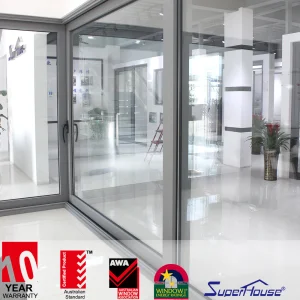
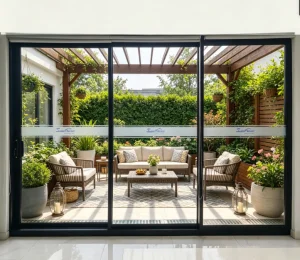
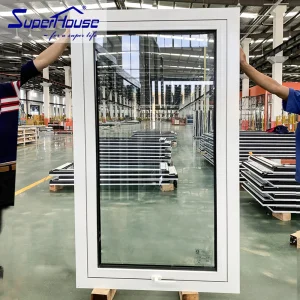
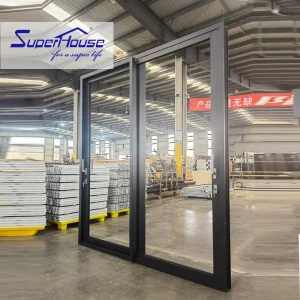
Deep dive into international fenestration standards, energy efficiency compliance, and forced-entry deterrence.
In modern architectural engineering and international real estate development, the front entry door serves as both the aesthetic anchor of a structure and its primary line of physical defense. Modern B2B buyers—ranging from property developers and general contractors to wholesale importers and architectural specifiers—no longer view entrance systems merely as decorative access points. Instead, they demand highly technical, multi-functional fenestration solutions that combine maximum structural integrity, advanced thermal insulation, smart security integration, and extreme weather resilience.
The global shift toward high-performance envelope design is driven by tightening energy codes (such as IECC in North America and EPBD in Europe) and heightened physical security requirements in modern urban environments. Aluminum has emerged as the premier structural material for high-end secure front doors due to its exceptional strength-to-weight ratio, structural rigidity, corrosion resistance, and 100% recyclability. Compared to traditional wood doors, which are prone to warping, rotting, and moisture absorption, or standard steel doors, which suffer from thermal bridging and aesthetic limitations, engineered secure aluminum front doors provide unmatched longevity and mechanical performance.
Modern commercial and luxury residential doors must meet rigid forced-entry resistance standards (e.g., EN 1627 RC2/RC3/RC4 ratings or ASTM F476). This requires thick-walled T6 aluminum extrusions, multi-point lock mechanisms, heavy-duty anti-lift hinges, and anti-drill manganese plates.
Uninsulated aluminum frames readily transfer heat. High-end secure aluminum entrance doors incorporate Polyamide (PA66-GF25) thermal breaks that structurally isolate the exterior aluminum skin from the interior profile, dropping U-factors down to 0.8 - 1.4 W/m²K to eliminate condensation and cut energy costs.
For coastal and hurricane-prone areas (such as Florida, the Caribbean, and Australia's cyclone zones), secure front doors must withstand severe wind loads and flying debris impact. Certifications such as Florida NOA, AAMA 101, and AS2047 mandate double/triple laminated impact glass and robust structural seals.
11 Years of Manufacturing Mastery, 19,000 m² Advanced Production Infrastructure & Global Export Excellence
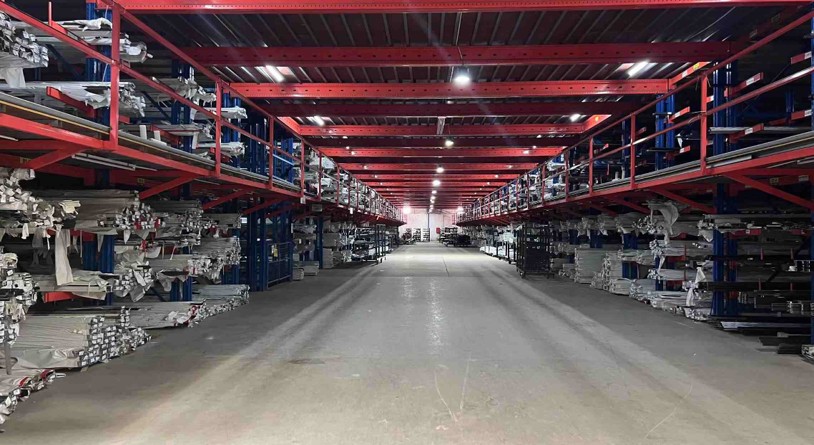
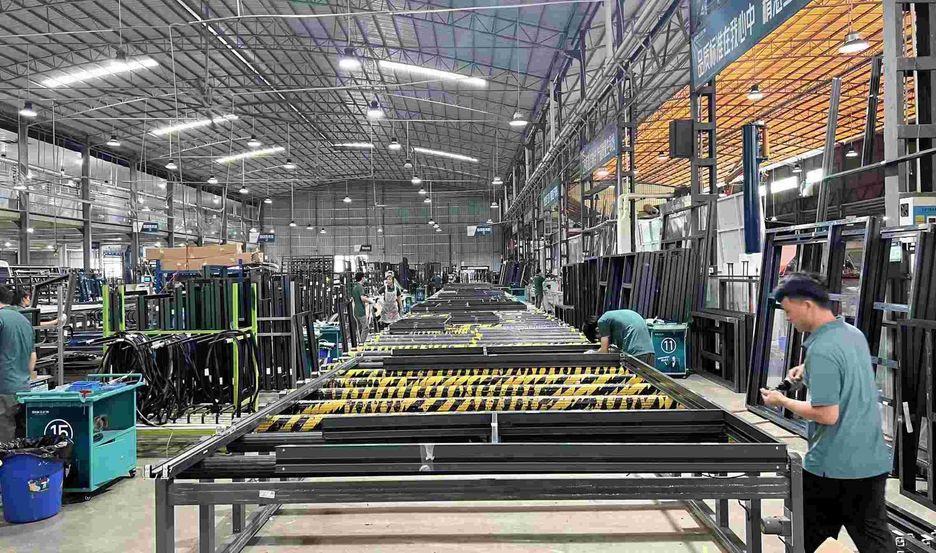
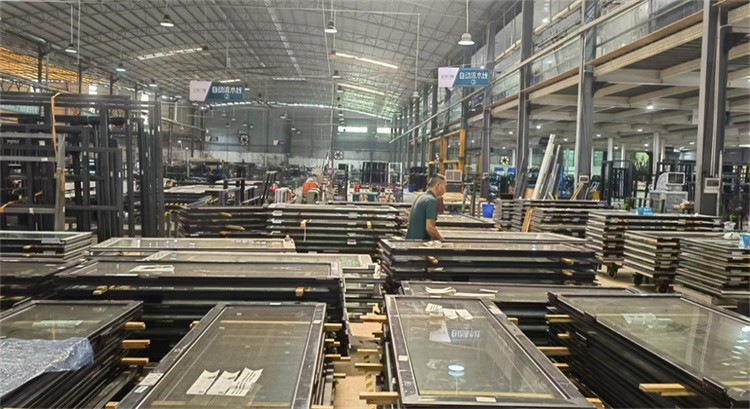
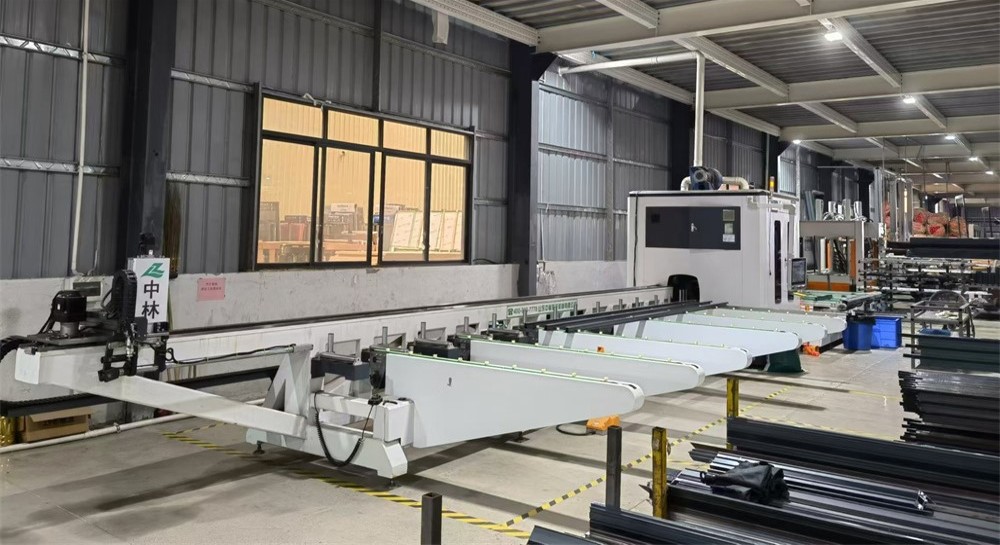
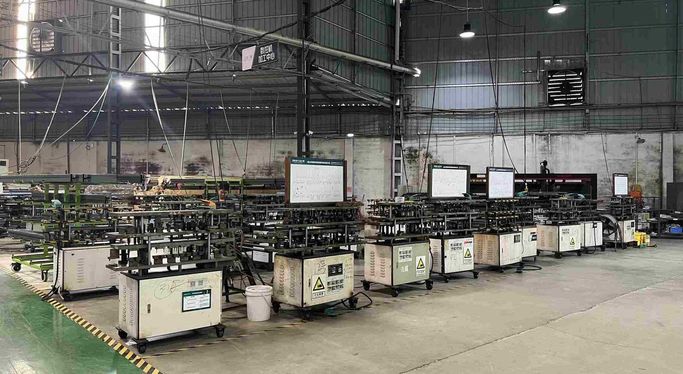
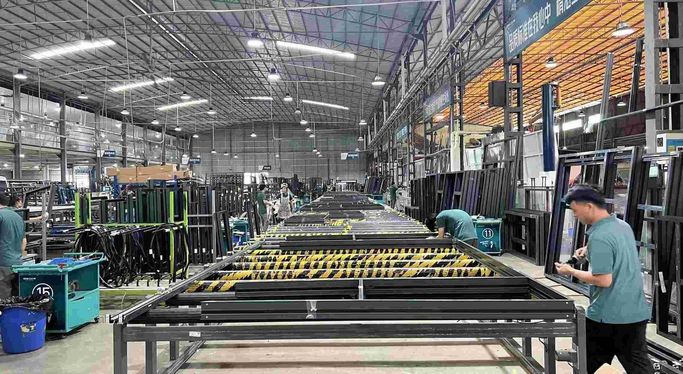
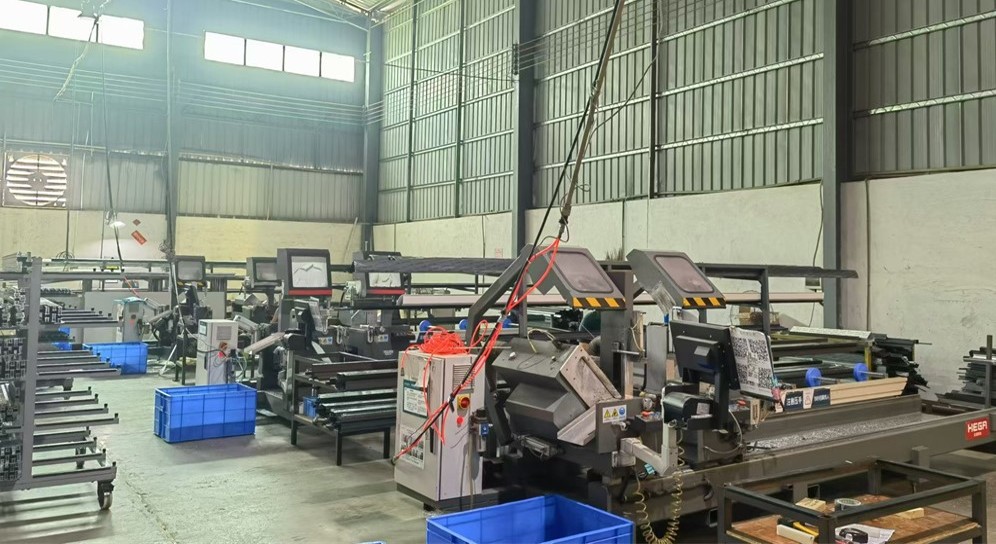
Established in 2013, Veridor Door Technologies Co., Ltd. operates a streamlined 19,000 m² production hub dedicated to contemporary residential entry doors. With 11 years of industry experience and 5 years of active foreign trade experience, the firm generates $11 million in annual export revenue. Veridor targets fast-growing markets in Oceania, Southeast Asia, and North America, directly supplying door importers, housing project contractors, and online distributors.
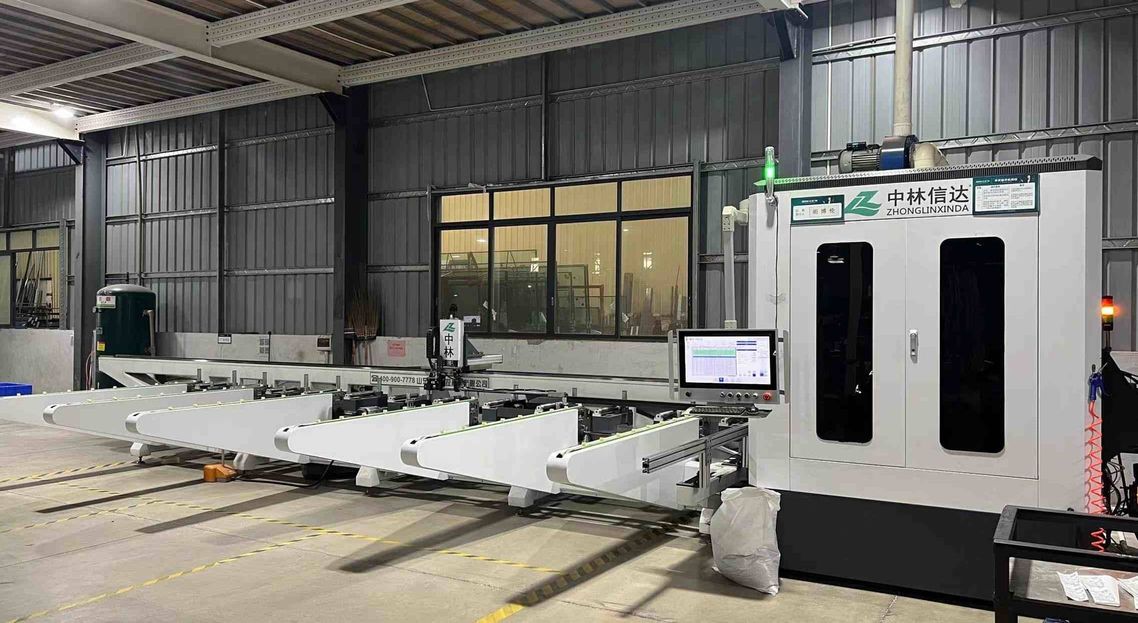
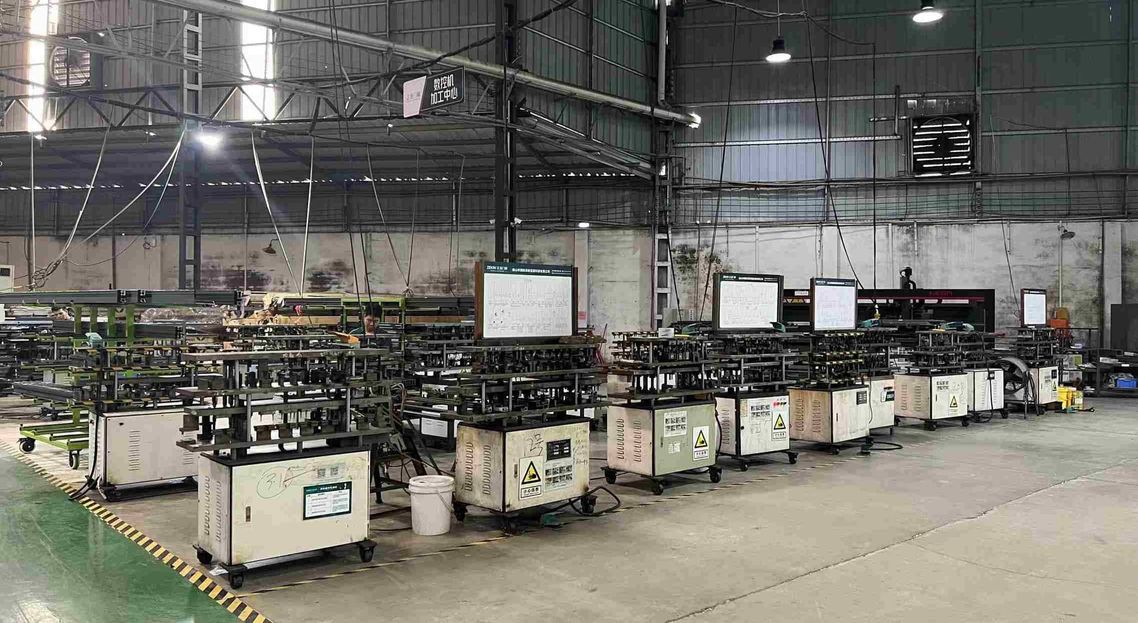
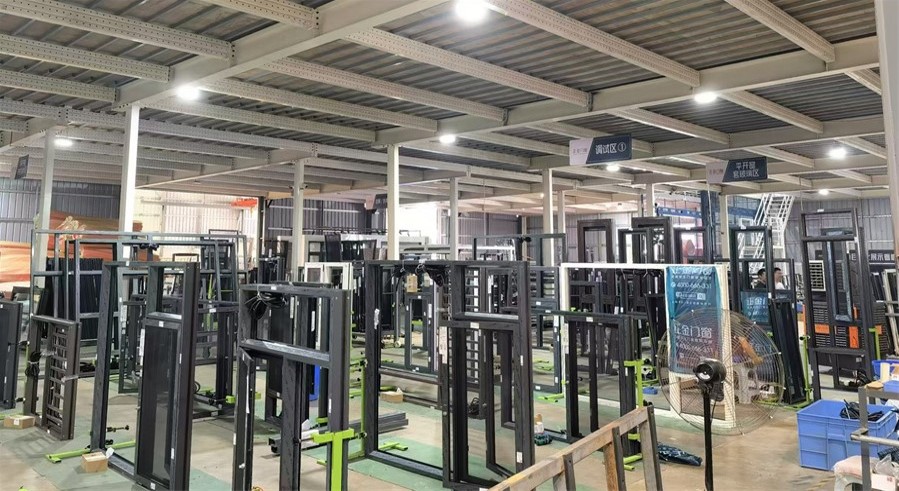
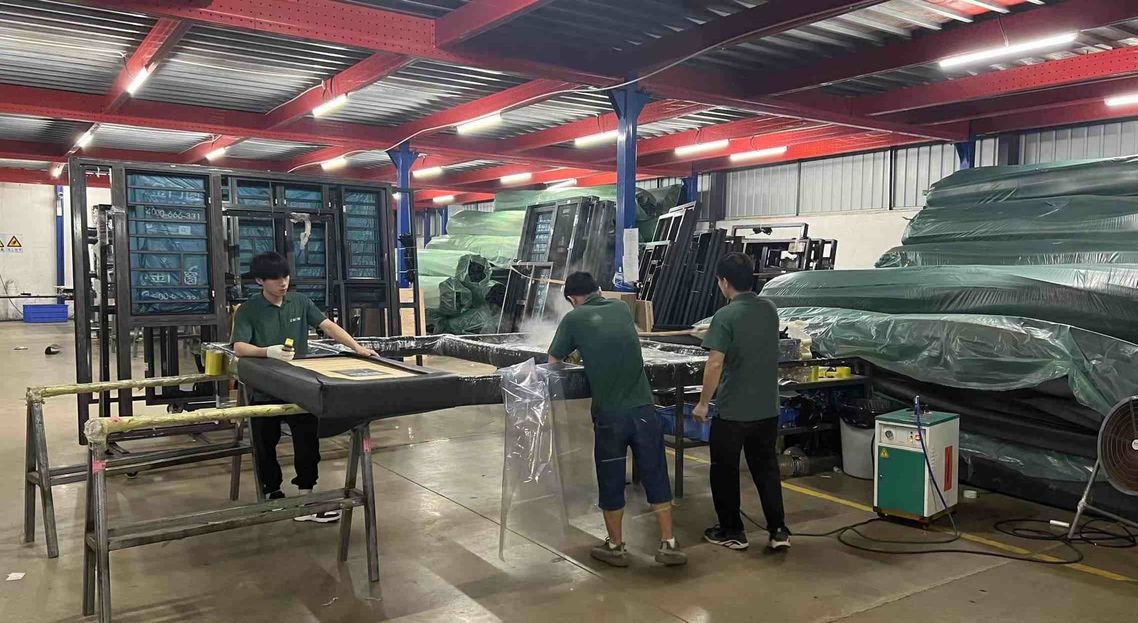
Veridor collaborates with over 480 vetted hardware and material suppliers to ensure product precision. A team of 22 quality inspectors executes IP65 weather-seal checks, surface coating adhesion testing, and manual assembly inspections. Guided by modern design trends, 28 R&D engineers developed 65 new entry door models last year. Customization capabilities include custom panel relief patterns, smart digital lock pre-installations, custom frame widths, and anti-scratch marine-grade surface treatments.
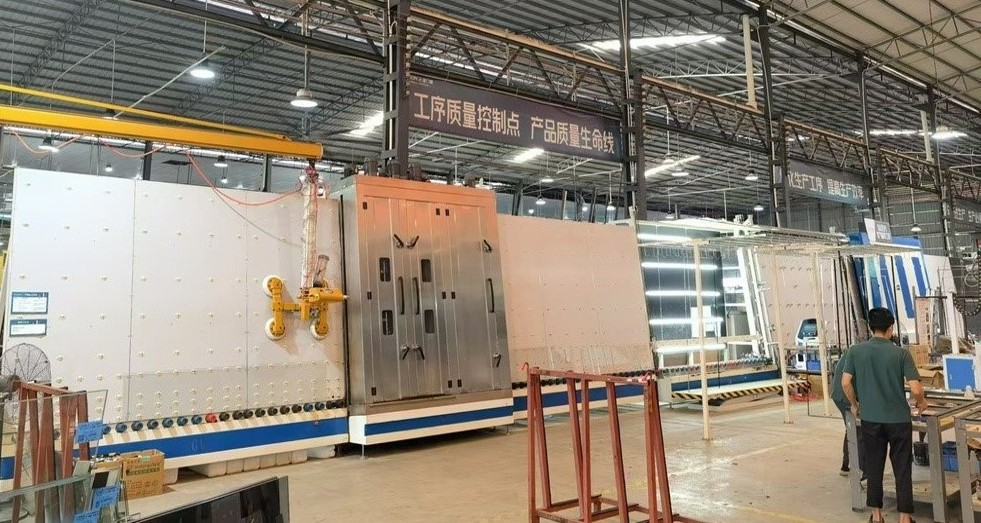
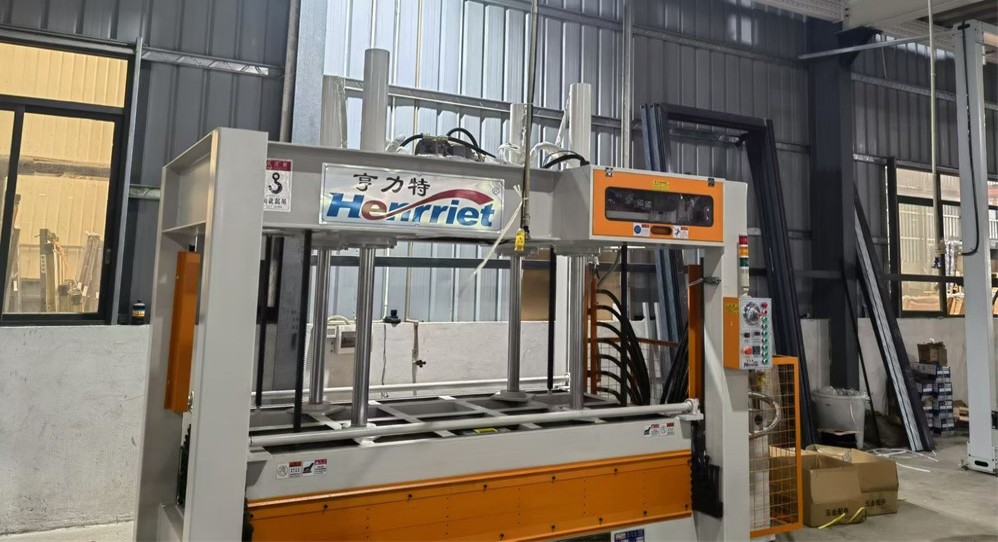
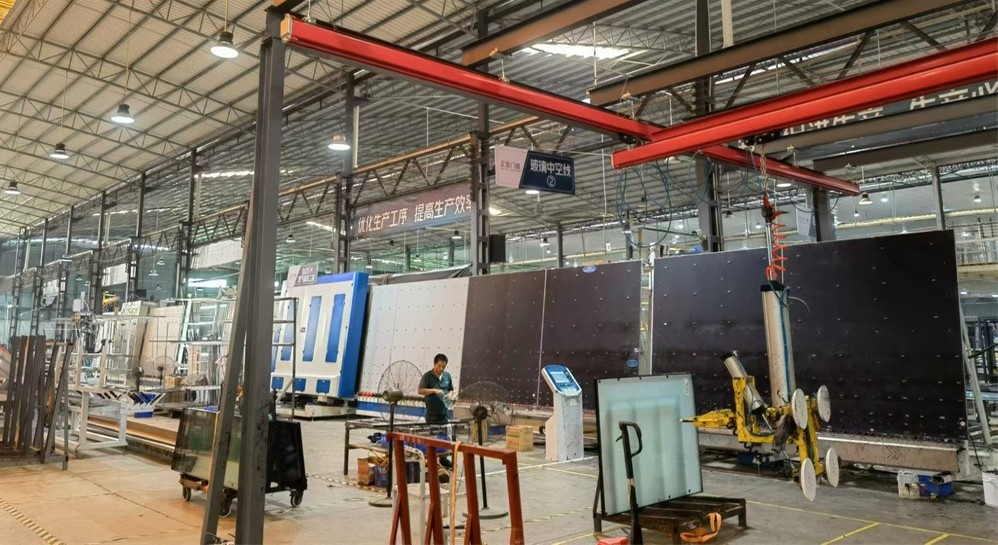
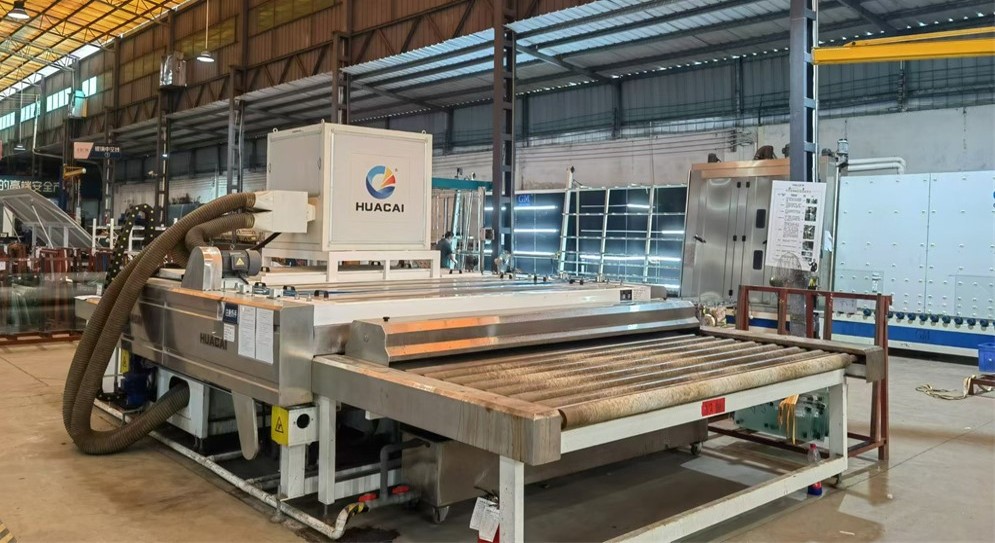
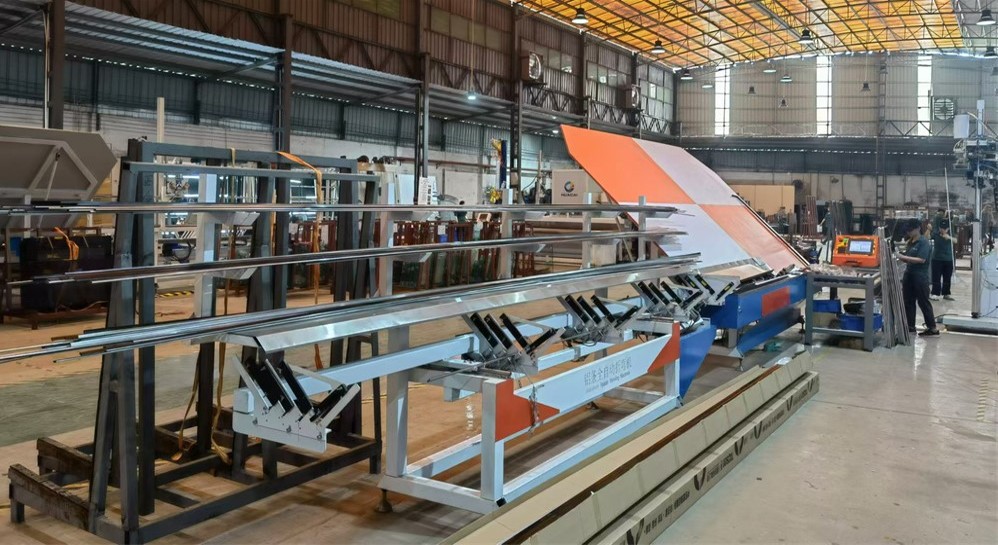
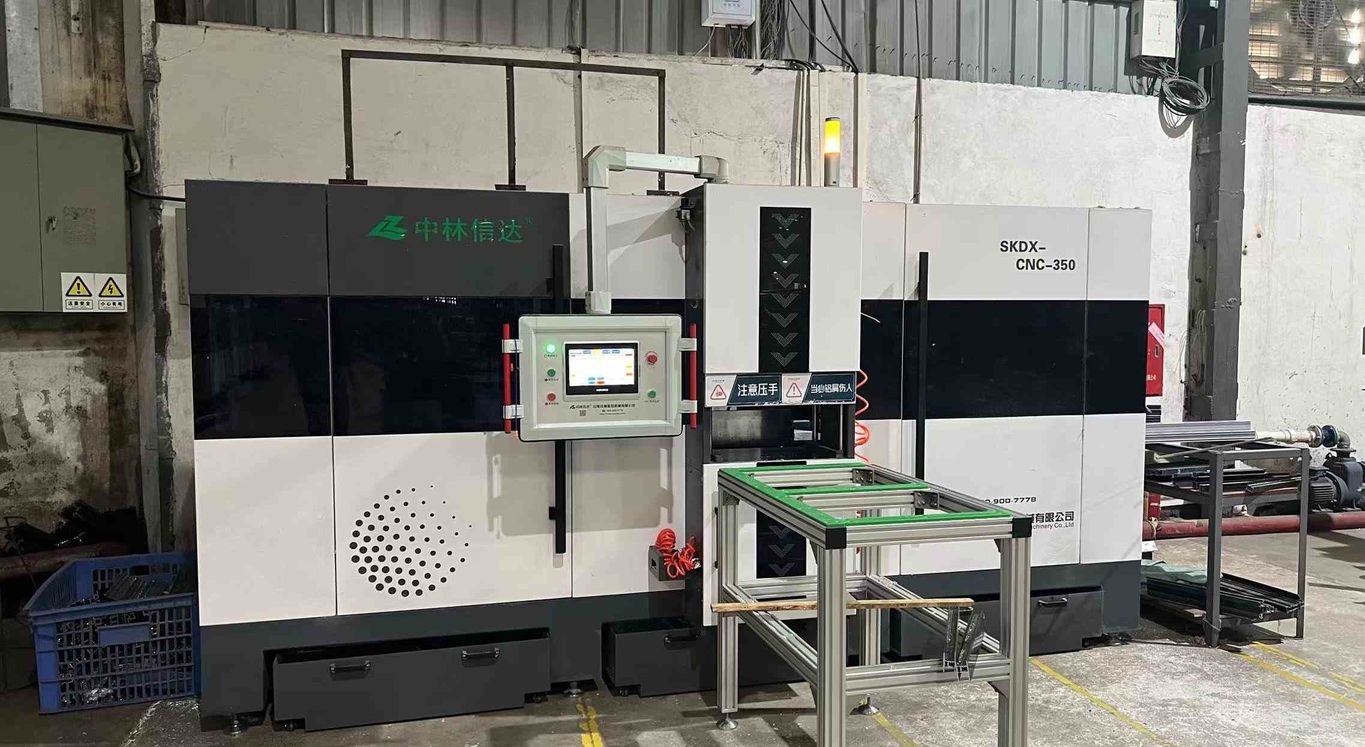
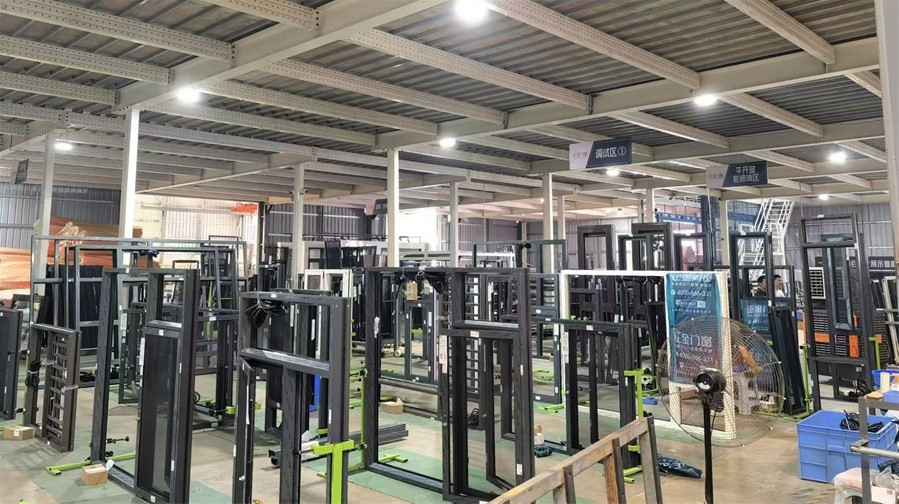
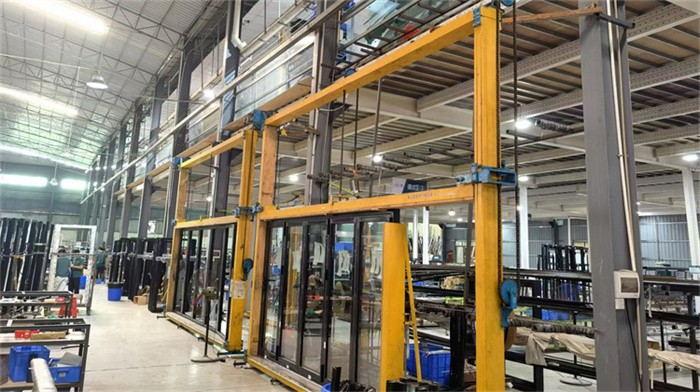
Our full-spectrum manufacturing system spans automated precision raw material processing, robotic assembly lines, structural gluing, vacuum hollow glass sealing, and rigorous multi-stage debugging.
An engineering analysis of structural aluminum alloys, thermal barriers, and electronic lock ecosystems.
The operational longevity and physical defense capabilities of an entry door are governed by the quality of its substrate materials and hardware integration. Veridor utilizes high-tensile 6063-T5 and 6063-T6 architectural grade aluminum extrusions with nominal wall thicknesses ranging from 2.0mm to 3.0mm depending on the structural load requirements. This structural frame is combined with advanced hardware locksets to create an unyielding barrier against forced entry, environmental stress, and acoustic disruption.
| Engineering Parameter | Veridor OEM Standard Specification | Industry Baseline (Standard OEM) | Architectural Impact Benefit |
|---|---|---|---|
| Extrusion Alloy & Temper | 6063-T6 / High-Precision Architectural Profile | 6063-T5 Standard Recycled Grade | +35% higher tensile strength and yield stress, resisting structural warping under extreme force. |
| Thermal Barrier Material | PA66-GF25 (25% Glass-Fiber Reinforced Polyamide) | Standard PVC Insert / Unbroken Profile | Prevents thermal bridging; U-factor reduced to 1.1 W/m²K; superior structural shear resistance. |
| Locking System Integration | Multi-point German hardware (5 to 9 locking bolts) | Single-latch or 3-point basic lock set | Distributes forced-entry load across the entire height of the frame; prevents pry-bar insertion. |
| Surface Coating Grade | Qualicoat Class 2 / AkzoNobel Fluorocarbon (PVDF) | Standard Powder Coating (10-15 μm) | Exceeds 3,000 hours salt spray test; zero fading or chalking under harsh UV rays or ocean spray. |
| Glazing Standards | Triple Glazed SGCC/CE Certified Laminated Low-E Glass | Standard Double Tempered Glass | Sound attenuation up to 42 dB; hurricane impact resistant (passed ASTM E1886/E1996 tests). |
OEM/ODM Smart Access Integration: All Veridor secure entry doors are engineered with pre-routed wire channels and universal lock body cutouts. This allows seamless integration of smart biometric locks, RFID card scanners, video doorbells, facial recognition cameras, and commercial access control systems without compromising frame weather-proofing or structural strength.
Tailored fenestration solutions engineered for diverse regional climates, building codes, and architectural styles.
Developers in the US and Canada demand heavy-duty thermally broken entry doors featuring NFRC-certified energy ratings and Florida NOA impact certifications. Veridor supplies custom pre-hung door systems complete with nail fins, sub-frames, and PTAC louver integrations suitable for apartment complexes, luxury villas, and modular developments.
In accordance with AS2047 and AS1288 standards, entrance systems imported to Oceania must withstand severe bushfire threat levels (BAL ratings) and extreme coastal salt spray. Veridor's marine-grade anodized and PVDF finishes combined with heavy-gauge aluminum profiles provide decades of maintenance-free service along coastal regions.
Hotels, resorts, and commercial office towers require high-traffic entrance solutions with integrated emergency braking systems, automatic motion-sensor actuators, and card access doors. Veridor's commercial storefront doors integrate acoustic laminated glass to insulate interior lobby spaces from city noise.
Contemporary high-end residential architecture favors massive pivot entrance doors. Veridor manufactures oversized aluminum entry pivot doors capable of spanning up to 3 meters in height, supported by custom heavy-duty floor pivots, magnetic weather strips, and concealed multi-point lock systems.
Unlocking maximum ROI through vertical industrial cluster integration and rigorous supply chain management.
China produces over 55% of the world’s refined aluminum and maintains the most complete downstream manufacturing eco-system globally. Sourcing wholesale secure aluminum front doors directly from an established Chinese manufacturer like Veridor provides significant strategic and commercial advantages for international buyers:
Through localized extrusion sourcing, optimized automated production, and direct supplier integration (480+ vetted partners), Veridor lowers overall production costs by 30-45% compared to European or North American manufacturers while matching identical technical benchmarks.
From complex panel relief patterns and custom powder-coated wood-grain finishes to specialized frame extrusions for regional installation methods (e.g., retro-fit frames, nail-fin framing, flush drywall integration), our 28 R&D engineers translate architectural drawings into precise shop drawings in under 48 hours.
Veridor’s team of 22 quality control inspectors oversees a strict 5-stage verification protocol: Raw Material Spectrogram Testing -> Profile Dimension Precision Checks -> Structural Glue & Sealant Cure Testing -> 100% Pre-Shipment Assembly Debugging -> IP65 Water & Air Infiltration Testing.
Key technological evolutions driving the next decade of commercial and residential fenestration.
Future secure front doors are transforming into intelligent access portals. Expect complete integration of biometric 3D facial recognition, invisible magnetic lock mechanisms, and IoT-enabled remote monitoring directly embedded into the aluminum profile structure.
As global carbon neutrality targets approach, demand for passive house certified front doors (U-factor ≤ 0.8 W/m²K) will dominate high-end markets. Advanced aerogel thermal strips and vacuum insulating glass (VIG) are becoming standard specifications.
Architectural design trends favor ultra-slim sightlines, flush panel-to-frame alignments, and concealed hinges. Engineered secure aluminum profiles offer the structural strength required to support massive glass areas with minimal frame visibility.
Get expert answers to technical, logistical, and commercial inquiries about importing secure aluminum doors from China.
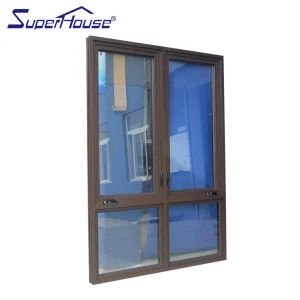
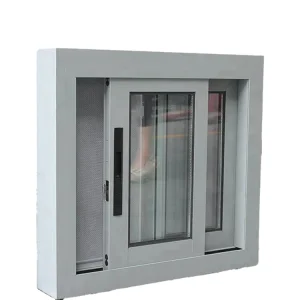
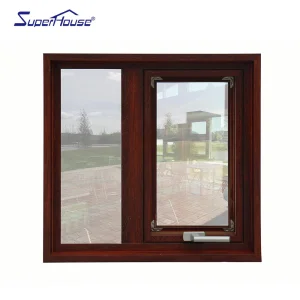
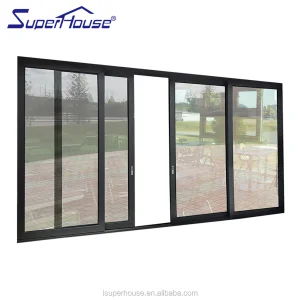
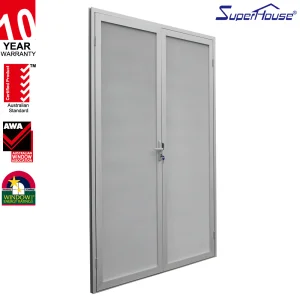
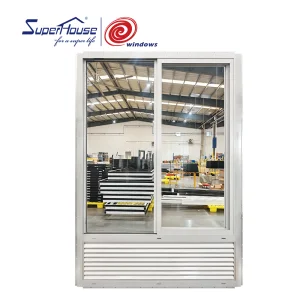
Discover our complementary high-security casement windows, hurricane sliding doors, and energy-efficient building systems.
 Veridor