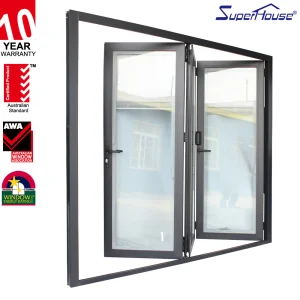
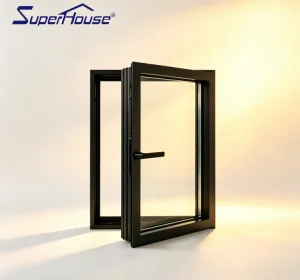
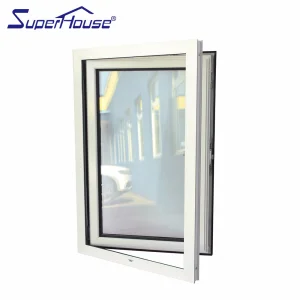
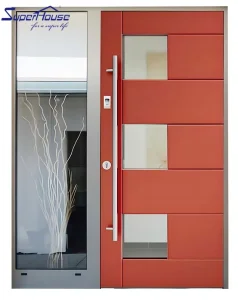
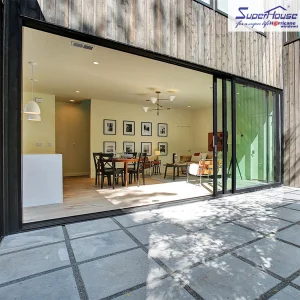
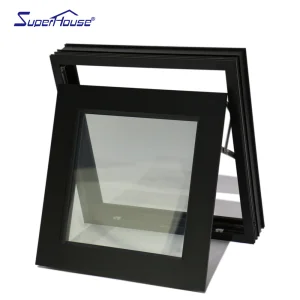
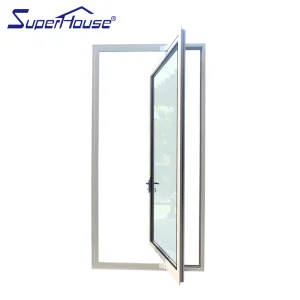
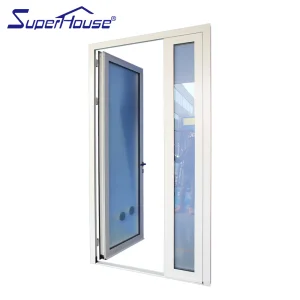
Established in 2013, Veridor Door Technologies Co., Ltd. operates a streamlined 19,000 m² production hub dedicated to contemporary residential entry doors and high-load commercial structural systems. With 11 years of industry experience and 5 years of active foreign trade experience, the firm generates $11 million in annual export revenue. Veridor targets fast-growing markets in Oceania, Southeast Asia, and North America, directly supplying door importers, housing project contractors, and online distributors.
Veridor collaborates with over 480 vetted hardware and material suppliers to ensure product precision and structural continuity. A dedicated team of 22 quality inspectors executes rigorous IP65 weather-seal checks, surface coating adhesion testing, and manual assembly inspections. Guided by modern architectural design trends, 28 R&D engineers developed 65 new entry door models last year. Customization capabilities include custom panel relief patterns, smart digital lock pre-installations, custom frame widths, and anti-scratch marine-grade surface treatments.
In modern architectural design, structural door framing serves as the primary barrier against mechanical strain, forced entry, micro-climatic moisture infiltration, and dynamic wind loading. Standard structural extruded aluminum profiles frequently succumb to elastic deformation under high wind shear loads or structural thermal bridging. As a premier China exporter, Veridor utilizes specialized 6063-T6 and 6061-T6 architectural grade aluminum extrusions integrated with multi-chamber reinforced structural ribbing.
The structural backbone of reinforced frames rests on precise metallurgical composition. While 6063-T6 provides an exceptional surface finish and high corrosion resistance ideal for anodized or PVDF-coated architectural profiles, 6061-T6 is selectively integrated into high-stress pivot hinge anchorage zones and heavy-duty commercial threshold sub-assemblies. The table below outlines the mechanical performance criteria applied in Veridor frame manufacturing:
| Mechanical Property | 6063-T6 Standard Specification | 6061-T6 Heavy-Duty Specification | Veridor Engineering Advantage |
|---|---|---|---|
| Ultimate Tensile Strength | ≥ 205 MPa | ≥ 290 MPa | +22% structural load margin vs. standard frames |
| Yield Tensile Strength | ≥ 170 MPa | ≥ 240 MPa | Prevents frame sagging under heavy triple-pane glass |
| Modulus of Elasticity | 69 GPa | 68.9 GPa | Finite Element Analysis (FEA) optimized wall design |
| Profile Wall Thickness | 1.4mm - 2.0mm | 2.0mm - 3.5mm | Heavy-duty structural wall up to 3.0mm in load areas |
To eliminate thermal conduction across exterior and interior profile faces, Veridor reinforced frames utilize structural Polyamide PA66 reinforced with 25% glass fiber (PA66GF25) thermal barrier strips. This structural configuration delivers low thermal conductivity (λ ≤ 0.3 W/m·K), ensuring that heat transfer coefficients (U-factors) meet strict regional mandates such as California Title 24, NFRC energy codes, and European Passive House insulation benchmarks.
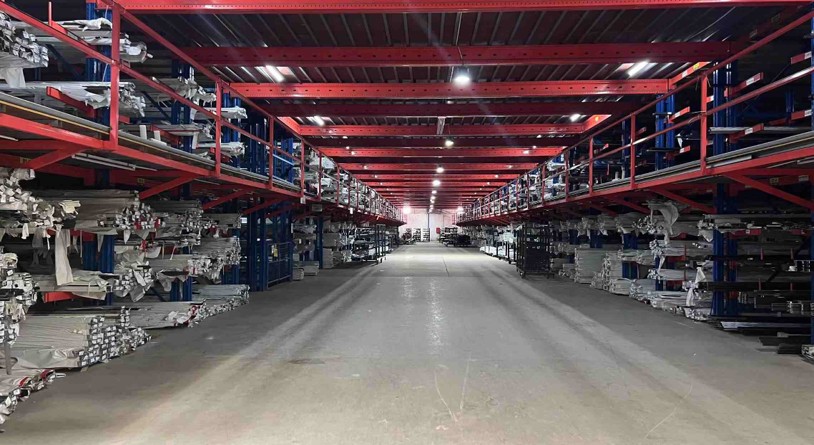
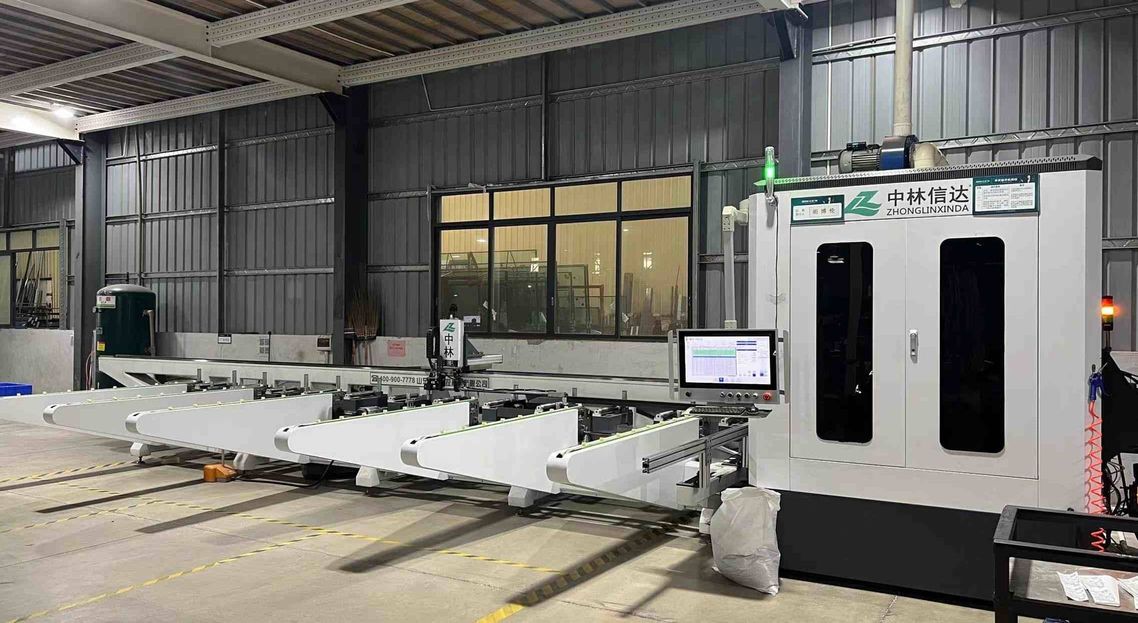
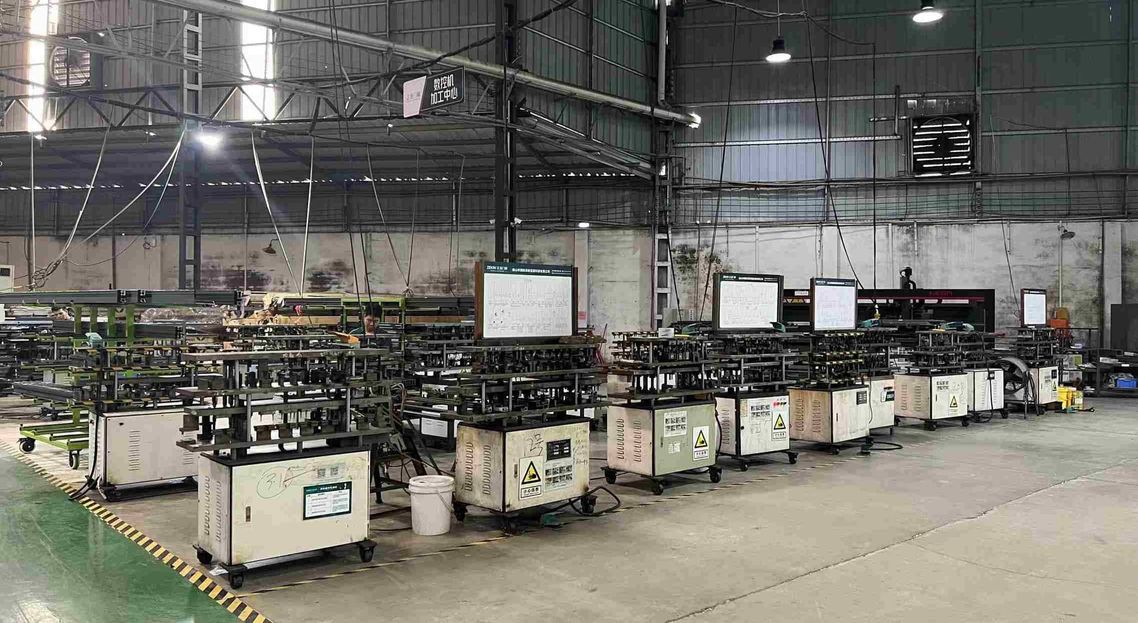
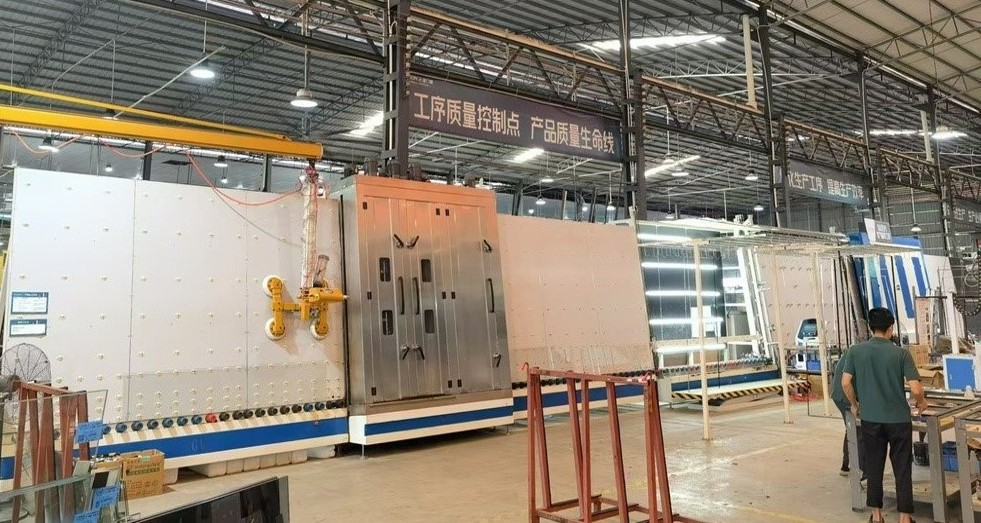
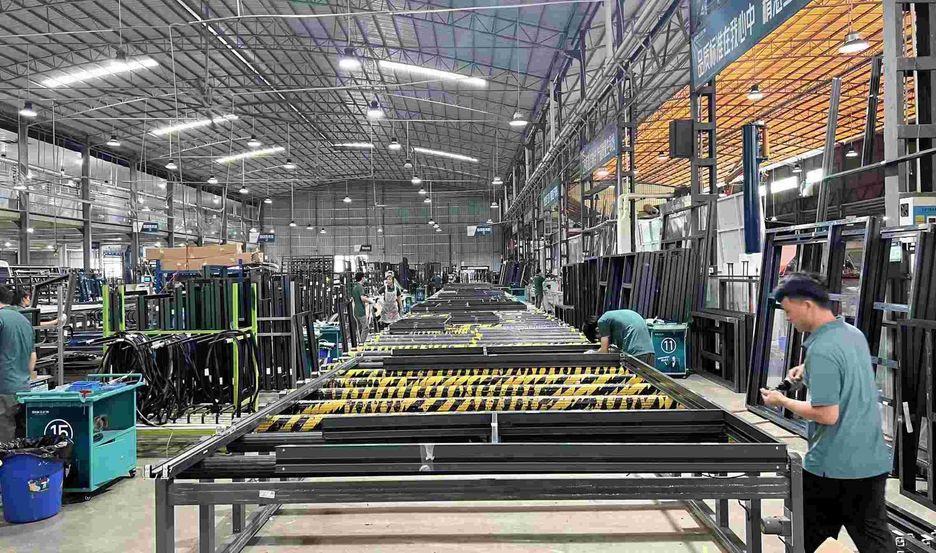
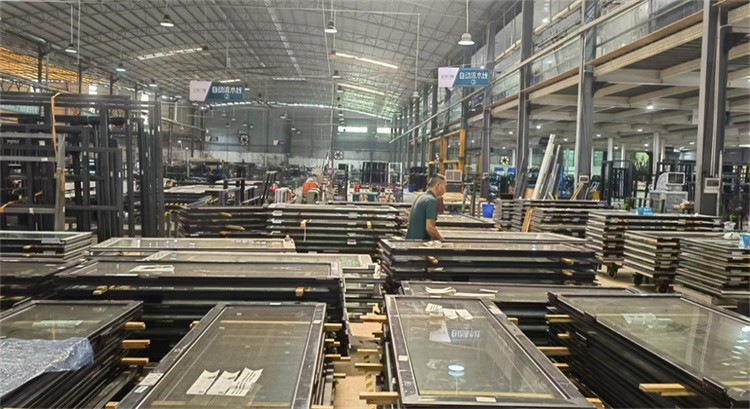
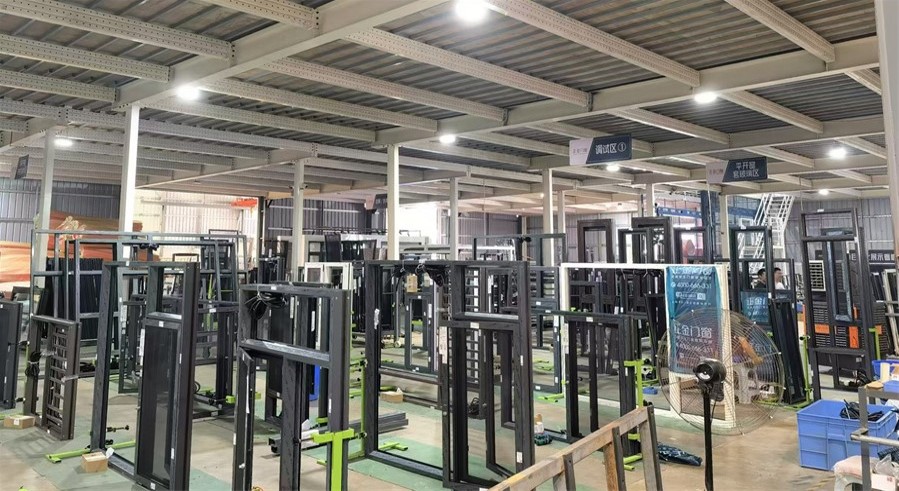
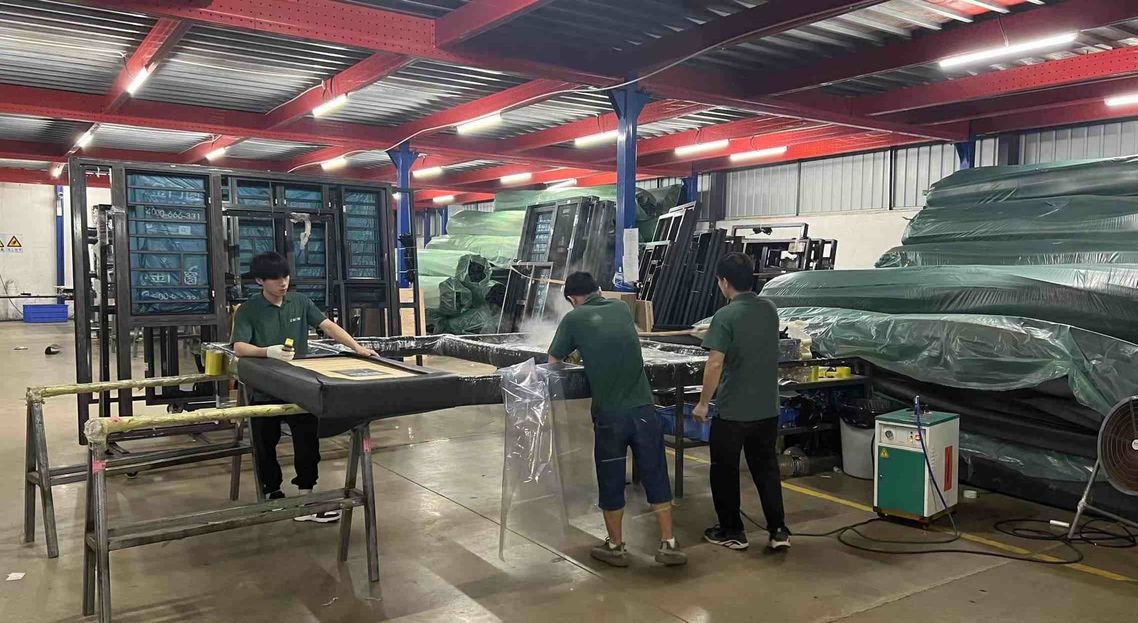
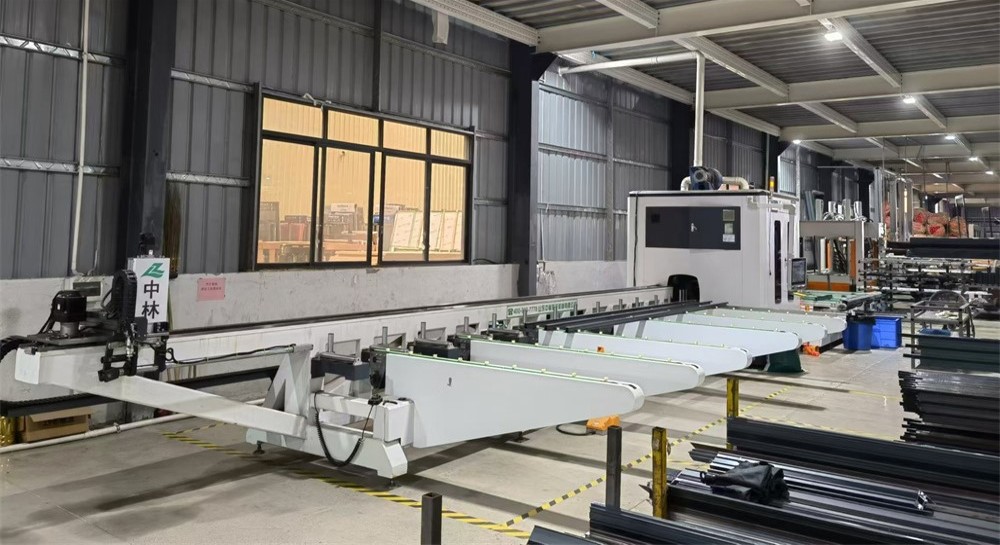
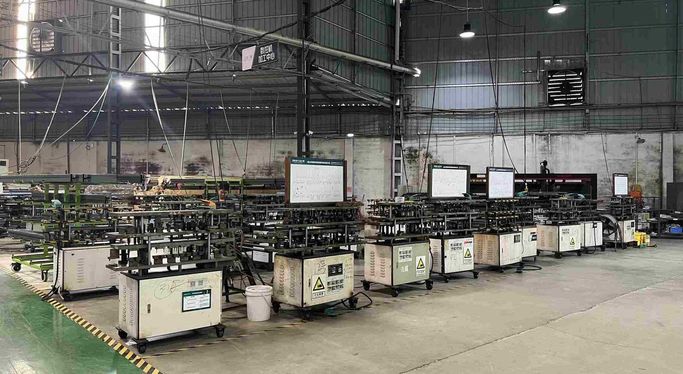
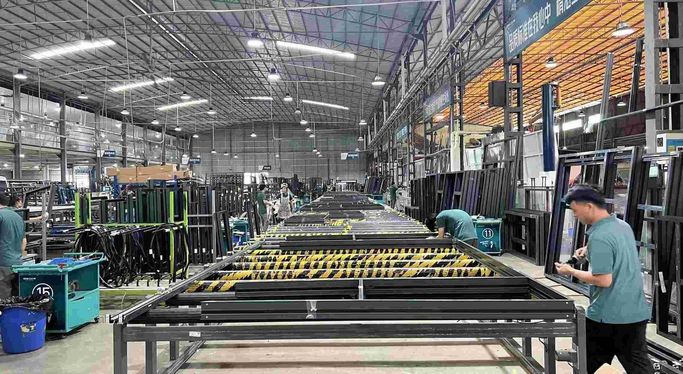
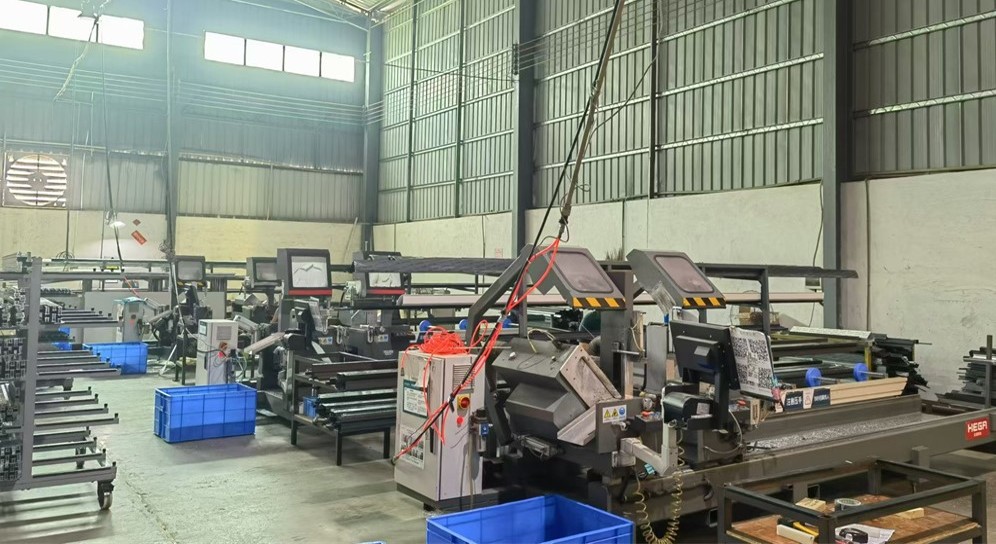
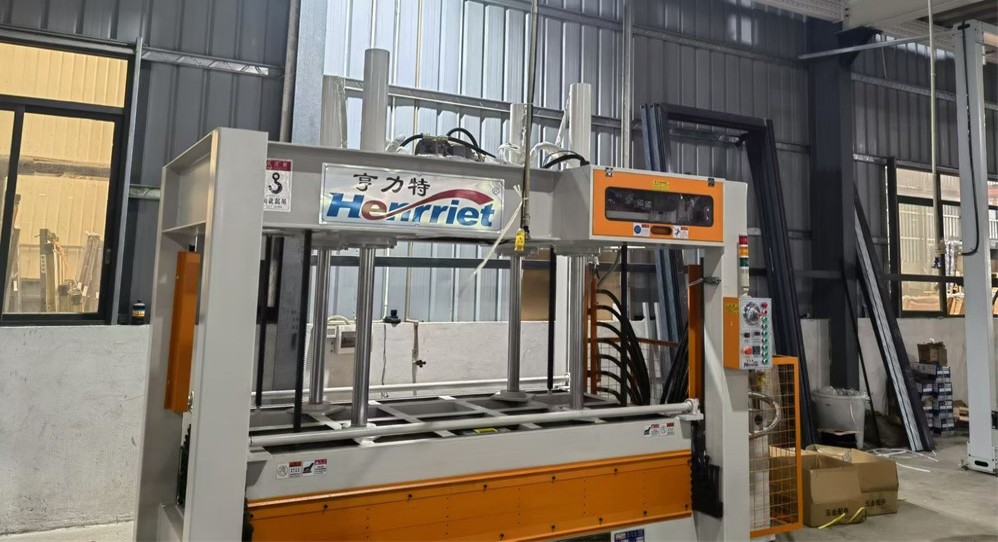
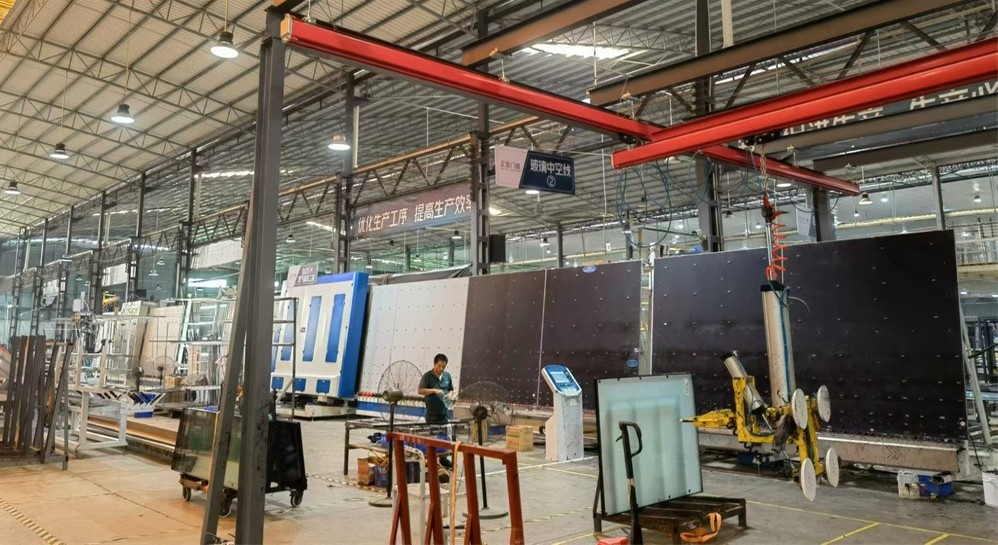
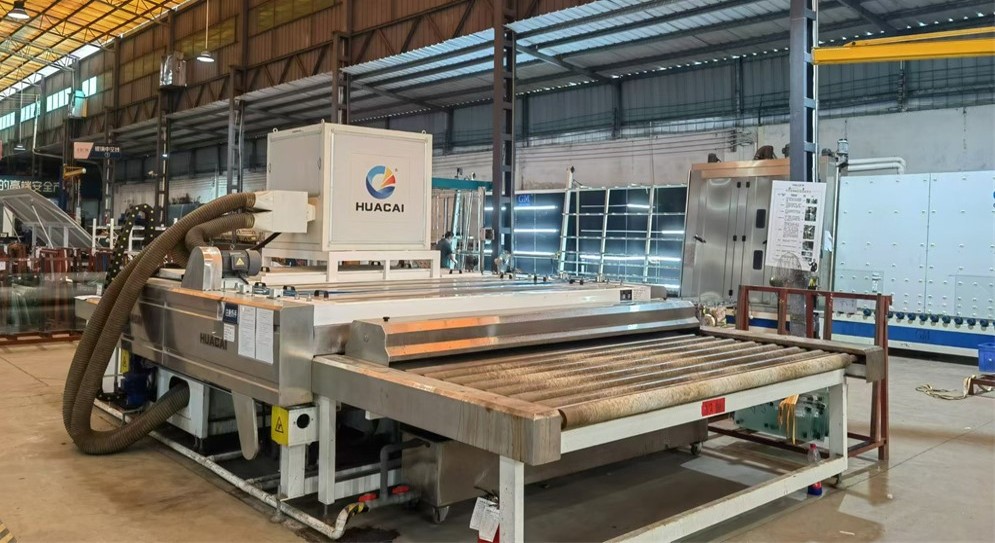
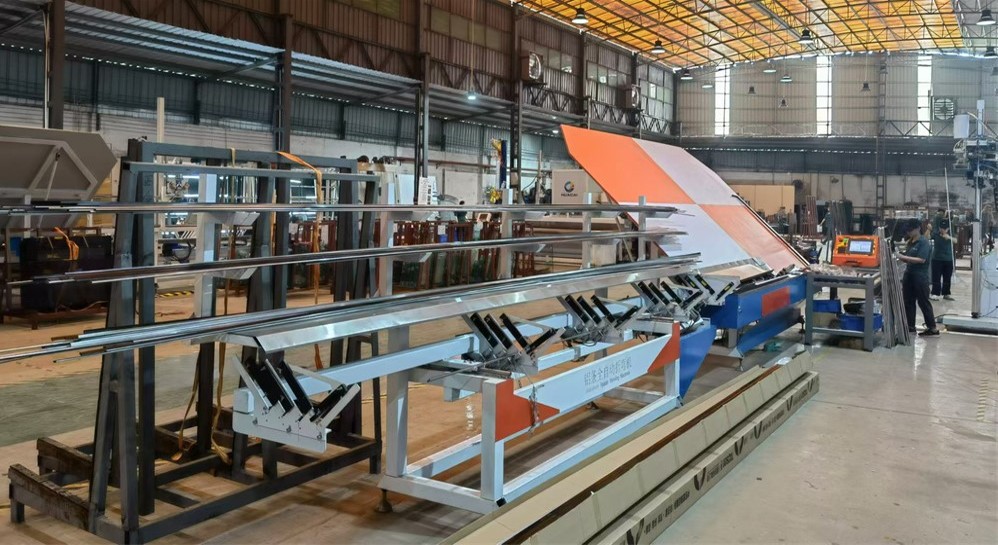
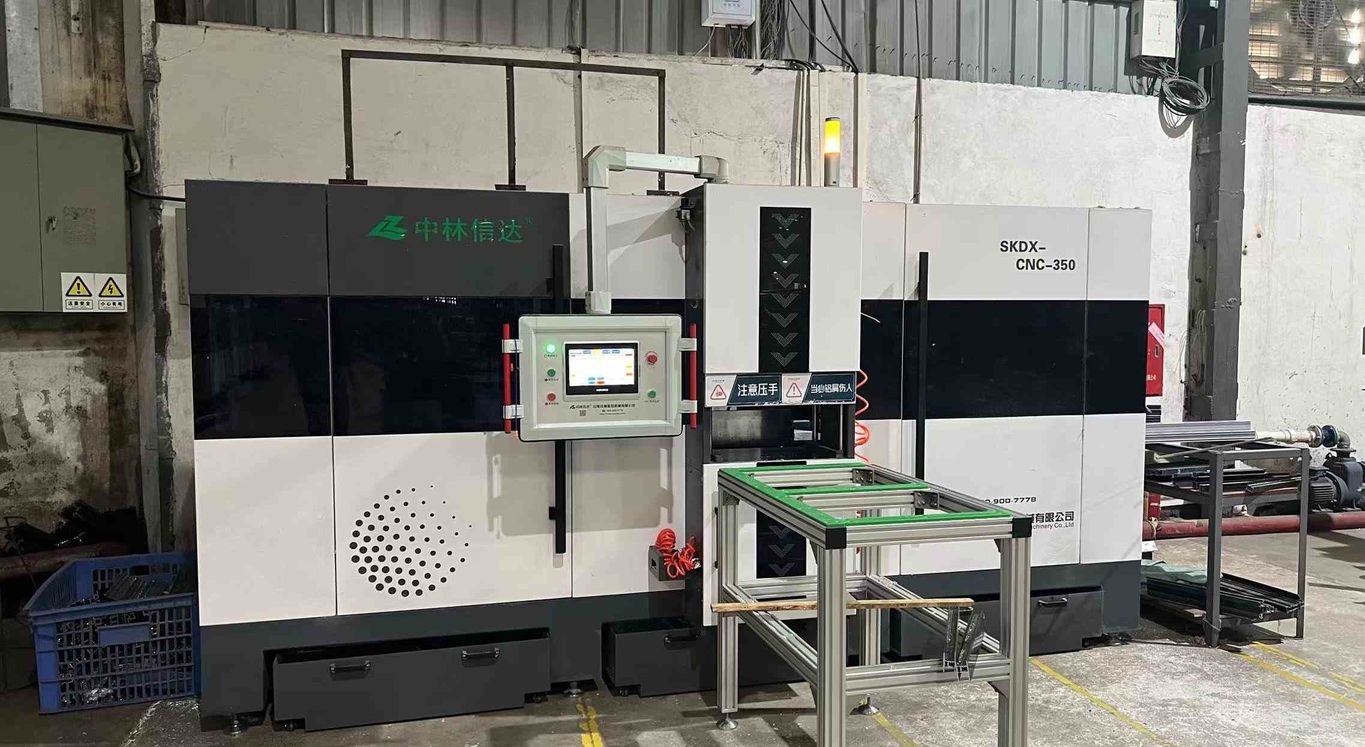
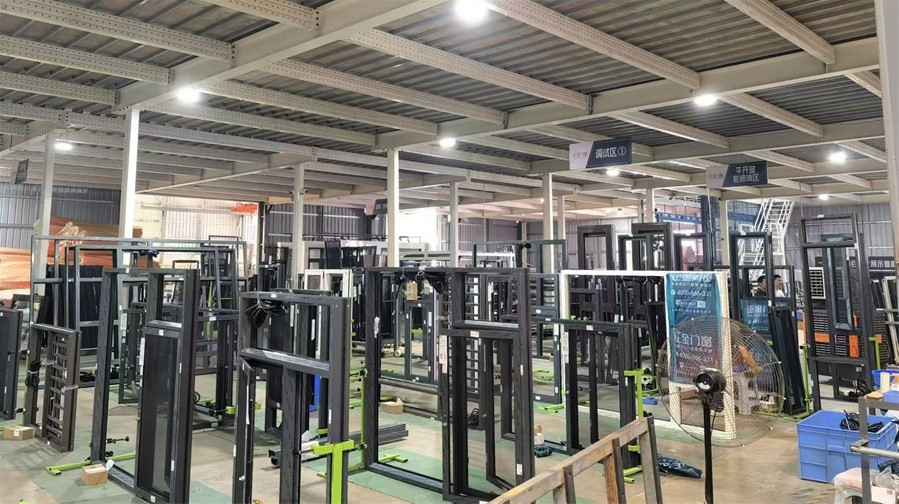
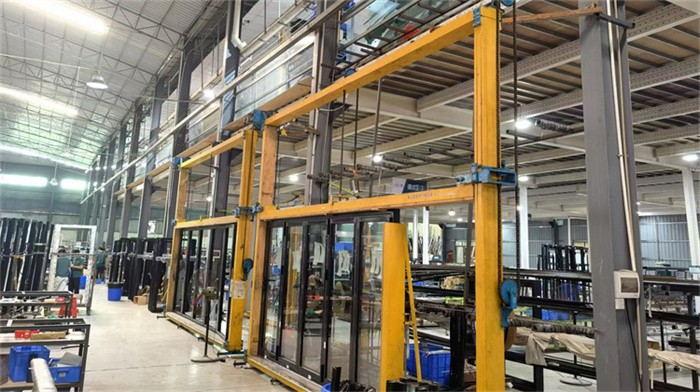
For large-scale housing projects and commercial developments, frame deflection and job-site installation delays incur severe penalties. Veridor provides pre-hung sub-frame systems delivered with pre-drilled anchorage points and standardized installation hardware, reducing on-site labor overhead by up to 35%.
Importers require scalable supply chain options without sacrificing manufacturing tolerances. Utilizing our network of 480+ Tier-1 raw material partners, Veridor buffers raw aluminum pricing volatility, guaranteeing order fulfillment timelines and consistent anodizing and powder-coating batch uniformity.
Direct-to-consumer and e-commerce platforms benefit from custom flat-pack shipping options, anti-scratch marine-grade protective packaging, and pre-integrated multi-point digital lock cutouts, enabling seamless end-user assembly and minimum transit damage return rates.
Designed specifically for Florida Miami-Dade County (NOA) and coastal wind-borne debris zones. Features heavy-duty reinforced interlocks, laminated impact glass integration, and ASTM E1886/E1996 missile impact compliance. Tested for Title 24 low-E thermal envelope requirements.
Fully compliant with Australian standard AS2047 for windows and doors in buildings. Engineered to withstand high water penetration resistance pressure (up to 450Pa to 600Pa) and extreme ultimate limit state (ULS) wind pressure requirements tailored to Pacific cyclone regions.
Tropical and coastal micro-climates demand exceptional anti-corrosion protection. Veridor applies Qualicoat-certified fluorocarbon (PVDF) spray coatings and high-micron anodic oxidation layers (Class 15/25), enduring over 3,000 hours of neutral salt spray (NSS) testing.
Transitioning 100% of raw extrusion sourcing to hydro-powered recycled aluminum, reducing embedded carbon emissions by 70% per metric ton to meet Net-Zero building mandates.
Embedding IoT structural health monitoring sensors inside frame cavities to provide real-time data on seal degradation, frame flex, and unauthorized forced entry attempts.
Developing high-tensile composite reinforced aluminum alloys that permit ultra-narrow interlocks (<20mm sightline) while supporting paned glass units weighing up to 600kg.
Architectural integration of Building-Integrated Photovoltaic (BIPV) wiring conduits within outer frame channels for seamless solar glass power distribution.
Navigating cross-border building product procurement demands more than just precise manufacturing; it requires a bulletproof logistical and technical compliance infrastructure. Veridor operates a holistic service model structured around international client risk reduction:
Our 28 R&D engineers produce detailed CAD and BIM (Revit) models tailored to project specific openings, structural deflection calculations, and local wind code requirements prior to extrusion tooling.
Specialized vertical steel-rack packing systems maximize container volume utilization, preventing transit flex and reducing ocean freight shipping costs per square meter of framing by up to 18%.
We provide comprehensive installation manuals, video walkthroughs, and virtual real-time support during structural frame anchor installation and weatherproofing seal application.
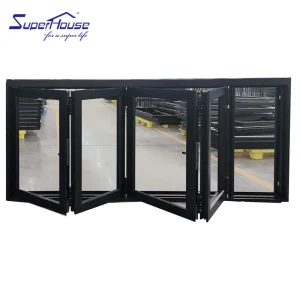
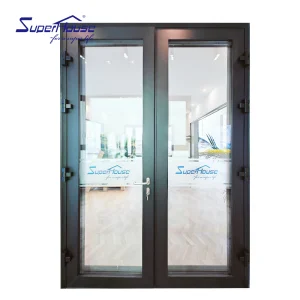
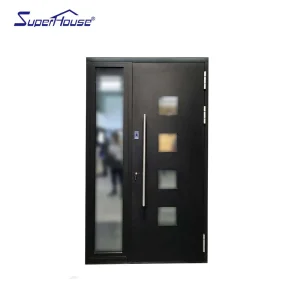
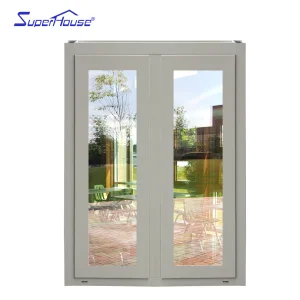
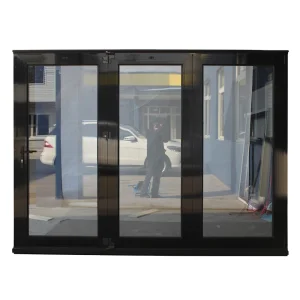
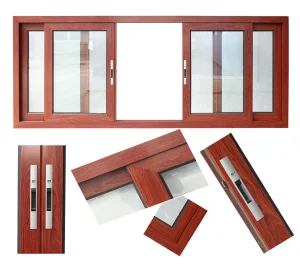
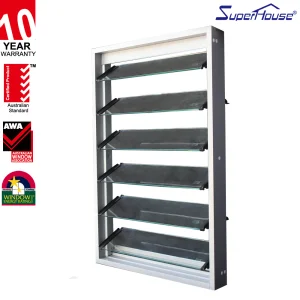
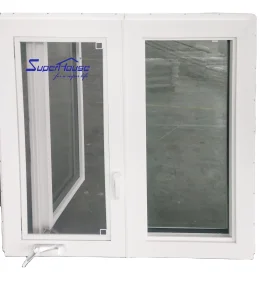
Reinforced aluminum door frames utilize high-tensile 6063-T6 or 6061-T6 aluminum alloys augmented by internal structural ribbing and PA66GF25 polyamide thermal breaks. Unlike standard aluminum, which easily conducts heat, thermal-break reinforced frames prevent thermal bridging while offering superior structural shear strength compared to uPVC, enabling oversized glass panels and resistance to extreme wind pressures without warp or frame deflection.
Veridor employs 22 certified quality inspectors operating under strict ISO quality management frameworks. Production checkpoints span 8 integrated workflow stages—from incoming raw billet composition checks and double-head CNC miter cutting precision to IP65 weather-seal testing, dynamic hardware debugging, and 3,000-hour salt spray surface coating adhesion validation.
Yes. Our reinforced system profiles are fully certified against stringent international standards, including Florida Miami-Dade NOA (Notice of Acceptance), NFRC energy performance ratings, California Title 24 compliance, and Australian AS2047 structural and water penetration standards.
Supported customization includes tailored extrusion profile wall thicknesses (up to 3.5mm), bespoke door panel relief carving patterns, pre-machined lock pocket mortising for digital smart locks, marine-grade anti-scratch PVDF/Anodized surface finishes, and integrated insect screen channels.
When combined with double or triple-glazed Low-E argon-filled glass units, Veridor thermally broken reinforced frames achieve U-factors as low as 1.2 to 0.8 W/m²·K (0.21 to 0.14 BTU/h·ft²·°F), meeting high-efficiency commercial and residential energy codes globally.
 Veridor