Certified impact-rated, thermally broken architectural door and window systems engineered for demanding North American and global climate zones.
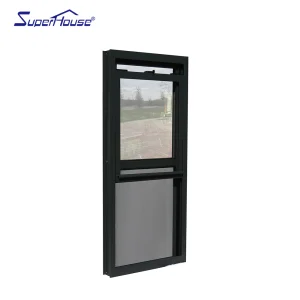
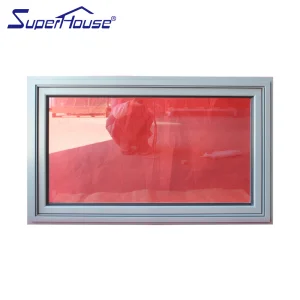
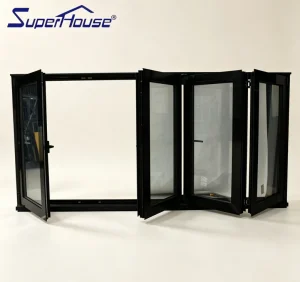
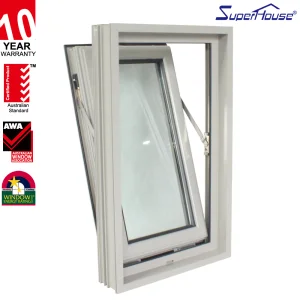
As global building energy codes tighten across North America, Europe, and Oceania, energy-efficient entry doors have transitioned from luxury upgrades to regulatory imperatives.
In modern architectural design, the entry door system acts as the critical thermal boundary between the interior living micro-climate and exterior environmental extremes. Commercial and residential structures account for over 36% of global final energy consumption and nearly 40% of direct and indirect CO2 emissions. Within a building envelope, thermal bridges around entry openings and uninsulated door slabs account for up to 25% of total structural HVAC thermal loss.
As leading global original equipment manufacturers (OEM) and custom solution providers based in China, advanced door manufacturers are pioneering high-density polyisocyanurate (PIR) cores, multi-chambered polyamide thermal breaks, and low-emissivity (Low-E) insulated glass units (IGU). These technical innovations directly reduce overall building energy consumption while providing structural resilience against severe environmental loads, extreme salt-spray exposure, and extreme weather events.
A premier Chinese manufacturing force combining 11 years of structural engineering expertise with modern automated foreign trade operations.
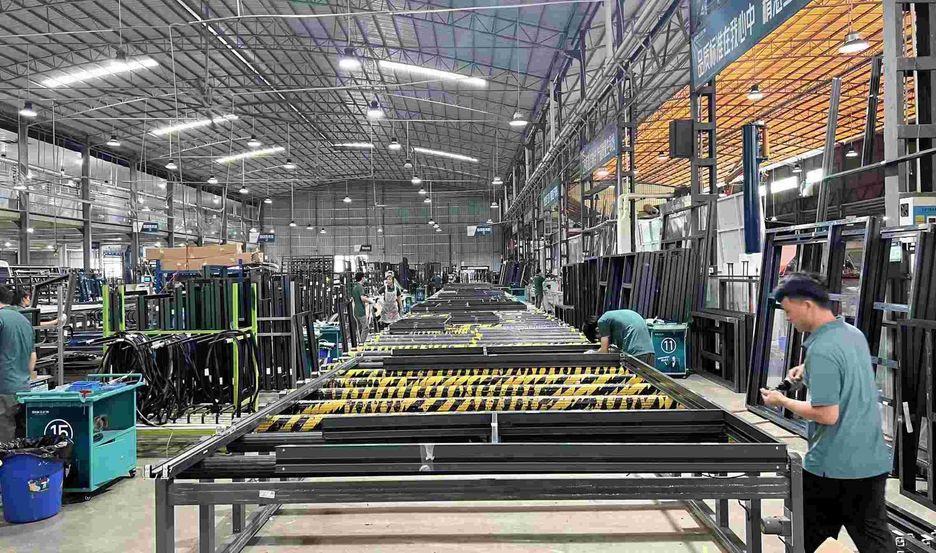
Established in 2013, Veridor Door Technologies Co., Ltd. operates a streamlined 19,000 m² production hub dedicated to contemporary residential and commercial entry doors. With 11 years of deep industry experience and 5 years of active foreign trade operations, the firm generates over $11 million in annual export revenue.
Veridor strategically targets fast-growing construction markets across Oceania, Southeast Asia, and North America, directly supplying top-tier door importers, housing project general contractors, architectural procurement hubs, and online wholesale distributors.
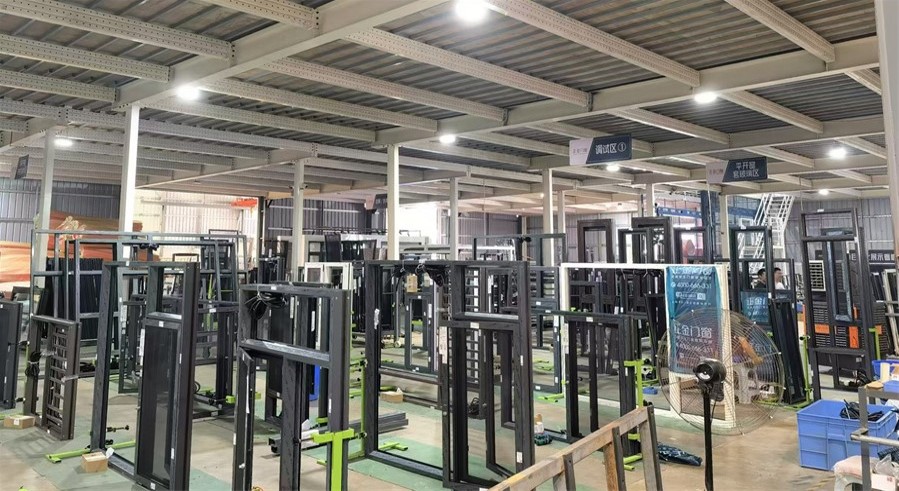
To ensure uncompromising structural precision and supply chain stability, Veridor collaborates with over 480 vetted hardware and raw material suppliers. A dedicated quality control team of 22 quality inspectors executes rigorous IP65 weather-seal checks, surface coating adhesion testing, and manual assembly inspections on every production batch.
Guided by contemporary architectural trends, Veridor's 28 R&D engineers developed 65 new entry door models last year alone. Comprehensive customization capabilities include custom panel relief patterns, smart digital lock pre-installations, structural custom frame widths, and anti-scratch marine-grade surface treatments.
Deconstructing U-Value, SHGC, Polyamide Thermal Barriers, and Gas Insulation Systems in Advanced Door Fenestration.
Traditional aluminum profiles act as thermal conductors. Veridor utilizes reinforced Polyamide (PA66 with 25% glass fiber) structural thermal strips, physically separating the interior and exterior extruded aluminum profiles. This eliminates cold bridges, preventing condensation and interior thermal loss.
Glazed door inserts incorporate 4SG thermoplastic warm-edge spacer technology paired with 95% high-purity Argon gas filling. This significantly lowers heat transfer through the glass edge while maintaining long-term gas retention and airtight hermetic sealing.
Door perimeter seals utilize automotive-grade continuous EPDM rubber gaskets with co-extruded foam backing. Tested to IP65 standards, these seals block wind-driven rain at pressures up to 700 Pa and suppress external air infiltration (ASTM E283 compliance).
| Performance Indicator | Standard Entry Door | Veridor High-Efficiency Thermal Entry Door | Global Testing Benchmark Standard |
|---|---|---|---|
| Thermal Transmittance (U-Value) | 3.5 - 4.8 W/m²K | 0.8 - 1.2 W/m²K (NFRC Certified Range) | ISO 10077-2 / NFRC 100 |
| Solar Heat Gain Coefficient (SHGC) | 0.60 - 0.75 | 0.18 - 0.28 (Optimized Low-E Coating) | NFRC 200 / EN 410 |
| Airtightness (Air Infiltration) | 1.5 m³/m·h | < 0.1 m³/m·h (AAMA Class A1) | ASTM E283 / AS2047 |
| Structural Wind Load Resistance | 1500 Pa | Up to 5000 Pa (Hurricane Impact Rated 96 PSF) | Miami-Dade NOA / ASTM E330 |
| Acoustic Isolation Index (STC) | STC 28 dB | STC 42 - 48 dB (Acoustic Laminated IGU) | ASTM E90 / ISO 717-1 |
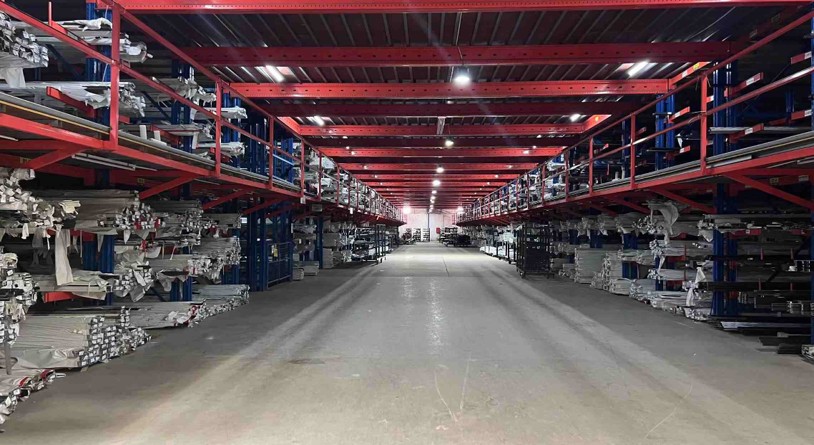
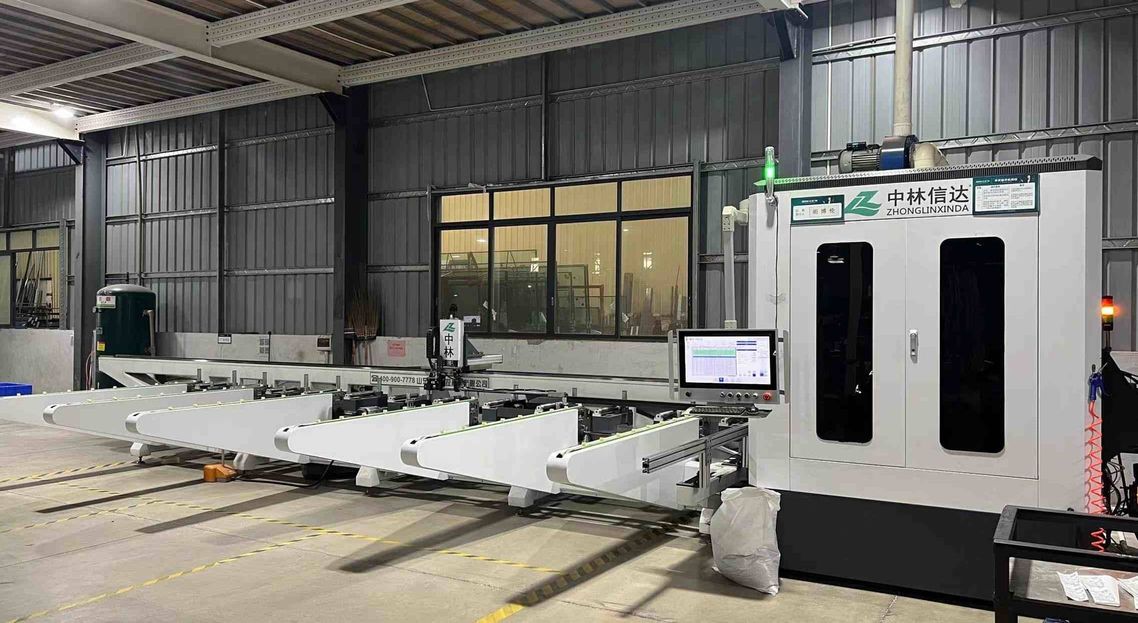
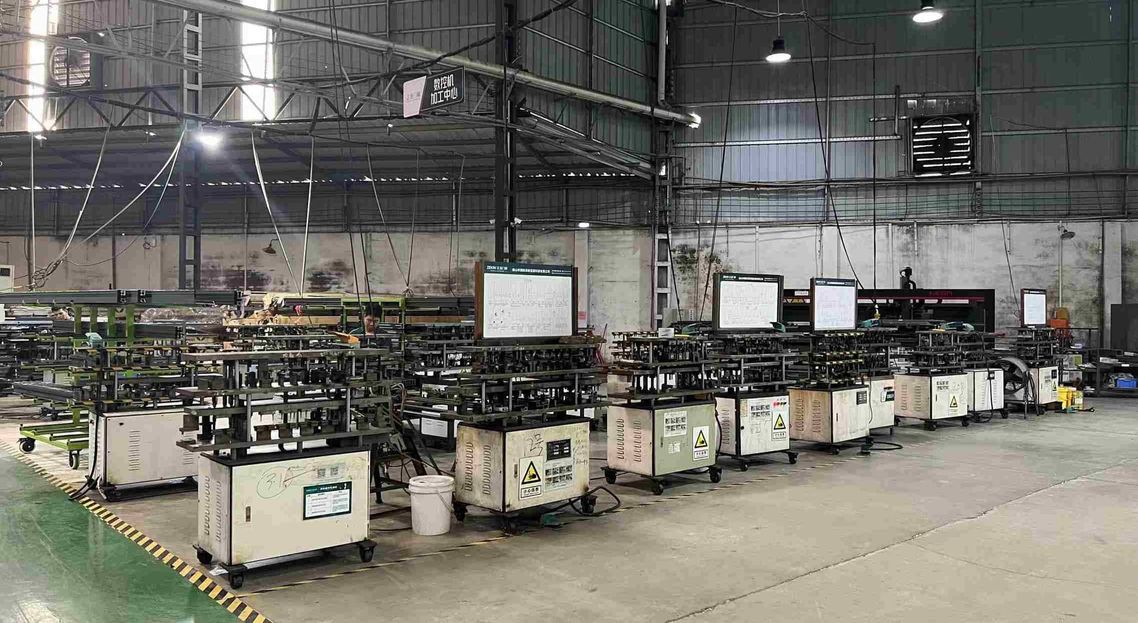
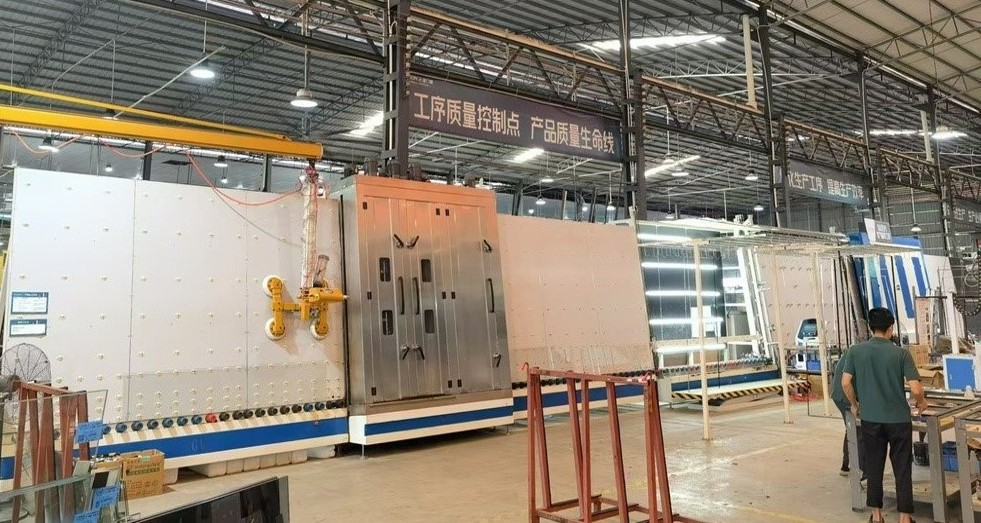
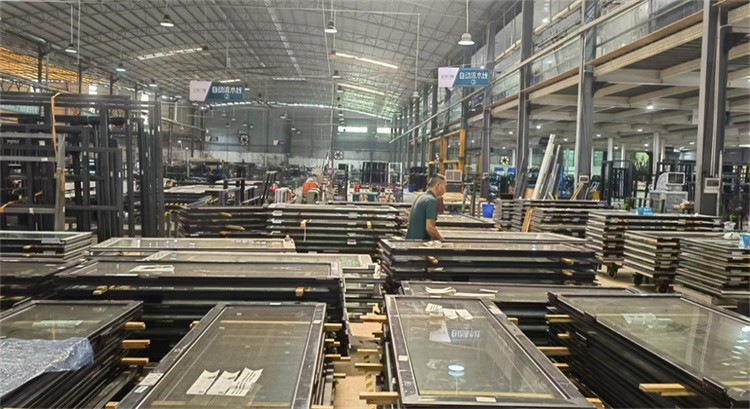
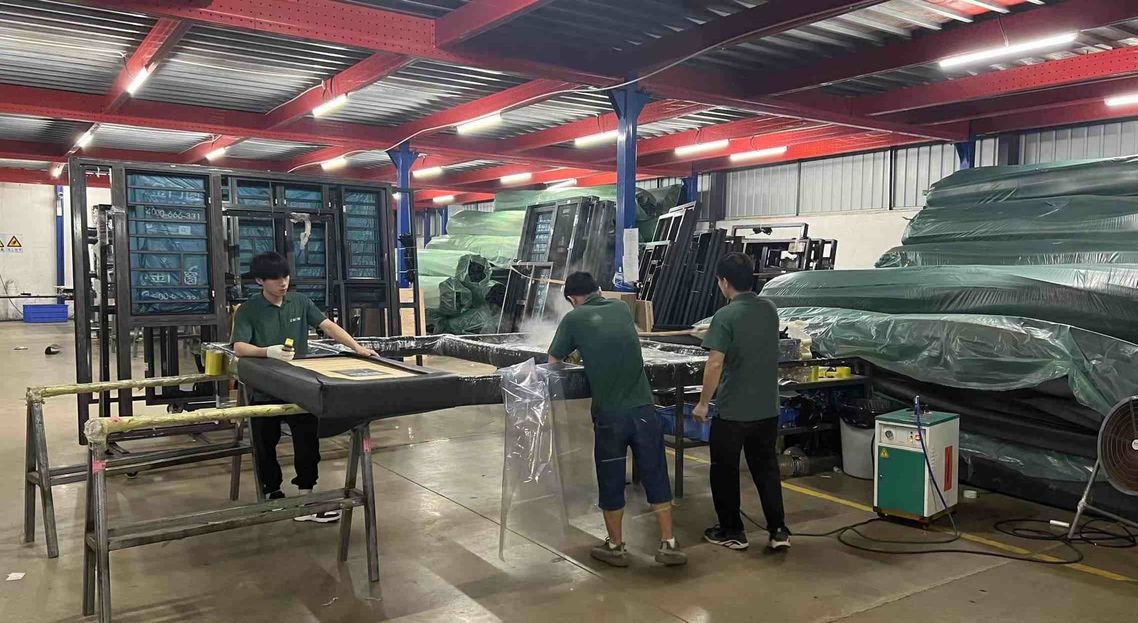
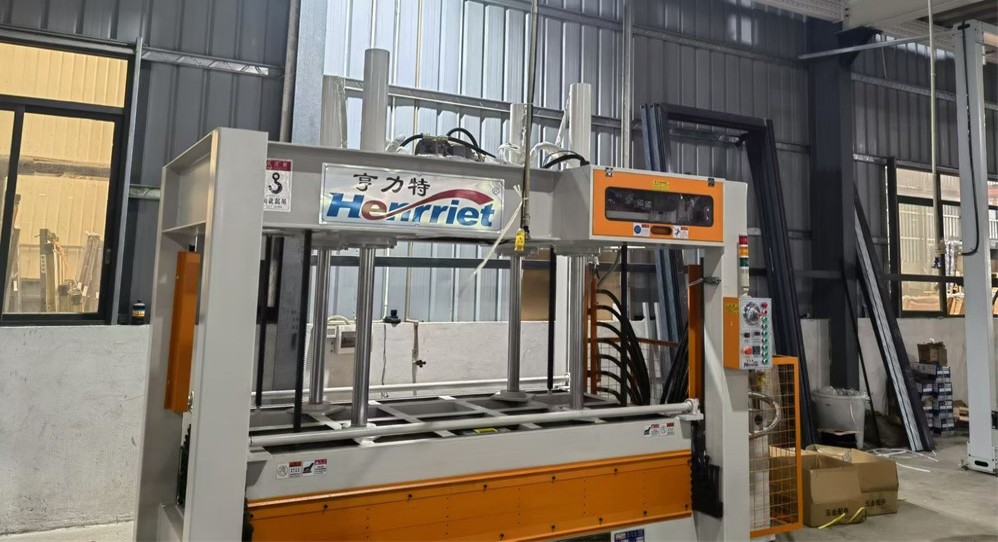
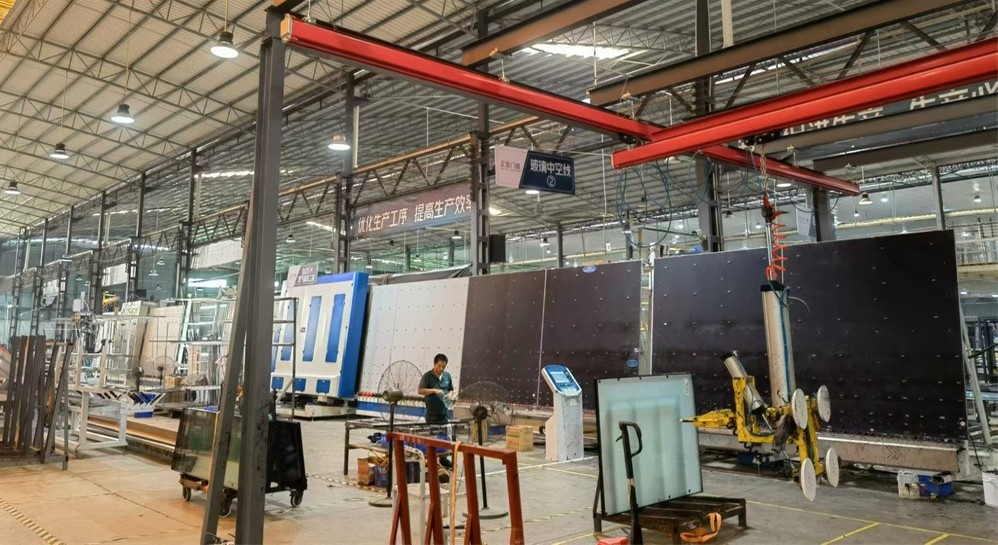
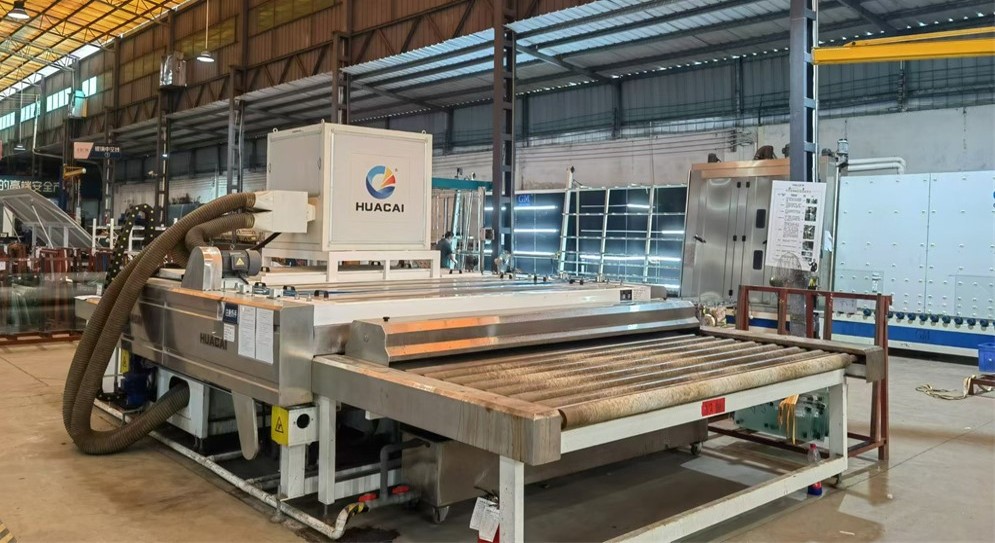
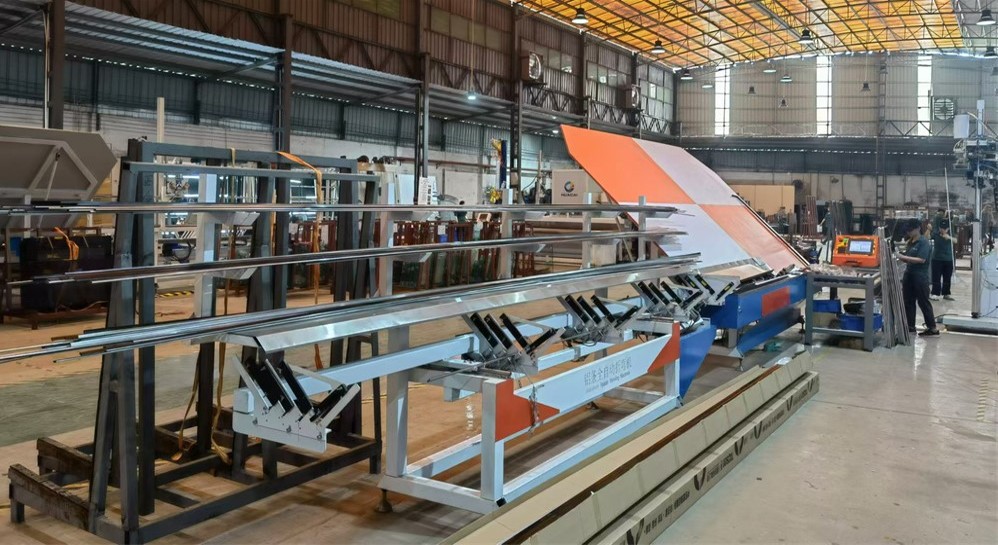
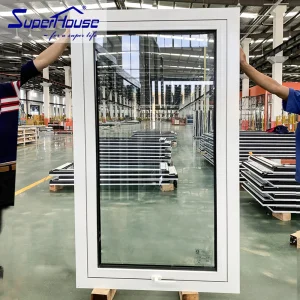
Inside Veridor's 19,000 m² modern manufacturing hub: Seamless integration of heavy automated machinery, strict quality testing, and robust supply chain control.
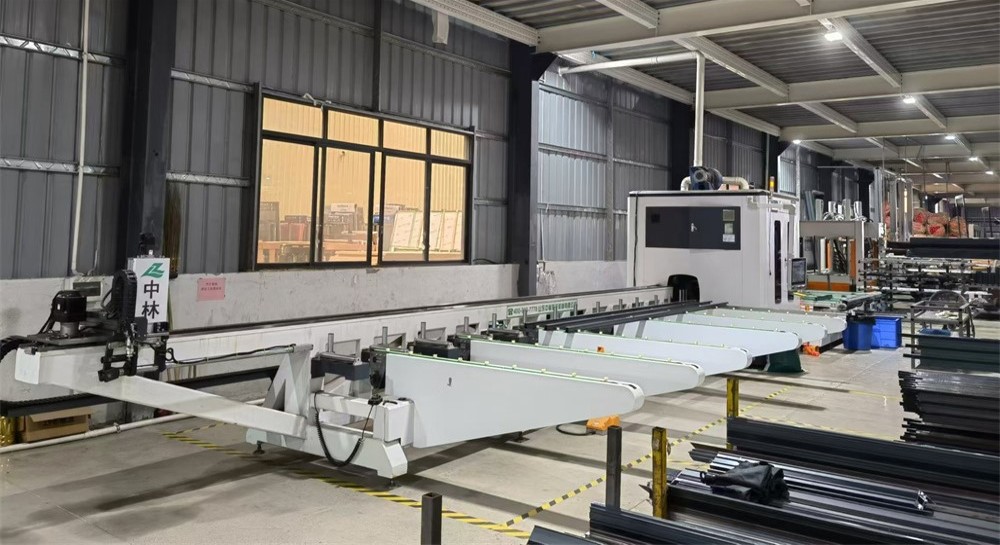
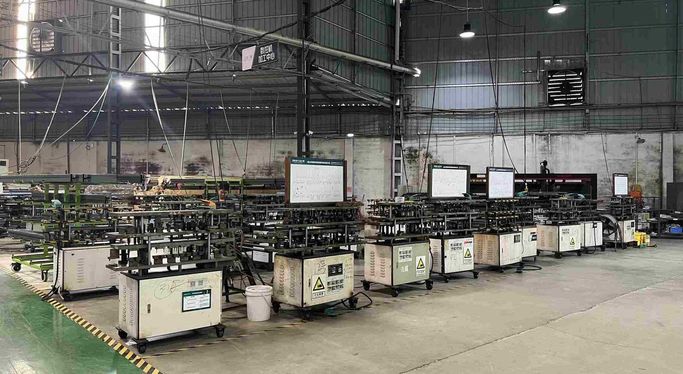
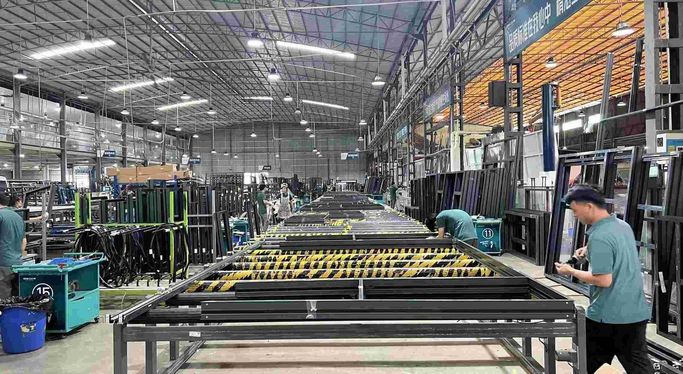
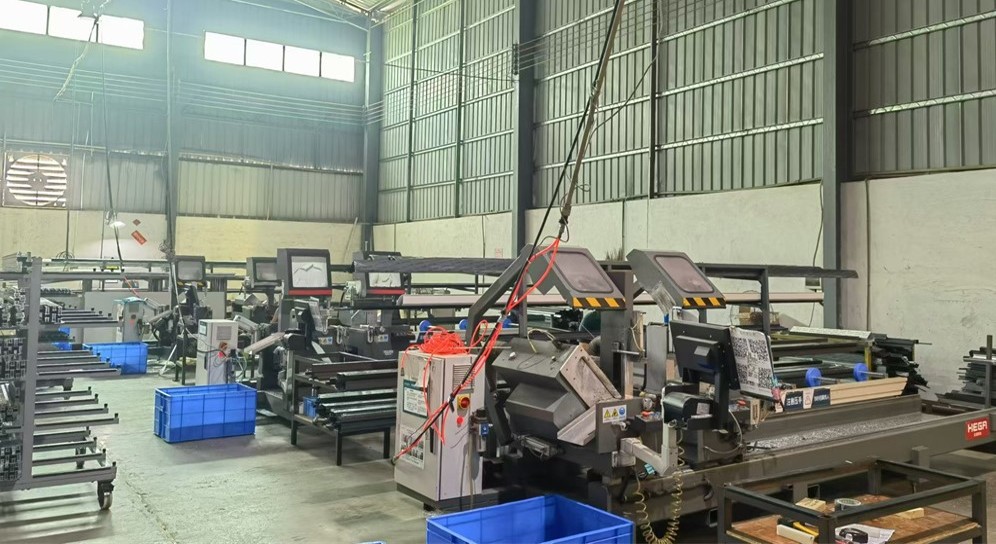
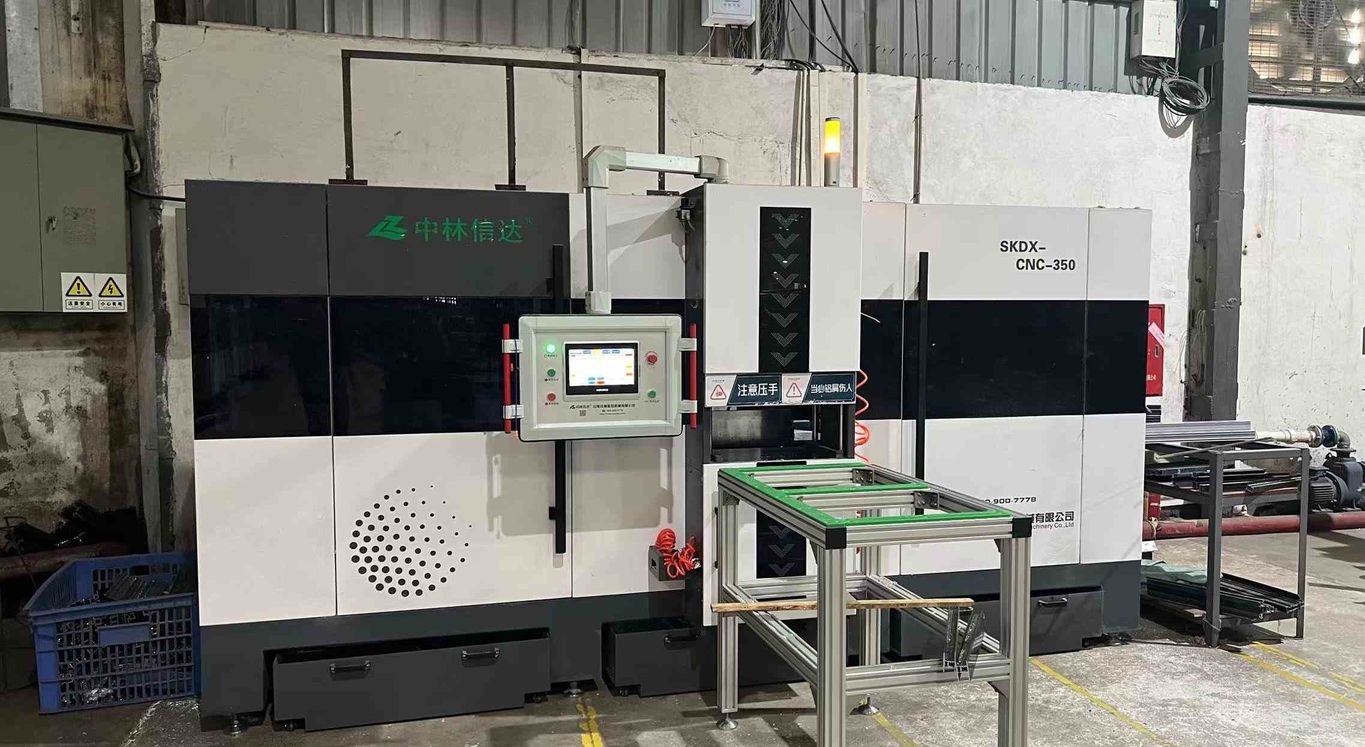
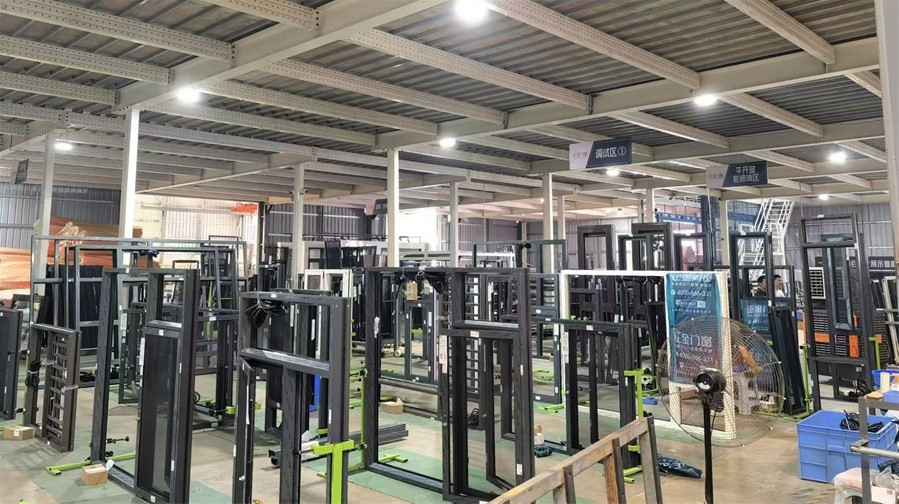
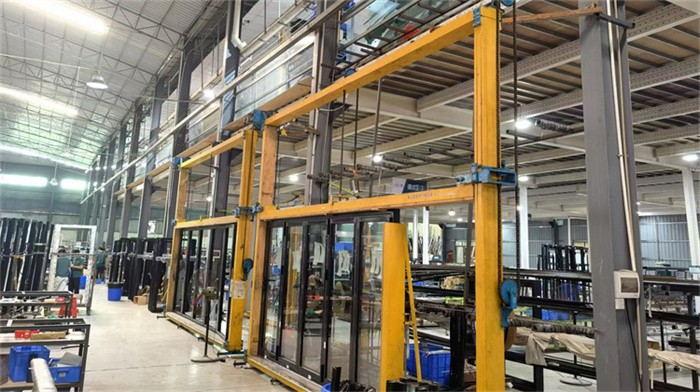
Tailoring structural engineering and surface finishes to meet diverse climatic and regulatory requirements across international jurisdictions.
For coastal regions in Florida, Texas, and the Caribbean, entry doors must withstand high wind loads and projectile impacts. Veridor provides door systems compliant with Miami-Dade NOA standards and NFRC energy ratings, featuring PVB/SGP laminated glass and structural steel reinforcers.
Australia and New Zealand require fenestration tested to AS2047 standards. Veridor applies AAMA 2605 fluorocarbon powder coatings and marine-grade anodizing to combat intense UV radiation and salt spray corrosion up to C5-M extreme marine classifications.
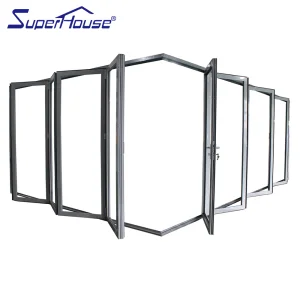
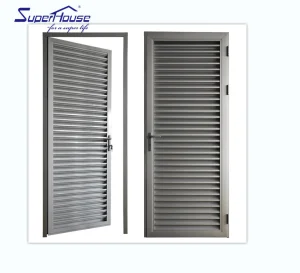
In humid tropical regions, entry doors face severe thermal condensation risks. Veridor's commercial bi-fold and sliding louver entry doors integrate dual-drainage sub-sills and anti-fungal silicone seals, providing long-term operational smooth performance for resorts and commercial plazas.
Addressing crucial technical, logistical, and compliance questions for general contractors, door importers, and developers.
Explore our expanded collection of high-performance architectural systems for international distribution and project procurement.
 Veridor