Engineered to withstand severe atmospheric pressures, cyclonic windloads, and extreme weather infiltration.
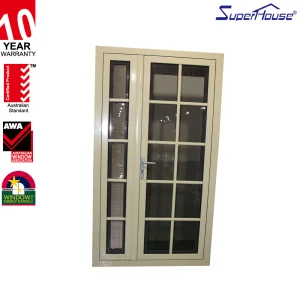
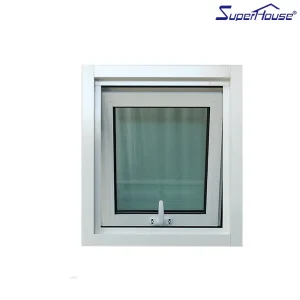
Understanding Structural Load Engineering, Deflection Limits, & Dynamic Pressure Differential in Storm Zones
When extreme meteorological events such as hurricanes, typhoons, and coastal gales strike built environments, the architectural envelope experiences massive pressure differentials. A wind-resistant entry door must act as an unyielding structural shield. The physics of high-wind resistance depends on a system's Design Pressure (DP) rating, measured in pounds per square foot (PSF) or Pascals (Pa).
Standard residential doors often fail at positive loads exceeding 30 PSF, resulting in structural frame deformation, seal failure, or complete lock shearing. Premium wind-resistant entry doors manufactured by Veridor undergo rigorous hydrostatic pressure and cyclic windload testing up to +/- 100 PSF (equivalent to wind speeds exceeding 250 mph / 400 km/h). This resilience prevents structural blowout—the leading cause of catastrophic roof lift-off in coastal storms.
Wind resistance is intrinsically linked to water tightness. High-velocity wind forces water molecules through microscopic gaps in standard threshold and sash interfaces. To overcome this, advanced entry door engineering utilizes multi-stage pressure equalization chambers combined with continuous continuous EPDM (Ethylene Propylene Diene Monomer) gasket systems.
Veridor’s proprietary drainage channels utilize gravity-fed one-way weep valves that discharge incoming water even under negative pressures of 720 Pa. By incorporating high-performance thermal break polyamide strips (PA66GF25), structural rigidity is maintained while thermal transfer is eliminated, preventing condensation mold and energy loss in extreme climates.
| Performance Vector | Standard Residential Entry Door | Veridor Storm-Shield Wind-Resistant Door | Engineering Benefit |
|---|---|---|---|
| Design Pressure (DP Rating) | DP25 - DP35 (approx. 100 mph) | DP70 - DP100+ (Up to 250+ mph) | Resists Category 5 Hurricane force winds without frame deflection. |
| Glazing Specification | Single or Double Monolithic Tempered | Laminated Impact Double/Triple Glazed (SGP/PVB) | Prevents penetration from airborne debris (Large Missile Impact). |
| Structural Aluminum Profile | 1.2mm - 1.4mm Standard Profile | 2.0mm - 3.0mm Architectural Grade T66 Alloy | Provides superior yield strength and torsional stiffness. |
| Locking Mechanism | Single Latch / Standard Deadbolt | Multi-Point Stainless Steel Gear System (5-8 Points) | Distributes dynamic wind load evenly along the entire jamb height. |
| Air & Water Tightness | 150 Pa - 300 Pa Water Resistance | 700 Pa - 1050 Pa Static & Dynamic Water Test | Zero water ingress under wind-driven torrential rains. |
A decade of precision manufacturing, engineering excellence, and international export leadership in high-end structural door solutions.
Established in 2013, Veridor Door Technologies Co., Ltd. operates a streamlined 19,000 m² modern production hub dedicated to high-performance contemporary residential and commercial entry doors. With 11 years of deep industry manufacturing experience and 5 years of specialized active foreign trade execution, the firm consistently generates over $11 million in annual export revenue. Veridor targets fast-growing coastal and high-wind markets across Oceania, Southeast Asia, and North America, serving as an OEM/ODM direct partner for door importers, high-rise housing contractors, real estate developers, and major online building supply distributors.
Veridor collaborates closely with over 480 vetted hardware and raw material supply chain partners worldwide to ensure exact chemical composition of alloys, high-tension glass integrity, and hardware durability. A strict quality control team of 22 inspectors executes rigorous IP65 weather-seal checks, surface coating adhesion testing, dynamic impact loading, and comprehensive manual assembly inspections. Driven by modern architectural aesthetics, 28 full-time R&D engineers developed 65 new entry door models last year alone. Customization capabilities include bespoke panel relief patterns, smart biometric lock integration, custom frame profiles, and anti-scratch marine-grade surface treatments tailored for extreme salt-spray coastal environments.
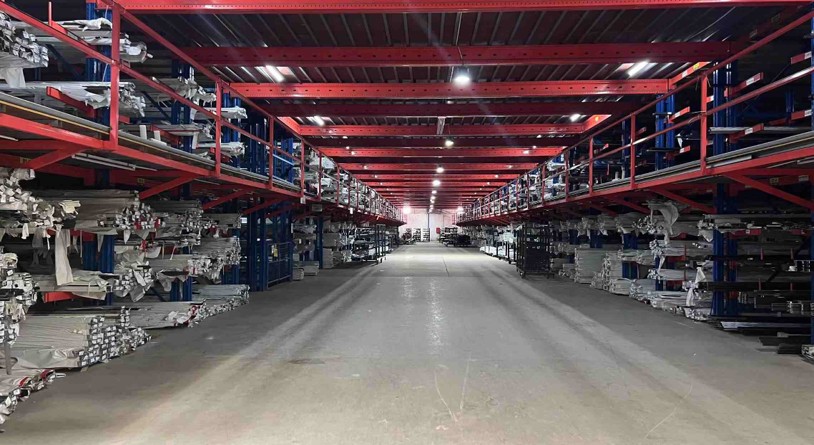
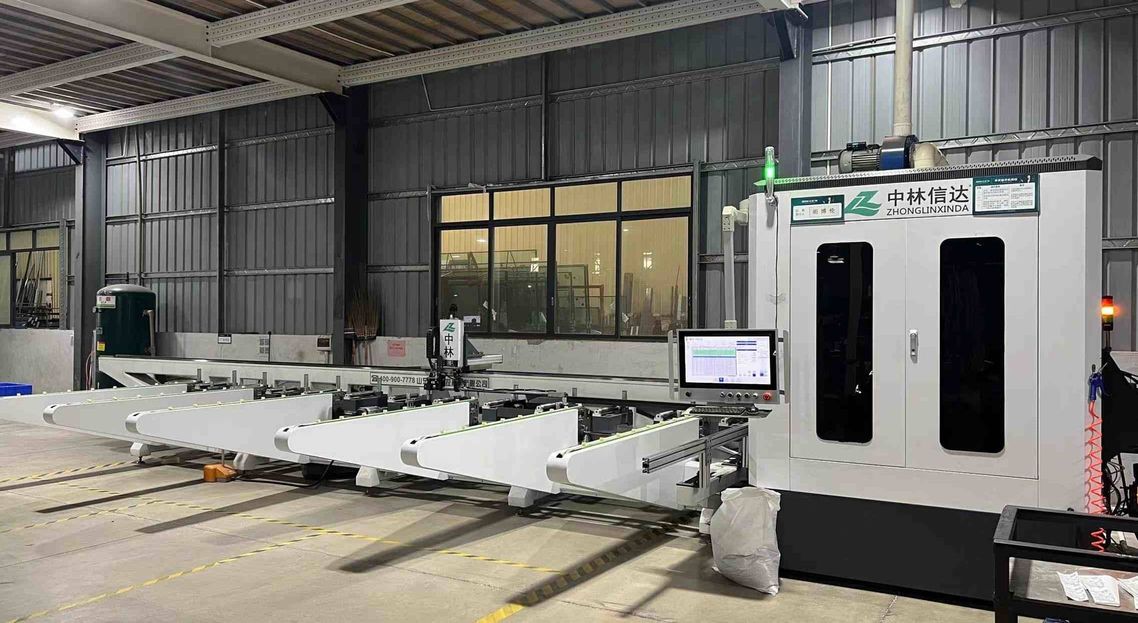
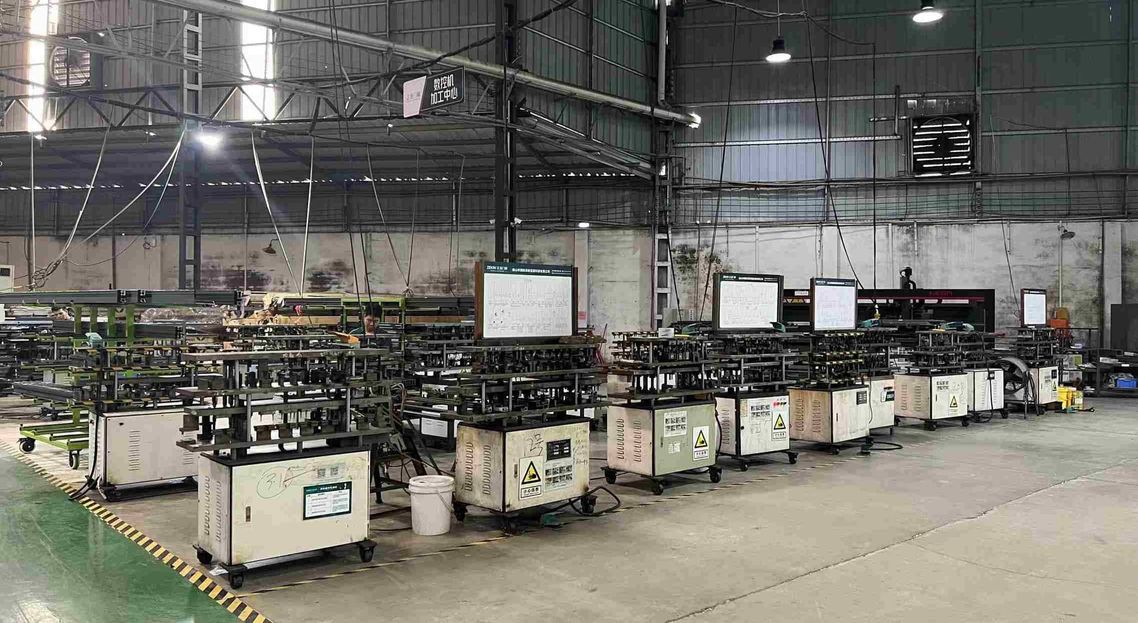
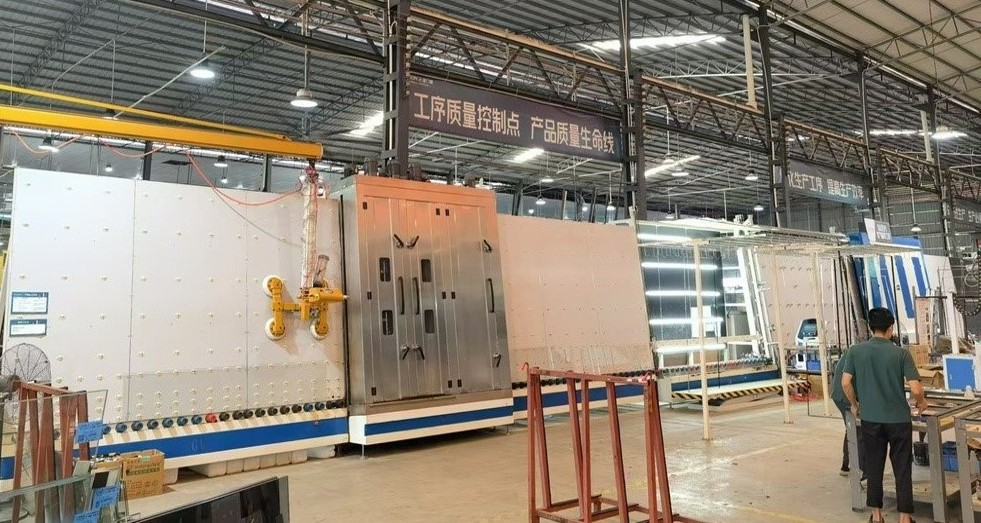
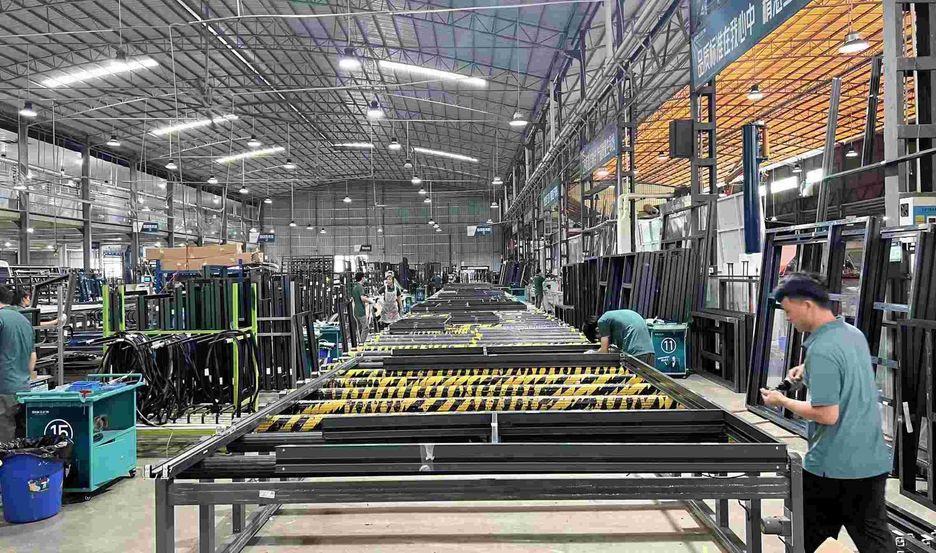
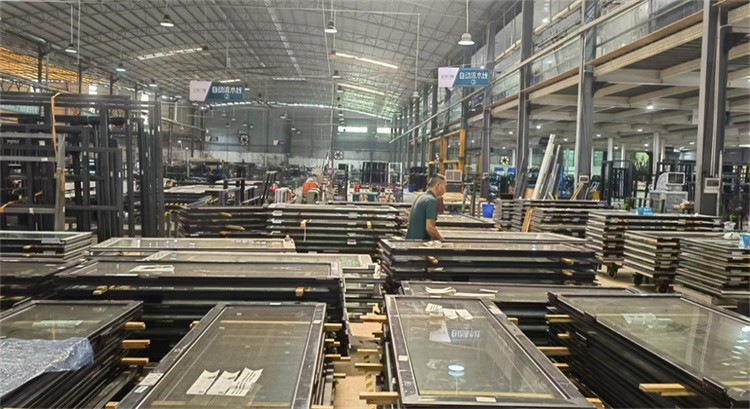
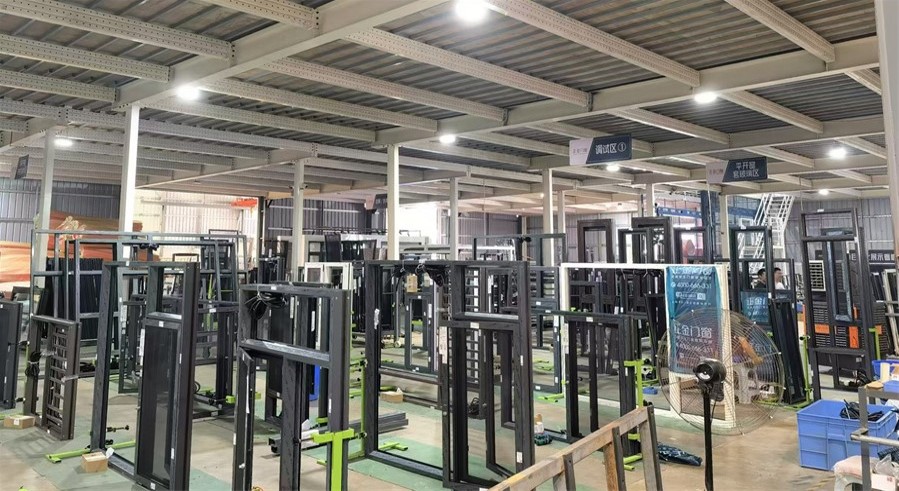
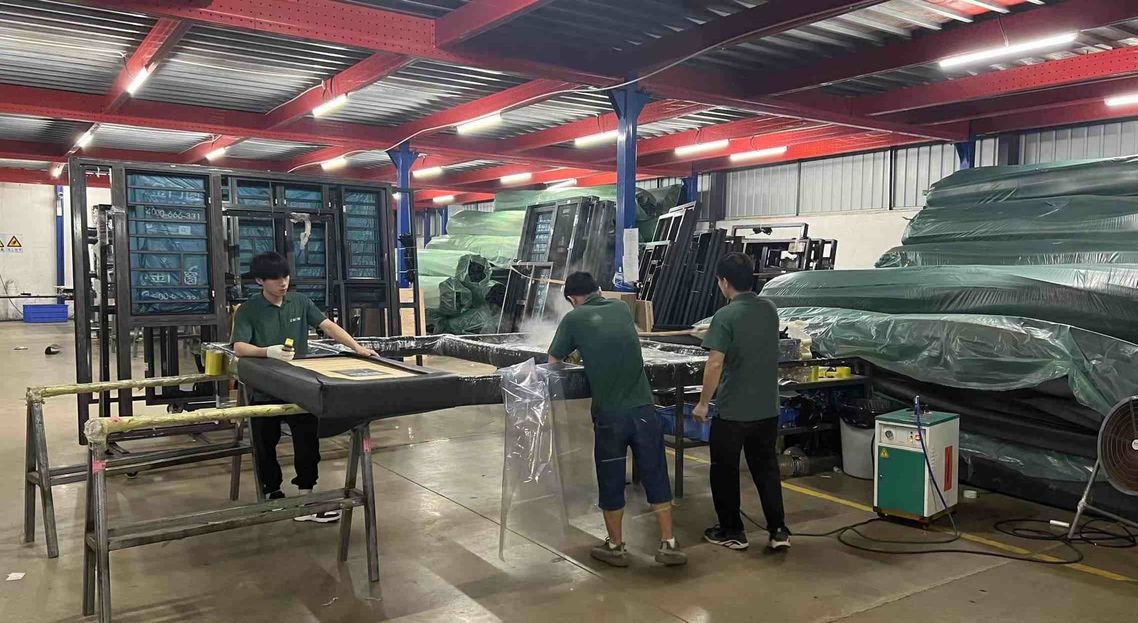
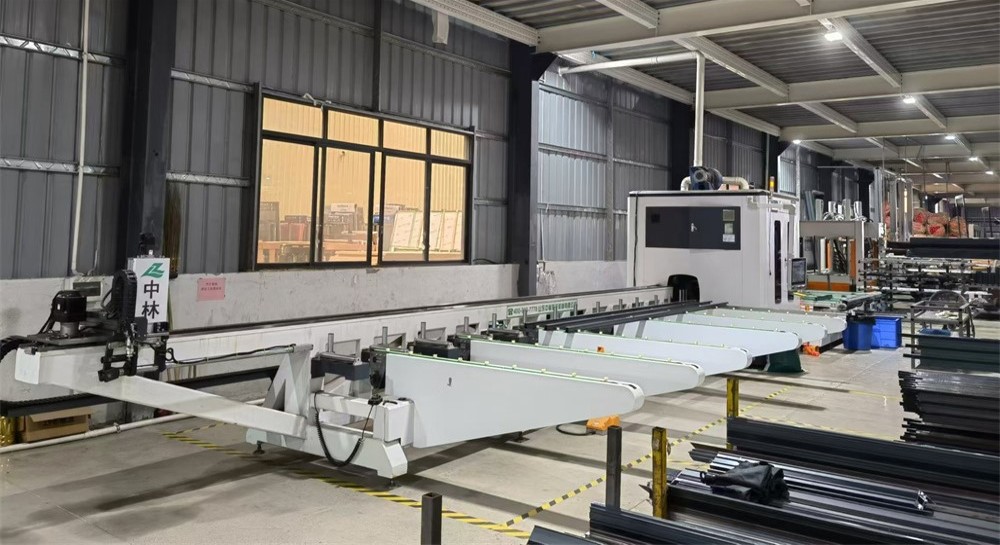
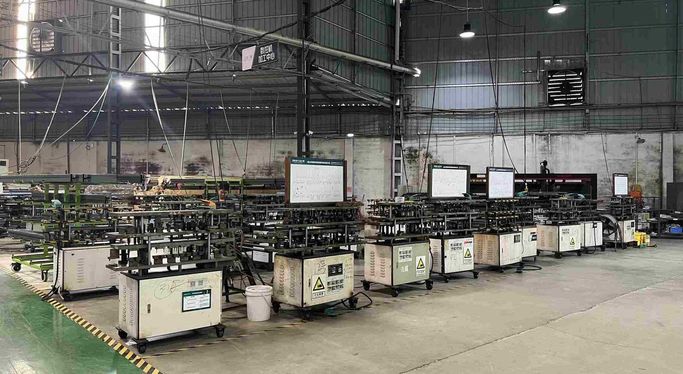
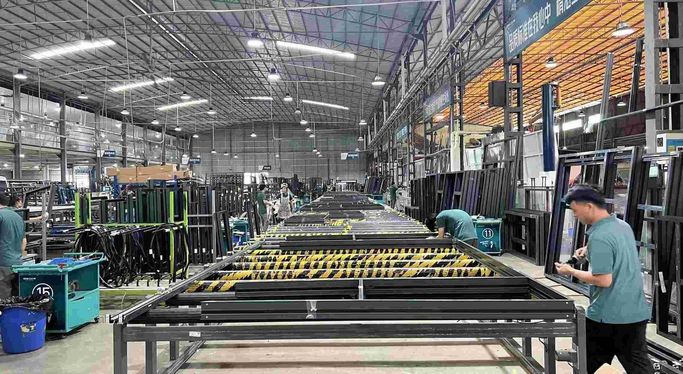
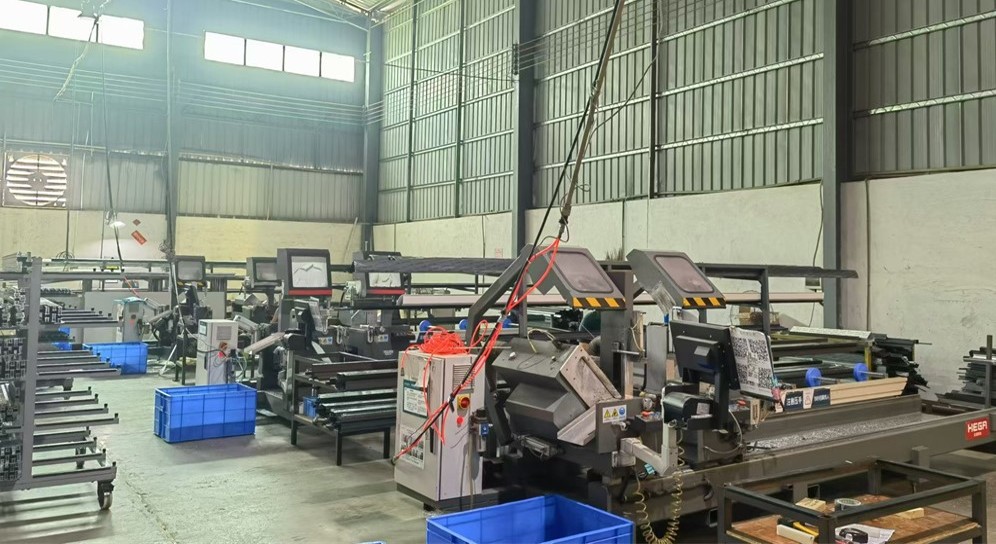
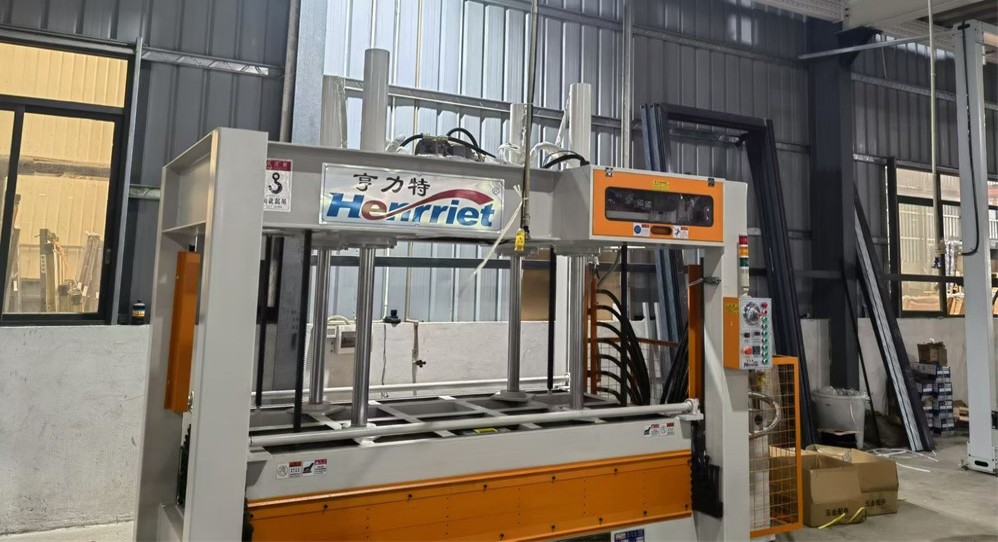
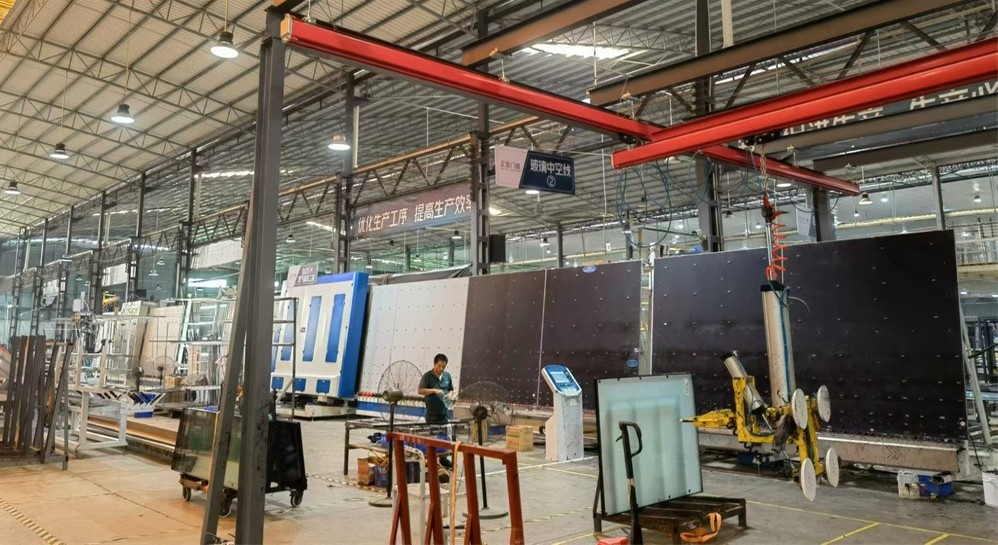
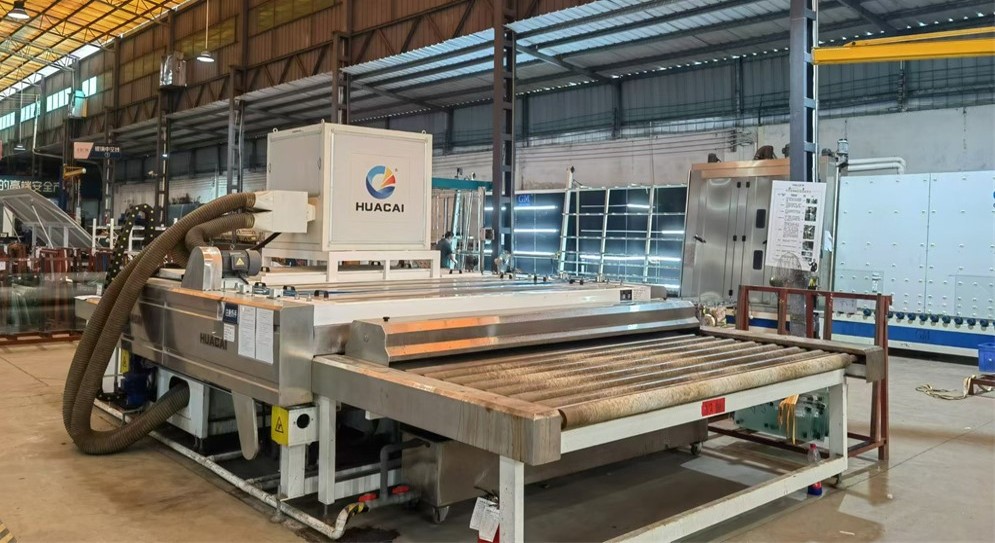
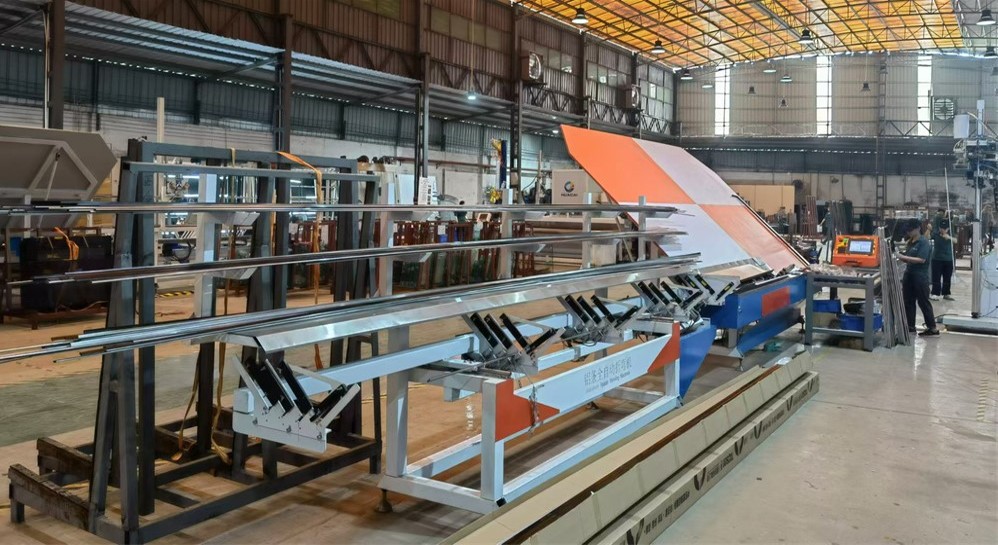
From architectural grade aluminum extrusions to final high-pressure seal debugging, witness our industrial process.
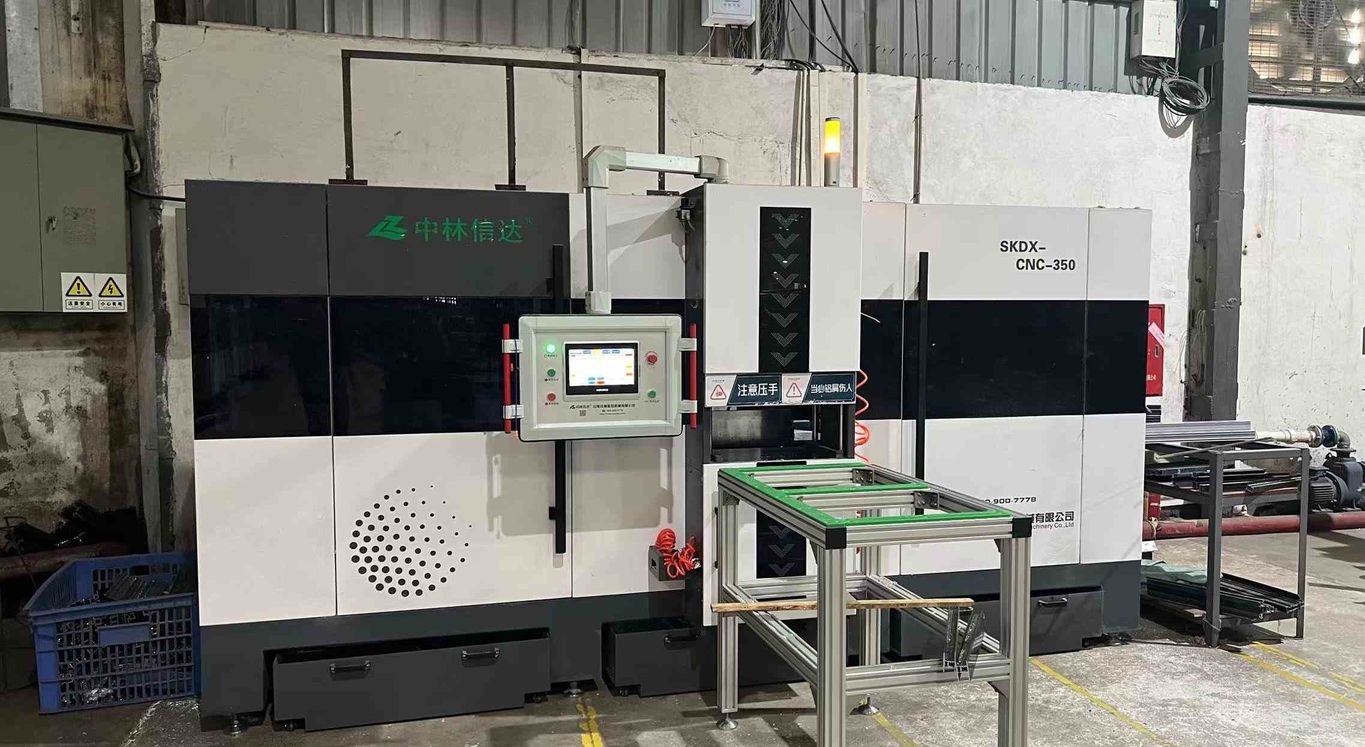
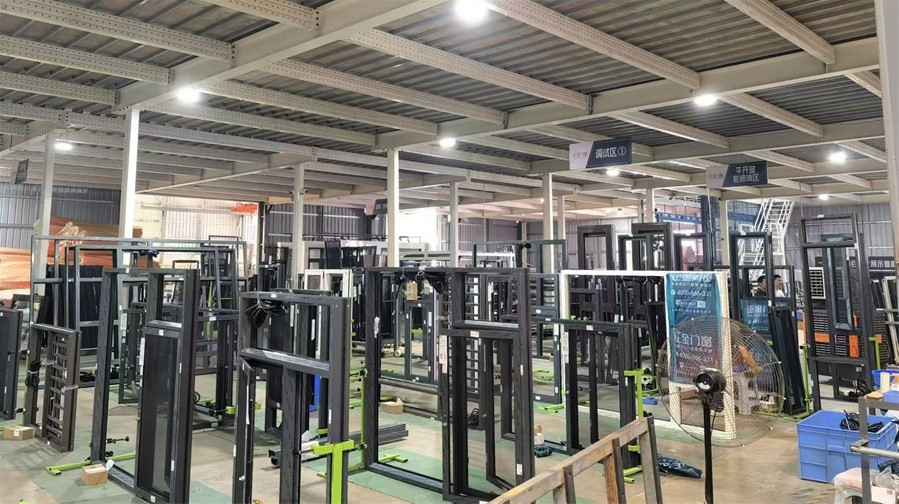
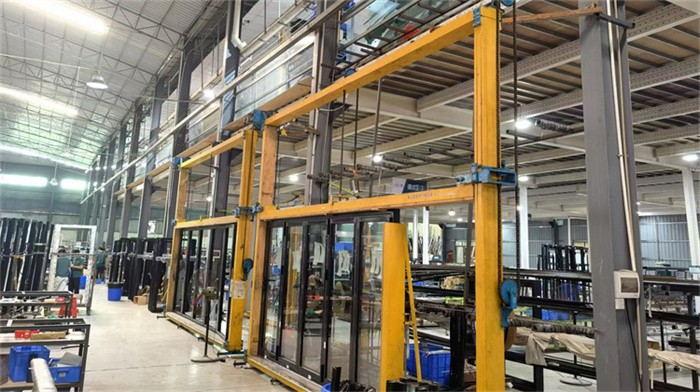
Combining Advanced Metallurgy, Cost Efficiency, Rapid Prototyping, and Global Certification Compliance
China controls over 60% of world architectural aluminum profile extrusions. Veridor leverages an integrated ecosystem of 480+ vetted material suppliers, enabling direct sourcing of T66 grade aluminum alloys, high-durability EPDM polymers, and PVB/SGP interlayers at unbeatable scale economies.
Our products meet and exceed global hurricane standards including Miami-Dade NOA, Florida Product Approval (FPA), Australian AS2047, NFRC energy codes, and Title 24 compliance. Every batch undergoes rigorous quality control to ensure effortless site approval worldwide.
Supported by 28 senior R&D engineers, we transform complex architectural blueprints into certified structural fenestration systems. Custom options include bespoke panel reliefs, smart digital biometrics, extra-wide pivot frames, and marine PVDF surface coatings.
How Modern Engineering Responds to Extreme Global Weather Patterns & Carbon Neutrality Standards
Historically, hurricane-proof doors focused solely on structural impact resistance, sacrificing thermal insulation. Modern architectural trends require entry systems that perform dual functions: resisting extreme wind forces (DP80+) while achieving ultra-low U-factors (< 0.24 BTU/hr-ft²-°F) required for Passive House energy efficiency. Veridor addresses this by integrating Multi-Chamber Thermal Breaks and Low-E Argon-filled triple laminated glass.
Commercial and luxury residential developments demand seamless integration of smart home security. Traditional smart locks failed structural wind load testing due to mortise cavity weakenings. Veridor’s engineering team has pioneered reinforced multi-point electromechanical locks pre-installed within the aluminum core, allowing keyless facial recognition and smart app access without compromising hurricane rating integrity.
Contemporary luxury home designs lean toward maximum glass areas and minimal frame visibility. Achieving structural wind resistance with ultra-slim aluminum sightlines requires ultra-high tensile T66 alloy extrusions and advanced SGP (SentryGlas®) structural interlayers. Veridor’s Big Vision Lift-Sliding and Casement series achieve narrow sightlines while meeting dynamic pressures of up to 4500 Pascals.
Salt fog and high humidity accelerate galvanic corrosion in coastal entry systems. Global procurement specs increasingly mandate AAMA 2605 fluorocarbon (PVDF) electrostatic coatings with salt spray resistance exceeding 3,000 hours. Veridor applies pre-treated conversion layers and premium AkzoNobel powders to prevent blistering, fading, and structural weakening.
From Coastal Luxury Villas in Florida to High-Rise Developments in Southeast Asia & Australia
Specially engineered for Florida, Texas, and Caribbean coastal regions requiring Miami-Dade NOA and Florida Product Approval (FPA) compliance. Features heavy missile impact laminated glass (9mm SGP interlayer) to prevent penetration by airborne storm debris.
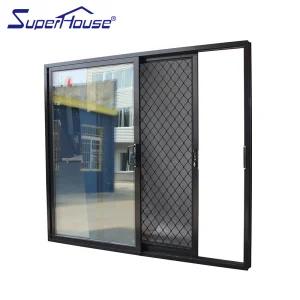
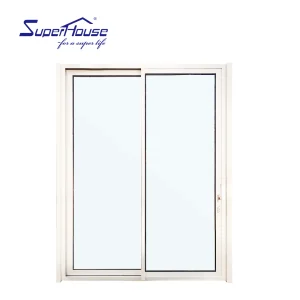
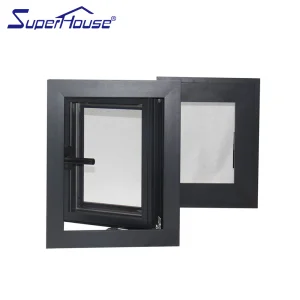
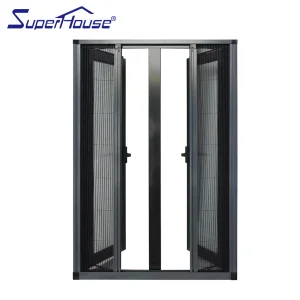
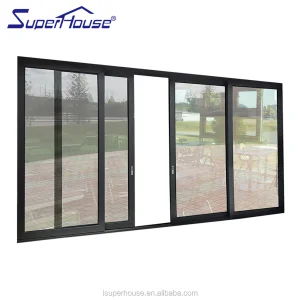
Designed according to AS2047 and AS1288 standards for Australian coastal luxury builds. Incorporates double-glazed thermal break casement and heavy-duty lift-sliding systems with integrated retractable flyscreens to suit severe cyclonic wind regions (W41 / N6).
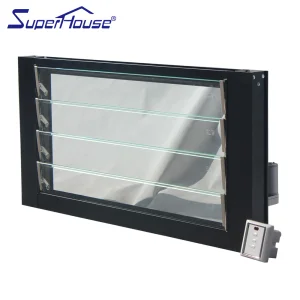
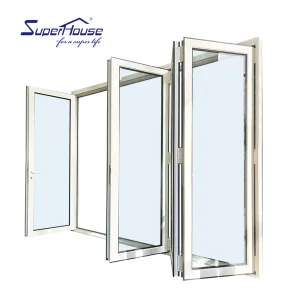
Optimized for high-humidity, monsoon rain zones and island luxury resorts. Features high-performance motorized glass louvers and bi-fold patio systems equipped with marine-grade fluorocarbon surface finishes that withstand constant salt spray exposure.
Key Engineering Criteria for Housing Project Contractors, Importers, and Commercial Specifiers
Ensure the primary extruded frame utilizes 6063-T6 or 6060-T66 architectural grade aluminum with structural wall thickness of no less than 2.0mm for entry doors and heavy sliders, guaranteeing high flexural strength under load.
For high-wind areas, insist on laminated safety glass incorporating SentryGlas® (SGP) or high-viscosity PVB interlayers. Glass must pass Large Missile Impact Test (8 ft-lb impact followed by 9,000 cycles of positive/negative wind pressure).
Standard single-latch systems fail under wind suction. Demand continuous stainless steel (SUS304/316) gear transmission locks that secure the door leaf at a minimum of 5 distinct points around the perimeter frame.
Specify glass-fiber reinforced Polyamide 66 (PA66GF25) thermal strips. This prevents frame warping caused by dramatic indoor-outdoor temperature differentials while substantially reducing energy loss.
Clear, direct answers for architects, buyers, and project managers sourcing wind-resistant door systems.
A wind-resistant door is designed as a total engineered system consisting of heavy-gauge aluminum extrusion profiles (2.0mm+ wall thickness), reinforced structural mullions, laminated impact-resistant glass (using PVB or SGP interlayers), continuous EPDM weather-stripping seals, and multi-point locking hardware. Together, these elements enable the assembly to withstand extreme wind pressure loads (DP50 to DP100+), prevent airborne debris penetration, and reject high-pressure rain infiltration without structural failure.
Yes. Veridor offers comprehensive OEM and ODM customization services. With 28 R&D engineers, we can customize frame widths, threshold heights, panel relief patterns, glass tints, and integrate smart digital/biometric locks. Surface finishes include AAMA 2605 fluorocarbon (PVDF) powder coating, marine-grade anodizing, and wood grain thermal transfer finishes designed for harsh coastal salt spray environments.
Veridor products are tested and certified to leading global standards, including Miami-Dade County NOA (Notice of Acceptance), Florida Product Approval (FPA) for High-Velocity Hurricane Zones (HVHZ), Australian AS2047 / AS1288 standards, NFRC thermal performance ratings, Title 24 compliance, and Energy Star certifications.
Our 19,000 m² factory operates under an ISO9001-certified management system. A dedicated team of 22 quality inspectors conducts rigorous testing at every manufacturing stage—including raw material spectrometer testing, CNC cutting precision verification, IP65 seal checks, hydrostatic water chamber testing, and manual frame alignment debugging before packaging in export-grade steel-reinforced crates.
Standard manufacturing lead time is approximately 25 to 35 business days from final shop drawing approval. For complex custom architectural projects or bulk container shipments, lead times are scheduled according to project milestones with complete progress tracking provided by our dedicated export team.
Explore our complete catalog of certified impact-rated casements, tilt & turns, bifolds, and sliding systems.
 Veridor