Explore our certified architectural solutions engineered for extreme structural wind loads, salt-spray corrosion resistance, and maximum thermal performance.
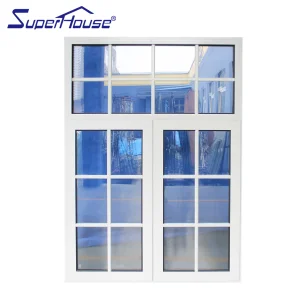
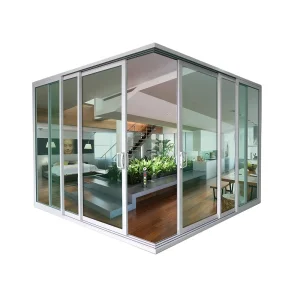
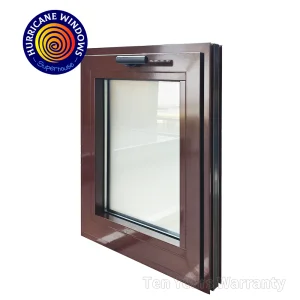
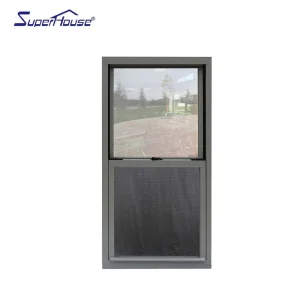
Coastal regions represent the most demanding envelope environments in contemporary architectural engineering. Modern beachfront residential developments, luxury coastal resorts, and waterfront commercial structures face an extreme convergence of environmental stressors: severe wind-driven rain, continuous high-velocity atmospheric pressure differentials, aggressive airborne salt-fog (sodium chloride aerosol exposure), and intense ultraviolet radiation. As real estate developments proliferate across coastal belts in North America, Oceania, the Caribbean, and Southeast Asia, procurement specifications for exterior fenestration systems have shifted permanently toward high-performance coastal aluminum entry doors.
Historically, traditional building envelopes relied on timber, structural steel, or standard non-thermal uPVC. However, these materials demonstrate compounding failure modes under coastal conditions. Timber suffers from moisture absorption leading to dimensional instability, warping, and fungal rot. Standard carbon steel undergoes rapid galvanic corrosion upon exposure to airborne chlorides. Basic uPVC systems lack the structural modulus required to withstand high-velocity hurricane zones (HVHZ) wind-load dynamics. Consequently, architects, structural engineers, and global commercial project contractors now overwhelmingly specify premium architectural-grade 6063-T6 marine aluminum alloy structural systems engineered with advanced polyamide thermal break technology.
Global insurance mandates and stringent building codes (such as Florida’s High Velocity Hurricane Zone requirements, Australia’s AS2047, and international energy codes) require structural doors capable of enduring cyclic pressure loads exceeding 5,000 Pascals and direct impact from wind-borne debris.
Standard powder coatings fail rapidly under marine salt spray. Advanced coastal entry doors utilize 70% Fluorocarbon PVDF resin coatings compliant with AAMA 2605 specifications, delivering over 3,000+ hours of continuous salt spray (ASTM B117) resistance without gloss loss or chalking.
Modern commercial and residential procurement demands pre-engineered integration of heavy-duty German multi-point locking hardware, smart digital access controls, and IP65 motorized automation for seamless architectural operational security.
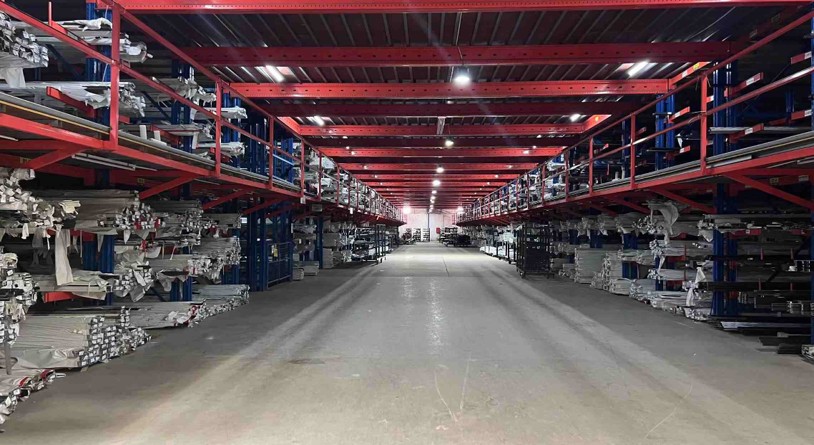
To achieve operational longevity in high-salinity marine air, the raw material extrusion must adhere to rigid metallurgical standards. China's top exporters of coastal entry doors utilize high-tensile 6063-T6 aluminum extrusion profiles. The T6 heat treatment process involves solution heat treating followed by artificial aging, yielding an ultimate tensile strength of ≥ 205 MPa and yield strength of ≥ 180 MPa. This rigid structural frame prevents micro-deflection under intense wind loads, preserving air and water tightness over decades.
Aluminum inherently exhibits high thermal conductivity. To meet stringent North American NFRC and European Energy Star thermal efficiency requirements, premium coastal entrance systems integrate Technoform poly-amide (PA66 GF25) reinforced thermal break strips. This dual-extrusion thermal barrier separates inner and outer aluminum profiles, dramatically lowering the overall U-factor ($U \le 0.28 \text{ BTU/h}\cdot\text{ft}^2\cdot^\circ\text{F}$) and preventing interior condensation in tropical or air-conditioned coastal climates.
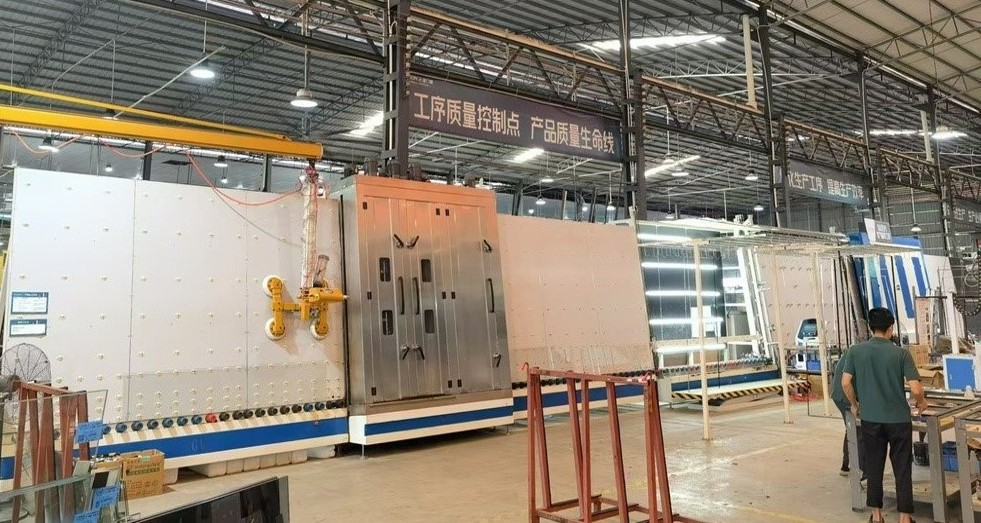
Coastal entrance systems require structural glass matrices engineered to withstand cyclic wind pressures and high-velocity windborne debris impact (e.g., 9-lb 2x4 timber shot at 50 ft/s per ASTM E1996 standards). Double and triple insulated laminated unit builds are standard configuration across luxury coastal portals:
Established in 2013, Veridor Door Technologies Co., Ltd. operates a streamlined 19,000 m² modern smart production hub dedicated to high-end architectural residential and commercial entrance systems. Armed with 11 years of deep industry manufacturing experience and 5 years of active global trade experience, Veridor generates over $11 million in annual export revenue, directly serving premier real estate developers, building material importers, housing contractors, and door distributors across North America, Oceania, and Southeast Asia.
Veridor collaborates with over 480 vetted hardware and raw material suppliers globally to guarantee component precision and raw material purity. A dedicated quality control team of 22 inspectors executes rigorous IP65 weather-seal checks, coating adhesion cross-hatch testing, marine salt spray verification, and meticulous manual final assembly checks. Driven by modern architectural aesthetics, our 28 R&D engineers successfully released 65 new entry door models last year. Customization capabilities range from deep panel relief laser patterns and smart digital lock pre-installations to custom frame depth configurations and marine-grade anti-scratch surface treatments.
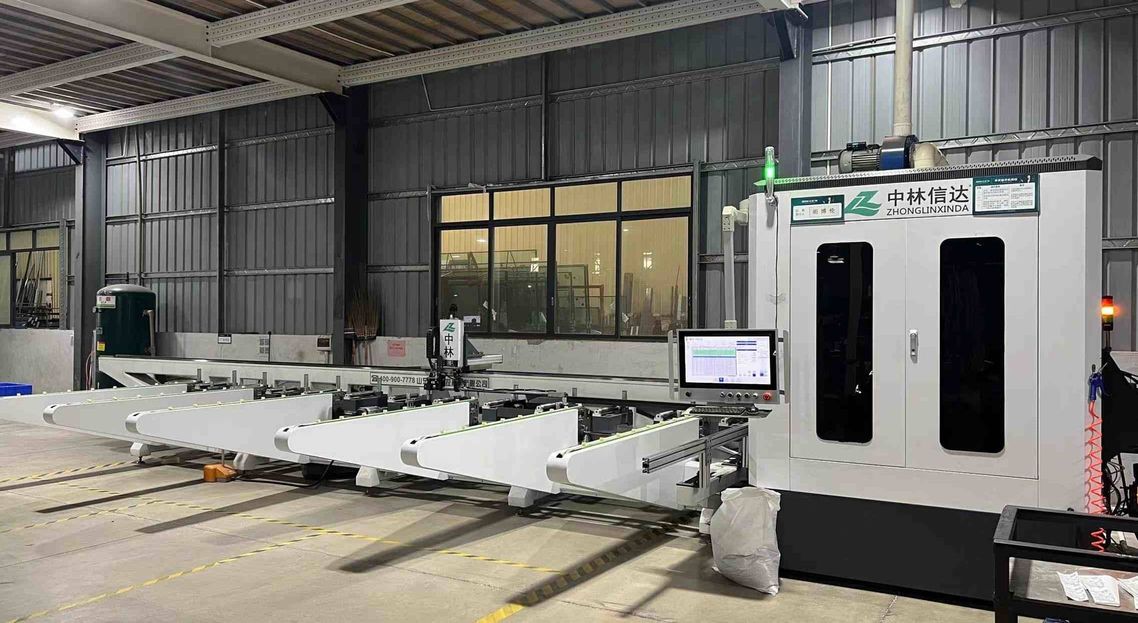
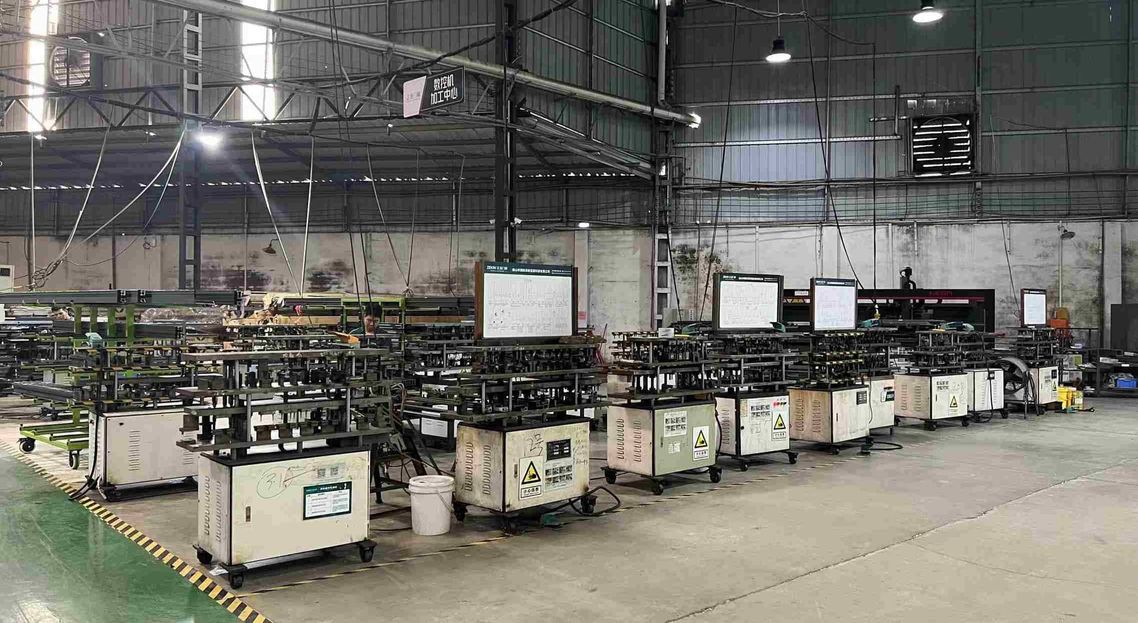
Every door system undergoes rigorous automated machining steps inside our digital factory matrix. Explore our step-by-step production apparatus below:
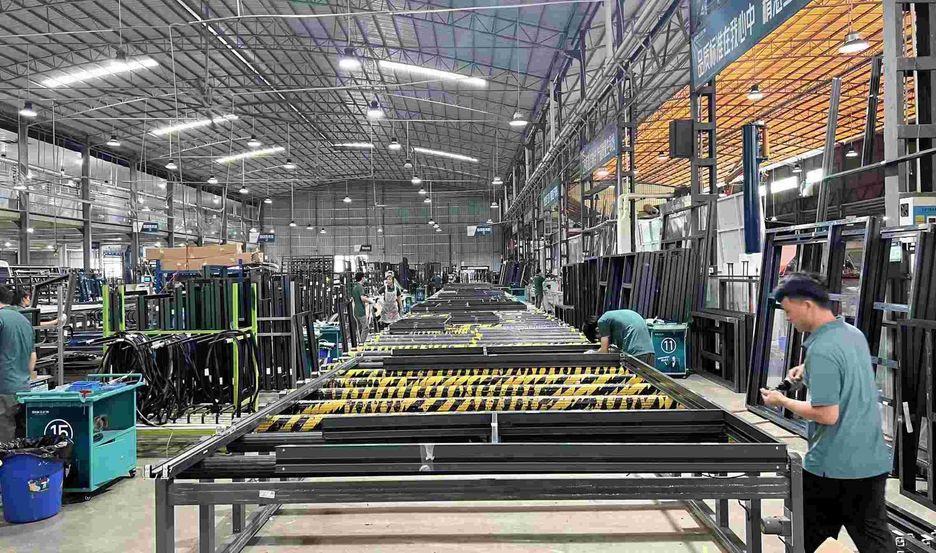
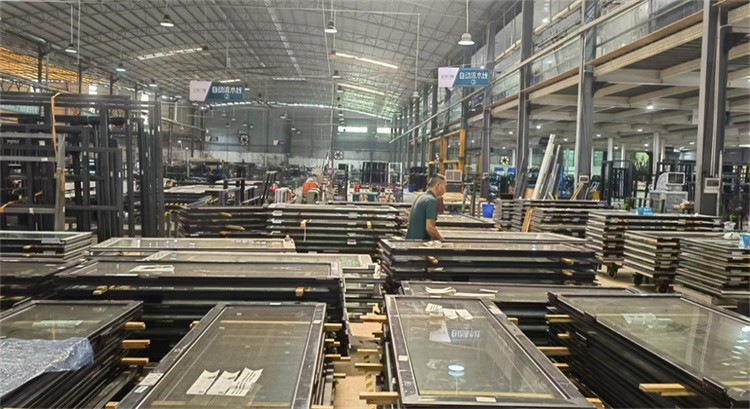
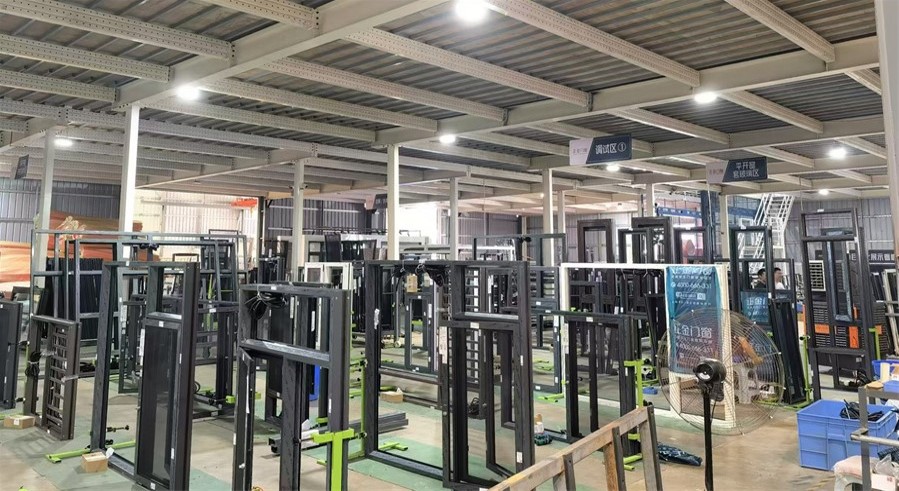
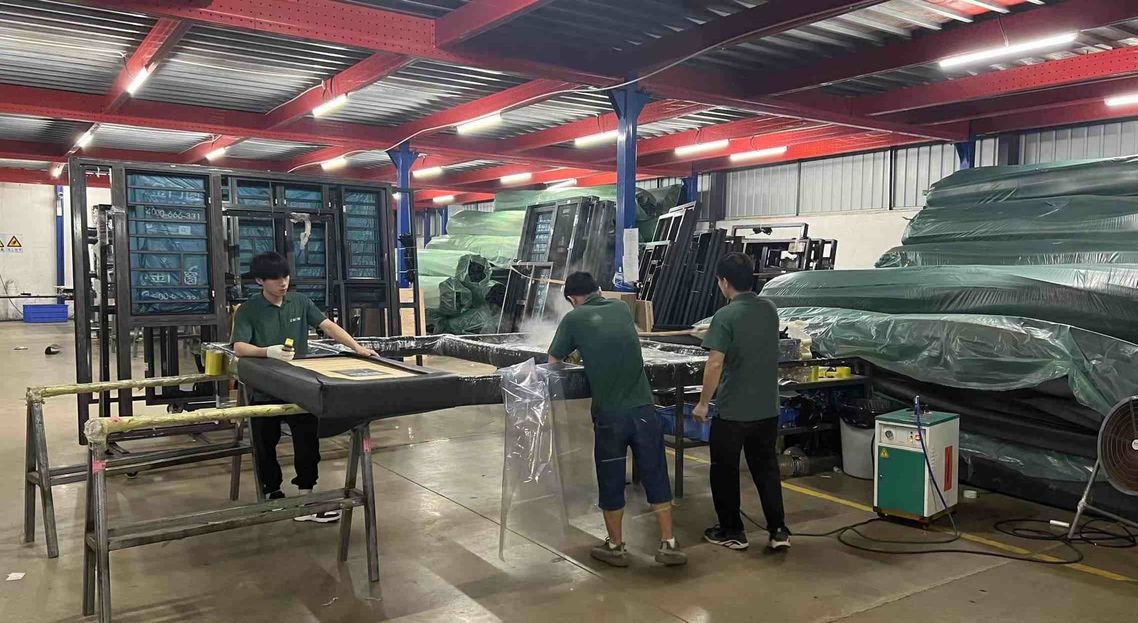
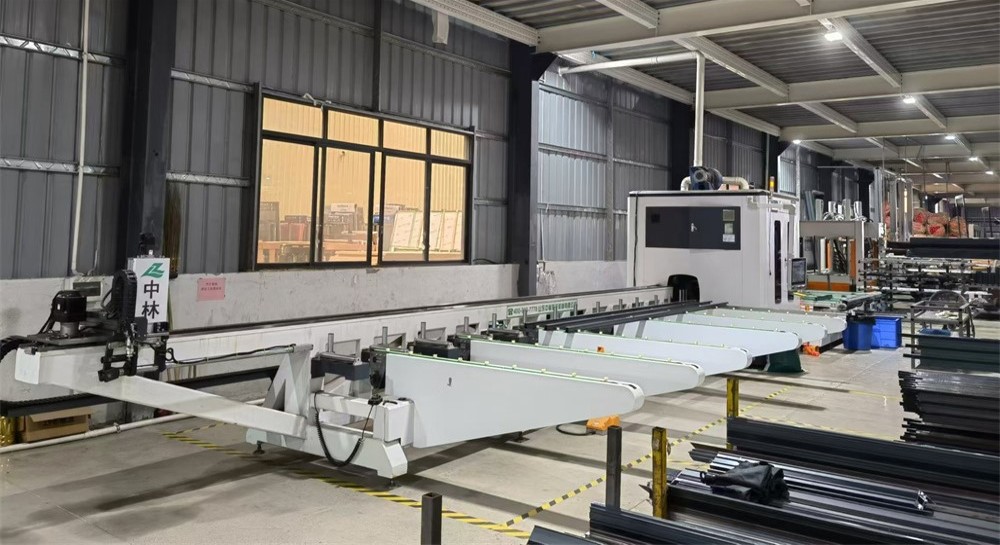
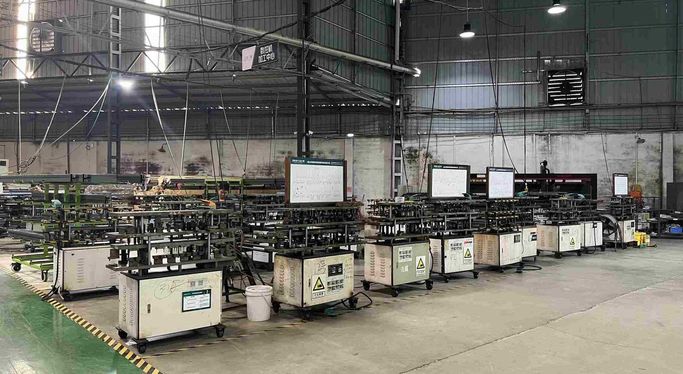
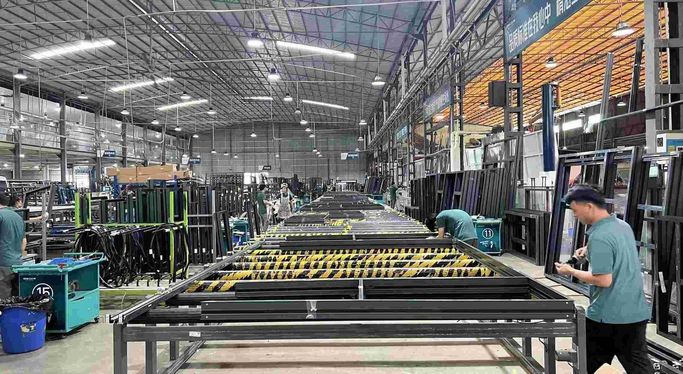
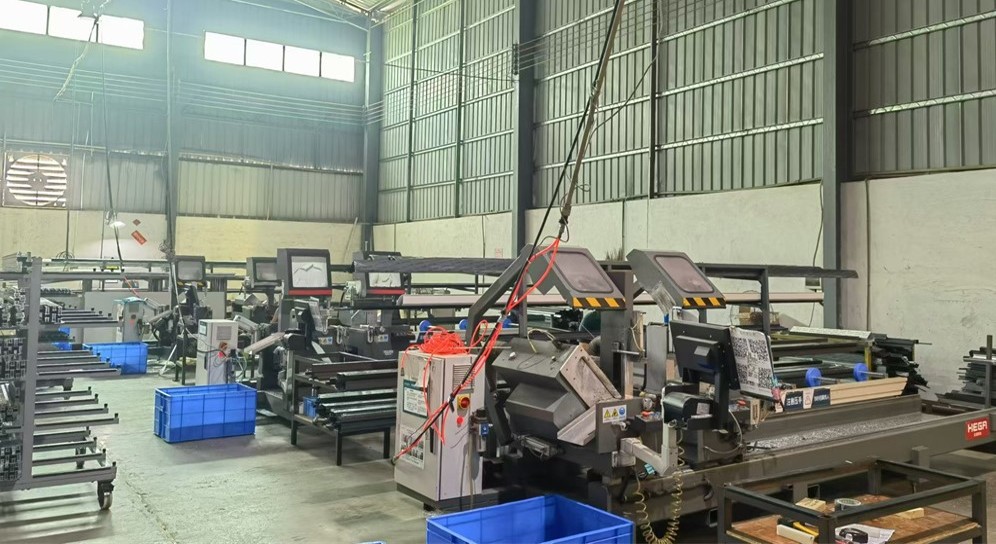
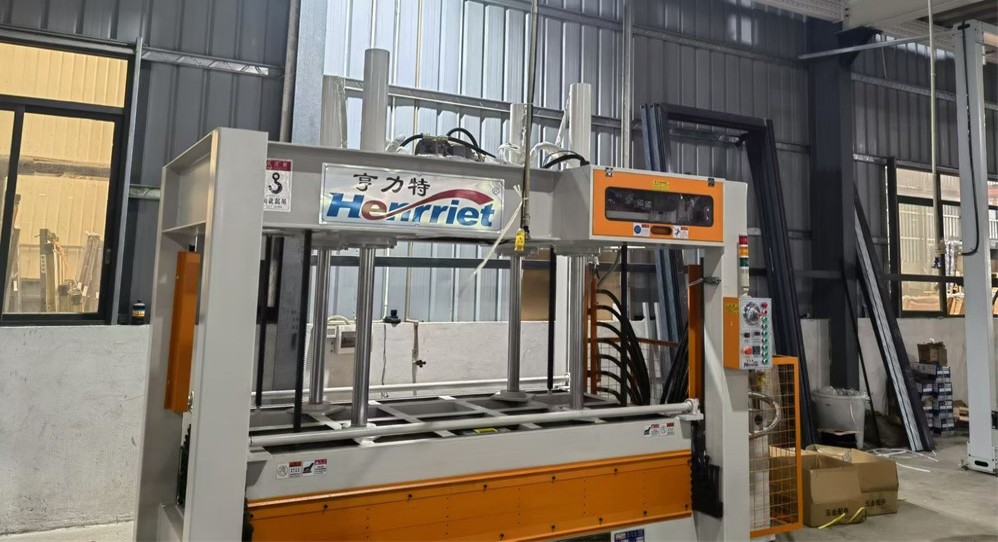
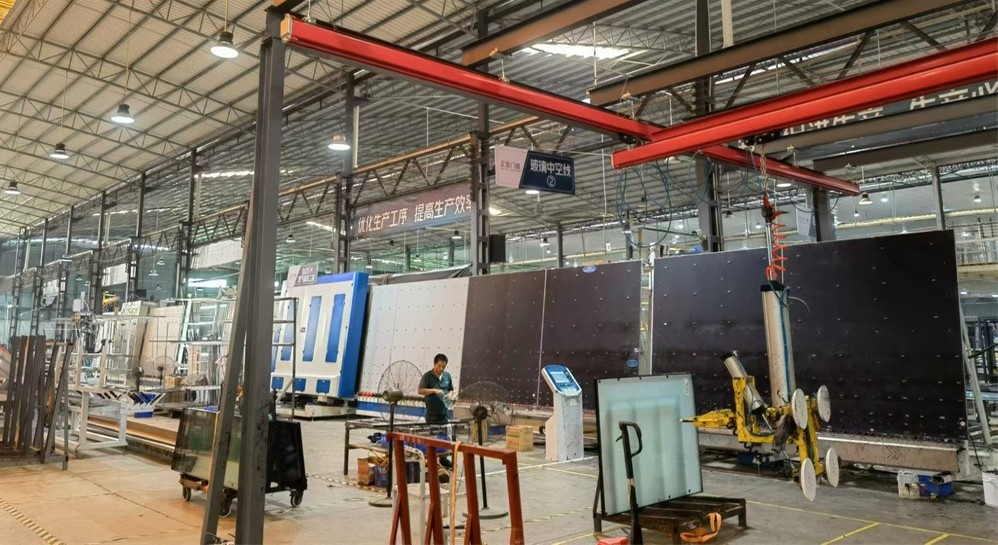
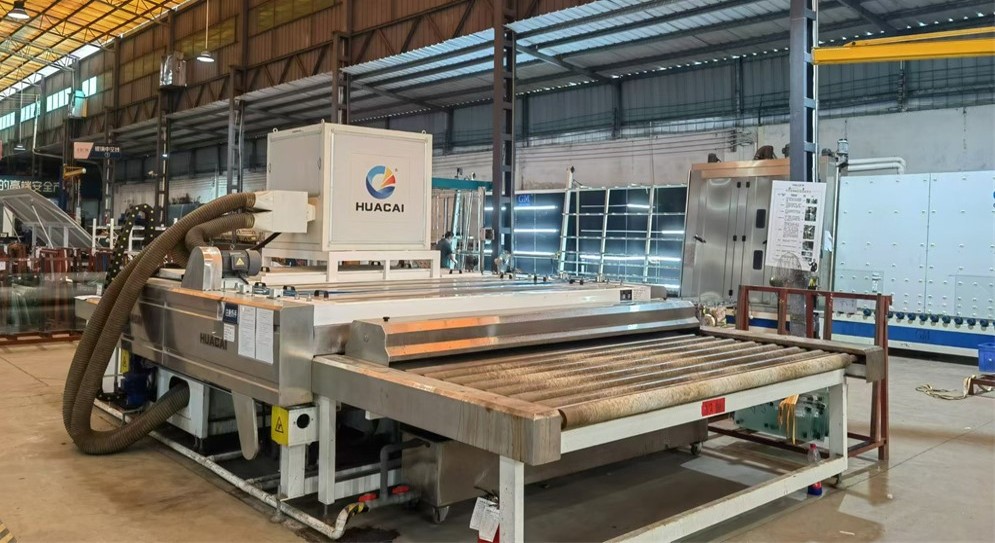
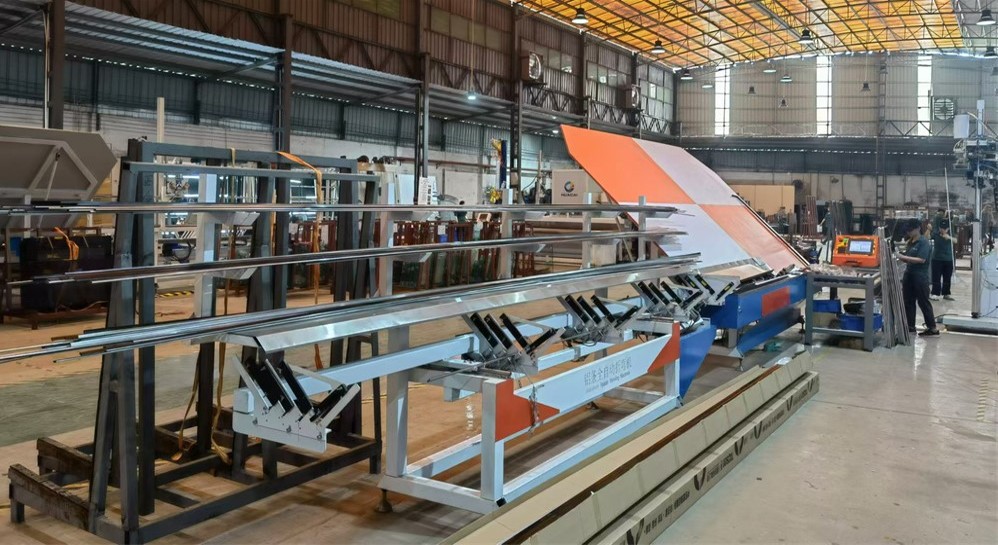
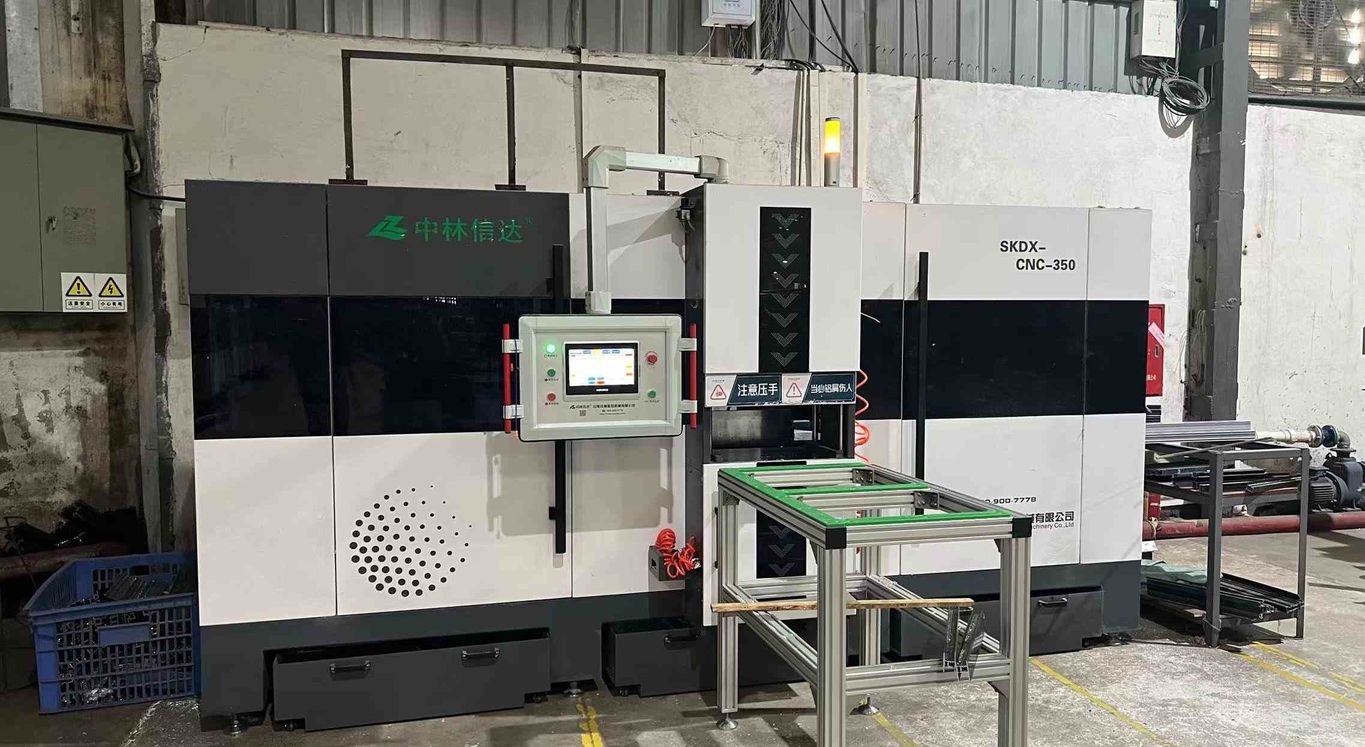
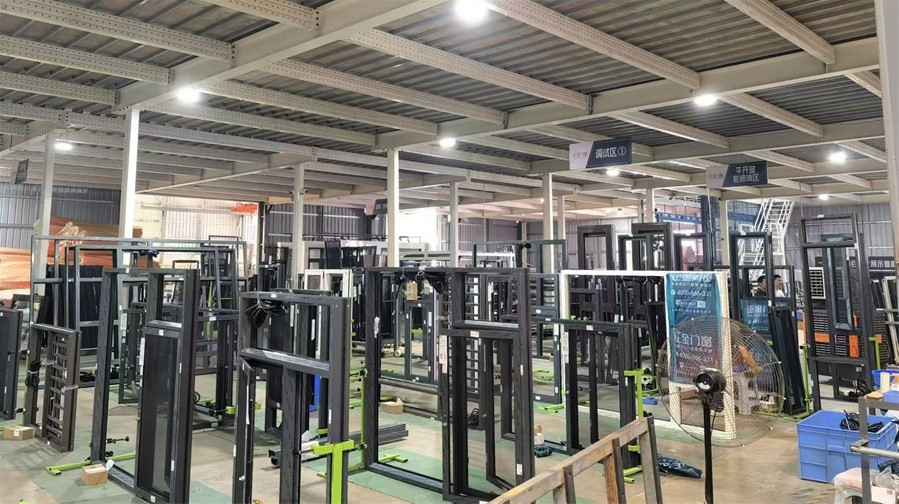
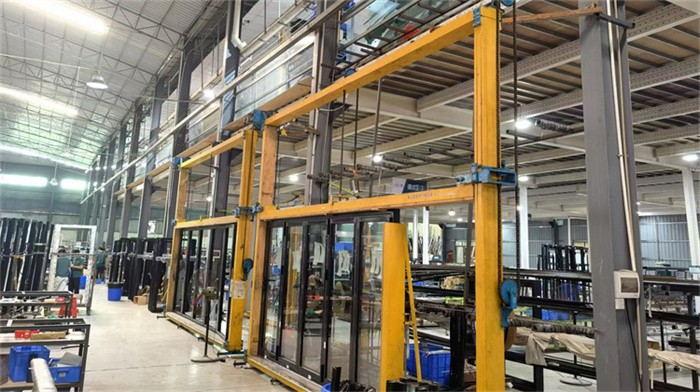
International commercial project developers and fenestration importers face distinct regional regulatory landscapes and climate challenges. Chinese specialized entry door exporters bridge the gap between architectural aesthetic ambition and rigid localized engineering compliance. Below are the primary deployment matrices across target export markets:
Regulatory Drivers: Florida Building Code (FBC), Miami-Dade NOA, NFRC thermal standards, Energy Star certification.
Application: Luxury oceanfront villas, coastal condominium complexes, and resort entryways requiring extreme hurricane impact resistance (HVHZ) paired with low solar heat gain coefficients (SHGC ≤ 0.22).
Regulatory Drivers: AS2047 (Windows and doors in buildings), AS1288 (Glass in buildings), Bushfire Attack Level (BAL) standards.
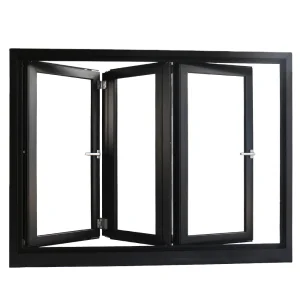
Application: Waterfront architectural residences along Queensland and NSW coasts requiring marine-grade anodized or powder-coated bi-folding entrance systems with integrated stainless steel flyscreens.
Regulatory Drivers: High water penetration tightness (ASTM E331), wind pressure resistance (≥ 4.0 kPa).
Application: Commercial hotel storefronts, tropical high-rise residential towers, and island developments facing monsoon season wind-driven downpours and high relative ambient humidity.
The T6 heat-treatment temper involves artificial aging at elevated temperatures after solid solution treatment, increasing the yield strength by over 30% compared to T5. In high-velocity hurricane coastal zones, the added tensile yield strength of 6063-T6 prevents frame twisting or permanent structural deflection when subject to severe cyclic wind pressure loads.
Polyvinylidene Fluoride (PVDF) coatings containing 70% fluorocarbon resin (compliant with AAMA 2605) create an extraordinarily dense carbon-fluorine bond structure. This chemically inert barrier prevents chloride ions in ocean aerosols from penetrating to the underlying aluminum substrate, surviving 3,000 to 5,000 hours of continuous salt spray testing under ASTM B117 without blistering, cracking, or color fading.
For North America, key certifications include NFRC (National Fenestration Rating Council) for U-factor and SHGC performance, Miami-Dade NOA (Notice of Acceptance) or Florida Product Approval (FPA) for hurricane impact resistance, and AAMA specifications for surface finishes. For Oceania (Australia/New Zealand), compliance with AS2047 (structural, air, and water testing) and AS1288 (safety glazing) is mandatory.
Veridor engineered a multi-chambered profile design utilizing continuous EPDM (Ethylene Propylene Diene Monomer) gasket seals combined with internal dual-stage drainage channels. Equalized pressure chambers prevent water from being sucked inward during severe atmospheric pressure drops, passing water resistance pressure tests up to 700 Pascals (IP65 standard compliance).
Yes. Veridor's 28 R&D engineers pre-machine lock mortises with high-precision CNC end milling equipment. We pre-install or pre-engineer frames for multi-point biometric fingerprint scanners, RFID card access, keypad entries, and motorized automatic operators, integrating seamlessly with high-security German hardware like Siegenia, GU, or Roto.
All door units undergo multi-layer seaworthy export packaging: 1) Protective anti-scratch film on aluminum profiles, 2) Shock-absorbing EPE foam corner guards, 3) Moisture-resistant shrink wrapping, and 4) Fully enclosed fumigated plywood crates with internal desiccant packs to eliminate humidity accumulation inside shipping containers.
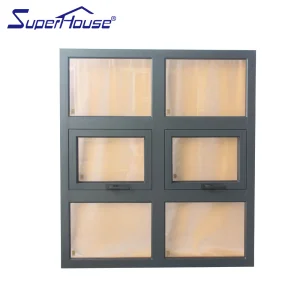
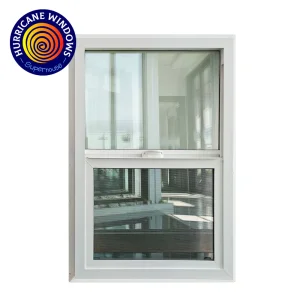
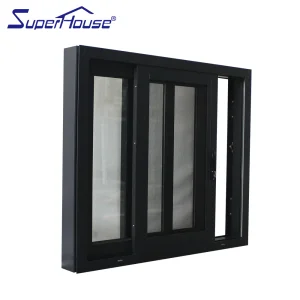
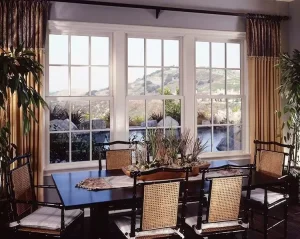
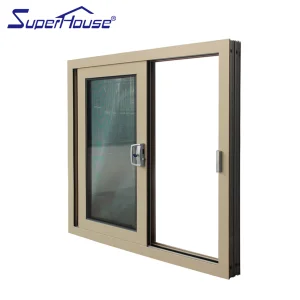
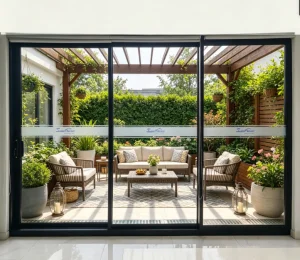
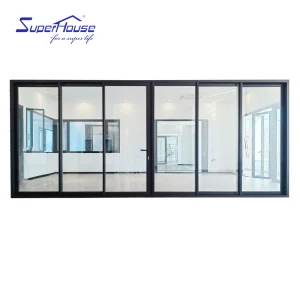
Browse our full range of certified high-performance sliding, stacker, awning, and bi-folding entrance systems.
 Veridor