Architectural-Grade Structural Aluminum & Thermal Steel Entrance Systems Engineered for Global Commercial, Residential, and High-Load Infrastructure Applications.
High-performance thermal break doors, impact-resistant windows, and commercial entrance solutions tested to rigorous international standards.
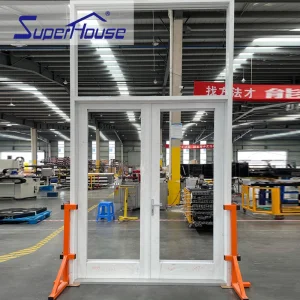
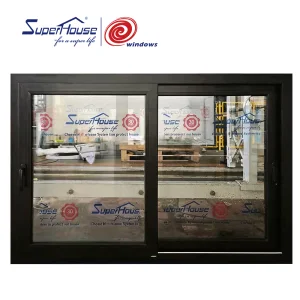
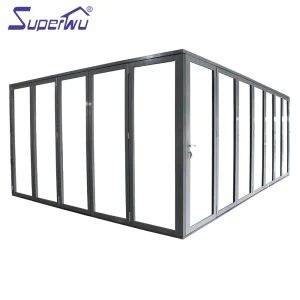
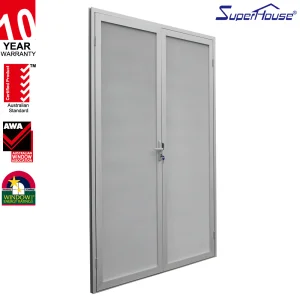
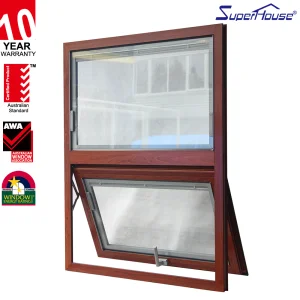
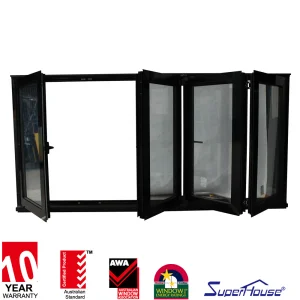
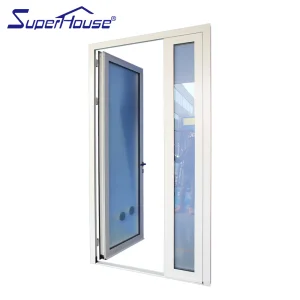
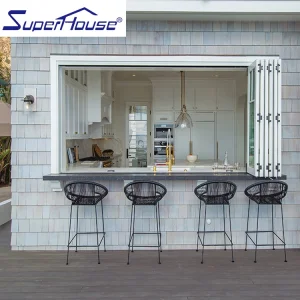
Analyzing structural performance parameters, energy efficiency frameworks, and certification benchmarks governing high-traffic double entry door exports worldwide.
In the contemporary global fenestration and structural envelope industry, double entry door assemblies have evolved from simple architectural access points into sophisticated, multi-functional building envelope components. The global demand for CE Certified Double Entry Doors is driven by stringent international energy efficiency mandates, rigorous structural wind load regulations, and an increasing emphasis on commercial and residential building security. As global urban density increases and extreme weather events become more frequent, structural engineers, commercial developers, and door importers require verified structural integrity backed by standardized testing protocol.
CE certification for double entry door systems is governed under the European Construction Products Regulation (CPR 305/2011) and harmonized standard EN 14351-1:2006+A2:2016. To carry a legitimate CE mark for exterior entrance doors, manufacturers must demonstrate accredited third-party Initial Type Testing (ITT) covering: Air Permeability (EN 12207), Water Tightness (EN 12208), Resistance to Wind Load (EN 12210), and Thermal Transmittance (EN ISO 10077-1/-2). Compliance guarantees structural deflection limits under extreme wind forces, prevents unmanaged air infiltration, and optimizes the thermal envelope performance.
Double entry doors present unique structural engineering challenges compared to single-leaf doors. The primary vulnerability lies in the meeting stile—the central junction where the primary active leaf and secondary passive leaf interlock. Without precision engineering, thermal bridging, air leakage, and mechanical deflection can compromise the entry system. Professional B2B manufacturers employ continuous multi-point locking rods, dual EPDM quad-fin seals, and internal aluminum extruded reinforcements to achieve maximum load resistance and seal compression.
Veridor Door Technologies Co., Ltd. combines rigorous quality control systems with massive export infrastructure to support global contractors and distributors.
Established in 2013, Veridor Door Technologies Co., Ltd. operates a streamlined 19,000 m² production hub dedicated to contemporary residential entry doors and commercial fenestration systems. With 11 years of deep industry experience and 5 years of active foreign trade experience, the firm generates $11 million in annual export revenue. Veridor strategically targets fast-growing architectural markets in Oceania, Southeast Asia, and North America, directly supplying major door importers, housing project contractors, structural engineers, and online commercial distributors.
Veridor collaborates with over 480 vetted hardware and material suppliers to ensure absolute product precision across every component—from thermal break extrusions to multi-point mortise locks. A dedicated quality control team of 22 inspectors executes rigorous IP65 weather-seal checks, surface coating adhesion testing (cross-hatch adhesion ASTM D3359), and full manual assembly inspections. Guided by modern architectural design trends, 28 R&D engineers developed 65 new entry door models last year alone. Advanced customization capabilities include custom panel relief patterns, smart digital lock pre-installations, custom frame widths, and anti-scratch marine-grade surface treatments tailored for harsh coastal environments.
8-stage quality assurance system ensuring structural longevity, weather sealing, and absolute dimensional stability.
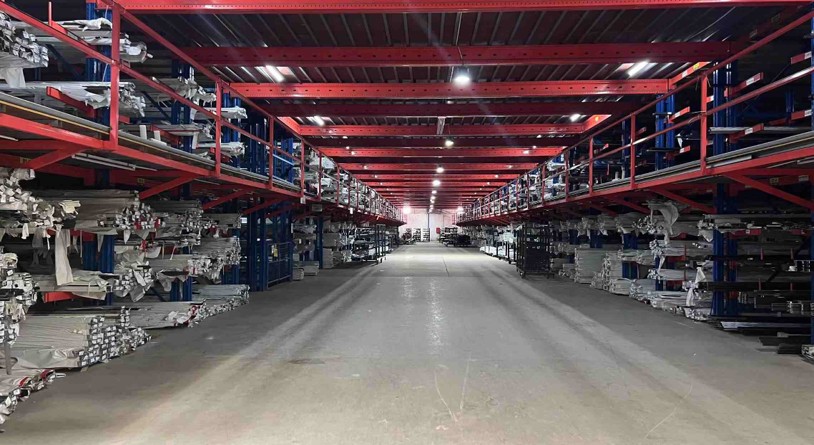
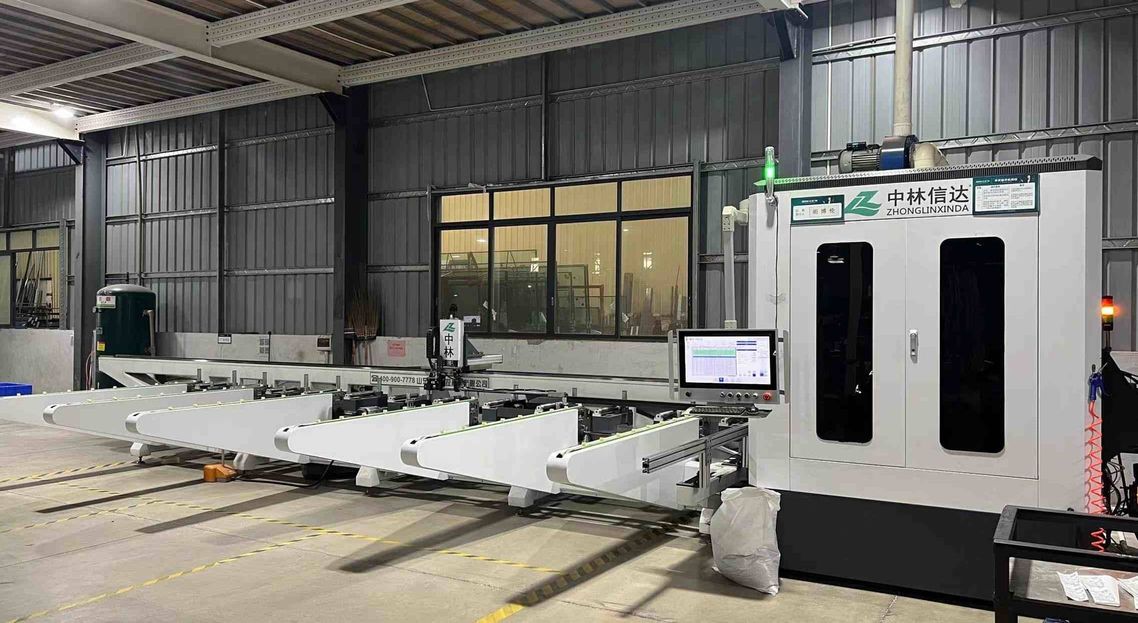
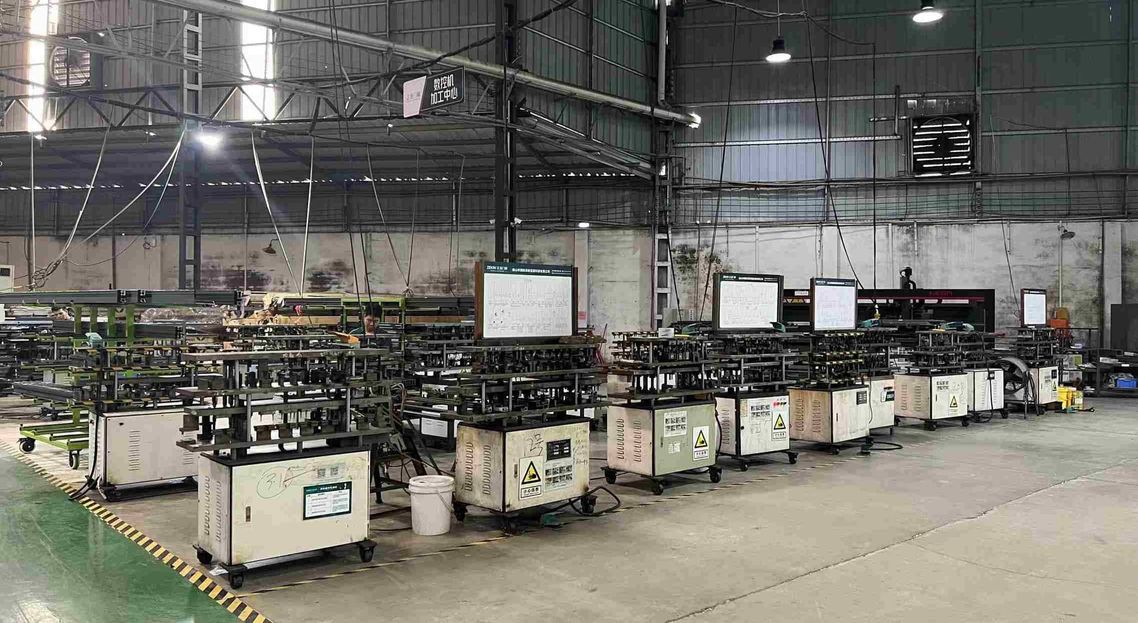
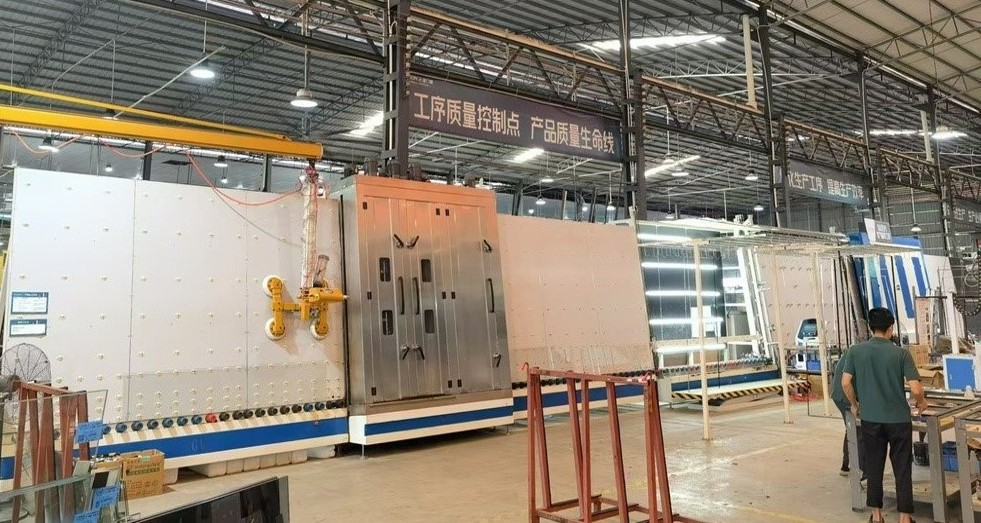
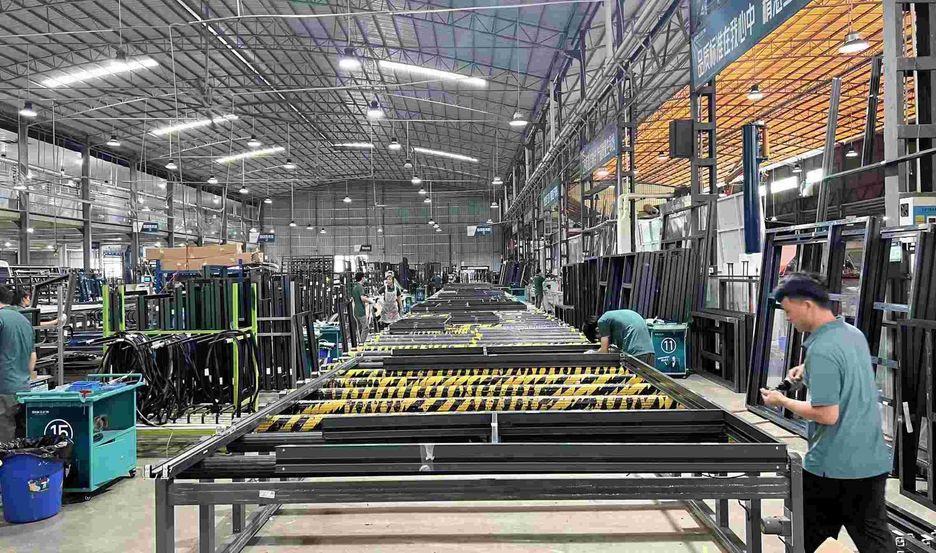
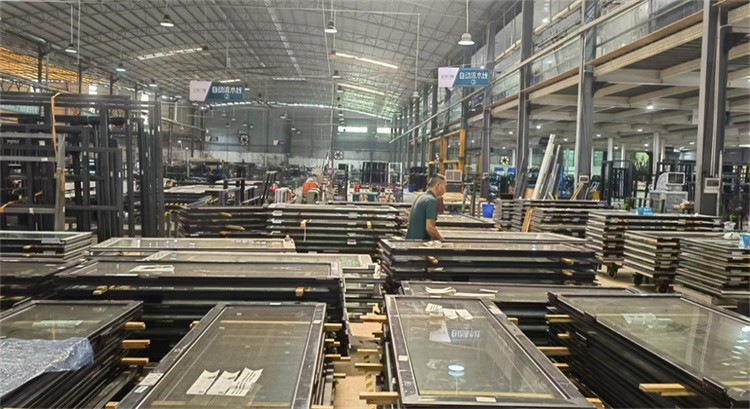
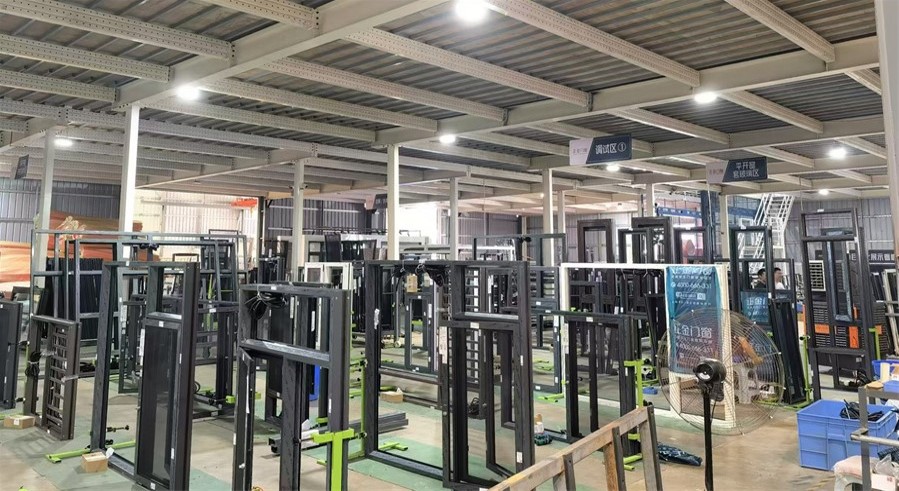
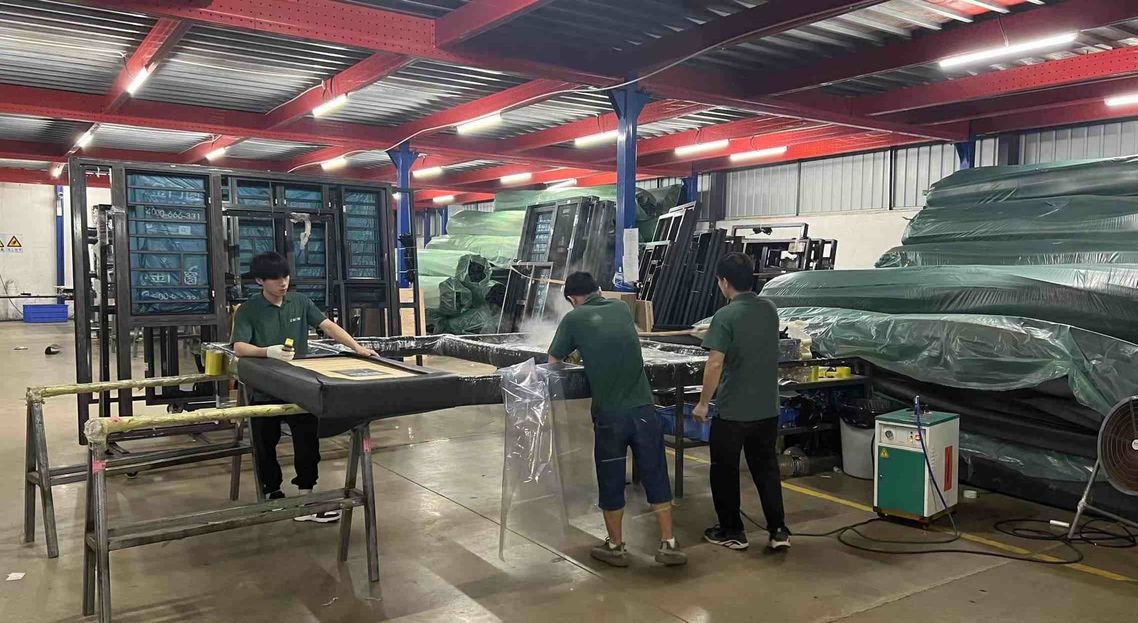
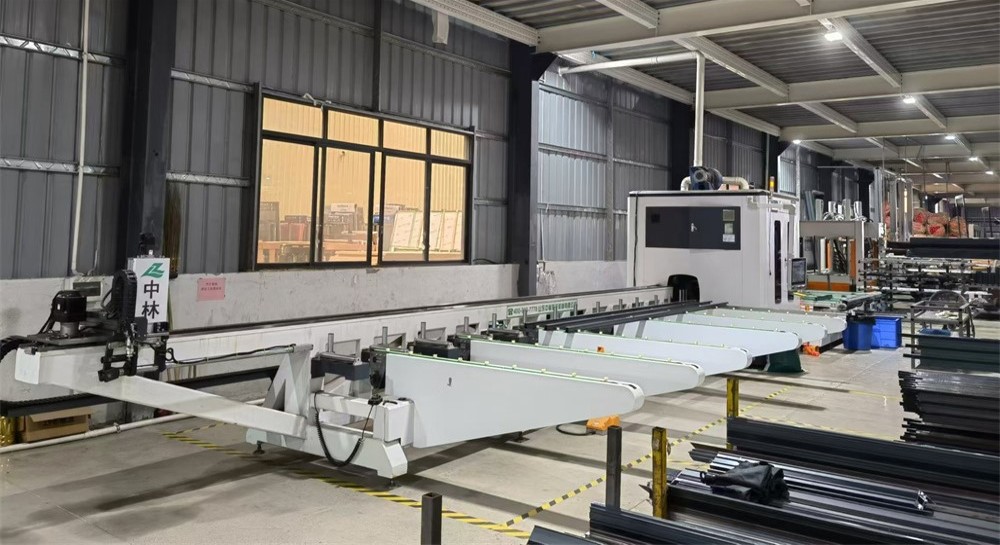
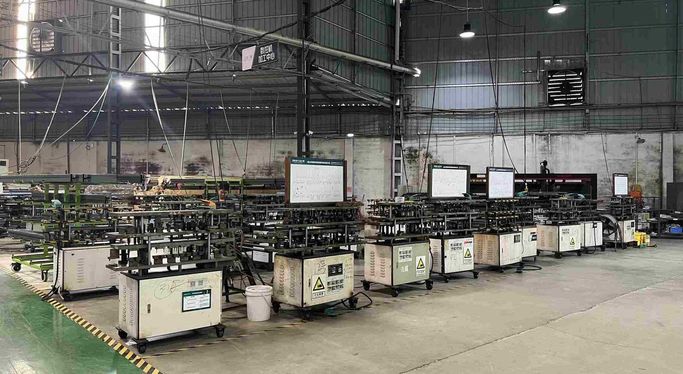
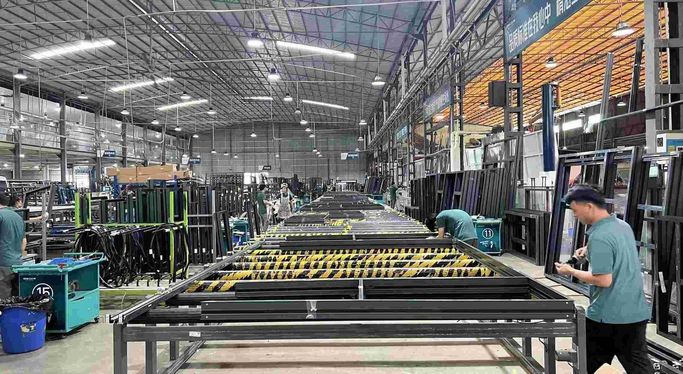
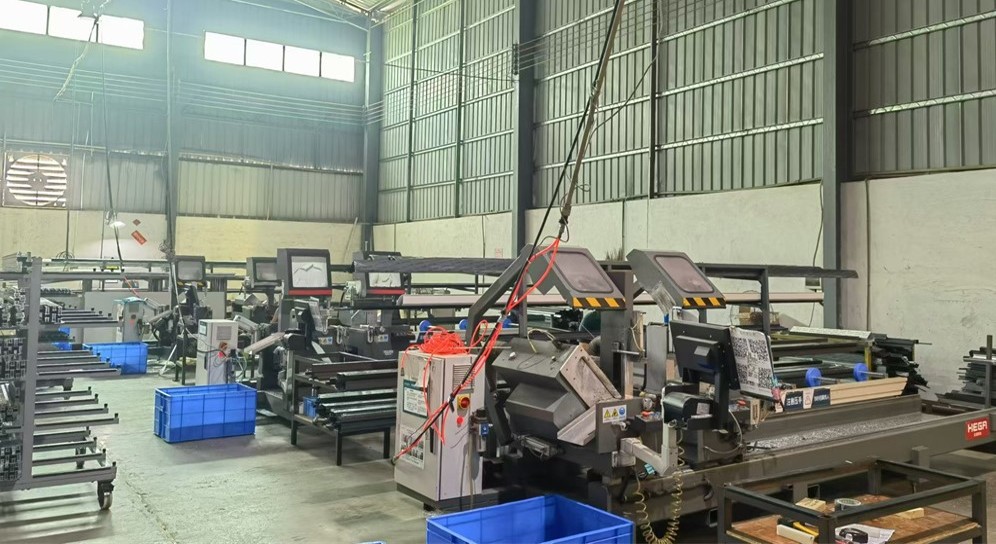
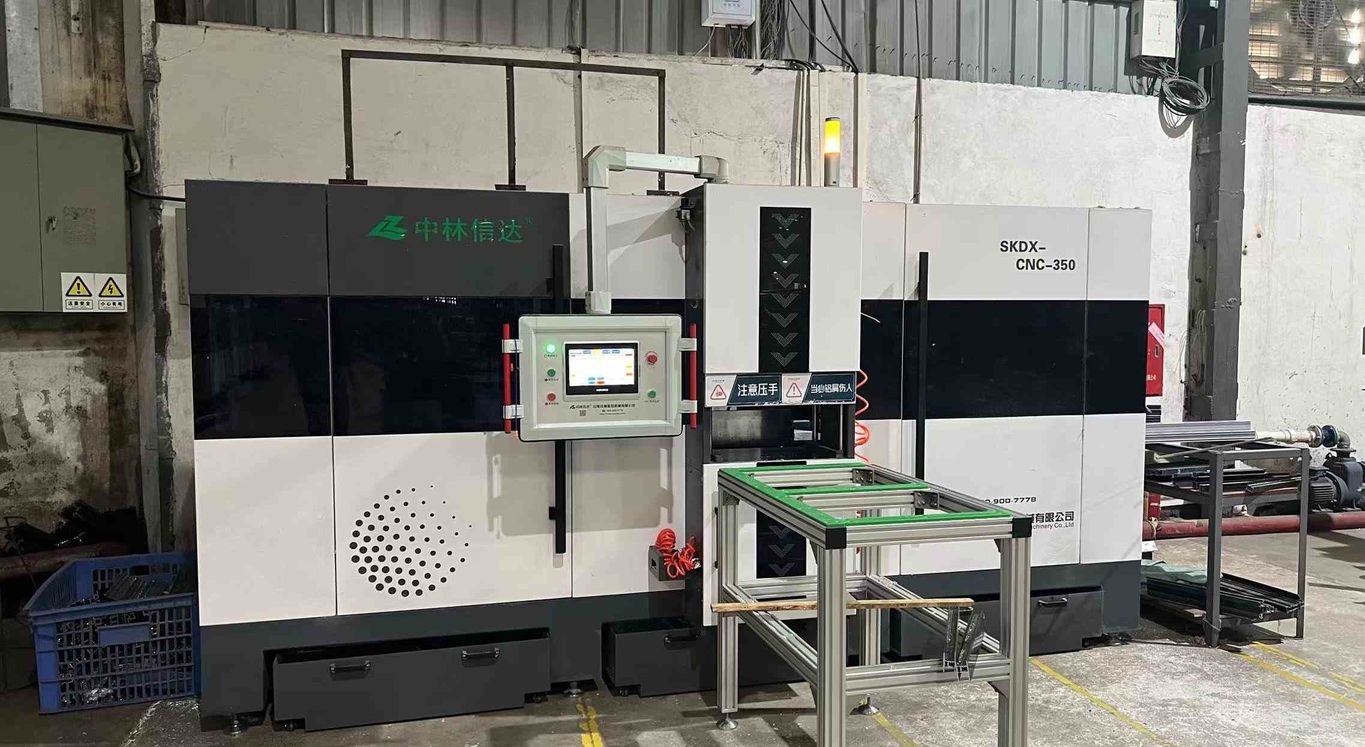
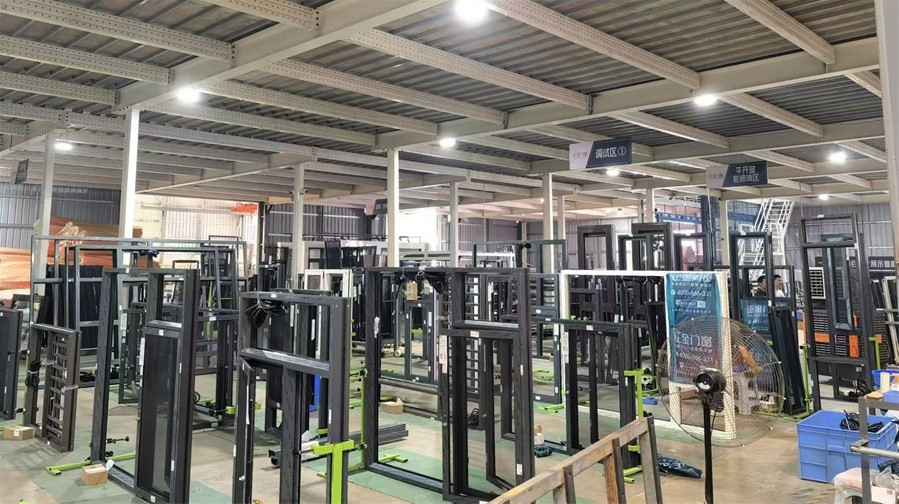
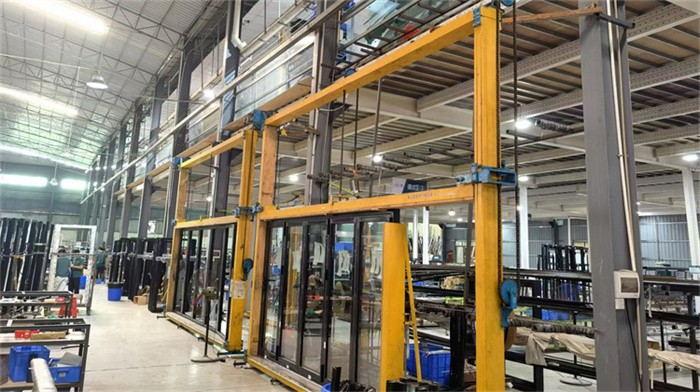
Industrial machinery deployed within our 19,000 m² automated production facility for millimeter-level accuracy.
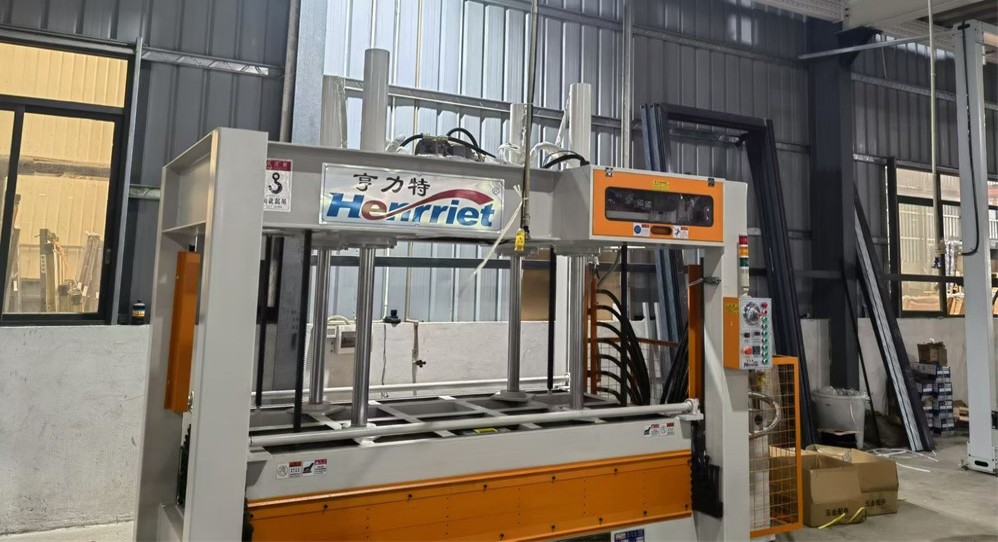
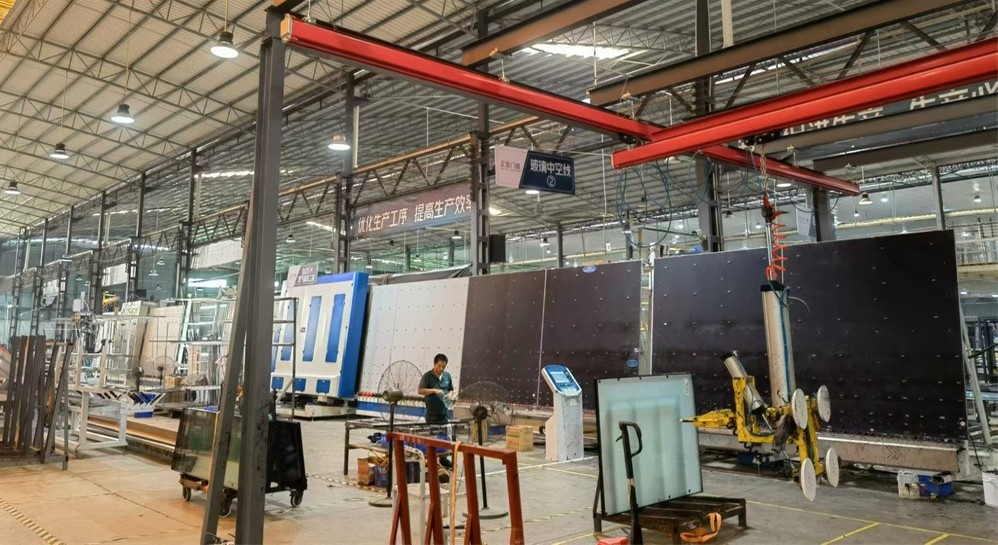
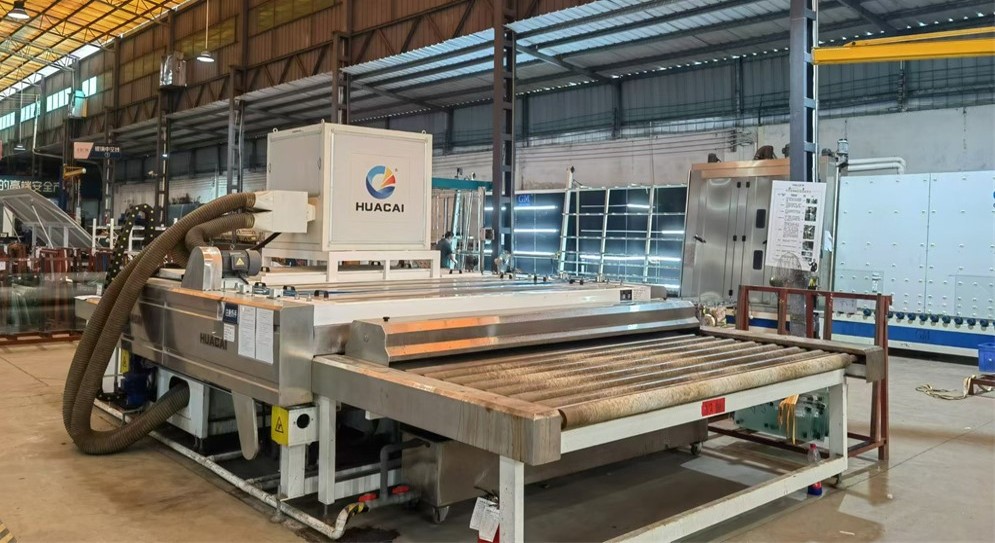
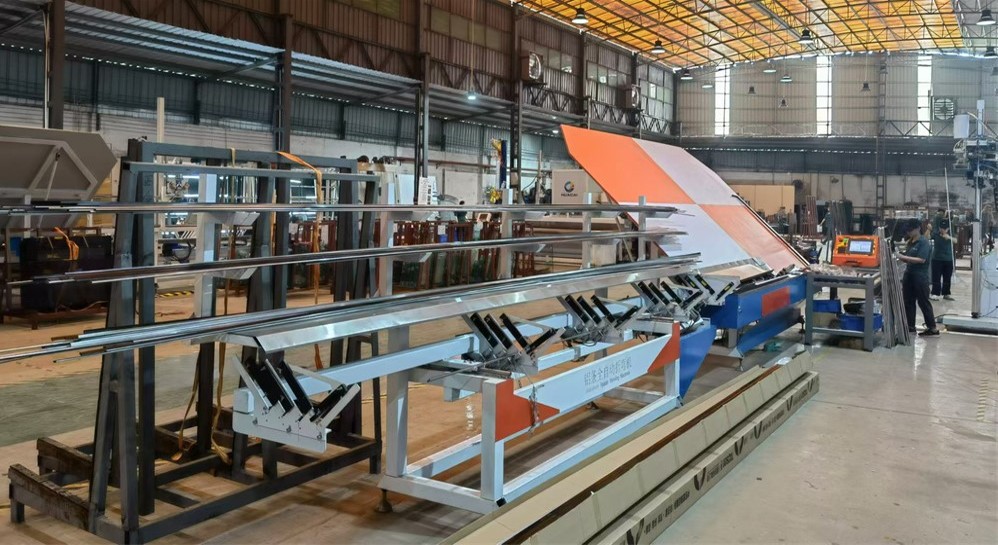
An in-depth analysis of engineering mechanics driving modern double entry door thermal insulation, structural rigidity, and weatherproofing.
Standard aluminum extrusions exhibit high thermal conductivity. Veridor double entry doors utilize reinforced Polyamide (PA66GF25 with 25% glass fiber) thermal barriers. This separation breaks heat transfer paths, lowering U-factors to as low as 1.2 W/m²K while preventing structural condensation in freezing climates.
Glazed double entry doors incorporate dual-pane tempered safety glass units with Argon gas fill and low-emissivity (Low-E) coatings. This configuration reflects long-wave infrared thermal energy, preserving indoor climate control and blocking up to 99% of damaging solar UV radiation.
To eliminate air infiltration at the center meeting stile, doors feature continuous EPDM rubber weatherstripping and automatic drop-down bottom seals. Heavy-duty 5-point locking mechanisms lock both active and passive leaves securely into top and bottom thresholds.
Selecting door assemblies for commercial projects or high-end residential housing demands a clear evaluation of technical specifications. The matrix below highlights key structural parameters evaluated during initial CE type testing:
Tailored structural configurations designed to satisfy distinct architectural building codes across primary export markets.
Standards: NFRC, Miami-Dade NOA, Florida Product Approval (FPA), ADA Compliance.
In hurricane-prone coastal regions like Florida and the Gulf Coast, double entry doors must withstand High-Velocity Hurricane Zone (HVHZ) wind loads. Veridor configurations utilize Miami-Dade approved laminated impact glass and heavy-gauge aluminum extruded jambs capable of resisting missile impact testing (TAS 201/202/203).
Standards: AS2047, AS1170, AS3959 (Bushfire Attack Level - BAL).
Australian building standards enforce rigorous deflection, air infiltration, and bushfire resilience. Veridor entrance doors exported to Sydney, Melbourne, and Brisbane feature specialized intumescent seals rated up to BAL-40 alongside heavy-duty stainless steel mesh integration.
Standards: High-Humidity Corrosion & Typhoon Load Protocols.
High humidity and tropical salt-air mandate marine-grade anodizing or Qualicoat Class 2 fluorocarbon coatings (min 60-micron thickness). Veridor double doors prevent salt-spray galvanic corrosion while maintaining airtight seals against monsoon driving rains.
Pioneering smart entrance integration, sustainable recycled alloys, and next-generation building access controls.
Modern commercial and residential infrastructure demands seamless, keyless access. Veridor's R&D division has engineered door leaves with concealed wiring channels and pre-milled mortise pockets for facial recognition cameras, biometric fingerprint readers, and motor-driven automatic lock bodies compatible with major Smart Home protocols (Zigbee, Matter, Z-Wave).
Targeting Net-Zero building goals, Veridor is transitioning toward low-carbon aluminum billets extruded using hydro-electric energy sources. Future door models incorporate Electrochromic Smart Glass (SPD-SmartGlass) panels that dynamically adjust tint density via mobile apps or solar intensity sensors to reduce HVAC load automatically.
Veridor provides complete macro-architectural packages for multi-family residential complexes, luxury resorts, commercial storefronts, and modular prefabricated housing. From ADA-compliant low-profile sills to panic hardware emergency exit double doors, our engineering team custom-tailors glass specs, frame dimensions, and surface finishes to meet project shop drawings directly.
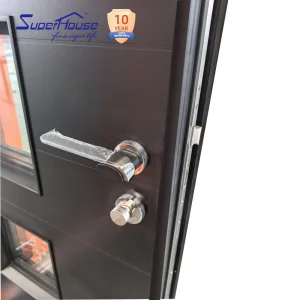
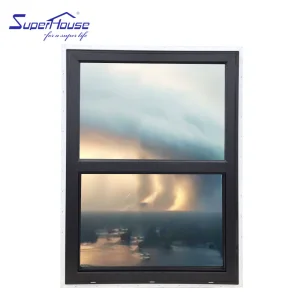
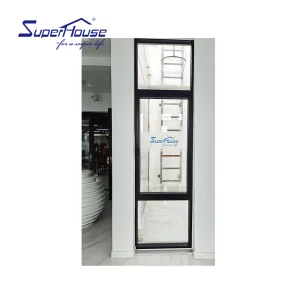
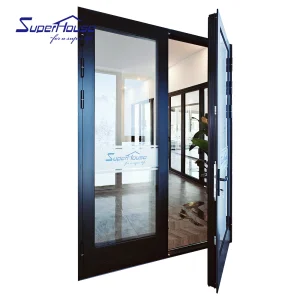
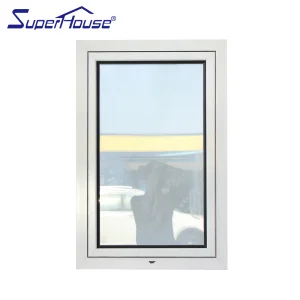
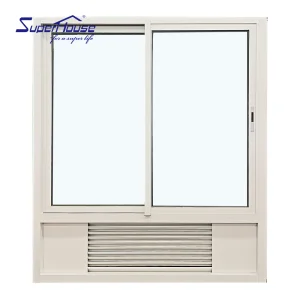
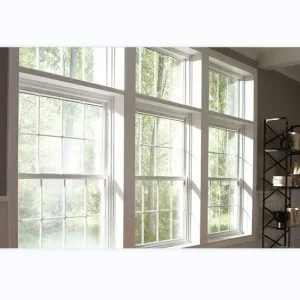
Explore our extended range of certified aluminum windows, folding doors, sliding systems, and luxury double entry doors.
Expert engineering clarity regarding CE compliance, custom structural options, installation, and B2B order logistics.
 Veridor