How to Choose a Luxury Aluminum Entry Door?

Time:2026-11-08 Author:Oliver
0%

Choosing a Luxury Aluminum Entry Door means balancing appearance with security, weather resistance, and daily comfort. A broad pivot panel can look striking, but its weight, hardware, and installation deserve equal attention. The finish matters, too. A dark surface beside sunlit stone may heat up noticeably.

Industry data offers context, not a direct aluminum comparison. Remodeling’s 2024 Cost vs. Value report found that a steel entry-door replacement recouped an estimated 188.1% of its project cost nationally. That figure does not measure luxury aluminum doors, and it should not be treated as a return-on-investment promise. It does show how closely buyers notice an entrance. For aluminum, compare documented performance rather than assuming premium appearance means better insulation.

Architect Juhani Pallasmaa is often credited with the observation, “The door handle is the handshake of the building.” That idea makes the small details worth testing: grip the handle, feel the latch, and inspect the meeting points around the frame. Ask for verified thermal and air-leakage ratings, clear warranty terms, and installation details for your climate. Check the threshold and corner seals, not only the showroom finish. A beautiful door can still disappoint when it leaks or closes unevenly. No single specification tells the whole story. Some choices remain a matter of taste, and that is worth admitting. The best door is the one that feels solid at home, not merely impressive in a photograph.
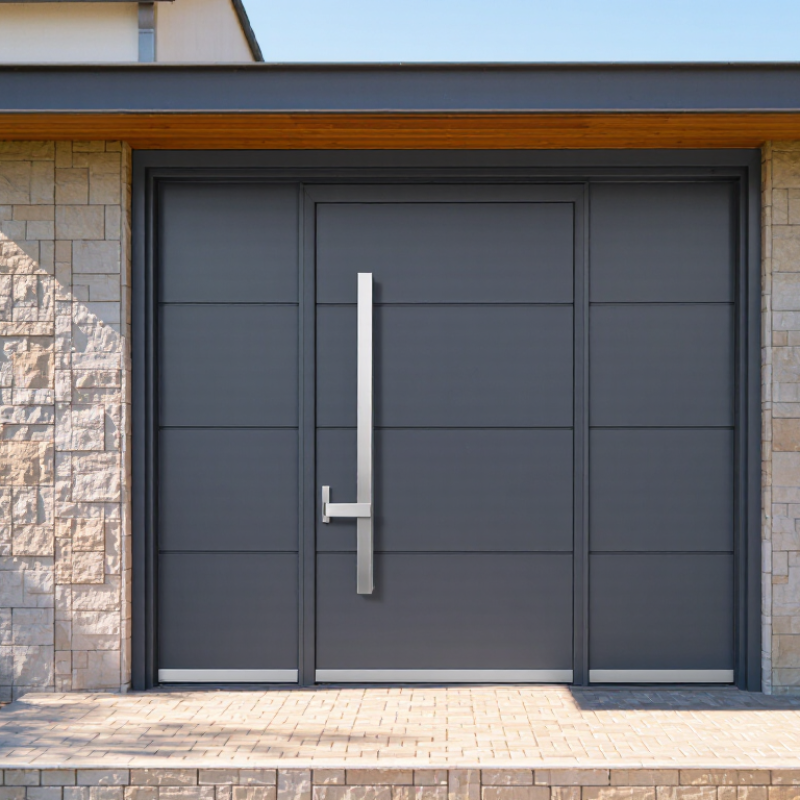
How to Choose a Luxury Aluminum Entry Door?

What Defines a Luxury Aluminum Entry Door?

A luxury aluminum entry door is more than a polished surface or a high price. It combines precise engineering, durable materials, and details that work well in daily use. Slim sightlines can create a clean, modern entrance, while reinforced frame sections help the door feel stable when opened and closed. A thermal break between the interior and exterior aluminum can reduce heat transfer. Ask for documented performance figures, not just attractive product images. Details matter.

The finish should look even in changing light and resist fading, scratches, and corrosion under the conditions around your home. Inspect a sample outdoors if possible; showroom lighting can hide subtle color differences. Quality hardware should move smoothly, latch securely, and suit the door’s weight. Multi-point locking can improve closure and help compress weather seals, but correct installation remains essential.

Glazing, if included, should balance daylight, privacy, and insulation. Check how the glass is sealed into the frame and whether the threshold helps limit drafts and rain entry. Even an expensive door can disappoint if the opening is measured poorly or installed out of square. That part is easy to overlook. Ask who will verify the site dimensions, adjust the hinges, and check the seal after installation. A considered choice feels solid, closes cleanly, and fits the house rather than merely attracting attention.

What Defines a Luxury Aluminum Entry Door?

A well-designed aluminum entry door balances strength and refined detailing with thermal comfort. Aluminum conducts heat readily, so a thermal break is an important feature to look for.

Approximate bulk-material thermal conductivity (W/m·K). Values vary by alloy, glass type, and wood species; they describe materials, not complete door performance. A door’s U-factor depends on the full assembly, including glazing, frame design, and thermal breaks.

Which Door Style, Finish, and Glazing Suit Your Home?

Choose a style that fits the entry’s proportions. A single-panel door feels calm and modern; narrow vertical glazing can make a low porch seem taller. Aluminum’s slim sightlines suit contemporary façades, while a warm bronze or muted charcoal finish can soften its crisp edges. View finish samples outside: morning light may make the same color look unexpectedly cool. A small detail, but it matters.

Glazing is a balance of daylight, privacy, and heat control. Clear glass brightens a dim hall, but sidelights may expose the entry after dark. Frosted or textured glass diffuses views without making the doorway feel closed. The U.S. Department of Energy’s Energy Saver guidance estimates that heat gain and loss through windows account for about 25–30% of residential heating and cooling energy use. That figure is not an entry-door estimate, but it shows why glazing deserves attention. Compare the door’s NFRC-rated U-factor and solar heat gain coefficient, then check the manufacturer’s complete door-system specifications.

Tips: Match glass area to the room behind the door, not just the exterior photo. Ask for finish and glass samples, and view them in your own daylight. I’d reconsider a full-glass design for a west-facing entry; late sun can bring glare and warmth.

How to Choose a Luxury Aluminum Entry Door? — Which Door Style, Finish, and Glazing Suit Your Home?

Design decision Common options Best suited to Practical considerations
Door style Single hinged door Most standard entryways and homes where a straightforward, space-efficient entrance is preferred. Confirm the handing and swing direction, and leave enough clearance for the door to open fully.
Door style Door with one or two sidelights Entrances that benefit from additional daylight or a wider visual frame. More glass can increase light and visibility; consider privacy glazing and suitable window coverings.
Door style Double doors Wide entrances and homes where a balanced, formal façade is desired. Check the available opening width, threshold details, and how the active and secondary leaves will be secured.
Door style Pivot door Large, contemporary entrances with sufficient space for a broad door leaf. Pivot hardware and the surrounding structure must be designed for the door’s size and weight; verify the opening arc.
Frame and finish Powder-coated aluminum Homes seeking a durable, low-maintenance finish in a wide range of colors. Ask for the coating specification and care instructions. Clean with mild soapy water rather than abrasive products.
Frame and finish Anodized aluminum Modern façades where a metallic appearance and visible aluminum character are preferred. Color and sheen can vary by finish and lighting; review a physical sample beside the home’s exterior materials.
Frame color Dark neutral, light neutral, or a contrasting color Dark tones can define a modern entrance; lighter tones can blend with pale façades; a contrasting shade can create a focal point. Compare samples in daylight and shade, and coordinate the door with window frames, hardware, and façade colors.
Glazing Clear insulated glass Entrances where daylight and a view through the door are priorities. Choose safety glazing where required by local building rules and the door’s location. Check the glass unit’s thermal performance.
Glazing Obscure, frosted, or textured glass Street-facing entrances where daylight is wanted without a clear view inside. Privacy varies with the glass pattern and lighting conditions; inspect a sample from both sides.
Glazing Tinted or solar-control glass Exposed entrances where reducing glare or solar heat gain is a concern. Performance depends on the glass specification and orientation. Compare visible light transmission and solar heat gain data.
Thermal performance Thermally broken frame with insulated glazing Homes where energy efficiency and indoor comfort are important. Request whole-door performance figures, such as U-factor, when available; performance varies by size, glass, and configuration.
Security and hardware Multi-point locking and suitable hinges Entrances where a secure, well-fitted door assembly is a priority. Security depends on the complete installation, including frame anchoring, locks, hinges, glazing, and the surrounding wall.
Weather protection Quality seals, threshold, and drainage details Exposed entrances subject to wind-driven rain or significant temperature changes. Check that the product is appropriate for the site and that installation follows the manufacturer’s instructions and local requirements.

Selection tip: Confirm the structural opening, local safety-glazing requirements, accessibility needs, and the door’s documented thermal and weather-performance ratings before ordering.

How Should Size, Configuration, and Hardware Be Selected?

Choosing the right size starts with the finished opening, not the rough wall frame. Measure width and height at several points, since older openings can vary slightly. Confirm whether the listed door size refers to the slab or the complete frame. That difference can affect installation clearance. Allow space for flooring, thresholds, and weather seals, too. Details matter.

Configuration should follow how people use the entrance. A single door suits tighter spaces, while a pair of doors creates a wider passage for furniture or frequent guests. Check the swing direction against nearby walls, steps, and interior traffic. For a large glass panel, consider sightlines and privacy as well as daylight. A beautiful layout can still feel awkward.

Hardware needs to match the door’s weight and daily use. Choose hinges and locking hardware rated for the specific door system, and ask the installer to confirm compatibility before ordering. A long pull handle is easy to grasp, but it may need extra clearance from a wall. Test the handle height and lock operation in person when possible. Small differences matter. I would not assume the standard hardware package fits every household; that is an easy detail to overlook.

Which Security, Weather, and Energy Features Matter Most?

A luxury aluminum entry door should be judged by tested performance, not just a thick-looking frame. For security, ask for a complete-door test report covering the lock, frame, hinges, and glazing. Multipoint locks and reinforced strike areas can help resist forced entry, but installation matters too. The frame-to-wall connection is easy to overlook. A strong door can still leave weak points around its jamb or threshold. Check that the test applies to the exact size and configuration you plan to buy. The AAMA/WDMA/CSA 101/I.S.2/A440 standard evaluates fenestration products for air leakage, water penetration, and structural performance.

Weather and energy details deserve equal attention. The U.S. Department of Energy estimates that heat gain and loss through windows account for 25–30% of residential heating and cooling energy use; that figure is not door-specific, but it shows why glazed entry areas matter. Ask for the door’s National Fenestration Rating Council label. Its U-factor indicates heat transfer, while its solar heat gain coefficient helps assess sunlight entering through glass. Lower is not always better for every climate. Look for thermal breaks in the aluminum frame, continuous perimeter seals, and a well-fitted adjustable threshold. Ask how the door performs under wind-driven rain, not only on a sunny showroom floor. I’d still want the installation details in writing.

How Do Installation, Warranty, and Maintenance Affect Your Choice?

A luxury aluminum entry door depends as much on installation as on the frame itself. Ask who will measure and fit it, and whether the installer has handled large, thermally broken doors. A small error in the opening can leave the panel rubbing, the lock misaligned, or rainwater finding a path indoors. Check that the sill, flashing, and perimeter seal are included in the installation plan. Small details matter. Before signing off, open and close the door several times, inspect the gaps, and ask for a water test when practical. Keep photos and written installation records; they may help if a warranty claim arises.

Read the warranty for separate coverage on the finish, hardware, glass, and labor. Confirm its length, exclusions, and whether approved installation or documented upkeep is required. Terms differ, so do not rely on a verbal assurance. Maintenance is usually simple: wash the frame with mild soap and water, clear debris from the threshold, and check seals and hinges periodically. Avoid abrasive pads. Salt, grit, and standing water can still wear surfaces over time. It is tempting to choose the fastest installer, but I might accept a longer wait for careful measuring and clear written responsibilities. Even then, workmanship can be imperfect; ask who will return if adjustment is needed.

FAQS

What makes an aluminum entry door feel high quality?

Look for slim sightlines, reinforced frame sections, and hardware that moves smoothly. A thermal break can reduce heat transfer. The door should close cleanly, not just look impressive.

How can I choose a finish that suits my home?

Compare finish samples outdoors, where daylight can reveal color shifts. Morning light may make charcoal look cooler. Small detail, big difference.

Which glazing works well for a dim entry?

Clear glass can brighten a dark hallway. Frosted or textured glass softens views while still letting in light. Consider privacy after dark, too.

What performance details should I ask about?

Request documented ratings for the complete door system. Check its U-factor and solar heat gain coefficient, especially if the door includes glass. Photos are not enough.

Do multipoint locks make a door more secure?

They can help the door close firmly and engage at several points. Ask for test information covering the lock, frame, hinges, and glazing. Installation still matters.

How can an entry door help limit drafts and rain?

Look for continuous perimeter seals and a well-fitted, adjustable threshold. Ask how the door handles wind-driven rain. A sunny showroom tells little.

What should I check before installation?

Confirm who will measure the opening and check the frame is installed square. Ask about hinge adjustment and seal checks afterward. Easy to miss.

Does a thermal break matter in an aluminum door?

Yes. It separates the frame’s interior and exterior aluminum, helping reduce heat transfer. The benefit depends on the full door design and installation. I would want the details in writing.

Conclusion

Choosing a Luxury Aluminum Entry Door means balancing appearance, performance, and practical needs. Consider how the door’s design, color, finish, and glazing complement your home, while also assessing the aluminum construction and overall craftsmanship. Accurate measurements are essential, and the right configuration—such as a single or double door, with or without sidelights—should suit both the entrance and daily use. Select hardware that feels comfortable, works smoothly, and fits the style of the door.

Look beyond appearance when comparing options. Strong locks, durable weather seals, thermal breaks, and suitable glazing can support security, comfort, and energy efficiency. Professional installation helps ensure a proper fit and reliable operation, while clear warranty coverage offers added confidence. Before deciding, review the care requirements for the finish, glass, and hardware so you know how to keep the door looking and performing well over time.

Oliver

Oliver

Oliver is a seasoned marketing professional with a wealth of expertise in driving brand awareness and engagement. With a deep understanding of our company's product offerings, he consistently delivers high-quality content that enriches our professional blog. His insights not only shed light on......